Raquel Welch’s Heart: The Inspiring Truth Behind the World’s Biggest Sex Symbol
Why she felt like a 'convict' to her image and how she found freedom in her roots and family

From the moment Raquel Welch appeared on movie screens in the mid-1960s, Hollywood decided exactly who she was supposed to be. The fur bikini from the dinosaur adventure One Million Years B.C. (1966) turned her into an instant sensation, and with it came a label that would follow her for the rest of her life: sex symbol. It was a designation the public embraced and one she privately struggled to reconcile with who she actually was.
Welch never denied the power of her image, but she consistently rejected the idea that it defined her. “Being a sex symbol was rather like being a convict,” she once explained. “That I was locked in this image and couldn’t get out. My family was very conservative and I had a traditional upbringing. I was not brought up to be a sex symbol, nor is it in my nature to be one. The whole ‘sex symbol’ thing is part of what I do as an actress. It’s a kind of character I play. It’s part of me, but not the whole me.”
The disconnect between the public fantasy and the private woman became one of the central pressures of her career. In a candid 2001 interview with Cigar Aficionado, Welch admitted how deeply the image unsettled her. “I think I was always more intimidated by my image than anyone else. I mean, there’s a tremendous loss of self, because you really are in a job where this image has been created… You feel like a lemon that’s had all the juice squeezed out of it.”
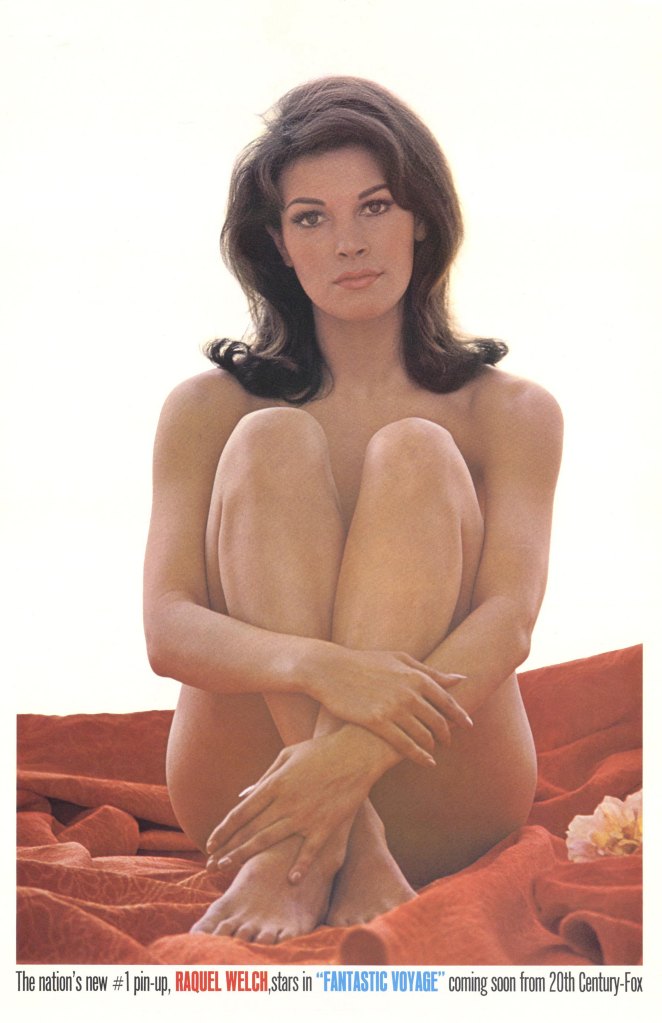
Her fear was centered around exposure. “Like everyone is going to think, ‘Well, why did we think she was so great?’” Welch mused. “It’s human nature to pick people apart. And yet at the same time, you’re saying, ‘I’m the luckiest person in the world, because I’ve got this chance that everybody dreams of having.’ It’s really bittersweet.”
Discipline and values
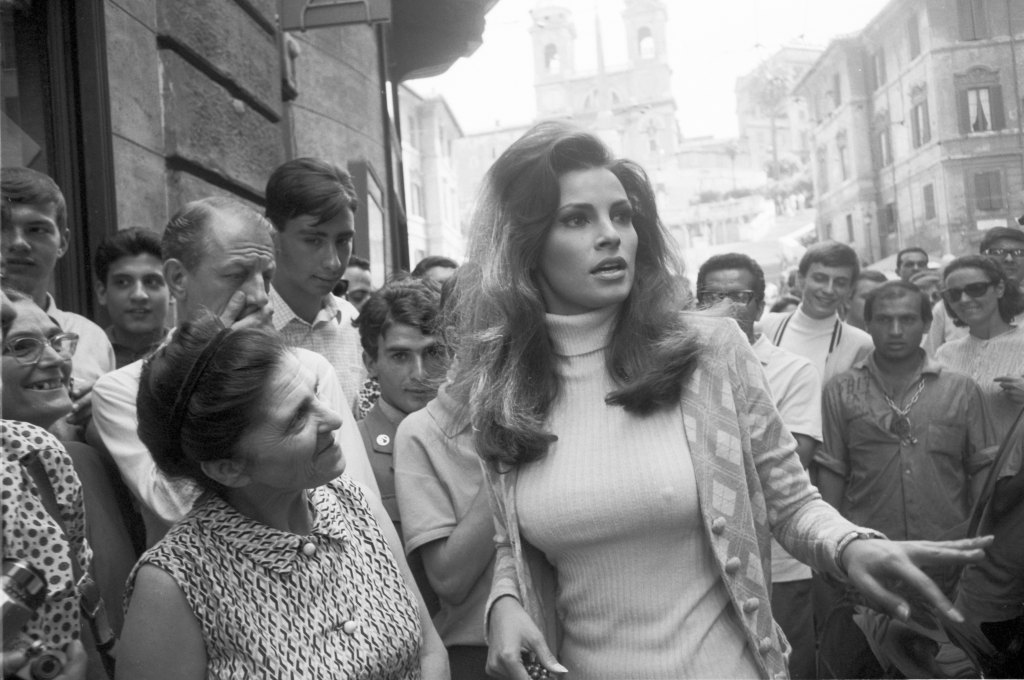
Long before Raquel Welch became an international symbol of glamour, she was shaped by a far more traditional world. Born Jo Raquel Tejada to a Bolivian father, Armando Carlos Tejada Urquizo, and an American mother, Josephine Sarah Hall, she was raised in a conservative, Presbyterian household with clear expectations about behavior, responsibility and self-control—values that would later clash sharply with the way Hollywood chose to market her.
Welch was always careful to separate who she was from what she represented onscreen. “My family was very conservative and I had a traditional upbringing,” she explained. “I was not brought up to be a sex symbol, nor is it in my nature to be one.” That sense of restraint wasn’t performative; it was internal, ingrained long before fame entered the picture. For Welch, the bombshell persona was a role—one she could inhabit professionally but never fully claim as her identity.
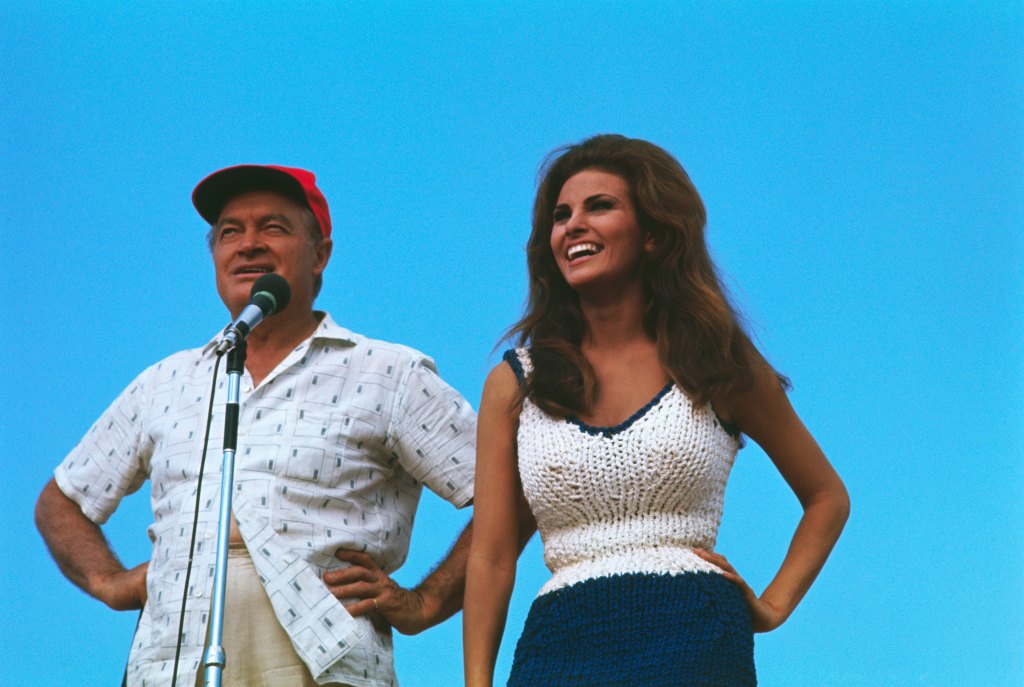
That inner divide explains why the attention unsettled her as much as it rewarded her. In a 1985 interview with Barbara Walters, Welch acknowledged the vulnerability that came with visibility. “You’ve asked for the attention in some way,” she said. “You’ve said, ‘Look, I want to be an actress,’ and now people are looking at you and saying things about you. On top of that, if you don’t have many clothes on, you can’t help but feel vulnerable.” It was a clear-eyed assessment, free of self-pity but honest about the cost. At the same time, Welch refused to portray herself as powerless. When the suggestion arose that Hollywood forced her into a sexualized image, she pushed back. “I didn’t have to [go along with it]; nobody twisted my arm. But I did it, because that was my advantage. I was going to use my advantage—and I’m glad I did.”
Fame arrives before control
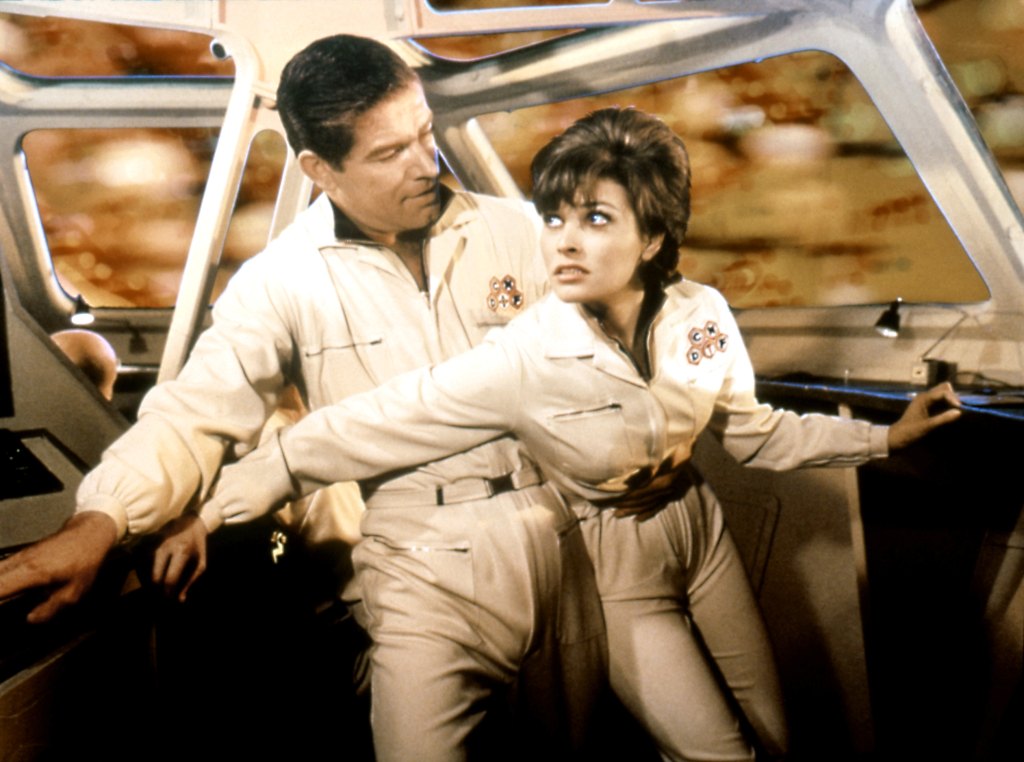
The star’s rise wasn’t gradual and it wasn’t carefully managed. Fame arrived quickly and decisively, long before she had any real control over how it would define her. By the mid-1960s, Hollywood had settled on a version of Welch that emphasized appearance over ability, even as she was still trying to figure out what kind of career she actually wanted.
In interviews at the time, Welch acknowledged that beauty contests and publicity opened doors, but not without compromise. “I really got nowhere, even in Hollywood, until I bought a few sexy, clinging, low-necked dresses,” she admitted. “And I’ve never stopped working since.”
That calculation paid off almost immediately. Fantastic Voyage (1966) became a major hit, and while its success gave her credibility, it was One Million Years B.C. that permanently fixed her image in the public imagination. Welch herself never pretended otherwise. “I had only four words—none of them comprehensible—to utter in the entire film,” she noted of the latter. “All the rest had to be conveyed with hands and looks.” The movie’s plot barely mattered; the visuals did all the work.
Yet even as her stardom expanded, the roles rarely aligned with her expectations. “Here I was with everybody saying I was a sex symbol, and then people would go to these movies and there was nothing sexy happening,” she explained. “You think, ‘I’ve let them down.’” She believed she could have thrived in light comedy or romantic roles that actually used charm and wit, but instead found herself repeatedly playing hardened, physical characters.
Underlying that frustration was a deeper concern about substance. Welch often spoke about her love of art, literature, and beauty, but also her fear of being reduced to surface appeal alone. She once compared that danger to a plastic flower—visually perfect but empty. “I really think that sexuality gives you a lot of power in a way,” she said, “but it’s a very specific thing. It doesn’t really open the door to other things.”
Motherhood as anchor
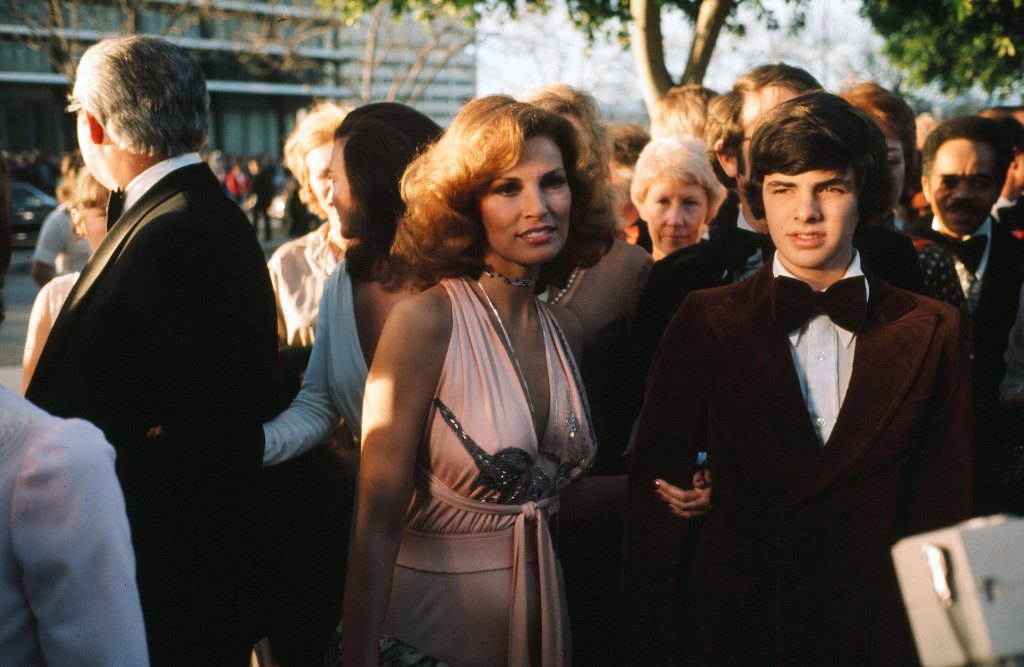
While Welch’s public image suggested freedom and excess, her private life was shaped by responsibility at a young age. She became a mother in her early 20s, raising two children—Damon and Tahnee—at the same time her career was accelerating. That reality grounded her in ways audiences never saw, and it quietly informed how she navigated fame.
Welch was clear about the stabilizing role her children played. As her visibility increased and expectations mounted, motherhood gave her something solid to hold onto—something that existed outside the demands of Hollywood. While the industry rewarded risk and spectacle, her life at home required structure, restraint, and consistency. Those competing forces kept her from fully surrendering to the fantasy others projected onto her.
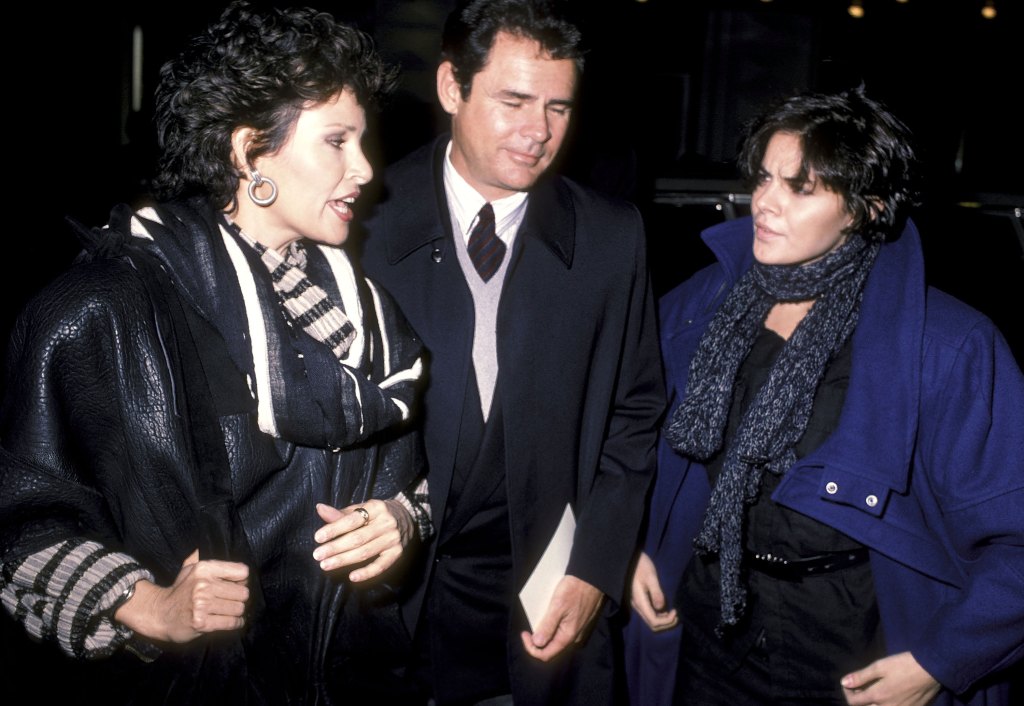
That grounding helps explain why Welch often seemed at odds with the roles she was offered and the persona attached to them. She was navigating an industry that thrived on illusion while living a life rooted in obligation. Being a mother forced her to remain practical. It also influenced the way she thought about herself. Welch knew that the image would fade, but the responsibilities would not. In that sense, motherhood provided clarity.
Intelligence, ambition and misjudgment
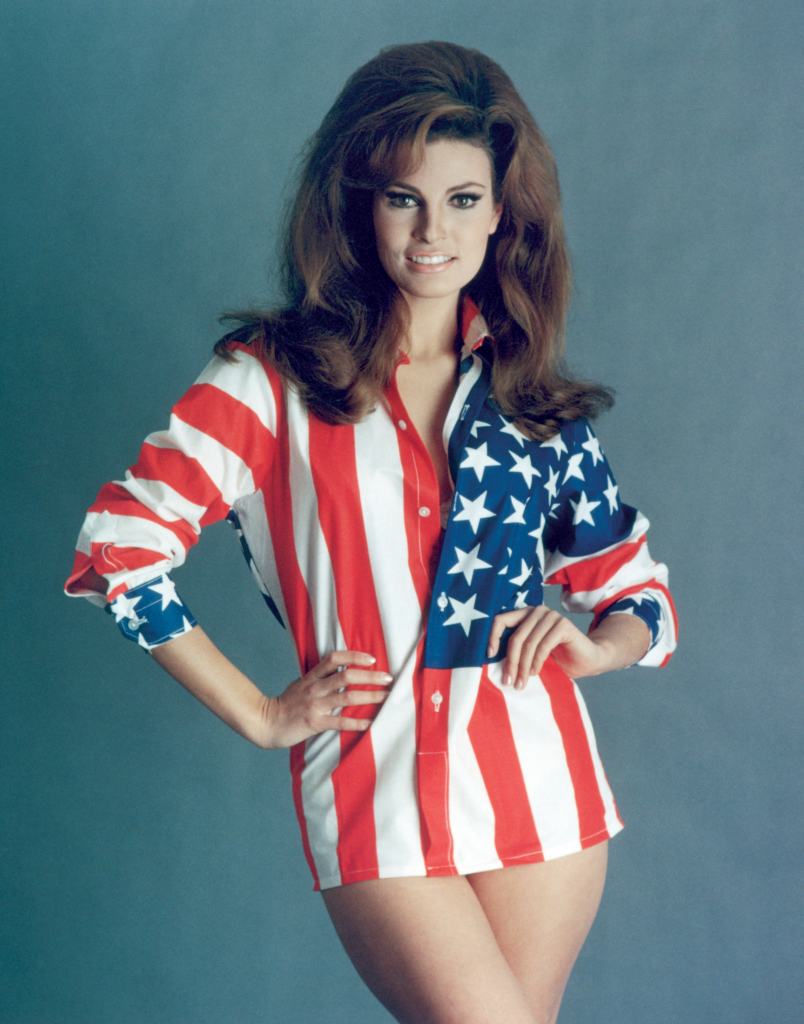
One of the most persistent misconceptions Welch spent her career pushing against was the assumption that beauty and intellect were mutually exclusive. It was a stereotype she encountered early and often, and one she found both limiting and exhausting. She referred to herself, with characteristic bluntness, as the “Rodney Dangerfield of sex symbols,” explaining to Men’s Health, “I felt like there was always a struggle. There was the perception of, ‘Oh, she’s just a sexpot. She’s just a body. She probably can’t walk and chew gum at the same time.’”
That dismissal stung, particularly because Welch was deeply interested in substance. She loved literature, art and music, and she was known to have an IQ of 140—facts that rarely entered the conversation about her. “In my first couple of movies, I had no dialogue,” she said. “It was frustrating. And then I started to realize that it came with the territory.”
By the early 1970s, she was determined to prove that her career could be defined by more than image alone. That shift began with Kansas City Bomber, the 1972 film she often cited as the first project she genuinely embraced. Playing roller derby skater K.C. Carr, Welch finally found a character whose struggle mirrored her own. “The motivation of the character I play is simply to make a buck in life and to attain a sense of identity,” she said. “There’s a futility in what she does. The shape of the track is her life: round and round, going nowhere.”
The role allowed Welch to confront misconceptions head-on. She drew parallels between her own experience and that of the real-life skaters she worked alongside. “Most people tend to think of these girls as Amazons,” she observed, “but most of them are even smaller than me… I have a similar problem. Most people are disappointed if the door hinges don’t shatter off when I walk into a room.”
Critical and commercial success followed with The Three Musketeers (1973) and The Four Musketeers (1974), but momentum stalled abruptly after her highly publicized dismissal from 1982’s Cannery Row. Welch fought back, winning a $10.8 million lawsuit against MGM, but the victory came at a cost. The industry quietly closed its doors, leaving her effectively blacklisted and struggling to find film work.
Refusing to retreat, Welch redirected her career. She turned to Broadway, stepping into Lauren Bacall’s role in Woman of the Year and earning strong notices. Television movies followed, offering the kind of complex female characters that studio films rarely provided. Performances in projects like The Legend of Walks Far Woman (1982) and Right to Die (1987) showcased her dramatic range and reaffirmed her resilience.
When acting opportunities slowed in the 1980s, Welch again adapted. She launched The Raquel Welch Total Beauty and Fitness Program, which became a major success. Later film appearances, including Legally Blonde (2001) and How to Be a Latin Lover (2017), allowed her to return on her own terms.
Final perspective
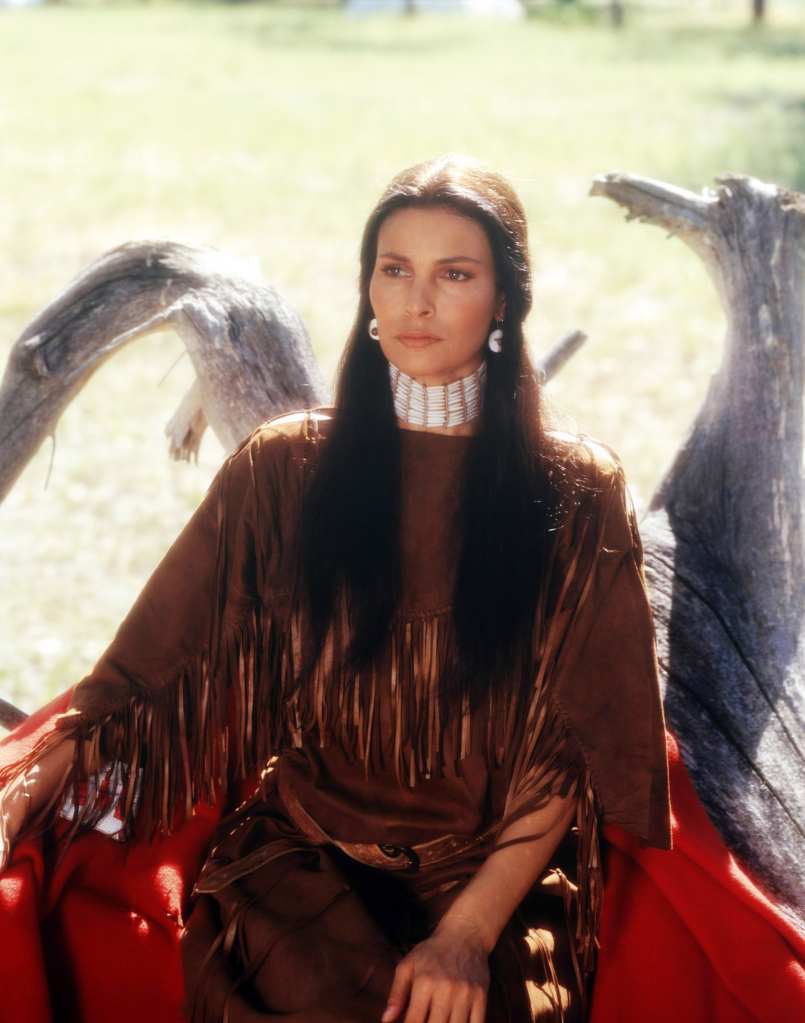

Raquel Welch died on February 15, 2023, at the age of 82, and in the years since, it’s become clear just how much of her story was never fully understood. The image is the easy part to remember. The woman behind it—the one who spent decades trying to keep some distance between herself and that image—is often overlooked.
Welch authored the 2010 autobiography Raquel: Beyond the Cleavage, which is where she first referred to herself as the previously-mentioned “Rodney Dangerfield of sex symbols.” In that interview with Men’s Health, she brought up Marilyn Monroe.
“I always wondered why she seemed so unhappy,” Welch reflected. “Everybody worshipped her and she was so extraordinary and hypnotic on screen. But they never nominated her for any of her musicals or comedies, as good as she was. Because for some reason, somebody with her sex appeal, her indescribable attraction, is rarely taken seriously. Hollywood doesn’t honor comedy and it doesn’t honor sex appeal. And they definitely don’t give awards to either of them. So you always feel a little insecure.”
Conversation
All comments are subject to our Community Guidelines. Woman's World does not endorse the opinions and views shared by our readers in our comment sections. Our comments section is a place where readers can engage in healthy, productive, lively, and respectful discussions. Offensive language, hate speech, personal attacks, and/or defamatory statements are not permitted. Advertising or spam is also prohibited.