Elinor Donahue’s Son Shares the Heartwarming Reason the ‘Andy Griffith’ Star, Now 89, Retired Happy
Peter Ackerman, the son of Elinor Donahue and producer Harry Ackerman, looks back at his parents’ beautiful classic TV legacy and magical memories

Key Takeaways
- Peter Ackerman grew up surrounded by true classic television legends.
- Harry Ackerman helped shape some of classic TV's most beloved shows.
- Elinor Donahue still marvels at her enduring popularity over the course of decades.
Peter Ackerman came to last year’s Mayberry Days—the annual celebration of all things The Andy Griffith Show—carrying bookmarks featuring photographs of his parents, actress Elinor Donahue and television producer Harry Ackerman. For him, the event isn’t really about promoting himself, but rather keeping their stories alive, which he does in his memoir Mom, Dad, Me and Classic TV: Growing Up with Classic Television’s Harry Ackerman and Elinor Donahue.
PETER K. ACKERMAN: “When I get people’s attention here, I hand out bookmarks with my parents’ picture on them. And I start with, ‘This is my mother, Elinor Donahue,’ and of course, there’s the connection of why we’re here on The Andy Griffith Show. And then I quickly segue to this guy who was the executive producer of Bewitched, The Flying Nun, Gidget, Hazel, Dennis the Menace and the first season of Leave It to Beaver. And when I say that, more often than not, people are like, ‘Whoa, I watched those shows!’ And that gives me a lift and it’s kind of my way of remembering my dad, who was a little bit beat up by the business.”
“Wherever he is now, I’m sure it’s the heavenly kingdom, but I’m hoping that the spirits that come basically say, ‘You did something good. People are still watching it and appreciating this little thing you thought’—both my mom and dad—’that people wouldn’t watch in the future, that they still love.'”
That desire to preserve his parents’ legacy is one of the reasons Peter wrote his book in the first place. While Elinor Donahue remains beloved by generations of television viewers, and Harry Ackerman’s credits include some of the most recognizable sitcoms ever produced, Peter believes both deserve to be remembered for more than just the names that appear on a screen.
PETER K. ACKERMAN: “My mom gets enough attention. I mean, she’s forgotten by today’s generation and one of the reasons is that she doesn’t put herself out there anymore. She’s retired and unless they’re fans of classic TV, they don’t engage. And so I just like to let people know that she did these things. My dad especially, as I write in my book, he never sought glory or praise. He was quite the moral man. You were hired to do a job, do the job, and then move on to the next. And that was kind of it. He didn’t look for accolades. But what hurt him, and I saw him accept these hurts, was when he was either forgotten or ignored, or somebody else took the credit. He didn’t necessarily want the credit, but when somebody else would stand up and take the credit, that hurt his feelings a lot.”
Growing up in the shadow of classic TV
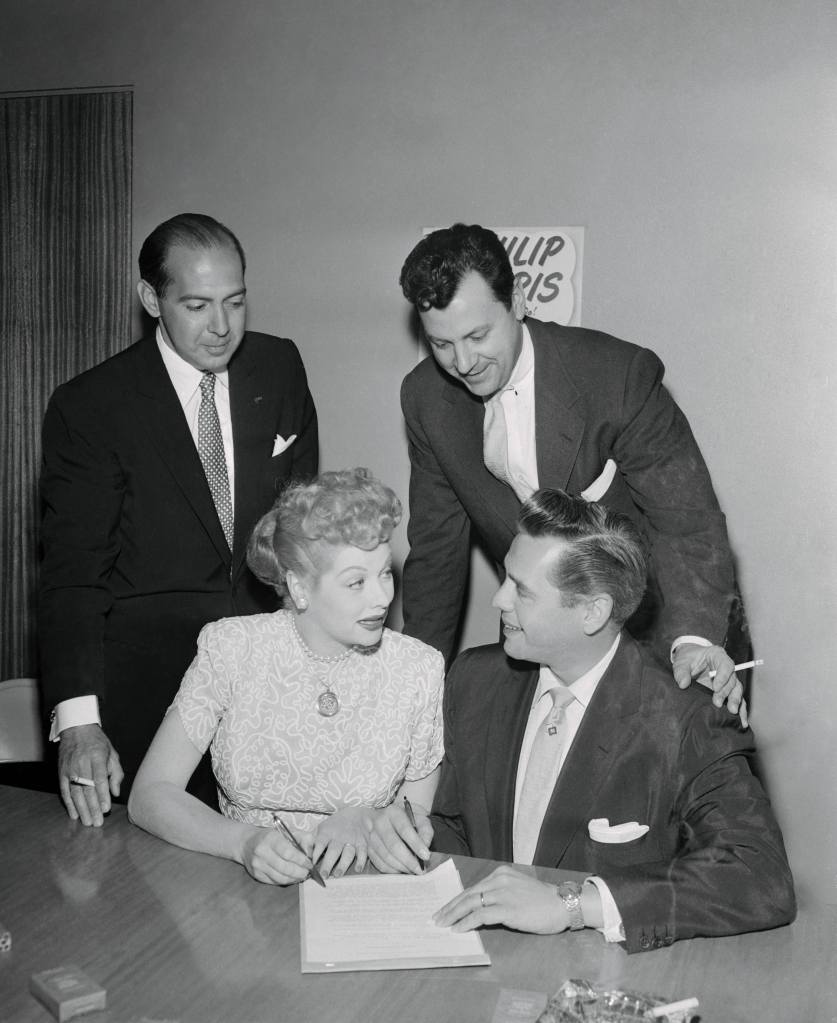
For Peter, those memories stretch back to childhood. Growing up in a household connected to television didn’t seem unusual because it was simply everyday life.
PETER K. ACKERMAN: “In my book, I talked about one of my first memories. I was three years old, sitting on my mom’s lap, the TV is on and she’s saying, ‘Look honey, look,’ and I heard the voice of the woman whose lap I was sitting on and suddenly I realized, ‘Oh, my mom’s on this thing called TV.’ And I still didn’t conceptualize it. I thought everybody’s mom was on TV at some point. But it got to the point where famous names became more routine. Billy Gray from Father Knows Best called a lot. He and mom were close. By the time I was old enough to know who the actors were, the phone would ring and it would be Billy. Orson Welles called the house, too. Another time, we rented a beach house in Santa Barbara and the phone rang. It was Desi Arnaz. I went out to get dad, who he was calling for, and he was in the ocean, so he told me he’d be there in a minute. I got back on the phone with Desi and he kept me on the line. He was delightful. He said, ‘Oh, do you like the horse races? How old are you?’ and that sort of thing. Just a lovely conversation.”

What Peter didn’t realize at the time was that the call involved one of the most debated stories in television history. Harry Ackerman had long been associated with the development of the multi-camera filming technique that helped revolutionize television sitcoms. He only learned the significance of it gradually, hearing pieces of the story over the years.
PETER K. ACKERMAN: “Nobody took sole credit for it. My dad always said it was a conglomeration. It was [producer] Jess Oppenheimer, Desi Arnaz, my dad and a technical guy whose name I’m forgetting. They collectively figured out this was the way to do it. Lucille Ball needed a live audience. The technical people had already experimented with multiple cameras, Desi knew Lucy wasn’t doing well on film alone, and together they came up with the system. It wasn’t one person. It was a group effort.”
“But that day, I remember my dad coming out to the little sandbox we had there in the house afterward and telling my mom that Desi was writing a book and was going to say that he invented the three-camera technique. Which shows Desi is a good man and respectful. Desi explained to my dad that the publishers needed something. There were probably things he didn’t want to tell or reveal and things he was willing to change a little bit. Basically, he was telling my dad, ‘Listen, it’s not personal. We know you were a part of it. But my publishers really want me to have something that helps sell the book.'”
A disappointing Oscars
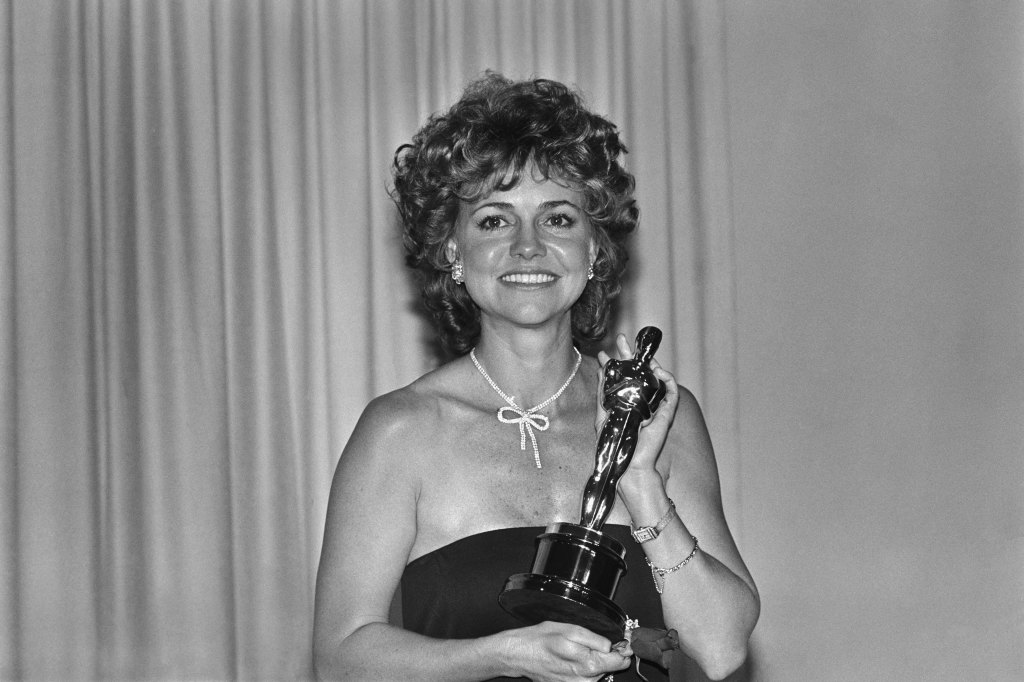
Harry Ackerman wasn’t the kind of man who publicly fought for recognition. Yet Peter saw the moments when being overlooked hurt, the one staying with him most involving Sally Field. By that point, television was changing and many of the kinds of shows Harry had built his career producing were disappearing.
PETER K. ACKERMAN: “The world was passing him by and people that he worked with, like Bill Asher, kept flourishing. Hollywood’s a cruel business and he got that cruel end of the stick. Then came Oscar night 1980. I was sitting with my family watching the Academy Awards when Sally Field won for Norma Rae. My dad was ecstatic. He was like a boy on the edge of his chair. He always talked about how she was found for Gidget, which he executive-produced. She was a cheerleader at USC and they found her and said, ‘She’s our Gidget.'”
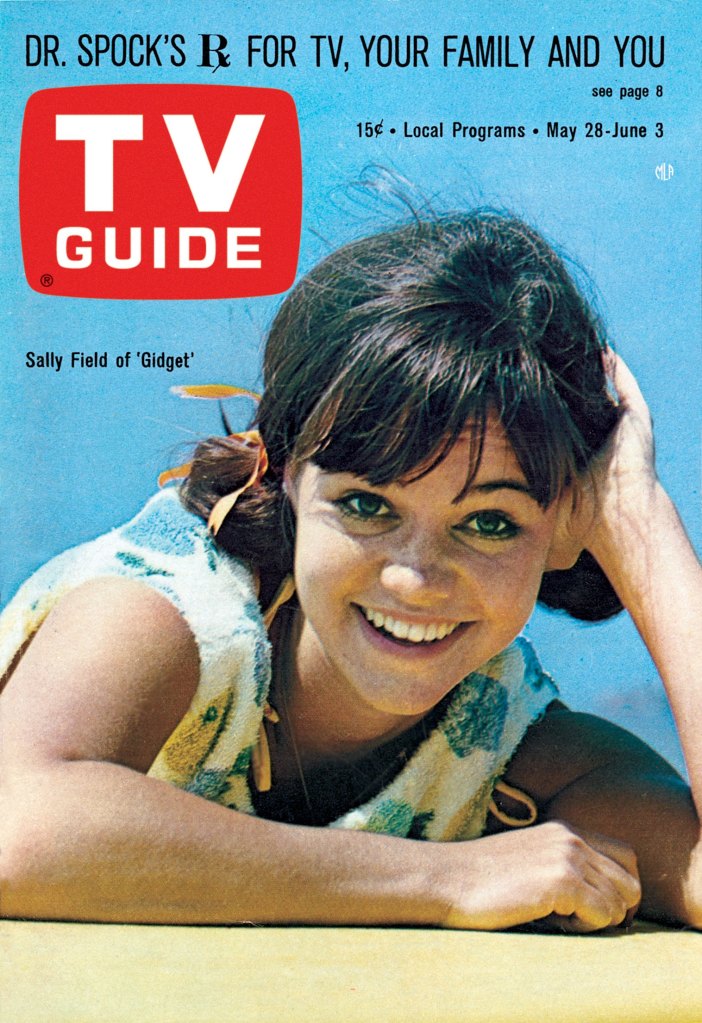
Harry also loved telling the story of her first days on the series.
PETER K. ACKERMAN: “She was terrified. This whole television show was on her shoulders. Dad took her into his office and basically told her, ‘You’ve got everything you need. We’re all here with you. You can do this. Just go out there and be you.’ And part of him hoped for a brief acknowledgment of that. So, Sally Field stood on the Oscar stage and he expected… something, some thanks for Harry Ackerman, who gave her her start. It didn’t come and dad was visibly crushed.”
The memory remains painful for Peter because it happened at a time when his father was already questioning his place in an industry that seemed to be moving on without him. Yet if Harry Ackerman occasionally struggled with being forgotten, Elinor Donahue has spent decades being baffled that anybody remembers her at all. And one of Peter’s favorite subjects is his mother’s inability to understand her own legacy.
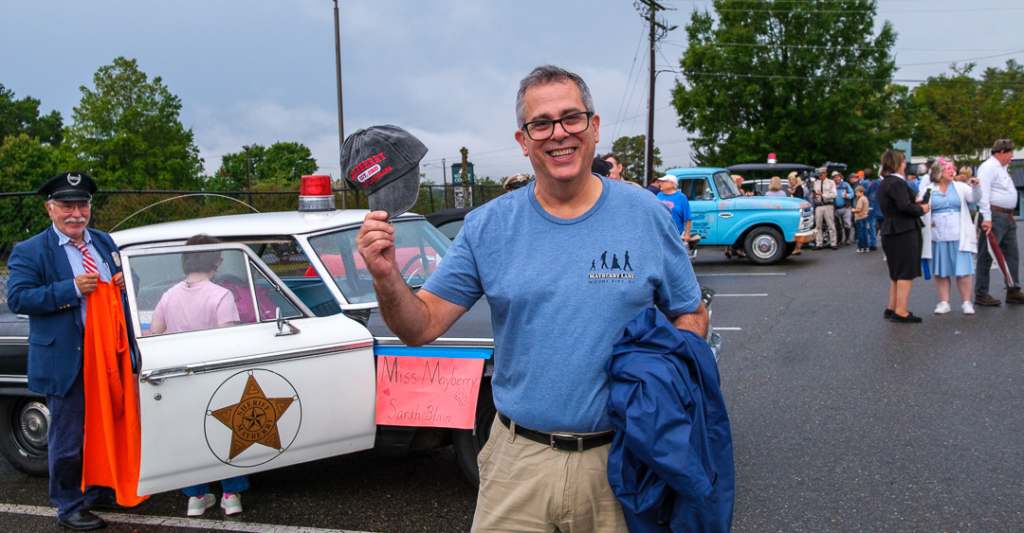
PETER K. ACKERMAN: “She can’t believe I’m here at Mayberry Days because she can’t believe there is a Mayberry Days because she doesn’t comprehend that the show that she worked on for 11 episodes in 1960, which is however many years ago that is, decades and decades, that people would still be watching it today, let alone celebrating it. ‘Honey, I don’t get it. I was working. I had a script. I memorized my lines. I said my lines. I wore what they told me to wear. I looked where they told me to look and did whatever acting I could within the framework that they gave me. And then it was off to the next script and the next wardrobe and the next thing. We weren’t making this thing that was supposed to last. We were just making entertainment.'”
“I grew up with people coming up to my mom and just saying, ‘I loved you.’ Men would say, ‘Oh, I had the biggest crush on you,’ or ‘You were the older sister I never had.’ Or women would say, ‘I wanted to be you.’ My mom was always very kind. She knew the privilege that she had by being in people’s lives like this. There’s the privilege that I think she sort of pinches herself and says, ‘Wow.’ But there’s also the other side where she says, ‘I don’t get it.'”

One thing Peter learned over the years is that the public’s perception of his mother wasn’t always the same as the woman he knew at home. People tended to remember Betty Anderson from Father Knows Best or Ellie Walker from The Andy Griffith Show and assume they knew exactly who Elinor Donahue was. He believes they often overlooked how strong many of those characters actually were.
When Elinor appeared at a Star Trek convention years ago to discuss her memorable role as Commissioner Nancy Hedford in “Metamorphosis,” Peter accompanied her backstage. During a small VIP session, someone commented on how unusual it was to see her playing such a strong-willed character.
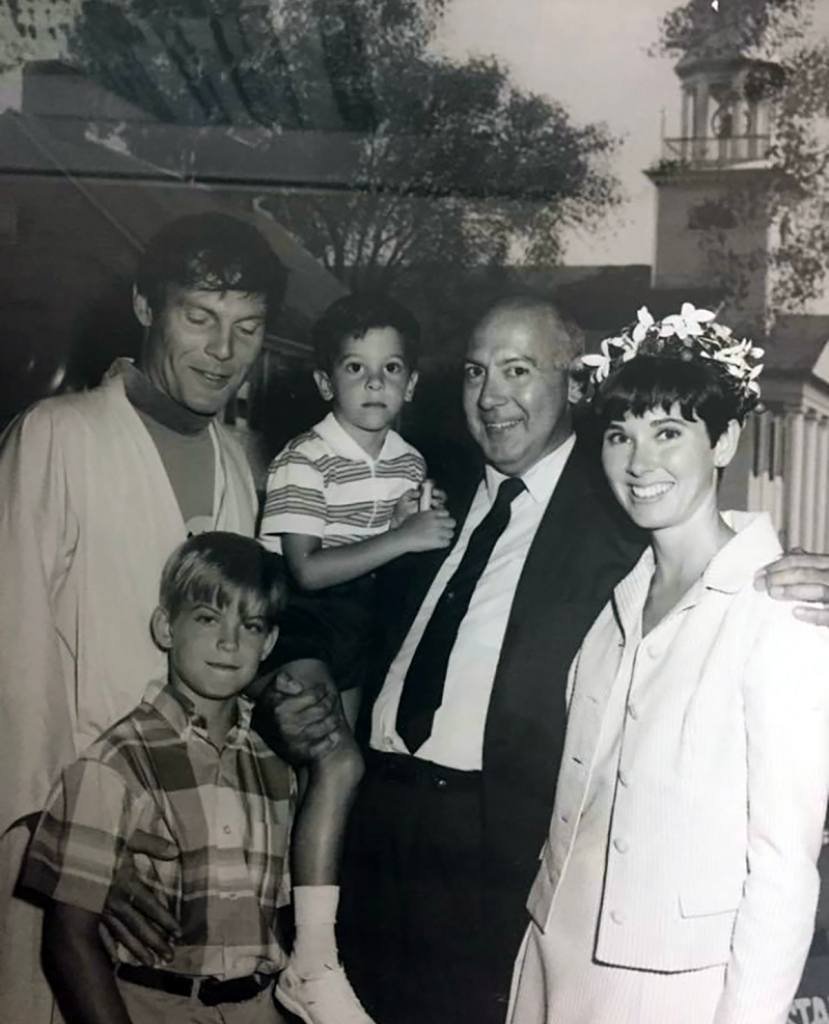
PETER K. ACKERMAN: “I busted into the conversation. I introduced myself and said, ‘No, if you look at Betty Anderson in 1950, Betty Anderson was a strong character. She wasn’t just the daughter in the family. She ran for class office and was a track team runner and everything else. Andy Griffith’s show, Ellie’s running for city council, created the scandal of having a lady pharmacist.’ It’s funny because people’s memories always box her into the sweet innocent nuclear family daughter, but the people making those shows are always kind of pushing the envelope a little bit.”
Elinor Donahue could flick ‘celebrity’ on and off
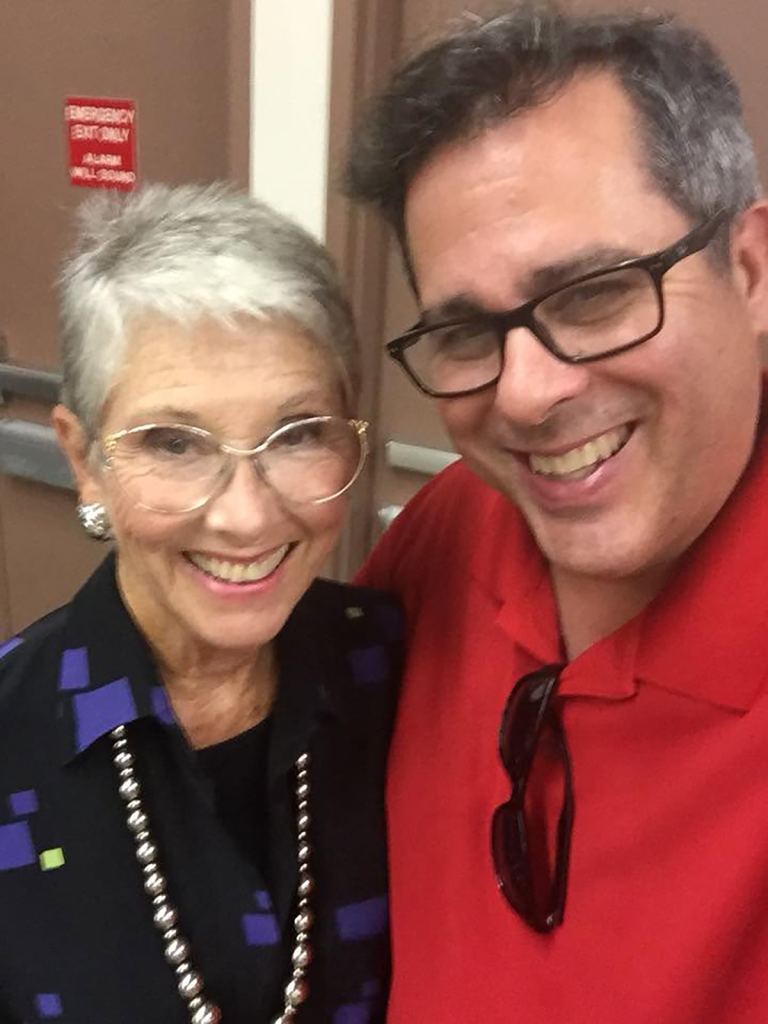
What also surprised him as he got older was learning how nervous his mother could be before performances. For years, he saw only the polished public version of Elinor Donahue. The woman who could greet fans, handle interviews and appear completely at ease. It wasn’t until later that he realized how much work went into creating that confidence.
PETER K. ACKERMAN: “A typical performer. I learned because she did a lot of dinner theater and small theater in the ’80s and I believe early ’90s, and revealed to me that she gets physically ill on opening night. I had no clue because I see the ‘public face’ of Elinor Donahue. I call that public version Betty. I’ve never said that to her. But I call that character, for lack of a better word, Betty. The public face of Elinor Donahue is Betty.”
He describes standing in a grocery store while his mother debated which cereal to buy, only to watch someone recognize her.
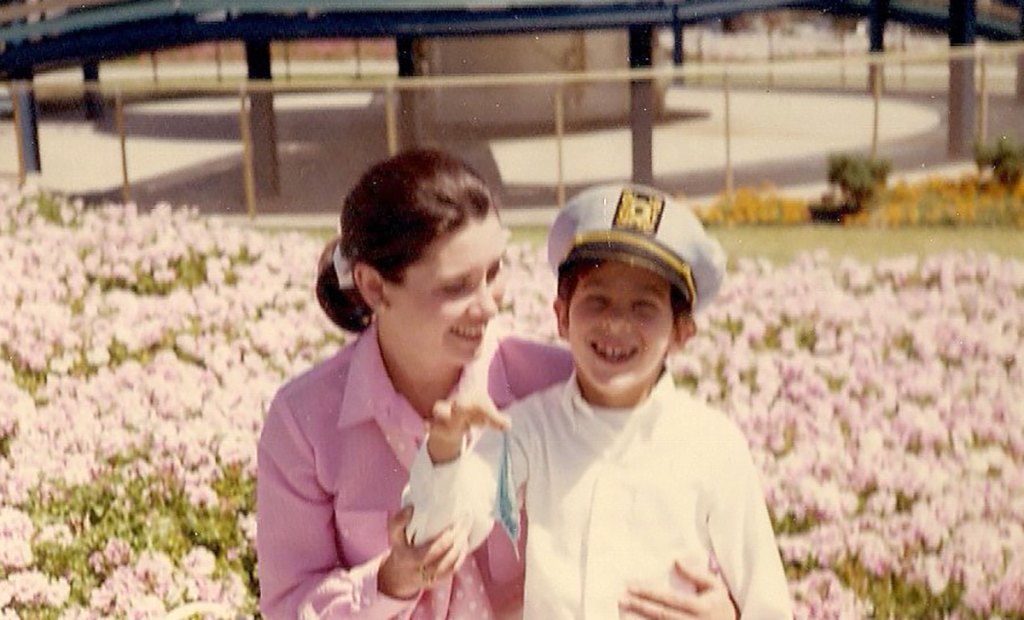
PETER K. ACKERMAN: “We could be talking about ‘which cornflakes do you want, Peter, this one or this one?’ And then somebody comes up to you and says, ‘You’re Elinor Donahue.’ And then, kind of this spark comes on and the smile. And then they leave and she goes right back into, ‘Which cornflakes did you want? And did your brother tell you what he wants?’ Just typical mom.”
That ability to switch between public figure and private person helped explain why Elinor eventually stepped away from acting altogether.
PETER K. ACKERMAN: “She’d been doing it all of her life, since she was two. But then she would go into the casting office with the casting director for the latest show that they wanted this part for, that mom fit. And she’d slide over her resume and they’d look at it and they’d say, ‘Huh, Father Knows Best, what’s that?’ Her feeling started to be, ‘Oh, really?’ She was doing a soap opera and she just kind of said, ‘Hey, I think I might be done.’ She realized she was on sort of the treadmill of being an actress because she’s always been an actress and was coming to the realization like, ‘Oh, I don’t have to do this anymore.'”
“There were also practical reasons for the decision. My mom is beautiful and she doesn’t look like a typical grandmother, so when she was of grandmotherly age, say in her 70s, she was too young and athletic for what they wanted. And then if they wanted a grandmother in a modern-day show, it was more of a hip young woman who looked 50 as the grandmother. So she really didn’t fit any of the roles they were casting anymore. So, she just decided to take herself off the treadmill. And now she kind of likes just being Elinor.”
Changing directions
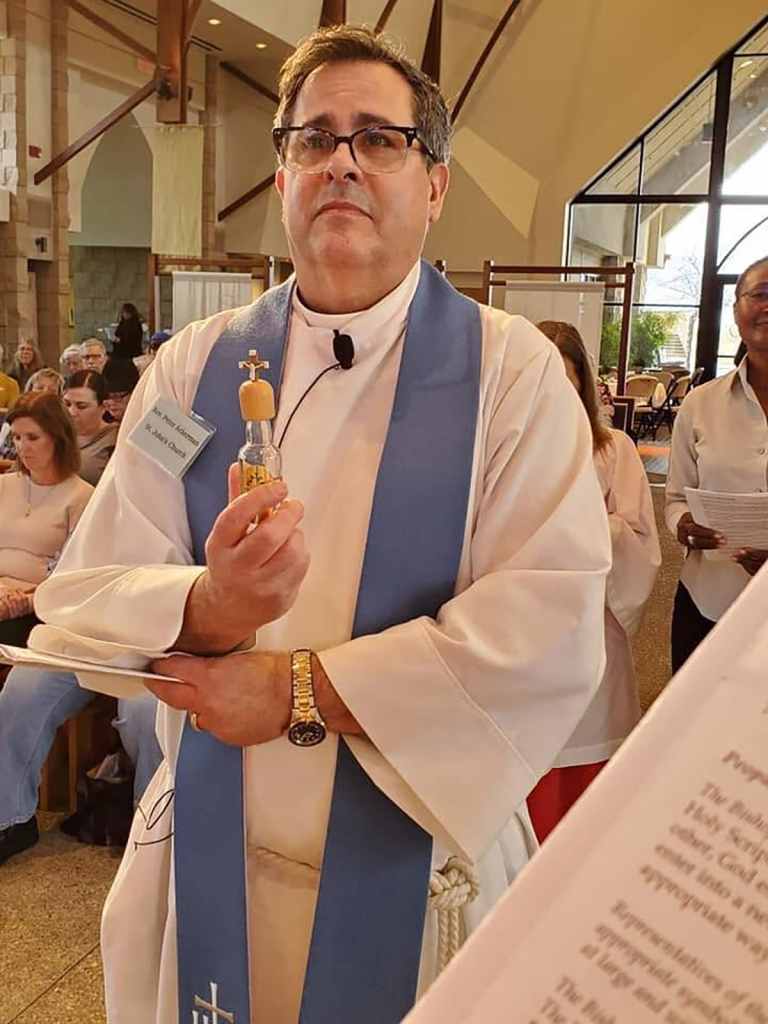
Peter understands that feeling perhaps better than anyone. For a time, he followed his parents into the entertainment business. He worked at Warner Bros. Television, served as a production assistant, worked on The Wayans Bros. and eventually found himself on one of television’s biggest hits.
PETER K. ACKERMAN: “My last job was on Friends, Seasons 2 and 3. But here I was on a hit show where I could pick up the phone and talk to the people that supply the tennis shoes from Nike and have tennis shoes and T-shirts and socks on my desk the next day. But I realized I was not happy with what I was doing for a living. More than a television career was pulling at me. I love my family. My wife and I had young kids then and I loved my church. I was back to going to an Episcopal church and I wasn’t happy in my vocation. Suddenly, my church said, ‘Hey, we’ve got this part-time job for a youth leader. Would you be interested?’ And I said, ‘Yeah, let’s try it out.’ And I loved it. Then they said, ‘Our parish administrator job is opening up. You did administration in television. Would you be interested?’ ‘Yeah, I would.’ People started saying, ‘Have you ever thought of the priesthood?’ One thing led to another and that’s how I got out of show business and into the priesthood.”
Which brings the conversation back to Mayberry days, where, more than six decades after Elinor Donahue appeared as Ellie Walker on The Andy Griffith Show, still gather to celebrate the series. Peter believes the reason goes beyond simple nostalgia.
PETER K. ACKERMAN: “It’s a Norman Rockwell picture come to life. It’s that simpler life. For those of us, when we look at a Norman Rockwell picture, it transcends the world you’re in and takes you into that place where you would like to be. This is what life could be like. And Mayberry always played that because Mayberry was modern in its time but still not modern in its small-town way. And there was a sense of peace that we say in the church that surpasses all understanding.”

“My dad made these half-hour shows not to pretend the world was perfect or to hold up propaganda. Father Knows Best wasn’t meant to be propaganda, either. I think [frequent Andy Griffith Show book author] Randy Turner was the first person who said this to me, but those shows were meant to give people a half-hour escape from the drudgeries of life, where a problem was presented and solved in a lovely way with some laughs and some love in between. Mayberry does that, too, and I think that’s why it’s still lasting.”
Listening to Peter talk, it’s easy to see the connection between his parents and the audiences who continue to cherish their work. Harry Ackerman and Elinor Donahue belonged to a generation of television pioneers who rarely thought about legacy. They weren’t trying to create classics, just good television.

Yet decades later, people still gather in places like Mayberry Days. They still watch Father Knows Best, The Andy Griffith Show, Bewitched, Gidget, Hazel and countless other series that helped define the medium. They still remember the characters, the stories, and, perhaps most importantly, they still remember the people who brought them to life. For Peter, that’s become one of the unexpected joys of writing his book and attending events like this.
PETER K. ACKERMAN: “It’s nice. I used to go on my own dime into autograph shows just to meet the people my parents had worked with that I had never met and here I get to do that. I get to meet people that worked with or at least worked on those shows. And it pleases me to know that what my parents did for a living meant something to people.”
Conversation
All comments are subject to our Community Guidelines. Woman's World does not endorse the opinions and views shared by our readers in our comment sections. Our comments section is a place where readers can engage in healthy, productive, lively, and respectful discussions. Offensive language, hate speech, personal attacks, and/or defamatory statements are not permitted. Advertising or spam is also prohibited.