‘Cheyenne’ at 70: How Clint Walker’s Quiet Cowboy Changed TV’s Wild West Forever
Before 'Gunsmoke' or 'Bonanza,' Clint Walker’s 'Cheyenne' set the standard for television's Western heroes thereafter
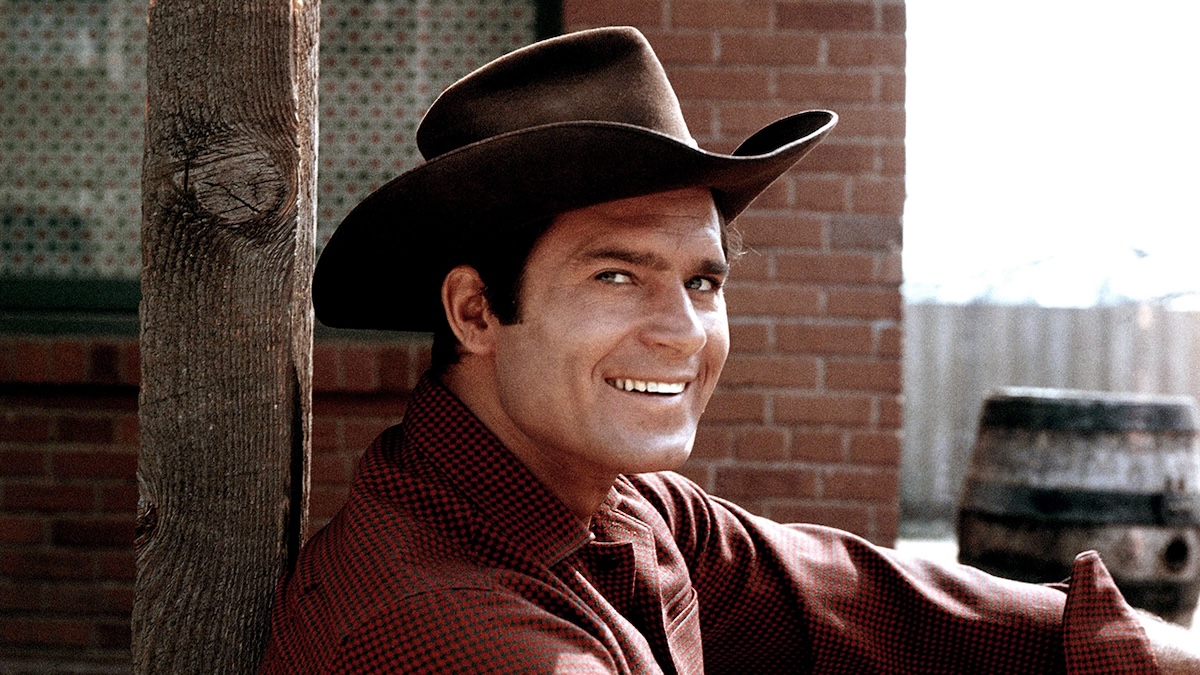
When Cheyenne first hit television screens in 1955, the West had never looked so vast — or so real. In an era when most TV Westerns were half-hour morality plays shot on cramped backlots, Cheyenne arrived like a full-fledged motion picture. Each week, Clint Walker rode across open plains and dusty towns as Cheyenne Bodie, a quiet drifter whose sense of justice defined the show as much as its gunfights.
Produced by Warner Bros. Television for ABC, Cheyenne was more than just another oater. It was a bold experiment: television’s first hour-long Western, filmed with cinematic ambition and anchored by a hero who preferred decency over violence. Walker’s Cheyenne wasn’t a man looking for trouble, but one who couldn’t ignore it when it found him.
Cheyenne was more than just another oater. It was a bold experiment: television’s first hour-long Western
Over seven seasons and more than a hundred episodes, Cheyenne helped shape the TV Western’s golden age and turned its towering star into a household name. Long before there was talk of “shared universes” or crossover events, Clint Walker’s cowboy stood at the center of a connected frontier that stretched across several Warner Bros. shows. Here are 17 facts that tell the story of how Cheyenne changed television — and why its trail still feels fresh 70 years later.
1. ‘Cheyenne’ was television’s first hour-long Western series
When Cheyenne debuted on September 20, 1955, it made television history as the first hour-long Western—and one of the first hour-long dramas of any kind—to last more than a single season. ABC took a gamble on a slower-paced, more cinematic series and viewers responded in a big way.
2. It began as part of a Warner Bros. “wheel” program

The show originally aired under Warner Bros. Presents, a rotating anthology that also featured TV versions of Casablanca and Kings Row. Each week, one of the three took the time slot. When the other two were canceled, Cheyenne rode on alone. In total, Cheyenne would run for eight seasons and 108 hour-long episodes, proving that a television Western could tell longer, more layered stories without losing audiences accustomed to the 30-minute format.
3. Cheyenne Bodie was the drifter with a conscience
Clint Walker played Cheyenne Bodie, a former Army scout turned wandering cowboy who drifted through the West after the Civil War, always searching for purpose but never far from trouble. What made him different from the countless other TV gunslingers of the 1950s was his quiet sense of fairness. He was strong enough to win any fight, yet rarely wanted one. Instead of meeting conflict with a drawn gun, Bodie relied on his calm voice and towering presence to keep the peace. His restraint became a defining trait, making him a moral anchor in a television landscape crowded with vengeance-driven heroes.

4. Warner Bros. brought movie-studio muscle to TV
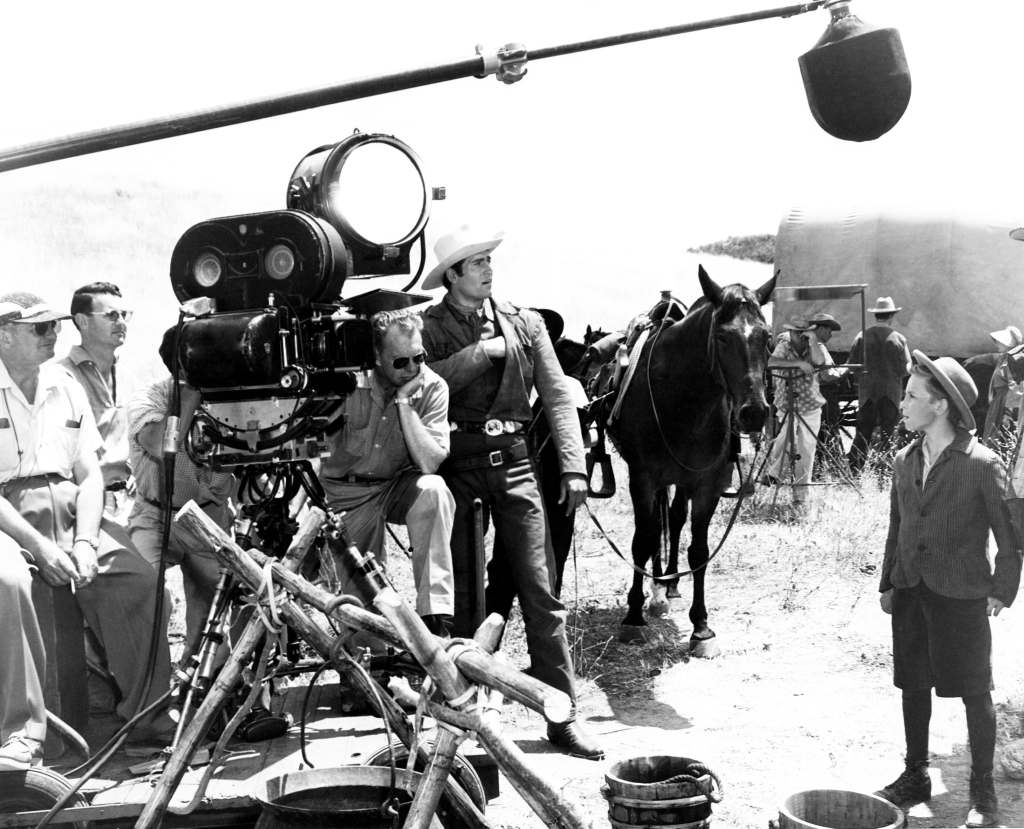
Produced by Warner Bros. Television, Cheyenne marked one of the first times a major Hollywood studio treated television as a serious medium, rather than a dumping ground for old films. At a time when most studios viewed TV as a competitor, Warner Bros. saw an opportunity. The company poured its filmmaking expertise into Cheyenne, using widescreen compositions, authentic costumes and location shooting that gave the series a cinematic sweep audiences weren’t used to seeing in their living rooms. Instead of relying on recycled B-movie footage, Warner’s created its new Western drama from the ground up. The result was a show that looked and felt bigger than television had any right to in 1955—and one that helped change how the industry viewed TV production for good.
5. The theme song “Bodie” became a Western staple
Once the show left the Warner Bros. Presents rotation, it gained its own theme song in the form of “Bodie,” written by William Lava and Stan Jones (who also penned “Ghost Riders in the Sky”). The song’s steady rhythm and sweeping horns perfectly matched Clint Walker’s measured stride.
6. Walker’s 1958 contract dispute temporarily ended the show

When Clint Walker clashed with Warner Bros. over salary and creative control, production halted for more than a year. ABC filled the slot with a new series, Bronco, starring Ty Hardin. Once the dispute was settled, Walker returned—and Cheyenne resumed, stronger than ever.
7. The character’s backstory broke the Western mold
According to early episodes, Cheyenne Bodie’s parents were killed when he was a child, only to be taken in and raised by a Cheyenne tribe—an origin story that quietly challenged the stereotypes of its day. In the 1950s, most TV Westerns portrayed Native Americans as nameless adversaries, but Cheyenne dared to take a more humane view. Because of his upbringing, Bodie understood both worlds: the settlers pushing westward and the tribes struggling to hold on to their way of life. That empathy shaped his decisions from week to week, giving the show a moral dimension rare for its time.
8. It became a ratings powerhouse
During the 1957-58 season, Cheyenne ranked #13 in the Nielsen ratings, outperforming many primetime comedies and dramas. The success convinced ABC to double down on Westerns, leading to hits like Maverick and Lawman within the Warner Bros. stable.

9. Clint Walker’s size became part of the legend
At 6′6″, Clint Walker was a physical marvel—broad-shouldered, soft-spoken and unmistakable on screen. In a genre filled with gunfighters who looked wiry and hard-edged, Walker’s Cheyenne Bodie seemed carved out of granite, yet he carried himself with quiet humility. Viewers were drawn not just to his strength but to the gentleness behind it; Bodie was the kind of man who could knock out a barroom full of troublemakers and then help them back onto their feet. That mix of brawn and compassion became his trademark, earning him the nickname “television’s gentle giant.”
Walker’s Cheyenne Bodie seemed carved out of granite, yet he carried himself with quiet humility
10. Episodes were edited into feature films overseas
Warner Bros. quickly realized that Cheyenne looked as good as many of its theatrical Westerns, so the studio did something few had tried before: it repackaged television episodes as feature films for international release. Several two-part adventures were edited together, given new titles and screened overseas, where audiences unfamiliar with American television could discover Clint Walker’s cowboy hero for the first time. In some countries, moviegoers met Cheyenne Bodie on the big screen years before the series ever aired locally.
11. Few recurring characters, one unshakeable star

Unlike ensemble Westerns, such as Gunsmoke or Bonanza, Cheyenne revolved almost entirely around its title character. The series didn’t rely on a familiar supporting cast or a fixed town to return to each week. Instead, Clint Walker carried the show on his own broad shoulders, moving from one frontier settlement to the next, meeting new faces who disappeared once his work was done. That format gave each episode the feel of a self-contained Western movie—a new moral test for a man who never stopped roaming.
12. California locations doubled for the Old West
The series was filmed on Warner Bros.’ Burbank backlot, but it also took full advantage of California’s rugged terrain to capture the mythic sweep of the Old West. Iconic locations such as Iverson Ranch in Chatsworth and Vasquez Rocks in Agua Dulce—longtime favorites of Hollywood Westerns—became the backdrop for Cheyenne Bodie’s travels. Their jagged cliffs, dusty trails and sun-baked hills gave the show a sense of scale television rarely achieved in the 1950s. For audiences tuning in from city apartments or suburban living rooms, those landscapes made Cheyenne feel like the real frontier.
13. Cheyenne Bodie rode beyond his own series

Clint Walker didn’t leave the trail when Cheyenne ended. The character crossed paths—sometimes briefly—with other Warner Bros. heroes in series like Sugarfoot, Bronco and Maverick, creating one of television’s earliest shared universes. Even decades later, Clint Walker was still introduced at Western festivals as “Cheyenne Bodie,” proof that the role never really rode off into the sunset.
Conversation
All comments are subject to our Community Guidelines. Woman's World does not endorse the opinions and views shared by our readers in our comment sections. Our comments section is a place where readers can engage in healthy, productive, lively, and respectful discussions. Offensive language, hate speech, personal attacks, and/or defamatory statements are not permitted. Advertising or spam is also prohibited.