‘Cheyenne’ Star Clint Walker Reflects on Life, Legacy and the Enduring Spirit of the Classic TV Western
More than 60 years later, Clint Walker’s words remind us why TV heroes like Cheyenne still matter

There was a time when the television Western stretched wide across living rooms every week, creating a landscape of dusty trails, clean morals and men who stood tall not because they had to, but because they ought to. While this landscape included such shows as Gunsmoke, Bonanza and Have Gun — Will Travel, towering above them all, in both stature and spirit, was Clint Walker as Cheyenne Bodie.
The Cheyenne Western TV show (1955–1963)—which you can watch this week on WEST TV—was one of television’s pioneering genre shows and the first hour-long dramatic series produced by Warner Bros. for the fledgling ABC network. The show followed the adventures of Cheyenne Bodie, a wandering former Army scout turned frontier drifter, played by the towering Clint Walker. Set against the untamed American West, each self-contained episode found Cheyenne facing outlaws, injustice and moral dilemmas as he moved from town to town. Unlike many TV cowboys of the era, Bodie wasn’t driven by revenge or greed, but rather was a gentle giant with a strong sense of fairness, a deep respect for Native Americans and an unshakable code of honor.
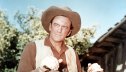
“I think he was a good man,” Walker explained in his extensive interview with the Television Academy Foundation. “He couldn’t stand to see anybody abused.” Those few words captured both the character and the actor, his having lived his own version of the cowboy creed, working jobs that broke backs, guarding nightclub doors and raising a family long before Hollywood came calling. He knew what it meant to get up early, keep your word and do the work without complaint.
Even after fame found him, Walker never lost that humility. Fans saw it, too. They wrote to him for decades—soldiers, police officers and single parents among them—all thanking him for giving them a hero who didn’t shout or swagger, but led by quiet example.
And so, for everyone who still remembers those black-and-white evenings when the opening music swelled and Cheyenne Bodie rode into another story, here are 25 true tales — straight from Clint Walker himself — about how the Cheyenne Western TV show came to life, what it stood for, and why its simple truths still ride tall after all these years.
1. Clint Walker never planned to be an actor
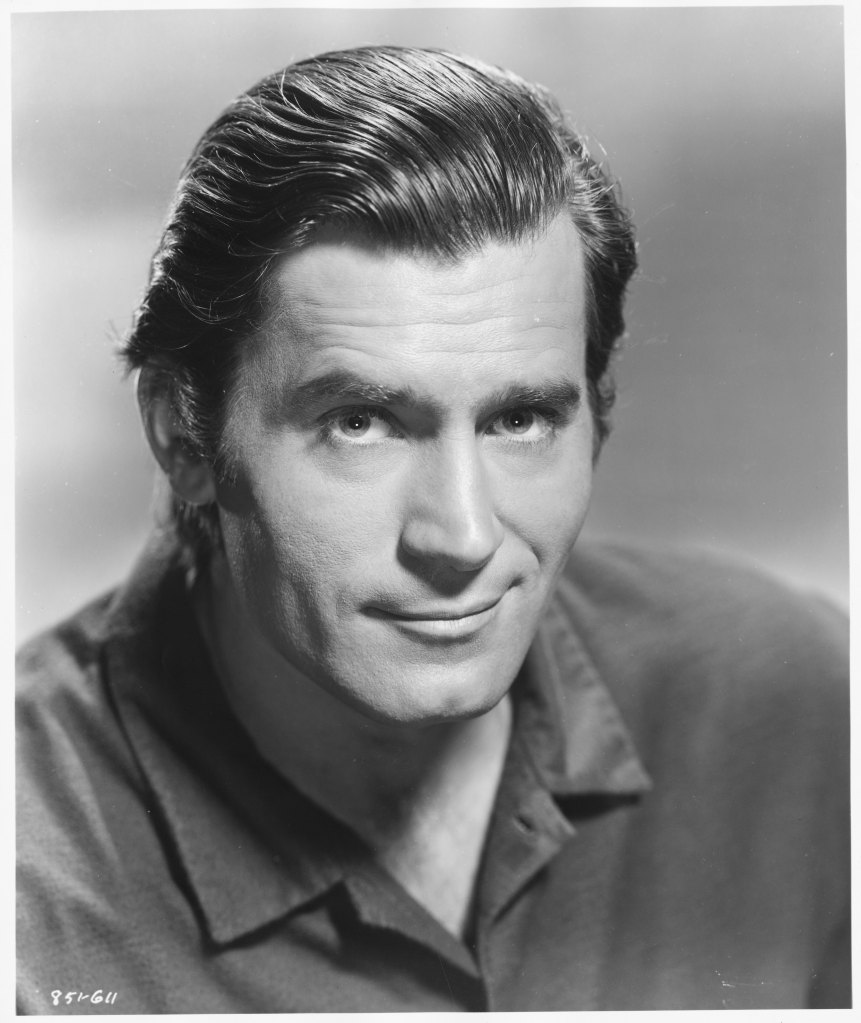
Before Hollywood, Clint Walker did just about everything else. He worked construction, painted water towers, hung steel piping and even laid sheetrock in Texas. “I made enough money there that I finally decided to leave Brownwood because of the tornadoes,” he recalled. His move to California was pure chance—his wife had a sister there, and he figured he’d prefer the warm weather. Hollywood wasn’t even on his mind; at that point, he just wanted steady work and a little peace from the storms.
Once in California, Walker bounced between jobs—literally. He worked as a carpenter, a security guard, and a nightclub bouncer in Long Beach. “I think that helped me when I finally got into doing Cheyenne, because I was used to carrying a badge and a gun,” he said. The job demanded stamina: “You couldn’t sit down, you had to keep moving.” To stay in shape, he improvised a workout using beer cans, crates and dips between boxes.
2. A chance meeting in Las Vegas changed everything
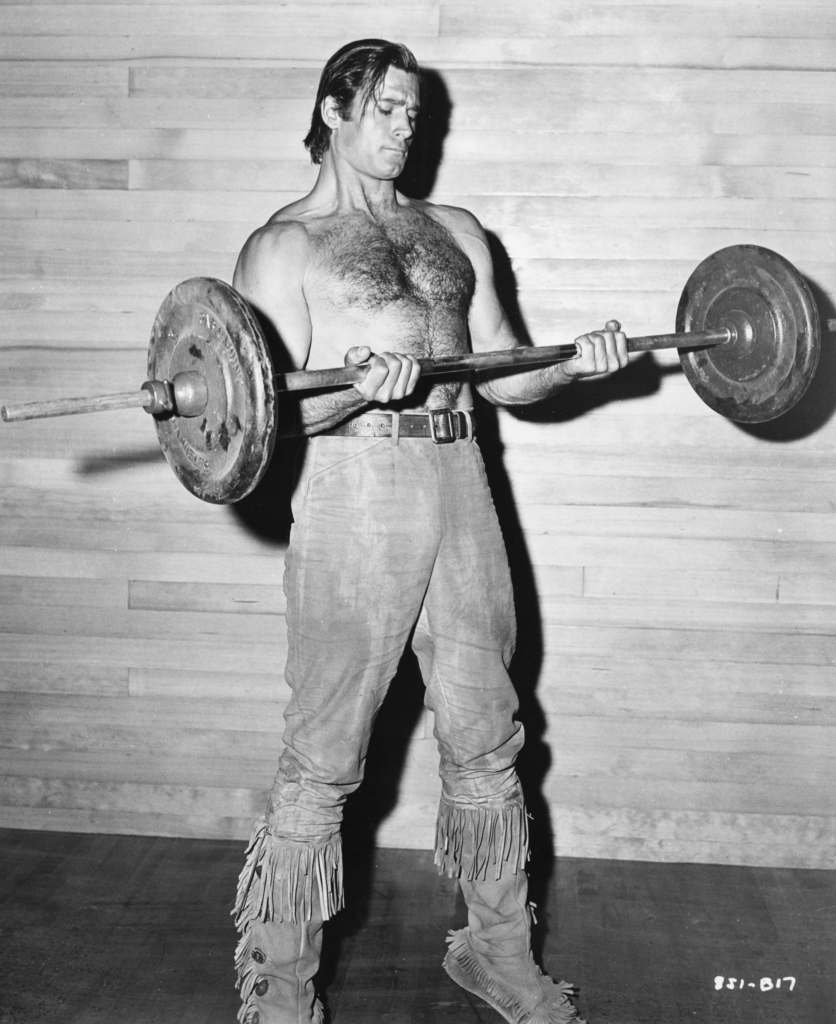
Fed up with low pay, Walker headed to Las Vegas, chasing better security work. “I remember I had 26 dollars in my pocket,” he said. By luck, he met the sheriff, who introduced him to the man running security at the new Sands Hotel. That job—guarding showrooms filled with stars—led to his big break. One night, a visiting Hollywood agent approached him: “He said one of Hollywood’s biggest agents is here tonight and he’d like to talk to you.” Though Walker wasn’t particularly excited at first, he took the card. It was the start of his path to stardom.
But before acting ever paid a dime, Walker’s income went toward survival. “I sold my Oldsmobile so I could buy the uniform and the gun,” he explained of being equipped for his security work. When he finally left Las Vegas to pursue the Hollywood opportunity, he and his wife packed up their trailer and four-year-old daughter and hit the road with little more than determination and a worn-out car. “By that time, the old Chevy had thrown a rod through the block,” he said. It was the life of a wanderer—one that fit perfectly with the cowboy image he’d later play on television.
3. Warner Bros. almost lost him to the construction trade
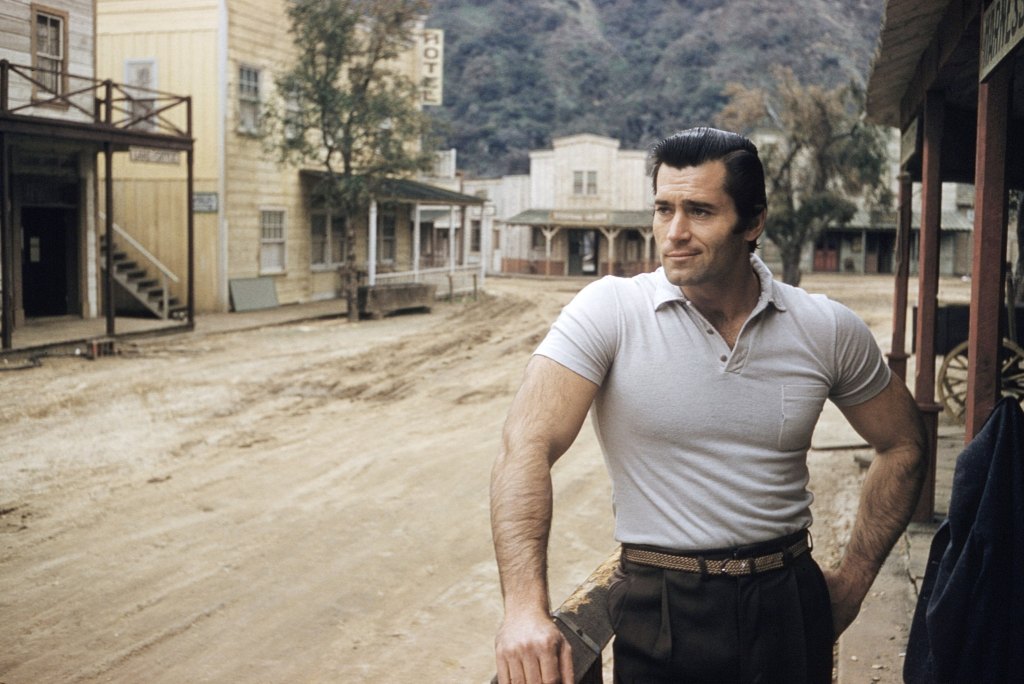
Walker’s screen test landed him under contract to producer Hal Wallis, who quickly sold the option to Warner Bros. “They told me they were going to groom me for features,” Walker remembered. But within two weeks, Warner Bros. pivoted to television, launching Cheyenne alongside TV versions of Casablanca and King’s Row. He was nervous testing opposite Hollywood veterans: “I thought, ‘I don’t stand a chance being an amateur.’” By the second day, he relaxed: “I just decided to enjoy it.” Four days later, Jack Warner watched the tests, pointed to Walker and said, “That is Cheyenne.”
4. Walker helped define what kind of man Cheyenne Bodie was
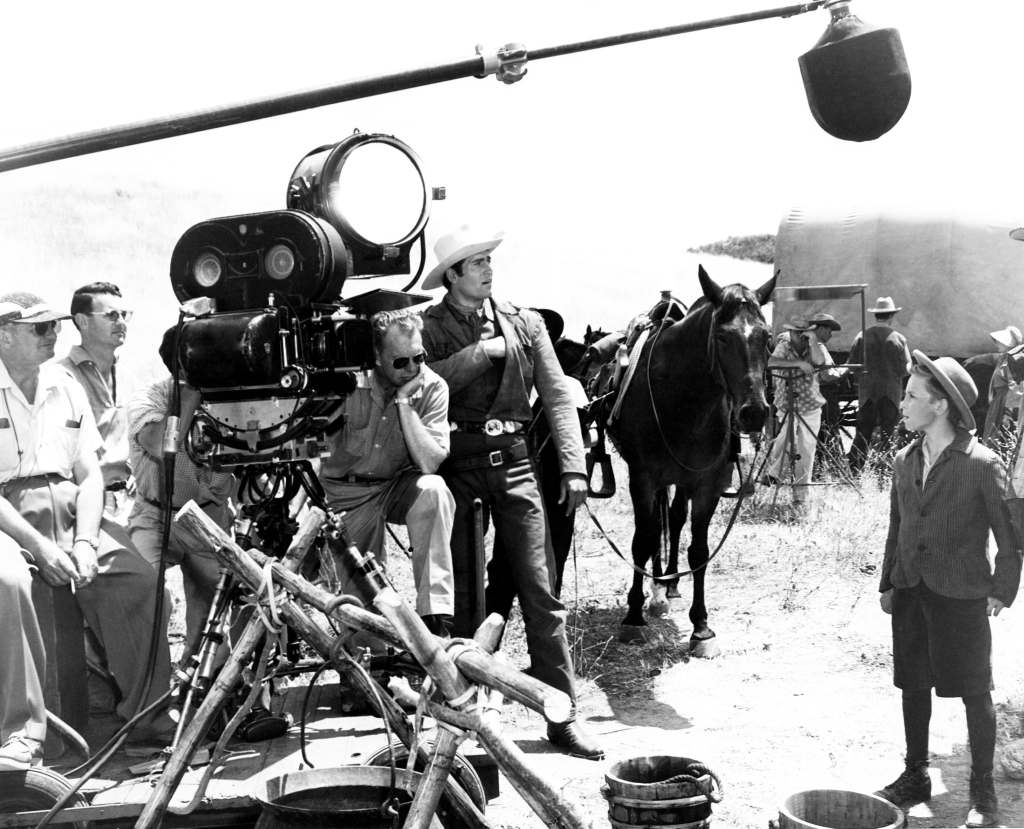
From the beginning, Clint Walker wanted Cheyenne to be more than just another tough Western hero. “He had a lot of empathy for the Indians because he’d lived with ’em and learned a lot about ’em,” he explained. “He had a strong sense of justice and he couldn’t bring himself to stand around or tolerate somebody being abused. He didn’t want money he didn’t earn.”
5. His wardrobe became iconic—and it was his idea
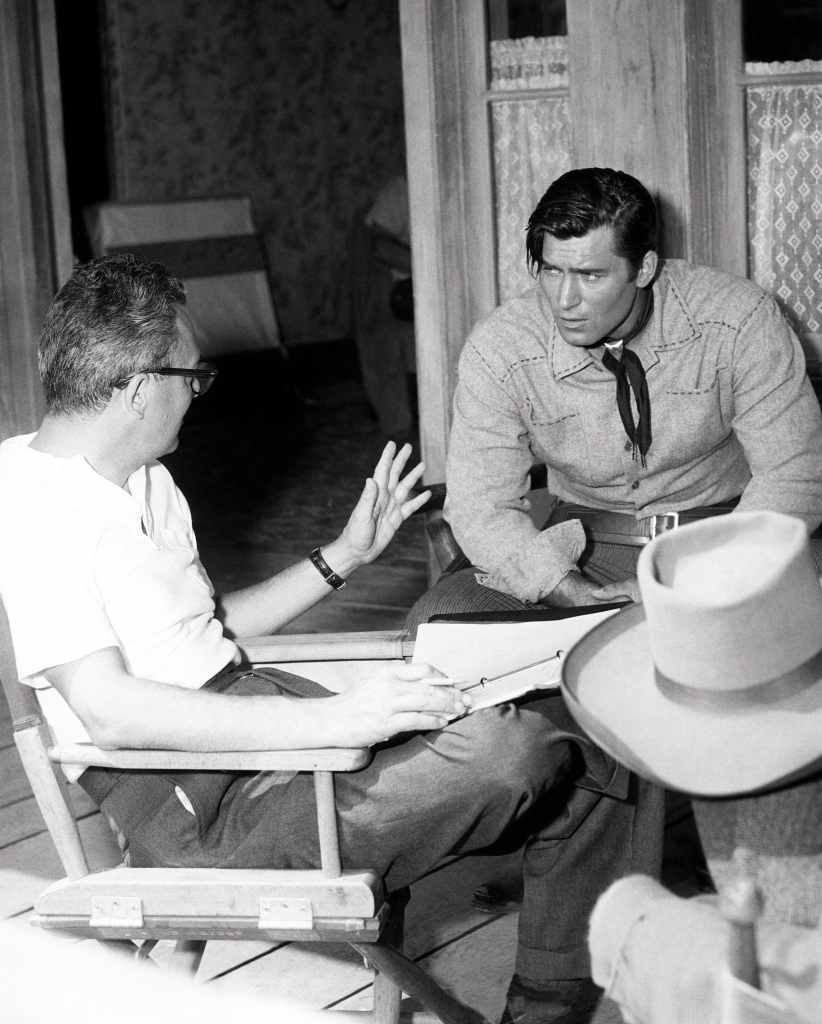
Fans came to instantly recognize Cheyenne Bodie by his distinctive outfit: the leather shirt with fringe and the brown hat adorned with arrowheads. “That was my idea,” Walker said. “It was an identifying characteristic.” While wardrobe departments changed hats or jackets from episode to episode, the arrowhead band stayed constant—an emblem of Cheyenne’s respect for Native culture and a subtle nod to his backstory of having lived among the tribes. It wasn’t just costume; it was characterization through design.
6. The success of ‘Cheyenne’ took everyone by surprise
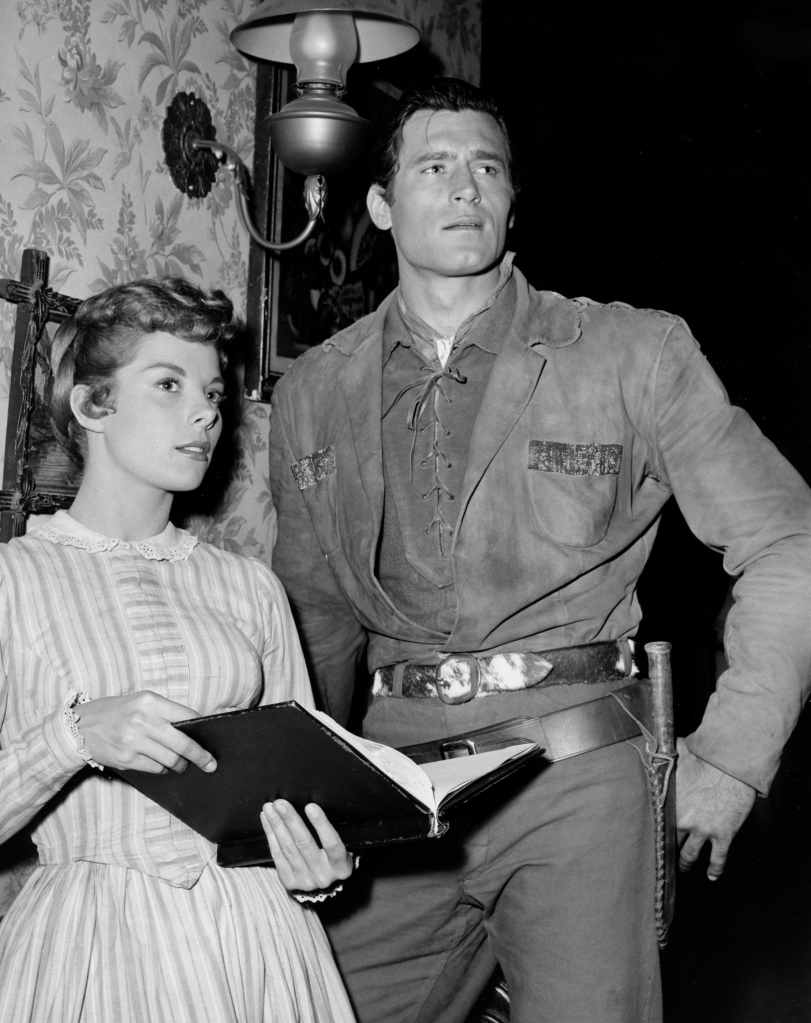
When Cheyenne premiered in 1955, Warner Bros. executives didn’t expect it to last long. “They figured the other two [series] would make it,” Walker remembered of Casablanca and King’s Row. “The Western would last one year, and that’d be the end of it.” But audiences connected immediately with the show’s mix of rugged action and decency. Walker’s quiet charisma carried the series for eight seasons, proving that television’s first hour-long Western could hold its own against the studio’s prestige projects—and even outlive them.
7. Walker did his own stunts—and often got hurt

The actor’s imposing physique made stunt doubles nearly unnecessary, and Walker took pride in doing his own rough-and-tumble work. “There were very few Cheyennes I did where I didn’t have fight scenes,” he said. “Almost every show I made, I’d lose a little blood somewhere along the line.” He collected splinters from barroom floors, suffered a bloody nose or two and even gashed his wrist on a gun hammer during a quick draw. “When you’re doing that kind of stuff, those barroom scenes—you’re hitting each other over the head with chairs and bottles made out of rock candy. You could still get cut on it.”
When production began on the pilot, Walker told the crew he wasn’t an experienced rider. The response was pure Western fatalism: “They said, ‘You’ll either be a good rider or a dead one’—and they laughed,” he recalled. His first day on location at Vasquez Rocks nearly proved them right. Told to ride through a narrow defile between towering rocks, Walker was warned to pull his legs up around the horse’s shoulders to avoid being crushed. “It’s a good thing I did,” he said. “The horse tried to ram me into the rock wall—mashed the canteen flat on the saddle.” By the end of that first season, he’d become a skilled rider and a tougher one than most real cowboys.
8. Walker clashed with Jack Warner over creative freedom
![TV producer WILLIAM T. ORR (center) surrounded by his Warners western series stars (L-R): WAYDE PRESTON [Colt .45], CLINT WALKER [Cheyenne], WILL HUTCHINS [Sugarfoot] and JAMES GARNER [Maverick], 1958](https://www.womansworld.com/wp-content/uploads/2025/10/PBDJAGA_EC010.jpg?w=1024&quality=86&strip=all)
At the height of Cheyenne’s success, Clint Walker wanted the freedom to do other films between seasons. “I didn’t ask for more money,” he said. “I probably should have, but I didn’t. I just wanted to do more features.” When he brought that request to studio boss Jack Warner, things turned tense. “He said, ‘Listen, you’re under contract to us. You’ll do what you’re told.’ And I said, ‘Well, I’ll just go gold mining for a while.’” Walker walked out, leaving Warner shouting after him down the hall. It was a bold move—especially against one of Hollywood’s toughest moguls—but it showed the same quiet stubbornness that made Cheyenne Bodie a hero to millions.

When Walker left Cheyenne, Warner Bros. quickly recast the role, bringing in actor Ty Hardin to play a new lead. But viewers wouldn’t accept anyone else. “People wouldn’t have it,” Walker recalled simply. Ratings dropped, and the network made it clear: audiences wanted Clint Walker or nothing. It was a rare moment in 1950s television when fan response directly changed a studio decision. As Walker later said, “It wasn’t about me trying to be difficult—it was about doing the kind of work I believed in.”
After Jack Warner was seriously injured in an accident during a trip to France, negotiations resumed in his absence. “He had Steve Trilling contact me,” Walker explained. “We got together and we ironed it out and I went back to work.” The deal allowed him to do fewer episodes—sixteen instead of twenty-six—and to explore other opportunities. For Walker, it was never about ego. “I liked Jack,” he said. “I always liked him.” The two men ended up on cordial terms again, a rarity in an era when studios often held actors in ironclad contracts.
9. Walker worked through illness and injury
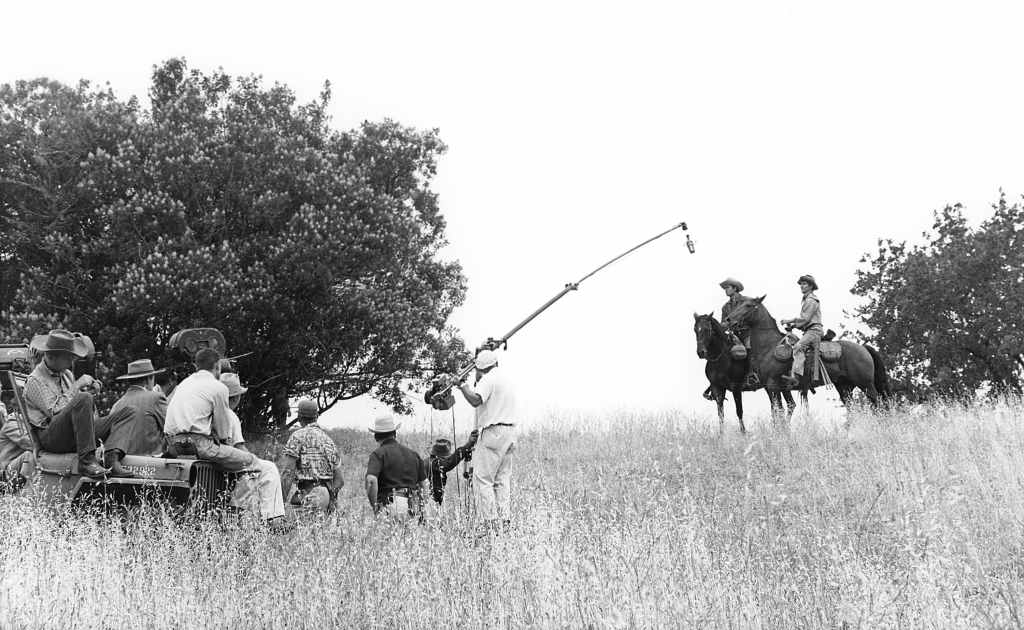
Clint Walker was known for his professionalism, even when conditions were brutal. “There were times when I was sick, but I worked,” he said. “There were times when I had the flu and I worked.” He recalled one episode involving a fight in a quicksand pit built on a Warner Bros. soundstage. “They were supposed to heat the water and they didn’t do it,” he said. “I told the director, ‘You’ve got to be kidding. This water’s freezing.’ He said, ‘Just give me 15 minutes.’ It was an hour and a half.” Barefoot and shirtless, Walker endured the shoot in icy water while the crew bundled up in coats. “That’s how we did that scene,” he said with a laugh, “and I didn’t quit.”
10. When ‘Cheyenne’ ended, he left on the best of terms
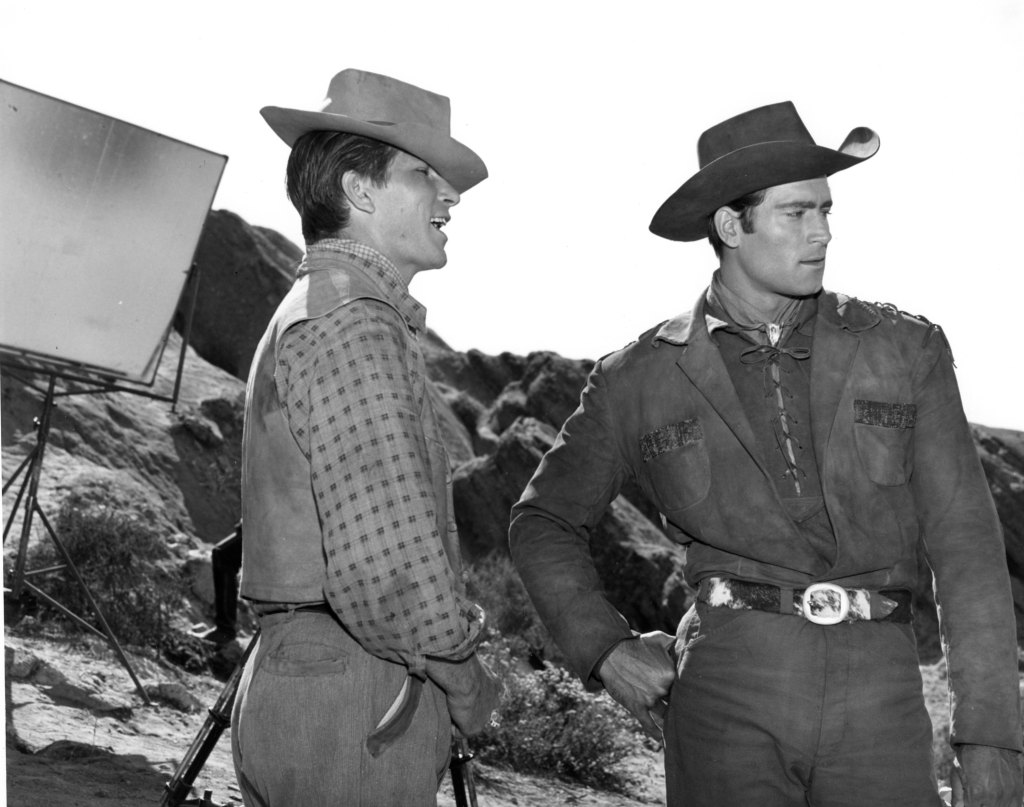
After eight years on the air, Walker decided it was time to move on. “Warner’s was like home to me,” he said. “But I wanted to get away from television for a while.” Jack Warner invited him to lunch in his private dining room and offered him either more Cheyenne episodes or a new show entirely. Walker politely declined. “I’d love to do features for you,” he told Warner. They parted as friends. “I can still see him walking down the main street at Warner Brothers with his head bowed, hands clasped behind his back. He’d see me, grin, and say, ‘Clint, my boy.’” It was a warm farewell between two men who had once battled head-to-head.
11. Walker respected the craft and the crew
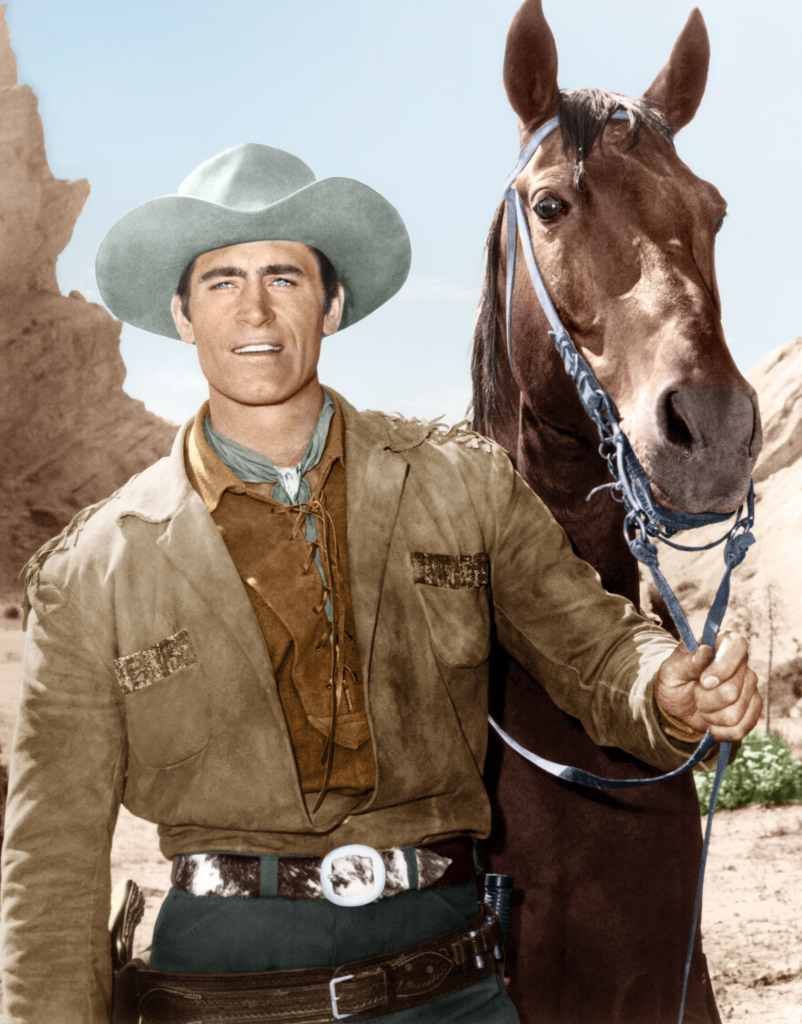
Despite his star status, Walker never acted like a prima donna on set. He admired the crews who worked long hours and often went without credit. “Television is a medium where you do a whole lot more with a whole lot less, and you do it a lot faster,” he said. He recognized the difference between TV and feature films but approached both with the same discipline. “When you do features, assuming you’ve got a good script and everything that goes with it, you’ve got a chance to do something of greater magnitude and the time to do it right.” That philosophy kept him grounded long after Cheyenne made him a household name.
“I get letters from policemen and judges and soldiers from all walks of life,” he said. “A lot of them say the same thing—they grew up watching Cheyenne and learned what a good man was supposed to be.” At conventions, he was often moved to see grown men with tears in their eyes. “They’d come up and say, ‘Cheyenne was my hero,’ and I understand how they feel,” he said. “I had my own heroes, too.”
12. He believed heroes still mattered
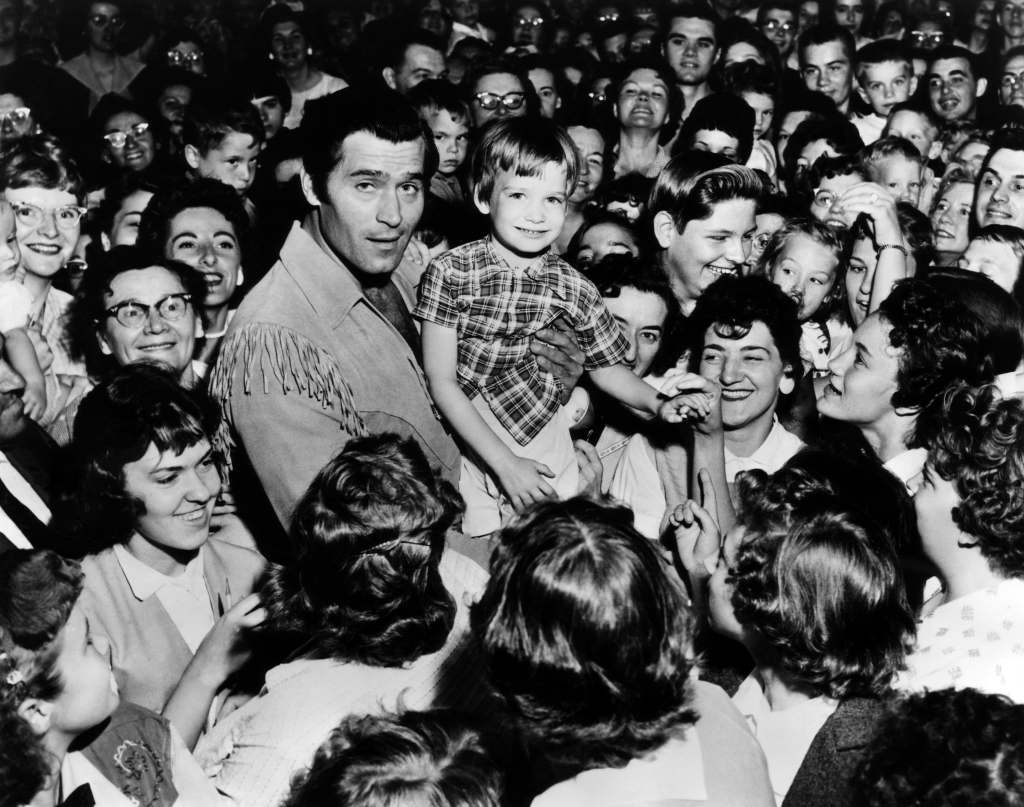
Walker often reflected on the importance of positive role models. “Heroes are important, and we don’t have enough of ’em now,” he said. “Young people, if they don’t have the right kind of guy to emulate, may have a tendency to emulate the wrong kind of guy.” That belief guided how he approached Cheyenne Bodie—not as a gunslinger, but as a moral example. “It just makes me feel good when I get these letters and gifts from people,” he said. “Some I don’t know what to do with, but the fact that they do it is a real compliment.”

Even decades after its final episode aired, Cheyenne continued to resonate. “I’ve got a stack of letters that high,” Walker said, holding his hand above his head. “People write that they didn’t have a dad growing up and I became the father figure in their life.” What touched him most was seeing the show passed down through generations. “Those people are grandparents now,” he said. “They want their grandkids to see Cheyenne because the shows were clean and family fare. They always had something of consequence to say.” That enduring love, he added, “is the thing I’m most proud of.”
13. The actor saw ‘Cheyenne’ as a moral compass, not just entertainment
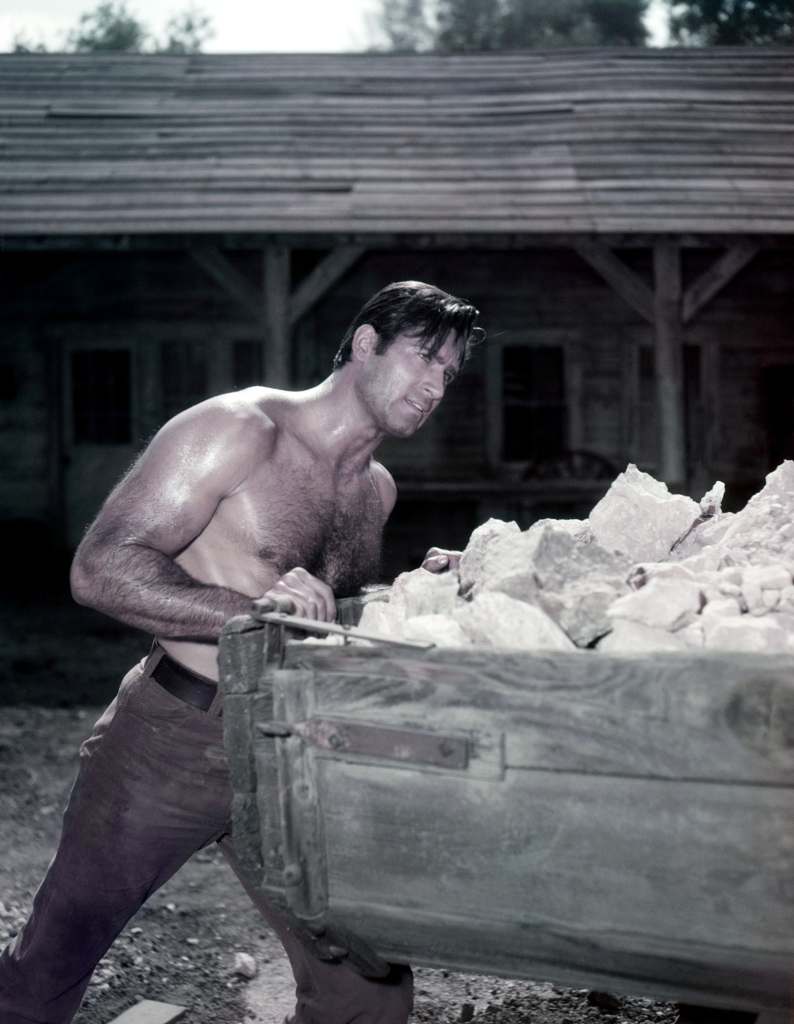
More than a Western, Walker believed the series offered something audiences needed: decency. “They were clean, they were family fare,” he said. “They always had something of consequence to say.” He took pride in playing a man who led by quiet example—a hero who stood up for the underdog and treated women, Native Americans and outsiders with dignity. In an era of television cowboys, Cheyenne Bodie stood apart not because he was the toughest, but because he was the most humane. “He was honest,” Walker said simply. “He had a strong sense of right and wrong.”
14. He knew how he wanted to be remembered
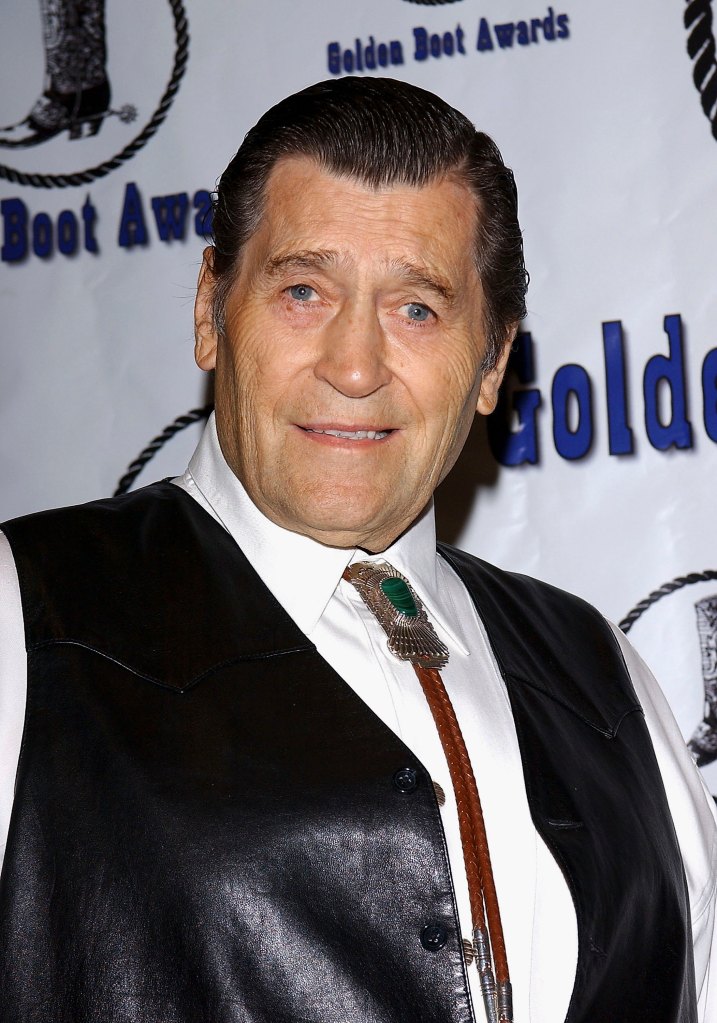
When asked late in life how he’d like to be remembered, Clint Walker’s answer was modest and sincere. “For folks to remember me as a good guy,” he said. “That’s what I’d like.” It wasn’t about stardom, money, or fame—it was about being part of something that mattered to people.” Cheyenne gave him that, and he gave the audience a hero they could believe in. “Heroes are important,” he said. Sixty years later, his words still hold true—and for countless fans, Cheyenne Bodie remains the embodiment of the kind of strength that never ages.
Conversation
All comments are subject to our Community Guidelines. Woman's World does not endorse the opinions and views shared by our readers in our comment sections. Our comments section is a place where readers can engage in healthy, productive, lively, and respectful discussions. Offensive language, hate speech, personal attacks, and/or defamatory statements are not permitted. Advertising or spam is also prohibited.