The Classic Western That Made Steve McQueen a Star is 65: Inside its Scandals and Legacy
This unforgettable film premiered on October 12, 1960—and still rides high

It’s been 65 years since The Magnificent Seven first rode into theaters in 1960, and the film still stands tall as one of Hollywood’s great Westerns. Adapted from Akira Kurosawa’s Seven Samurai and directed by John Sturges, it took a familiar story—a band of hired gunfighters protecting a poor Mexican village—and turned it into something uniquely American. The combination of grit, nobility and pure star power made it unforgettable.
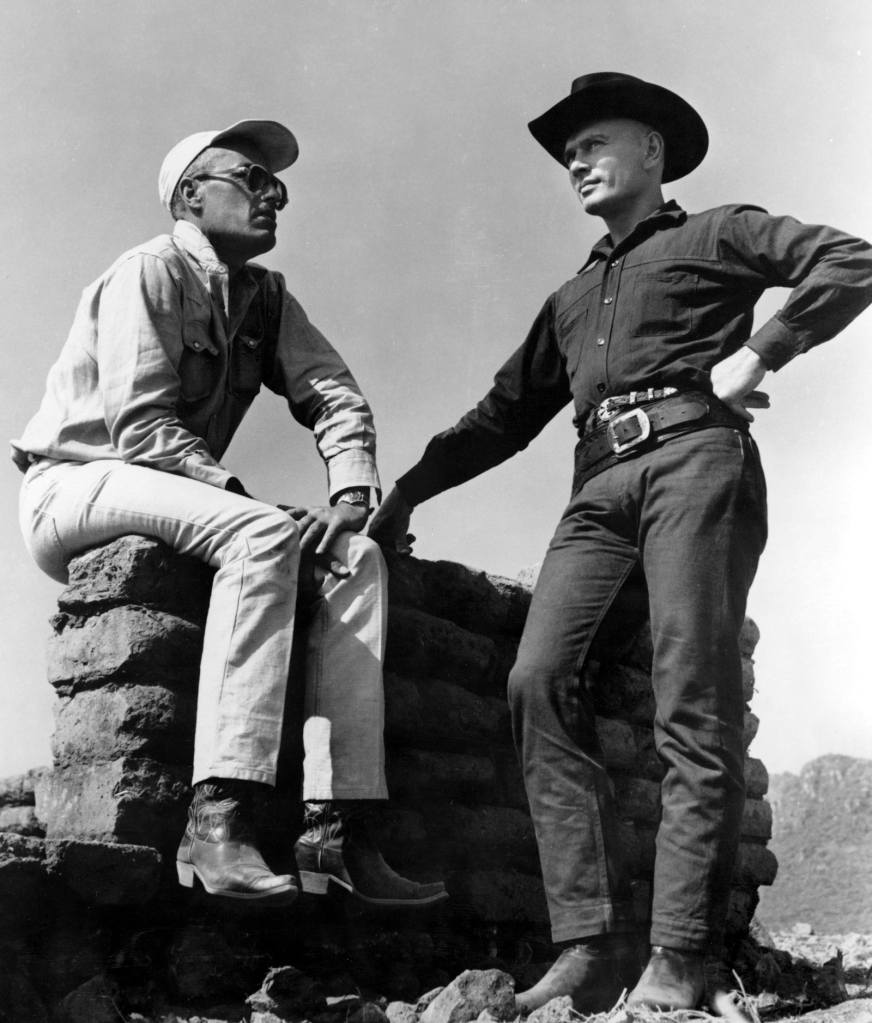
Yul Brynner’s calm authority as Chris Adams anchored the film, but he was surrounded by one of the most magnetic ensembles ever assembled. Steve McQueen, on the brink of superstardom, brought a restless energy that made his every movement impossible to ignore. Charles Bronson, James Coburn, Robert Vaughn, Brad Dexter and Horst Buchholz rounded out the seven, each one bringing distinct elements. Together, they created a portrait of heroism that became more than what much of the genre had previously offered.
Beyond the gunfights or the legendary Elmer Bernstein score, what made The Magnificent Seven so special was the chemistry among these actors. More than guns for hire; they were men searching for purpose, redemption or simply a fair fight in a world that had left them behind.
In the decades since, its influence has been felt in everything from The Wild Bunch to the Star Wars series The Mandalorian. But it all started with this original group of flawed heroes, a collection of screen icons whose careers would take them from Dodge City to outer space and from Broadway stages to Oscar podiums.
As we celebrate the film’s 65th anniversary, here’s a look back at each member of The Magnificent Seven—the men behind the myth, their stories on-screen and off, and the legacy they left in the dust of the Old West.
Quick facts about ‘The Magnificent Seven’
- When was The Magnificent Seven released? The classic Western premiered on October 12, 1960.
- Who directed The Magnificent Seven? John Sturges directed the film, adapting it from Akira Kurosawa’s Seven Samurai.
- Who played Chris Adams in The Magnificent Seven? Yul Brynner starred as Chris Adams, the calm and commanding leader of the seven gunfighters.
- Which actor became a star after The Magnificent Seven? Steve McQueen’s role as Vin Tanner helped launch him into Hollywood superstardom.
- Who composed the score for The Magnificent Seven? Elmer Bernstein created the iconic, Oscar-nominated score that became one of cinema’s most recognizable themes.
- Where was The Magnificent Seven filmed? Most of the film was shot in Mexico, near Cuernavaca and Tepoztlán.
- How many sequels did The Magnificent Seven have? The original film spawned three sequels: Return of the Seven (1966), Guns of the Magnificent Seven (1969) and The Magnificent Seven Ride! (1972) as well as a 2016 remake.
- Did Yul Brynner appear in any of the sequels? Yes, Brynner reprised his role as Chris Adams in Return of the Seven (1966).
- How old is The Magnificent Seven in 2025? The film celebrates its 65th anniversary in 2025.
Meet the cast of ‘The Magnificent Seven’
Yul Brynner (Chris Adams)
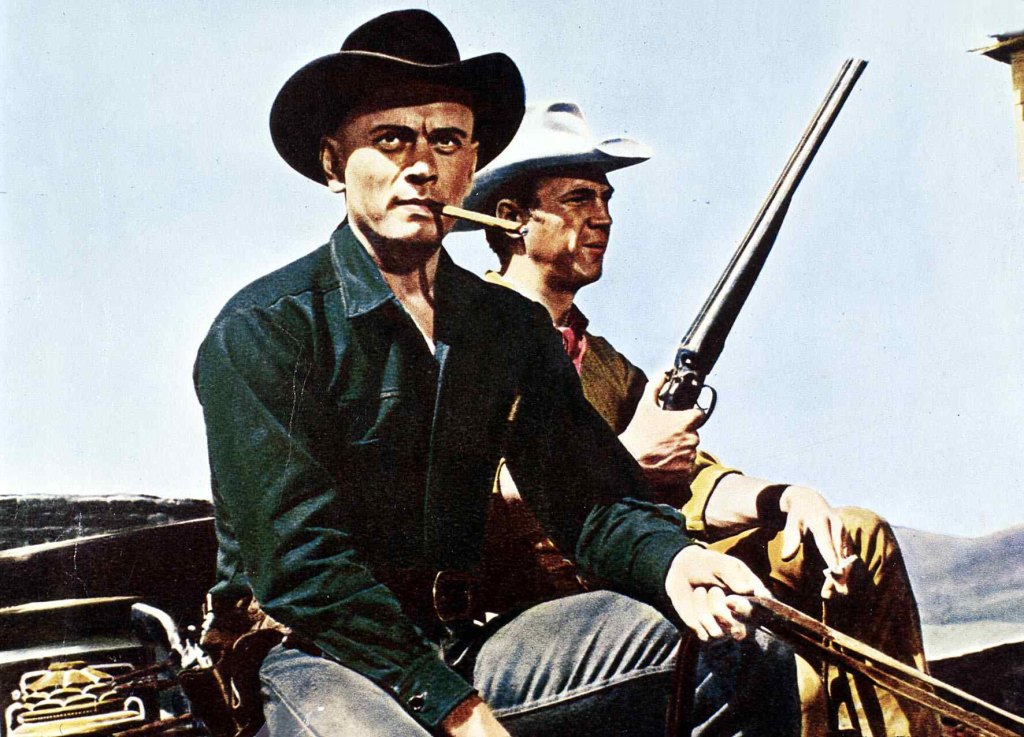
Character: Chris Adams is the calm but commanding leader of the titular seven gunfighters hired to defend a small Mexican village from a band of marauding outlaws. Clad in black and exuding authority, he sets the moral and emotional tone of the group and stands as a professional gunman with a conscience and a quiet sense of justice.
Actor biography: Born Yuliy Borisovich Bryner on July 11, 1920, in Vladivostok, Russia, Yul Brynner’s path to Hollywood was as distinctive as his screen presence. After leaving Russia as a child, he lived in China and France before arriving in the United States, where he found work as a model, translator and stage performer. His breakthrough came on Broadway in 1951 with the role of the King of Siam in Rodgers and Hammerstein’s The King and I, a part that would define his career. Brynner’s shaved head—originally for the role—became his trademark look, cementing his image as one of the most recognizable actors of the 1950s. His performance in the 1956 film adaptation earned him an Academy Award for Best Actor.
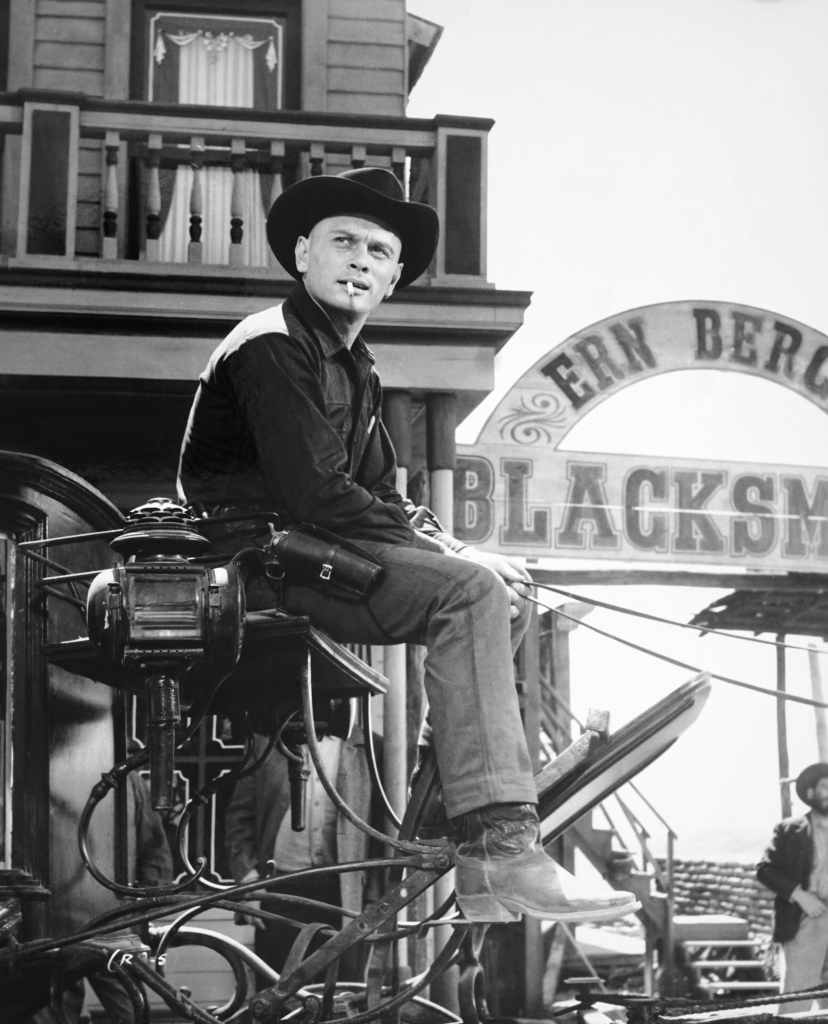
In The Magnificent Seven (1960), Brynner brought gravitas and cool intensity to the role of Chris Adams, setting the standard for the noble gunfighter archetype in American cinema. He reprised the character in the 1966 sequel Return of the Seven and continued to headline major films throughout the decade, including The Ten Commandments, Anastasia and Westworld (1973), where he played another unforgettable role—the lethal Gunslinger android that anticipated modern science fiction.
Personal life: Brynner was married four times—to actresses Virginia Gilmore and Kathy Lee, among others—and had five children, including his son Rock Brynner, who became a writer and historian. A lifelong smoker, he was diagnosed with lung cancer in 1983 and died on October 10, 1985, in New York City at the age of 65.
Steve McQueen (Vin Tanner)
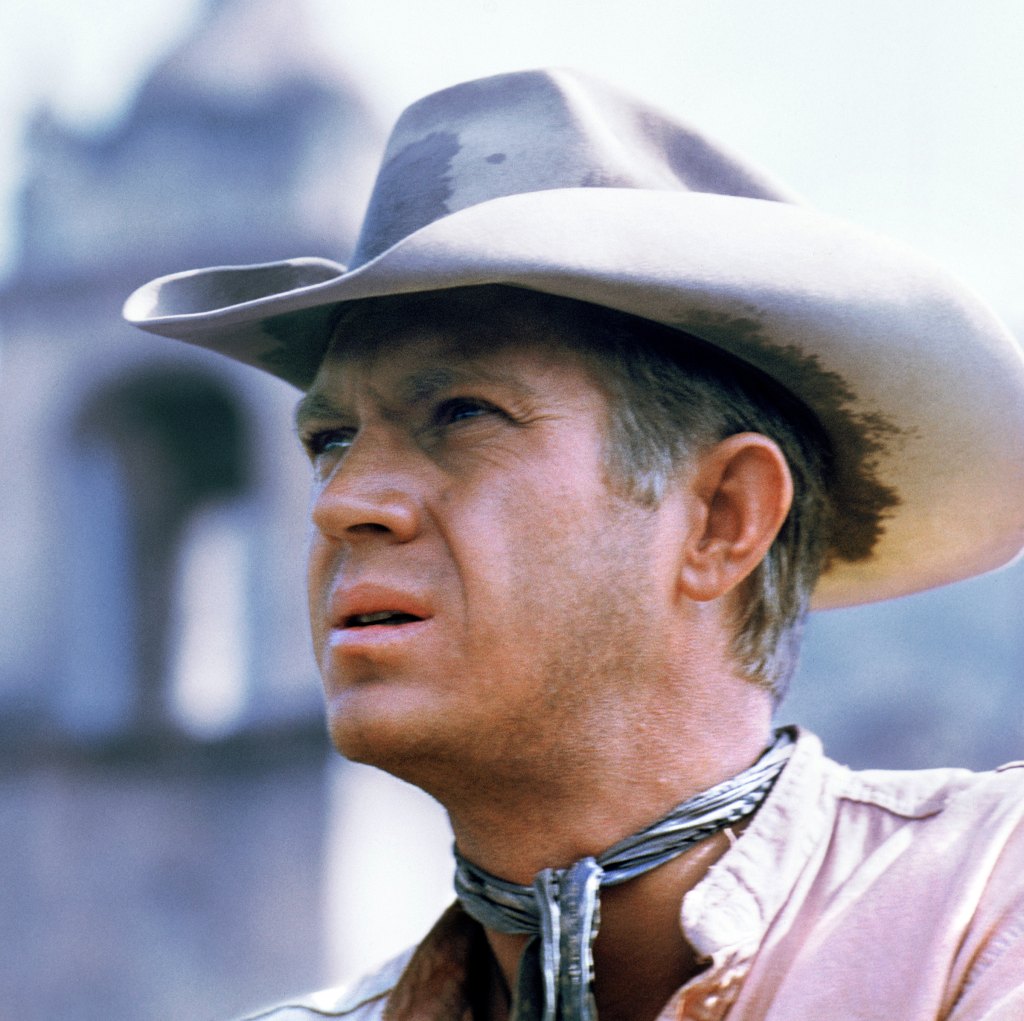
Character: Vin Tanner is a drifting, sharp-witted gunslinger who joins Chris Adams’ band of mercenaries out of both camaraderie and necessity. Though he hides his insecurities beneath a confident exterior, Vin’s loyalty, dry humor and quiet courage make him one of the film’s most relatable heroes. His quick draw and resourcefulness in the heat of battle helped define the modern antihero.
Actor biography: Born Terrence Stephen McQueen on March 24, 1930, in Beech Grove, Indiana, Steve McQueen rose from a turbulent childhood to become one of Hollywood’s most iconic stars. After a troubled youth and a stint in reform school, he joined the U.S. Marine Corps, then used the G.I. Bill to study acting in New York. McQueen’s early television success came with Wanted: Dead or Alive (1958–1961), where his cool demeanor and quiet toughness won him a devoted following.
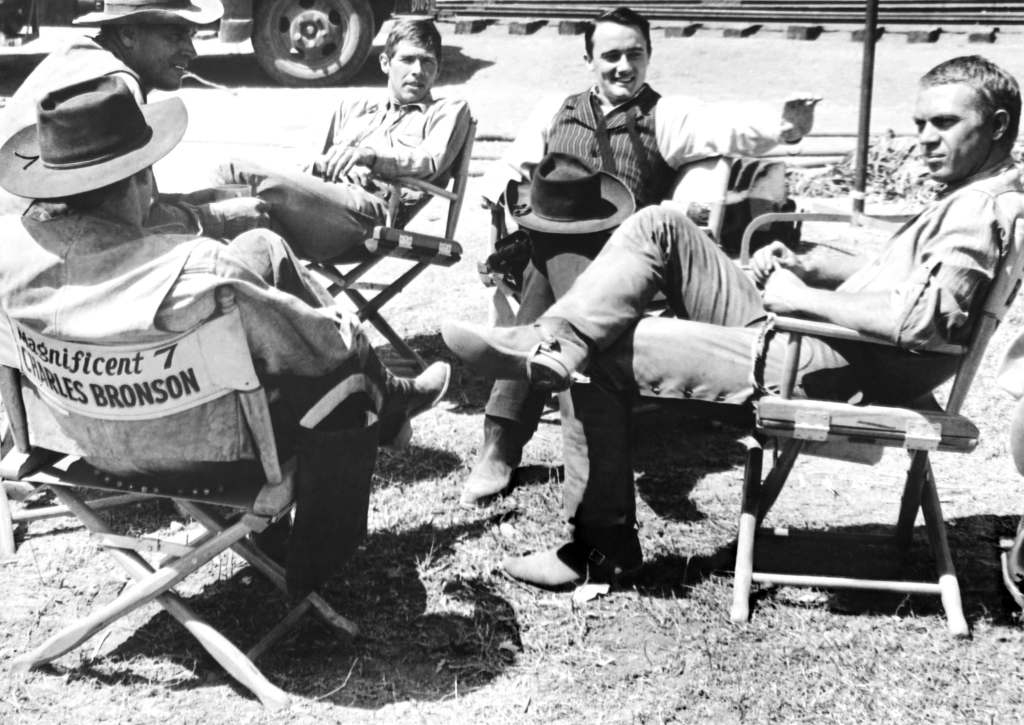
The Magnificent Seven marked McQueen’s breakthrough into motion pictures, pairing him with Yul Brynner in what became one of cinema’s most dynamic ensembles. Though tension reportedly existed between the two over screen time, McQueen’s understated style and instinctive charisma made him a standout. He went on to become the ultimate movie star of the 1960s and early 1970s, headlining a string of hits that included The Great Escape (1963), The Cincinnati Kid (1965), Bullitt (1968), The Thomas Crown Affair (1968), The Getaway (1972) and The Towering Inferno (1974). Known as “The King of Cool,” McQueen’s combination of toughness and vulnerability influenced generations of actors and filmmakers.
Personal life: McQueen married three times—most famously to actress Ali MacGraw, whom he met while filming The Getaway. He had two children, Chad and Terry, from his first marriage to Neile Adams. A passionate race car and motorcycle enthusiast, McQueen lived life at full throttle both on and off-screen. In 1979, he was diagnosed with mesothelioma, a rare form of cancer linked to asbestos exposure. He died on November 7, 1980, in Ciudad Juárez, Mexico, at age 50. Despite his brief life, his legacy as Hollywood’s quintessential rebel and antihero endures undiminished.
Charles Bronson (Bernardo O’Reilly)
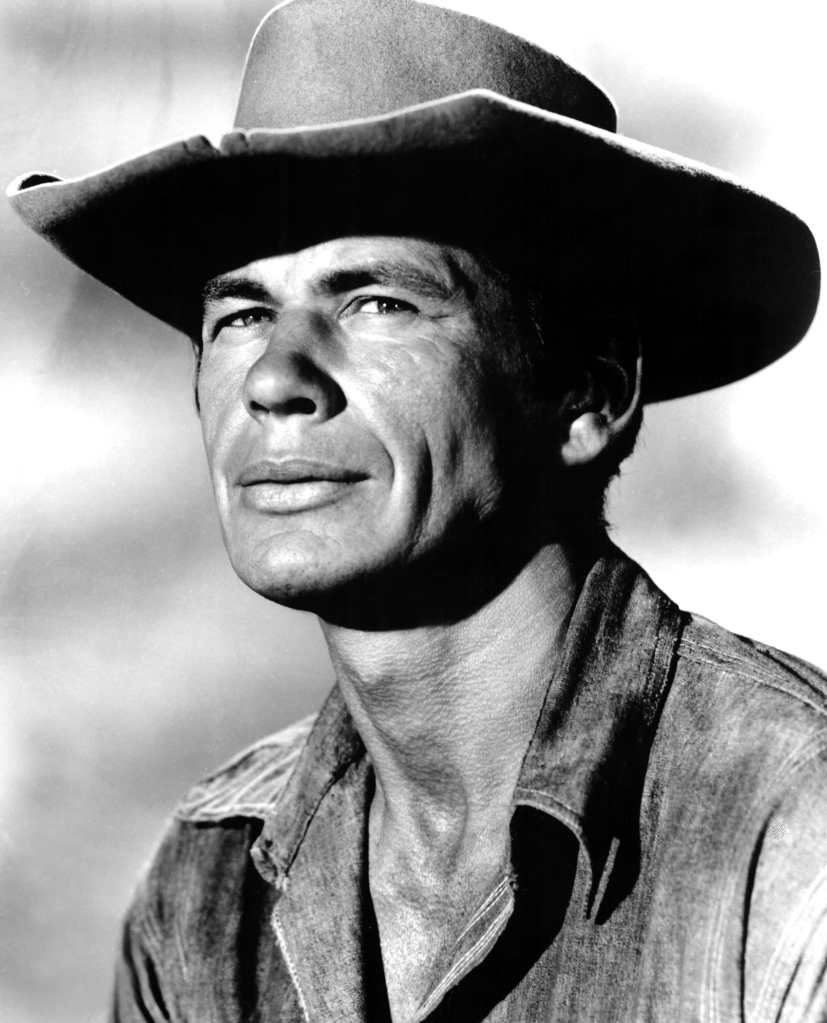
Character: Bernardo O’Reilly is a battle-worn gunfighter of Irish and Mexican descent, one of the seven hired to defend the besieged Mexican village. Though weary from years of fighting, Bernardo shows a deep humanity, forming a touching bond with the village’s children who see him as a hero. His humility and protective instinct give The Magnificent Seven some of its most heartfelt moments.
Actor biography: Born Charles Dennis Buchinsky on November 3, 1921, in Ehrenfeld, Pennsylvania, Charles Bronson rose from extreme poverty as the eleventh of 15 children in a Lithuanian-American coal mining family. He worked in the mines himself before serving as an aerial gunner during World War II, earning a Purple Heart. After the war, Bronson used the G.I. Bill to study art and later turned to acting, training under the G.I. Bill-funded Pasadena Playhouse. His rugged looks, stoic presence and quiet intensity soon caught Hollywood’s attention.
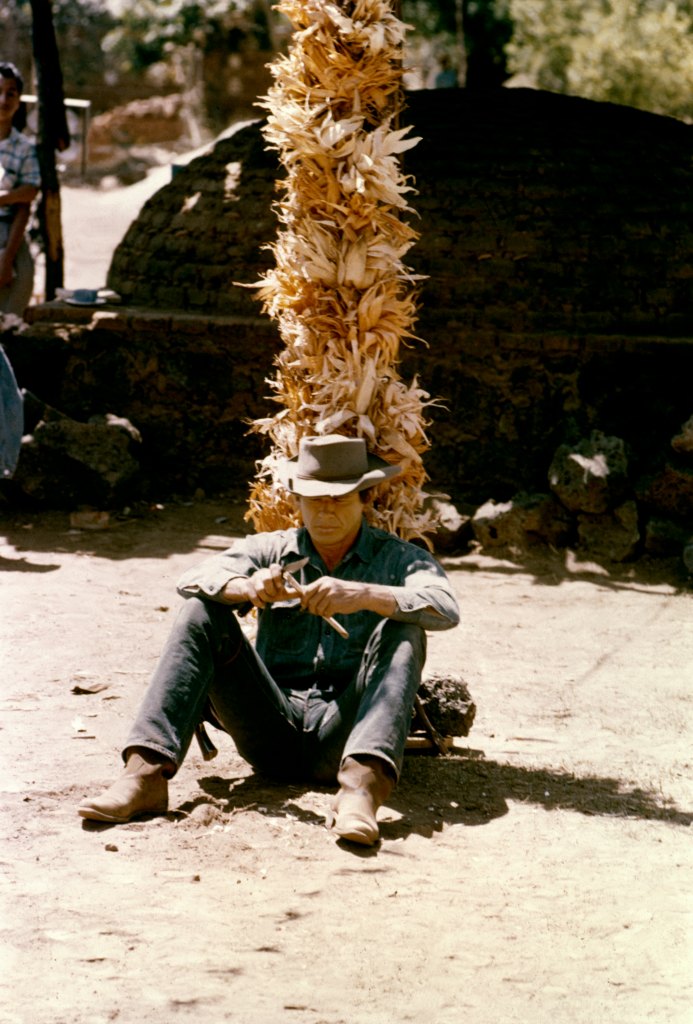
By the late 1950s, Bronson had carved out a niche as a reliable character actor in films such as House of Wax (1953), Jubal (1956), and Machine-Gun Kelly (1958). The Magnificent Seven (1960) was his breakout ensemble role, showcasing the emotional depth beneath his tough exterior. His understated strength made him a fan favorite among audiences and peers alike. Bronson went on to star in some of the era’s most popular action and war films, including The Great Escape (1963), The Dirty Dozen (1967) and Sergio Leone’s Once Upon a Time in the West (1968). In the 1970s, he became an international box-office sensation with films like Death Wish (1974) and its sequels, which established him as a global symbol of justice and vengeance.
Personal life: Bronson married three times, most notably to British actress Jill Ireland, with whom he shared one of Hollywood’s enduring love stories until she died in 1990. He had six children and maintained a private home life despite his tough-guy image. Bronson’s later years were marked by declining health and Alzheimer’s disease. He died on August 30, 2003, in Los Angeles, California, at the age of 81.
James Coburn (Britt)
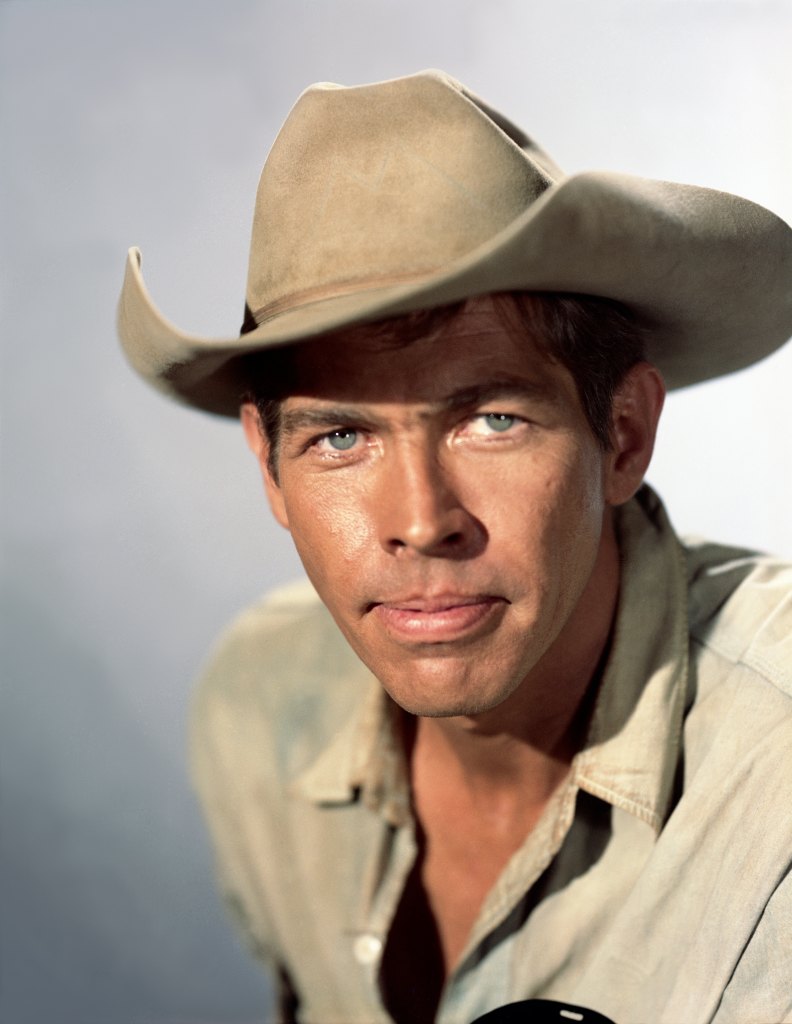
Character: Britt is the cool, laconic knife-thrower of The Magnificent Seven, whose quiet confidence and lightning-fast reflexes make him one of the deadliest members of the group. A man of few words and steady nerves, Britt is respected by his comrades for his skill and composure, most memorably displayed in his quick-draw contest with a boastful gunslinger.
Actor biography: James Coburn was born on August 31, 1928, in Laurel, Nebraska, and raised in Compton, California. After serving in the U.S. Army during World War II, he studied acting at Los Angeles City College and the University of Southern California, later honing his craft at Jeff Corey’s Actors Lab. Coburn began his career in television during the 1950s, appearing in Westerns such as Bonanza, The Rifleman, and Wagon Train. His lean, rugged looks and easy charisma made him a natural fit for the genre.

His film breakthrough came with The Magnificent Seven (1960), where his understated performance as the deadly knife expert made a lasting impression despite relatively few lines of dialogue. Coburn’s effortless cool and physical grace carried over into The Great Escape (1963) and Charade (1963), and by the mid-1960s, he had become one of Hollywood’s most distinctive leading men. He headlined the spy spoof Our Man Flint (1966) and its sequel, In Like Flint (1967), before taking on more complex roles in Pat Garrett and Billy the Kid (1973), The Last of Sheila (1973) and Cross of Iron (1977). His long career was capped by a late triumph with an Academy Award for Best Supporting Actor for Affliction (1998).
Personal life: Coburn married twice—first to Beverly Kelly (1959–1979) and later to British-born actress Paula Murad (1993–2002). He had two children, including son James H. Coburn IV, a sound mixer. A lifelong advocate of health and fitness, Coburn suffered from severe rheumatoid arthritis for much of his life but continued working into his seventies. He died suddenly of a heart attack on November 18, 2002, at the age of 74.
Robert Vaughn (Lee)
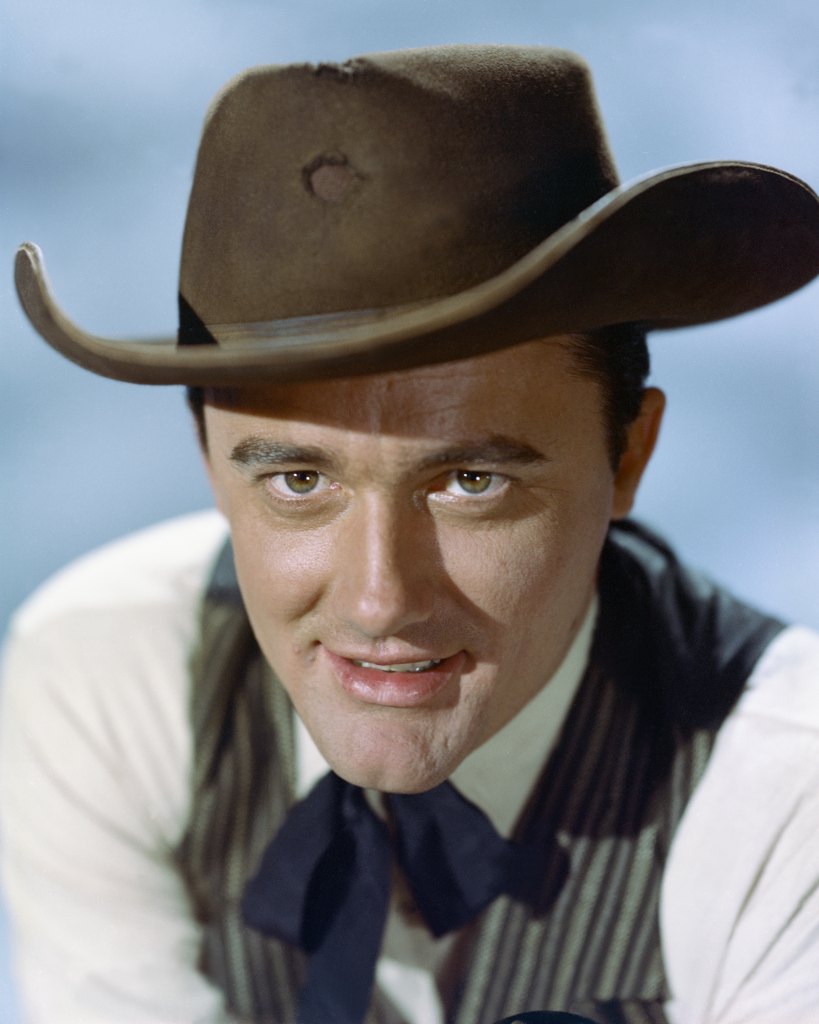
Character: Lee is the most refined of the seven gunfighters, a well-dressed, once-celebrated gunman haunted by his fading nerve and disillusionment with the life he’s chosen. Though struggling with fear and self-doubt, he redeems himself during the climactic battle, reclaiming his courage in one of the film’s most poignant character arcs.
Actor biography: Robert Vaughn was born on November 22, 1932, in New York City to show business parents—his mother a stage actress and his father a radio actor. After earning a master’s degree in theater from Los Angeles City College and studying at USC, Vaughn began landing television roles in the 1950s. His striking good looks and polished manner made him equally suited to Westerns, dramas and espionage thrillers. The Magnificent Seven (1960) provided one of his earliest standout film roles, where his nuanced portrayal of Lee added a layer of vulnerability to the otherwise stoic ensemble.
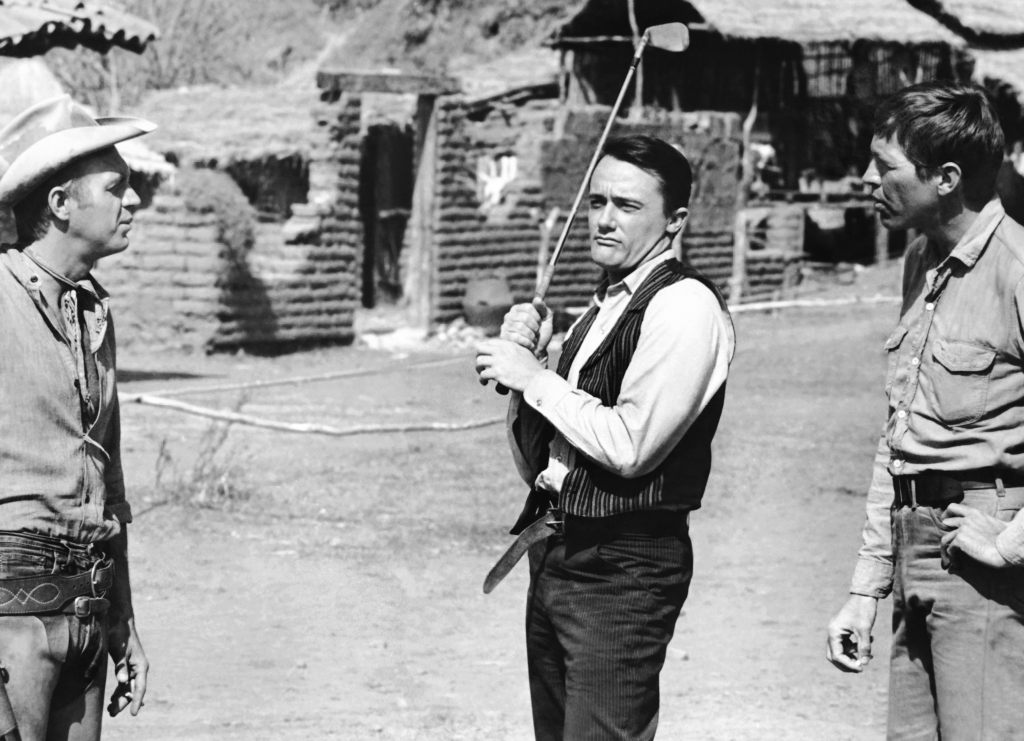
Vaughn’s star rose further with an Academy Award nomination for The Young Philadelphians (1959), and he soon became a household name as the dashing Napoleon Solo in the hit TV series The Man from U.N.C.L.E. (1964–1968), which made him a global pop-culture icon. He later appeared in the political drama Bullitt (1968) opposite Steve McQueen and earned acclaim for his stage work, scholarly pursuits and political activism—he even earned a Ph.D. in communications from USC. A prolific performer, Vaughn’s career spanned six decades, with notable later appearances in Superman III (1983) and the British series Hustle.
Personal life: Vaughn married British actress Linda Staab in 1974, and the two adopted a son and a daughter. Known for his intelligence, dry wit and strong social conscience, he was a longtime supporter of liberal causes and an outspoken critic of the Vietnam War. Robert Vaughn died on November 11, 2016, in Ridgefield, Connecticut, from acute leukemia, just shy of his 84th birthday.
Brad Dexter (Harry Luck)
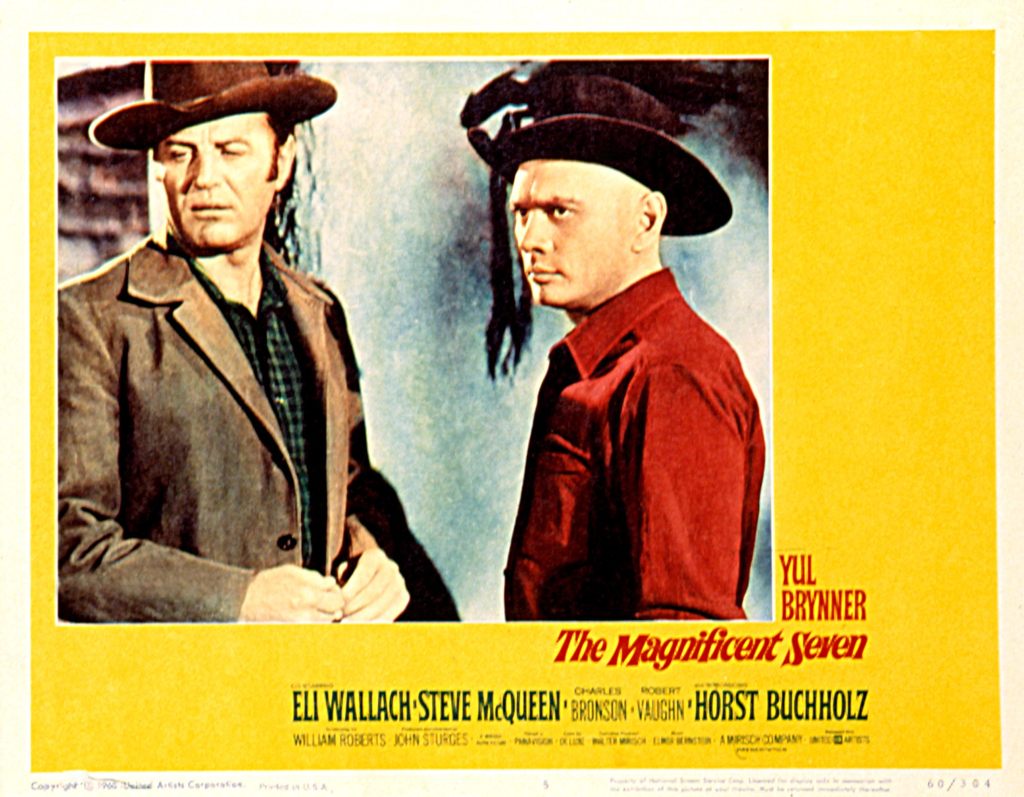
Character: Harry Luck is the pragmatic, self-assured gunfighter who rides with Chris Adams not for glory or principle, but because he’s convinced there’s hidden profit in the venture. A loyal friend but a relentless opportunist, Harry brings humor and skepticism to the group, serving as a foil to the more idealistic members of the Seven.
Actor biography: Brad Dexter was born Boris Milanovich on April 9, 1917, in Goldfield, Nevada, the son of Serbian immigrants. After studying acting at the Pasadena Playhouse, he began his career under his birth name before adopting the more Hollywood-friendly “Brad Dexter.” He spent the early part of his career playing small roles in crime films and Westerns before earning wider recognition in The Asphalt Jungle (1950) and Run for Cover (1955).
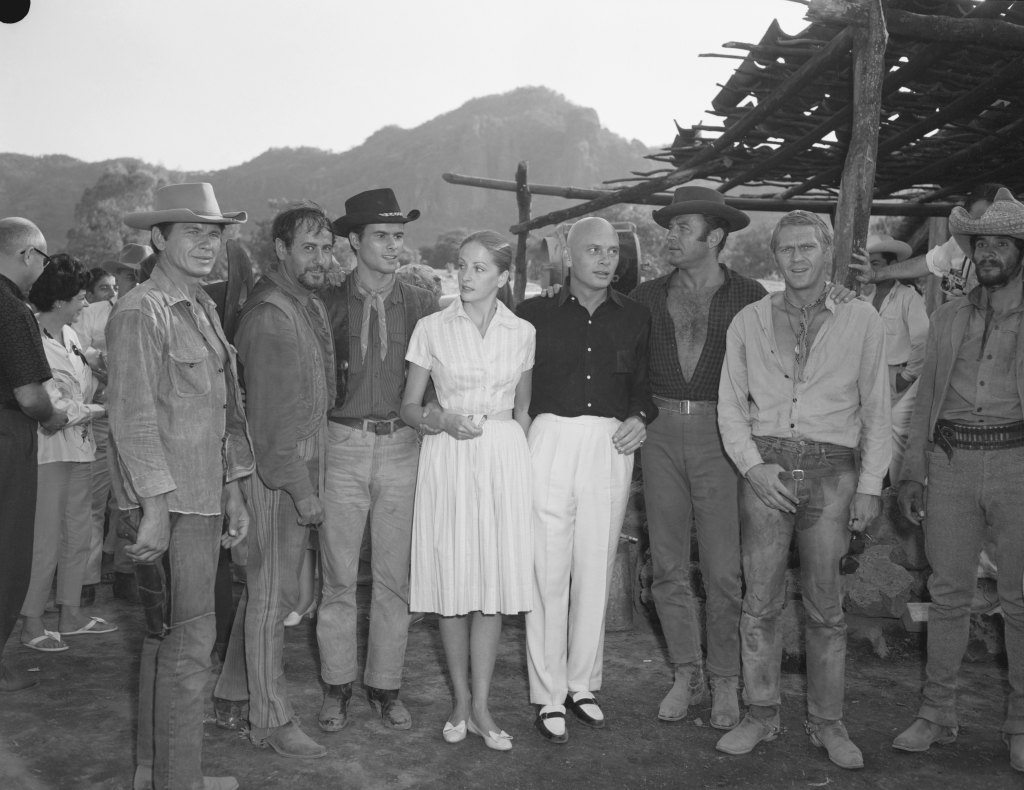
His big break came with The Magnificent Seven (1960), where his turn as the profit-hunting Harry Luck brought a sardonic edge to the ensemble. Though not as famous as co-stars Yul Brynner or Steve McQueen, Dexter’s natural toughness and sharp timing made him a memorable presence. He continued to work steadily throughout the 1960s and ’70s in films such as House of Bamboo (1955), Kings of the Sun (1963), The Sand Pebbles (1966) and Will Penny (1968), as well as guest appearances on series like Bonanza, The Rifleman, and Perry Mason. Later in life, Dexter transitioned to producing and behind-the-scenes work.
Personal life: Off-screen, Brad Dexter may be best remembered for saving Frank Sinatra from drowning during a 1964 Hawaiian film shoot—a real-life act of heroism that earned him Sinatra’s lifelong gratitude and a brief position at Sinatra Enterprises. Dexter married three times, including a short-lived union with singer Peggy Lee in 1953. He had no children. Brad Dexter passed away on December 11, 2002, in Rancho Mirage, California, from emphysema at the age of 85.
Horst Buchholtz (Chico)
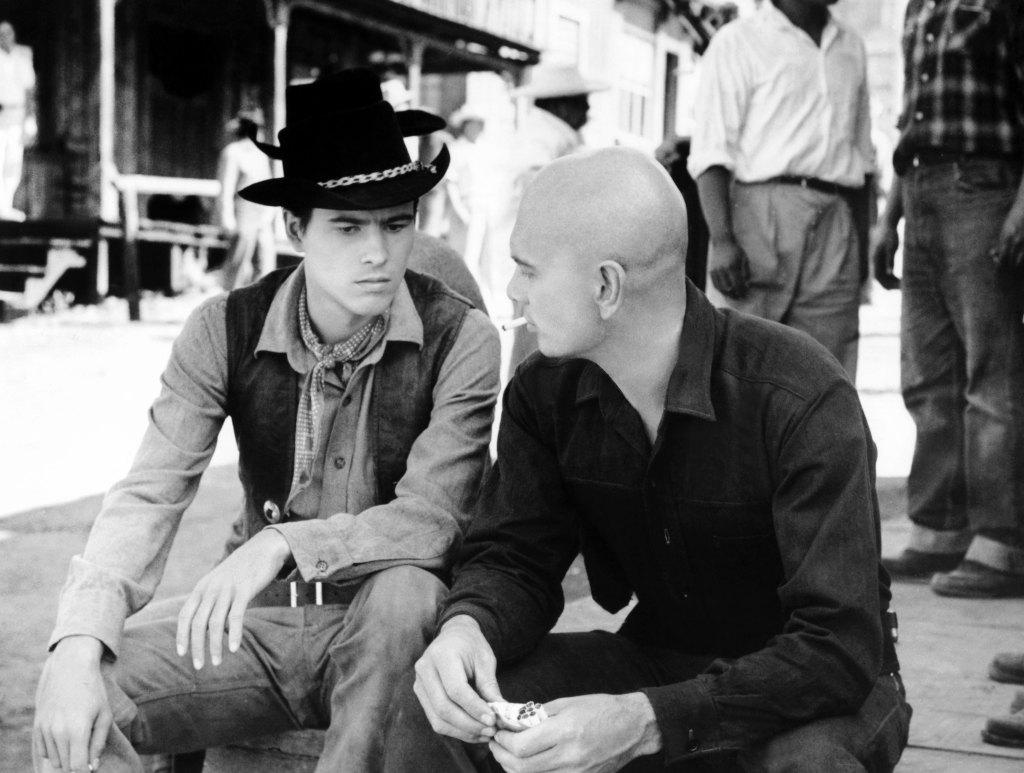

Character: Chico is the youngest and most impulsive of the seven gunfighters—a spirited Mexican villager who pretends to be an experienced outlaw in order to join the group. Though brash and inexperienced, Chico proves his courage during the climactic battle and earns the villagers’ respect. His youthful enthusiasm and moral awakening bring the story full circle, symbolizing the next generation taking up the mantle of heroism.
Actor biography: Horst Buchholz was born on December 4, 1933, in Berlin, Germany. A stage and screen actor from an early age, he was one of the first major postwar German stars to achieve international recognition. Known for his energy, expressive face and romantic charm, Buchholz began acting in German theater before making a successful leap to film, earning acclaim for his performances in Tiger Bay (1959) opposite Hayley Mills and the German drama Die Halbstarken (1956), which established him as the “German James Dean.”
When John Sturges cast him as Chico in The Magnificent Seven (1960), Buchholz was still in his mid-twenties and relatively unknown in the U.S., but his fiery performance gave the ensemble its youthful spark. He followed it with strong roles in One, Two, Three (1961), Billy Wilder’s Cold War comedy opposite James Cagney, and Fanny (1961) with Leslie Caron and Charles Boyer. Despite his early success, Buchholz’s Hollywood career was sporadic; he continued to work primarily in European film and television, including Italian and German productions. Later in life, he appeared in Life Is Beautiful (1997), Roberto Benigni’s Oscar-winning film, marking a memorable return to the international screen.
Personal life: Buchholz was married to French actress Myriam Bru from 1958 until his death, and the couple had two children, including son Christopher Buchholz, who also became an actor. Known for his charm, intellect and worldliness, Horst Buchholz remained active in European cinema for more than four decades. He died on March 3, 2003, in Berlin from pneumonia following a hip fracture at the age of 69.
Conversation
All comments are subject to our Community Guidelines. Woman's World does not endorse the opinions and views shared by our readers in our comment sections. Our comments section is a place where readers can engage in healthy, productive, lively, and respectful discussions. Offensive language, hate speech, personal attacks, and/or defamatory statements are not permitted. Advertising or spam is also prohibited.