How ‘The Banana Splits’ Went From Beloved Morning Kids TV to a Horror Reboot: ‘Wow, This Is an Acid Trip’
The creators of 'The Banana Splits' movie reveal why the sweet Saturday morning classic became a terrifying, blood-soaked nightmare

Key Takeaways
- 'The Banana Splits' evolved from a kids' show into an unlikely horror film.
- Sid and Marty Krofft helped bring the original 'Banana Splits' to life.
- The filmmakers explain why horror was a natural fit for 'The Banana Splits.'
Television reboots have become commonplace over the past decade. Some continue the stories of familiar characters, as Will & Grace and Roseanne/The Conners did, while others start over from scratch with entirely new casts, including Hawaii Five-0, MacGyver, Charmed and Magnum P.I.
When Warner Bros. decided to revisit The Banana Splits, however, the studio took a far less conventional route. Rather than reviving the beloved Saturday morning series for a new generation of children, it transformed the property into a horror film. The Banana Splits Movie debuted digitally in August 2019 before making its television premiere on Syfy two months later.
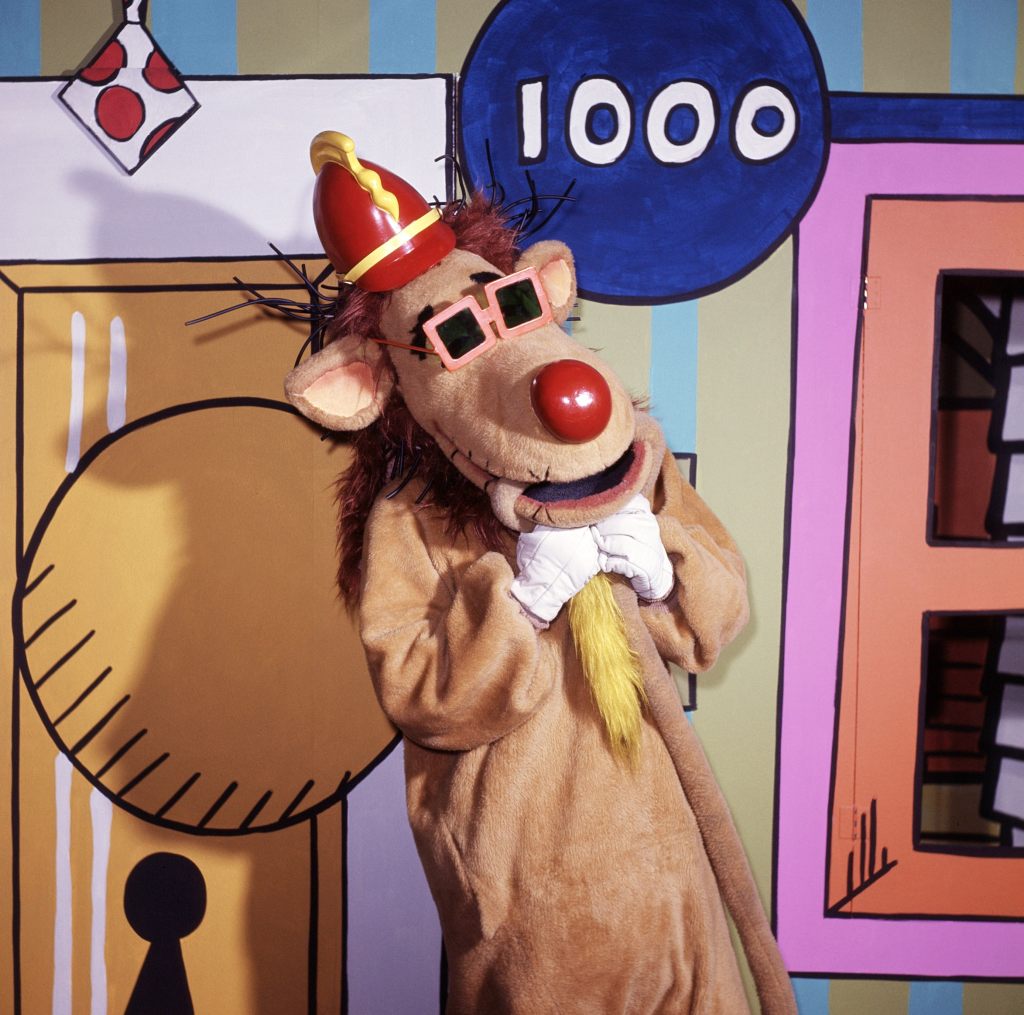
That twist was especially surprising given the pedigree of the original series. Created by animation legends William Hanna and Joseph Barbera, whose credits include The Flintstones, The Jetsons and countless other classics, The Banana Splits stood apart from the duo’s animated hits by combining live-action comedy, music and cartoons. The show’s stars—Fleegle the beagle (voiced by Paul Winchell), Bingo the ape (Daws Butler), Drooper the lion (Allan Melvin) and Snorky the mute elephant—performed as a bubblegum rock band while stumbling through comic adventures in the amusement park they called home before introducing the cartoons that rounded out each episode.
Although Hanna-Barbera had mastered the world of animation, live-action television was another matter. To help realize the concept, the studio enlisted Sid and Marty Krofft, who were just beginning the careers that would eventually produce such memorable series as H.R. Pufnstuf, Land of the Lost, Donny & Marie and The Brady Bunch Variety Hour.
MARTY KROFFT (executive producer): “Joseph Barbera came to see me, because he didn’t know how to do this idea yet. This was live-action and he’d only done animation. Oddly enough, this was our dress rehearsal for Pufnstuf, which we had introduced at the 1968 World’s Fair. But with The Banana Splits, it started with us creating and building the characters, refining them and making them all workable. Joe would come to our studio probably every week and he’d run everything by me.”
GEOFFREY MARK (pop culture historian): “Sid and Marty Krofft were incredible trailblazers for children’s television, taking what had already come before and then twisting it, adding the live element so it wasn’t just cartoony things, but actual people in wild costumes playing wild characters. While other things they produced were for Saturday morning television, The Banana Splits was, in many cities, shown in the afternoon.”

MARTY KROFFT: “Of course, everything has some relationship to something else. I think it’s totally original now, but at the time I’m sure we said, ‘Let’s turn this into The Monkees.’ That was a hard thing to do with these four goofy characters, but they’ve lived on. I liked the name The Banana Splits, and I thought the characters, if we built them right, could be real interesting as a band and the truth is, they’ve stayed alive.”
GEOFFREY MARK: “That theme song! You went to school and everyone was walking around humming the ‘Tra La La’ song. The music stuck with people and brought you into that world. There was something so charming and yet so corny about the show that, whether you liked it or didn’t like it, you couldn’t look away.”
MARTY KROFFT: “You know, we probably have 40 million dedicated fans today from when they were kids who are interested in this new version. And I think it’s great what they’re doing. I think it took guts to do something like this. And look at all the interest… hey, I’m talking to you because of what they did.”
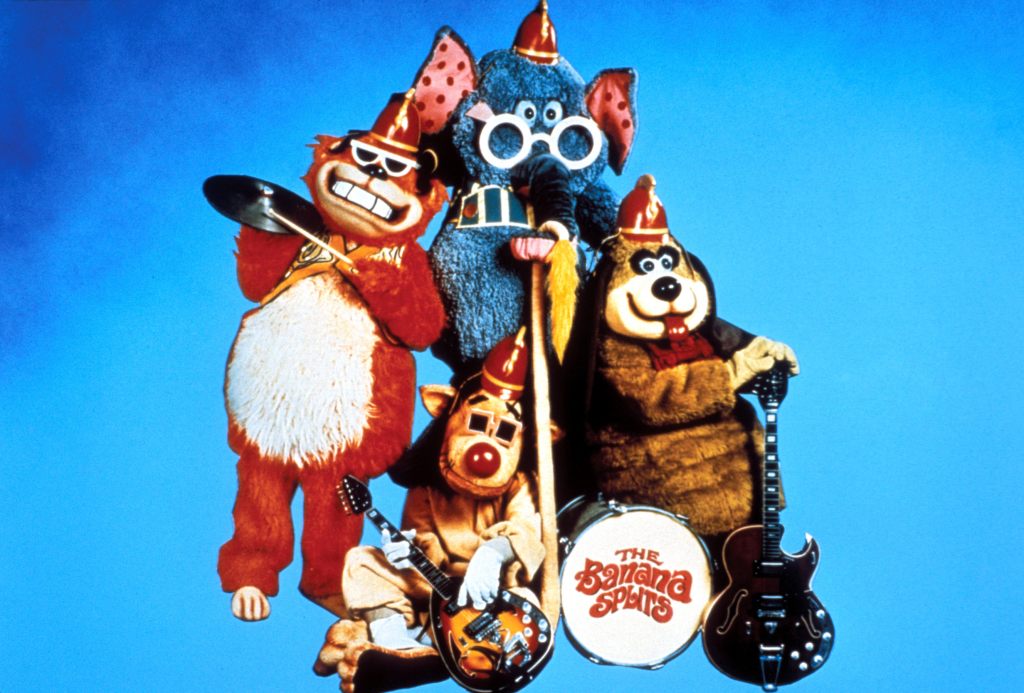
SARA CANNING (actor, “Rebecca”): “I never watched the original series growing up, because I was raised in a small place with two channels. But after I got cast, I watched the opening credits and was, like, ‘Wow, this is an acid trip.’ This new version is meant to be a straight horror film, but there are elements of camp that arise just because it’s a bunch of furry things running around and, you know, massacring people.”
Giving the ‘Splits’ a ‘Banana’ twist
When Warner Bros.’ Blue Ribbon Content teamed with Warner Bros. Home Entertainment and Syfy to develop a horror-themed take on The Banana Splits, the project found its writers in Jed Elinoff and Scott Thomas. With years of experience creating children’s television, the pair immediately saw the potential in turning the beloved Saturday morning series on its head.
SCOTT THOMAS (writer): “Today there’s this sort of hunger to find stuff that was meaningful or that people used to love, and for us to find an interesting way to do something new with it as opposed to just rebooting it was really exciting. To be honest, growing up, the Sid and Marty Krofft show that we knew and loved was probably Land of the Lost. That was kind of our touchstone. We obviously knew about The Banana Splits and had seen it, but we didn’t grow up watching it. There was some time looking back on YouTube and finding clips and sort of diving into that world.”
“The funny thing is, when you think of a show like The Banana Splits or Barney or Yo Gabba Gabba, it’s a really fine line. If you were to take a scary horror movie score and just put it over them, it’s not a giant leap—most of your work is already done for you. There are kind of freaky costumes. In the context of the original show, they’re fun and light and they’re for kids and they’re funny, but it’s not a big stretch to see how you can twist this and make it kind of demented.”
JED ELINOFF (writer): “In this movie, The Banana Splits sort of serve as a catalyst for the main character, Beth, to take agency over her own life. Following a traumatic experience from her past, she’s married the wrong guy and, in an attempt to find safety, The Banana Splits really serve as the catalyst for her to seize power in her life and move on. That’s what the movie’s really about. They’re just these great agents of chaos, which is a lot of what they always were. When you watch the old show, there’s this goofy, chaotic quartet that always makes something funny and kind of crazy happen when they get involved. So in a way, it’s a little bit of harkening back to the show, while the horror part was the fun reason for us to dive into it.”
“We set it in a world where The Banana Splits show is still on. We made it into a live show that is performed in front of an audience, so when the movie starts you get a taste of the old show with the fun, goofy Banana Splits. But there is a moment that triggers things and gives them a reason to turn bad. What we’ve done is turn them into robots, and their whole reason for being is to put on this show. When they find out that their show is going to be canceled… well, they have to keep putting on the show. Which is everyone in entertainment, right? They’ve got to keep making the show and don’t want it to end. If we were being super-duper heady and not quite honest about it, you could say it represents the culture we live in right now where the show has got to go on no matter what the show is.”
SCOTT THOMAS: “We’ve created and run shows for the Disney Channel and Netflix, and you definitely see both sides of it. There’s the really fun side and, at the end of the day, it’s a business. I think we really looked forward to lampooning that a little bit and diving into what can sometimes be the cutthroat business of children’s TV. And we’ve had shows canceled, so we know that feeling, too.”
JED ELINOFF: “The Banana Splits was originally done in the same vein as The Monkees, which was kind of a commentary on Beatlemania. Being able to use that same property and make a commentary on the state of children’s television as a packaged product is amazing. There’s something really interesting in the fact that so many years ago it was commenting on pre-packaged entertainment that’s served up to kids, so in a way its legacy remains true.”
The ‘Westworld’ Connection
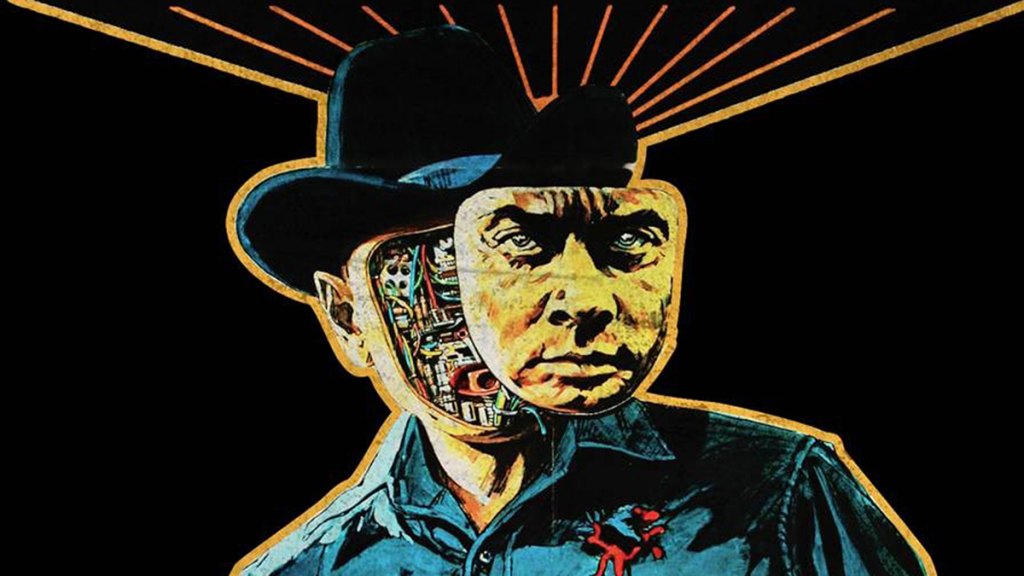
Although the filmmakers could have simply depicted people in costumes who suddenly went on murderous rampages, the writers instead looked to the 1973 film Westworld, at one point turned into an HBO series—for inspiration.
SCOTT THOMAS: “We just thought of all those great moments of Yul Brynner as the Gunslinger walking through those hallways and, at the end of the movie, being this robot that was created for fun and enjoyment that becomes homicidal. So our thought was, ‘What if this movie is Westworld meets Yo Gabba Gabba! or Barney? What if Barney was a robot and started pursuing everyone through the hallways of these sound stages?’ That was really what we were drawing from.”
With the screenplay taking shape, the filmmakers next turned their attention to finding a director. They found one in Danishka Esterhazy.
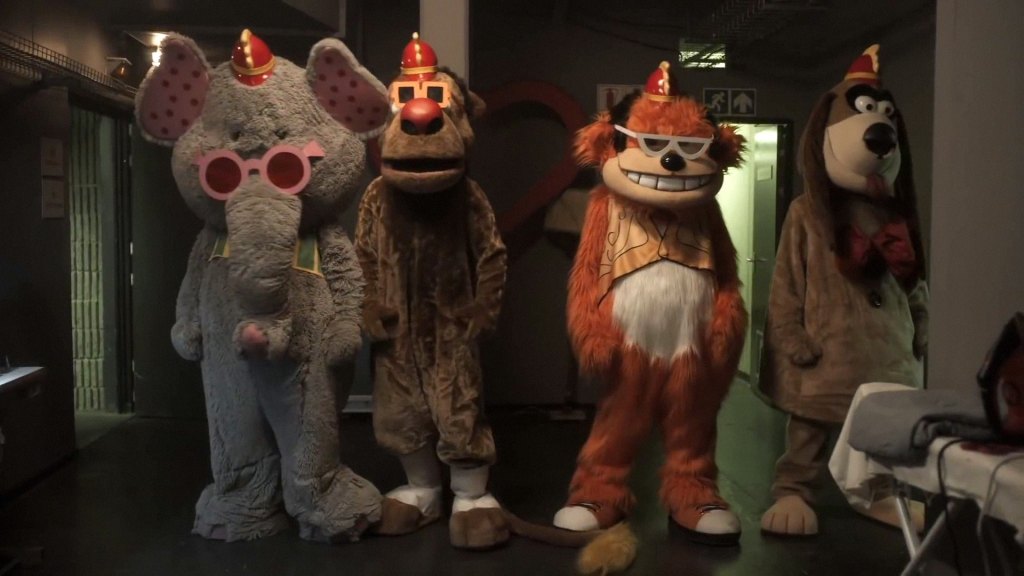
DANISKA ESTERHAZY (director): “I had recently finished a dystopian thriller called Level 16. The film was a hit in the horror community and played at many genre film festivals. Level 16 brought me to the attention of Warner Bros.’ Blue Ribbon Content and Syfy. They had a project in development with a strong female lead: The Banana Splits Movie. I’m known for creating elevated genre with strong female leads, and so it seemed like a good fit. They sent me the outline for the script and I loved it. The story was dark and scary and funny with great characters. I also loved the themes of self-discovery and acceptance. The writers are really great, so I very much wanted to make this film. On top of that, I love horror movies, so I’m always interested in a great scary film. On top of that, I think that a lot of children’s television is unintentionally creepy. There is something about the design of The Banana Splits characters that is unsettling, so it did not seem like a stretch to take those characters and create a horror story world. There is also something deliciously subversive about turning a children’s show into a horror movie,” she continues. “One of the things that I love about horror fans is their willingness—their delight—in exploring the darker side of everyday life. The way a horror story can look at family, suburbia or children’s television and shine a light on the fears and insecurities that lurk beneath the surface makes for very intriguing storytelling.”
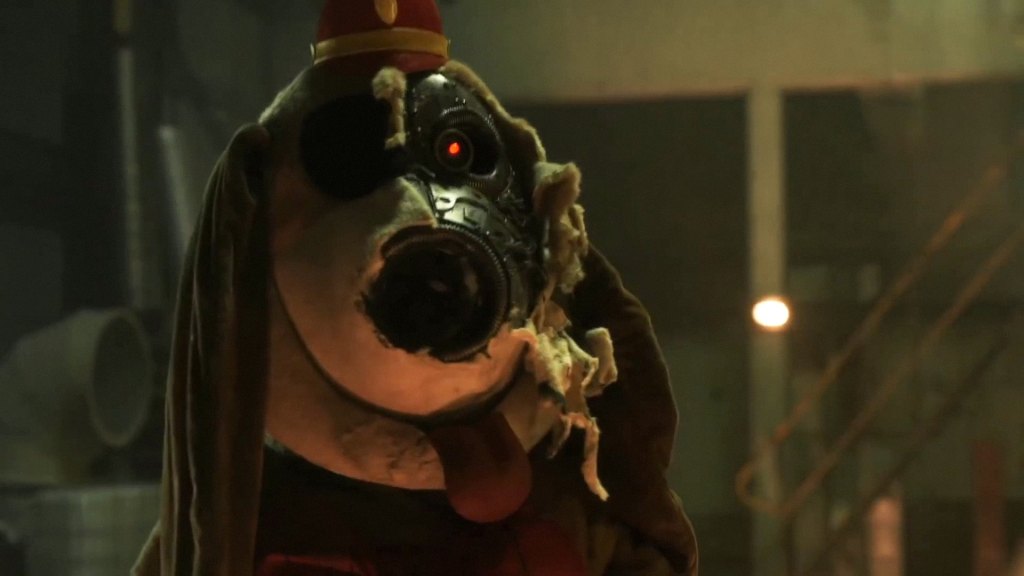
Judging solely from its marketing, it would have been easy to assume The Banana Splits Movie was little more than a traditional slasher featuring murderous versions of the beloved children’s characters. Scott says that couldn’t have been further from the filmmakers’ intentions.
SCOTT THOMAS: “I grew up watching horror movies in the ’80s and loved every sub-genre of horror, especially those over-the-top gory slasher movies. It definitely has a feel like that, but with everything we do, we really try to create a story we care about. That seems really silly to say, but we didn’t write it first and foremost as a slasher movie. It’s somewhere between slasher horror and survival horror, but at the heart of it, we made it about this broken family and this woman from a terrible past who is trying to keep the world safe for her kids. She brings them to The Banana Splits because she thinks that’s going to be safe.”
JED ELINOFF: “What she thinks is going to be safe and enjoyable turns out to be incredibly dangerous. It reminds her that you never know when something bad is going to happen or who is going to do something terrible. She really stands up and takes control again, and in that way, ‘Mama Bear’ sort of comes out. It really became about this woman who is kind of depressed and has to seize her power from within.”

DANISHKA ESTERHAZY: “I wouldn’t want to make a film that is simply a slasher film,” she says. “I love genre films that are thrilling and entertaining, but that also have a deeper layer of storytelling—a layer that explores the human condition. In The Banana Splits Movie, there is definitely blood and gore, but there is also the story of Beth and Harley, a mother and son who go through a harrowing adventure and emerge stronger. It is also a story about self-acceptance and non-conformity. A story that explores the theme of ‘to thine own self be true.'”
Thomas and Elinoff recognized there was an inherent campiness to the idea of The Banana Splits becoming homicidal killers. Rather than embrace it, however, they made a conscious decision to treat the material as seriously as possible.
SCOTT THOMAS: “We tried to write it straight. We really tried to write it as a traumatic horror movie without winking at the camera. And Danishka did the same thing. She really approached it drawing inspiration from Kubrick’s The Shining and things like that, because we knew at the end of the day that it was going to be silly.”
DANISHKA ESTERHAZY: “Horror movies are changing. Perhaps because the film industry itself is changing. Women directors are finally getting the chance to make bigger movies, and we bring a different sensibility. I don’t want to portray women as victims, fantasies or cardboard characters. I want to make stories about women who show the full range of human complexity. The Banana Splits Movie has a great protagonist in Beth. She is a fascinating woman who goes on a terrifying journey to protect her family and discovers her inner strength in the process. I was also very happy with our lead, Dani Kind, who can be vulnerable and misguided, but also very kick-ass.”
The Final elements
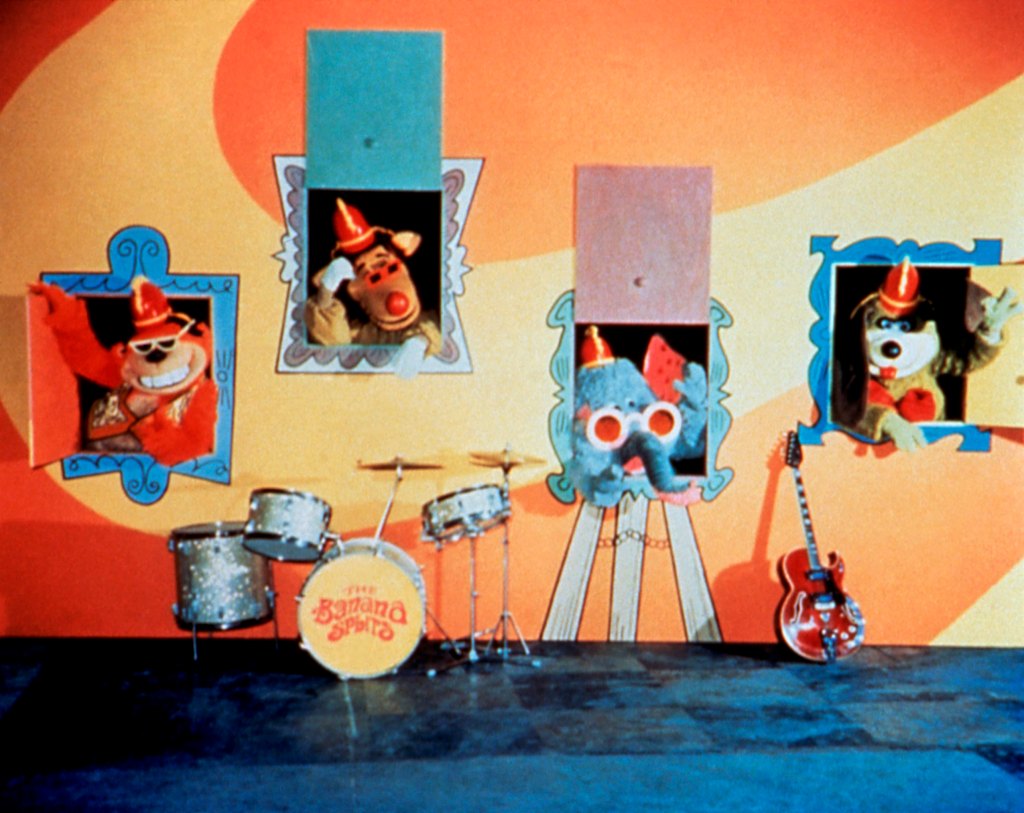
Of course, the concept would only work if audiences believed the Banana Splits themselves. That required recreating not only the characters’ physical performances, but their familiar voices as well—a task that fell to veteran voice actor Eric Bauza, whose animation career has included voicing many of the Looney Tunes characters.
ERIC BAUZA (voice actor): “The Banana Splits, like most everything that I watched as a child, I caught in reruns. I love The Splits, Sigmund and the Sea Monsters, H.R. Pufnstuf—anything that starred costumed characters. Paul Winchell, Daws Butler—who seems to live in my vocal cords—and the rest of the voice actors were very inspirational to me, and it was a thrill to bring them back in this way.”
DANISHKA ESTERHAZY: “When I think about the most challenging part of this film, I have to mention that the Splits costumes were very heavy, very hot and very itchy. I hired dancers to play the parts of Fleegle, Bingo, Drooper and Snorky because I knew they would be able to embody both the comic movements and the animatronic movements of their characters. Those dancers endured long hours on the set, but they never lost their enthusiasm or their commitment. So I applaud Terry Sauls, Brandon Vraagom, Kori Clarke and Bunto Plam for all their hard work.”

GEOFFREY MARK: “You know, the genius of being able to turn The Banana Splits into a horror movie—reinventing their own characters—shows you the agile creative minds of Sid and Marty Krofft.”
The Banana Splits Movie is available for rental or purchase at Amazon Prime.
Conversation
All comments are subject to our Community Guidelines. Woman's World does not endorse the opinions and views shared by our readers in our comment sections. Our comments section is a place where readers can engage in healthy, productive, lively, and respectful discussions. Offensive language, hate speech, personal attacks, and/or defamatory statements are not permitted. Advertising or spam is also prohibited.