Inside ‘The Munsters’ Lost Color Pilot: Meet the Original Cast Replaced Before the Show Aired
The unaired color pilot of 'The Munsters,' its recast stars and how the series found its voice

It’s hard to imagine The Munsters without Fred Gwynne’s booming voice, Yvonne De Carlo’s gothic glamour or Butch Patrick’s pint-sized werewolf charm. But before the beloved monster family debuted on CBS in 1964, they looked—and acted—very differently in the original unaired color pilot. Produced as a pitch to network executives, the core concept was in place but the tone was uneven, key roles were miscast and its visual identity hadn’t quite found its groove. As a result, what emerged from that experimental first take was the skeleton (so to speak) of what would soon become one of television’s most enduring cult classics.
According to pop culture historian Geoffrey Mark, the producer/director/writer of the 2002 documentary Behind the Fame: The Munsters/Addams Family, the idea for The Munsters was less about artistic inspiration and more about studio pragmatism. “Universal wanted to make money. Plain and simple,” he explained. “They looked around and asked, ‘What do we already own that costs us nothing?’ The answer was their monster library—Dracula, Frankenstein, the Mummy, the Wolfman, the Bride of Frankenstein—all of it was still under copyright at the time. They thought, ‘Why not do something with it?’”
This was also the era of My Favorite Martian, Bewitched and My Living Doll—a wave of high-concept, fantasy-tinged sitcoms that were kid-friendly but clever enough for adults. Monsters, it seemed, were ripe for the format. And with local TV stations airing Universal horror films like clockwork on late-night syndication, a monster resurgence was already underway. “They were exploding on television,” Geoffrey noted. “I watched them every Saturday night on Creature Feature.”

‘The Munsters, take one!
The show was developed at Universal Television—formerly Revue Studios—and an early version of the concept was reportedly guided by Gene L. Coon, who would later go on to help shape the original Star Trek. The original idea was to blend the Universal Monsters with the wholesome suburban sensibilities of The Donna Reed Show. Geoffrey confirmed he’d heard that story, but only from Star Trek sources: “So take that for what it’s worth,” he added. “At the same time, I can’t imagine why someone would make it up.”
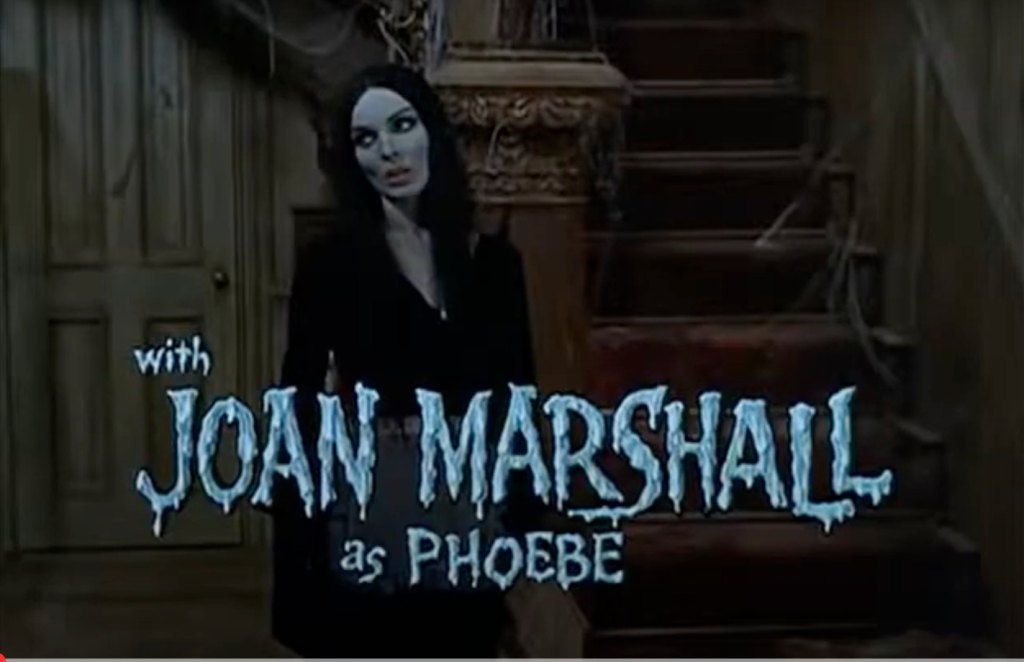
Regardless of who first dreamed it up, Universal brought in Leave It to Beaver creators Joe Connelly and Bob Mosher to flesh out the pilot. They knew family sitcom structure and their fingerprints are all over The Munsters, particularly in the pilot’s opening moments—Phoebe (the original matriarch) handing out lunches as the family heads out for the day, just like Donna Reed used to do.
Shot in color and running just 15 minutes, the pilot was intended as a proof-of-concept. “NBC was the only network really doing color at the time,” Geoffrey said, “and even then, sitcoms weren’t their strength.” Still, Universal splurged on the expensive color format to stand out. The result was a short, vivid reel designed to showcase character designs, sets and atmosphere—not plot.

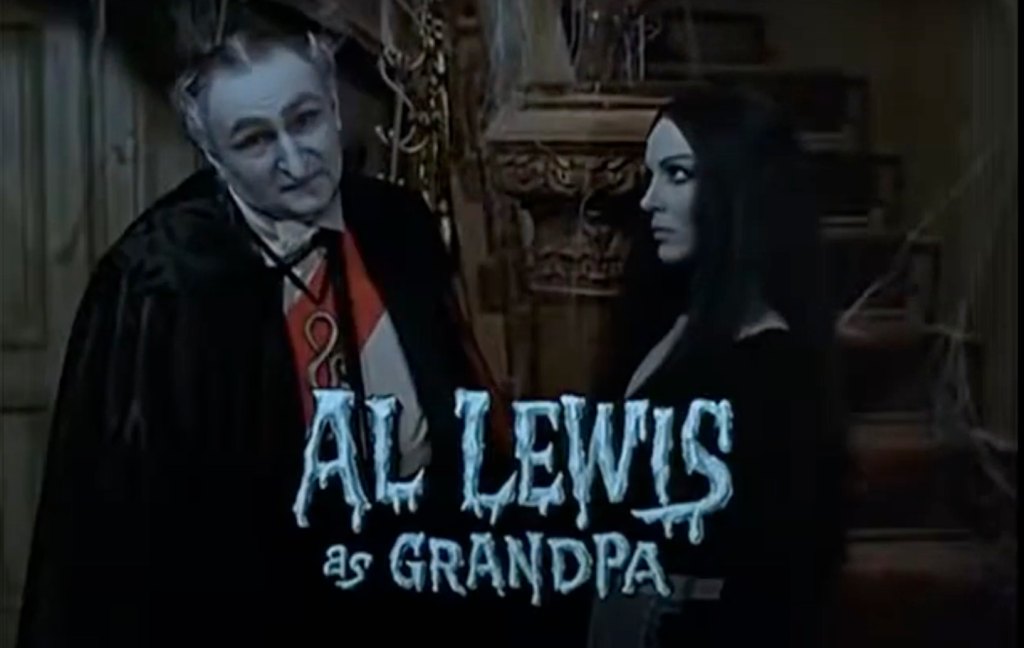
Fred Gwynne (Herman) and Al Lewis (Grandpa) were already on board, thanks to their chemistry on Car 54, Where Are You? “There was audience recognition,” Geoffrey noted. “Not massive, but strong enough to build on.” However, the rest of the cast needed work.
Cast changes
Joan Marshall, who played the matriarch in the pilot, bore a striking resemblance to Charles Addams’ drawings of Morticia—perhaps a little too striking for comfort. “There was no Addams Family show yet,” Geoffrey clarified, “but the drawings were well known and CBS didn’t want legal trouble. Plus, they just didn’t feel she brought enough to the role. She wasn’t a bad actress, just miscast. She wasn’t warm enough and couldn’t play the broad comedy. The network wanted someone who could channel that Donna Reed vibe but with a monster twist.”
Enter Yvonne De Carlo, who not only brought name recognition but also a more maternal presence to the proposed series. “She was less spooky, more loving,” Geoffrey said. “Still otherworldly, but not in that kinky Morticia way. CBS felt she could anchor the family emotionally and visually.”

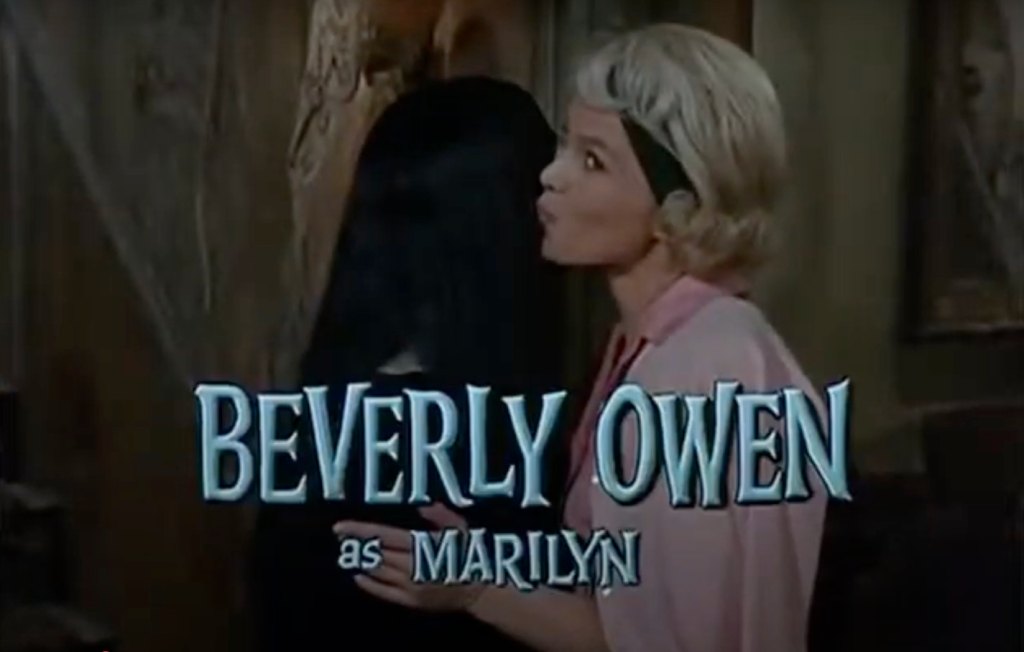
Beverly Owen, who would go on to play Marilyn in the first season, also appeared in the pilot, contrary to some reports. “She never worked again after The Munsters,” Geoffrey noted, “and when Pat Priest replaced her, they even kept Beverly’s headband look for continuity.”
Then there was Eddie. In the pilot, he was played by child actor Nate “Happy” Derman—a far cry from the mischievous but lovable version that Butch Patrick would soon embody. Derman’s Eddie was darker, more aggressive and “he chewed the scenery,” Geoffrey said. “It was like he was having a Peter Lorre-level breakdown in every scene. Way too over the top.”
Butch Patrick, flown in from Illinois for a screen test, struck a much-needed balance. As he later recalled, “They had cast another kid and another Lily Munster… my agent got them to fly me in from Illinois… I went straight to the screen test… Next thing you know, I had to report to work.”
Added Geoffrey, “By the time Butch Patrick came in, Eddie’s dialogue could have come straight from Beaver. That was the point. The show had to feel like a family sitcom first. The monsters were just the hook.”
Grandpa also saw significant revision. In the pilot, he was eerier—nearly silent at times, playing with chess pieces telekinetically and snacking on live worms. “There were prosthetics, a heavier nose and he was more of a mad scientist,” Geoffrey said. “But he didn’t invite affection.” That changed in the series, where Al Lewis leaned into the role’s sitcom potential, becoming more endearing and ridiculous than menacing. And Gwynne’s Herman became more boisterous and cartoony compared to the performance he gave in the pilot.
Altering the approach
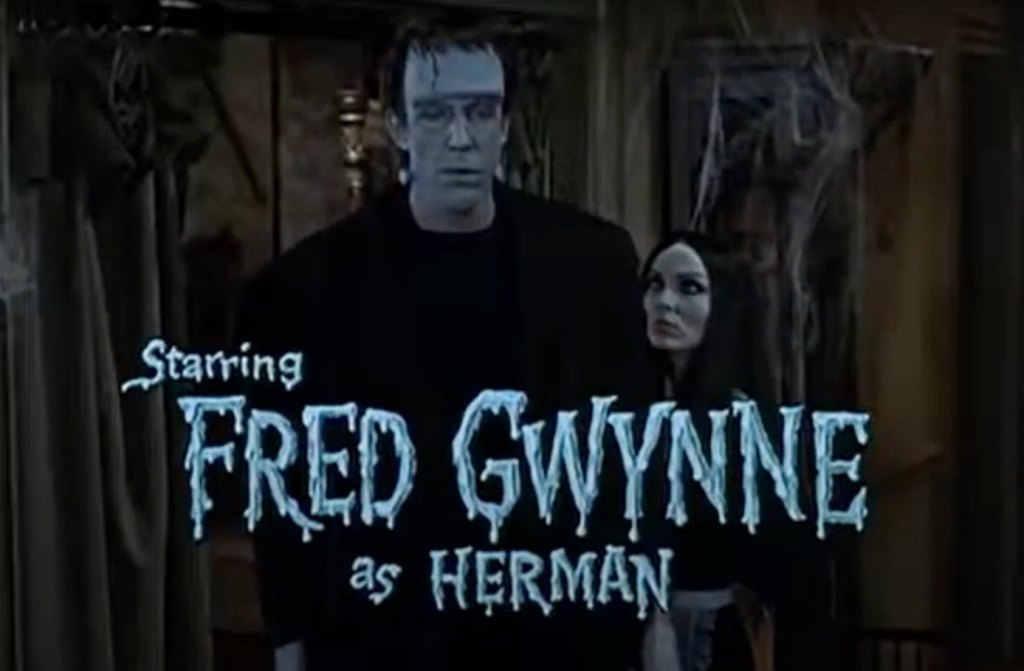
Behind the scenes, things were still being worked out. The makeup was rougher, the lighting too harsh for black-and-white and the humor was subtler—more atmospheric than laugh-out-loud. “Herman wasn’t played for laughs,” Geoffrey said. “The humor was there, but more subdued.”

And then there was the network drama. NBC passed on the show, despite being the only color-heavy network, in part because their track record with sitcoms was weak. CBS, still mostly airing in black-and-white, eventually stepped in—but insisted on changes. The cost of filming in color—about $10,000 more per episode—was a sticking point. “That was enough to sway the decision,” explained Geoffrey.
With recasting complete and the tone reworked, a second pilot was shot in black-and-white and eventually aired as the series’ second episode, “My Fair Munster.” The show was greenlit soon after. Yvonne De Carlo added that maternal aspect, Butch Patrick softened Eddie and Al Lewis became a comic force. The Munsters were still monsters—but now they were a family.
“It’s not uncommon for pilots to miss the mark,” Geoffrey closed. “Look at All in the Family—three different versions before they nailed it. Even Star Trek had to rework its cast. That’s the point of a pilot: to test ideas. See what clicks and fix what doesn’t.”
Conversation
All comments are subject to our Community Guidelines. Woman's World does not endorse the opinions and views shared by our readers in our comment sections. Our comments section is a place where readers can engage in healthy, productive, lively, and respectful discussions. Offensive language, hate speech, personal attacks, and/or defamatory statements are not permitted. Advertising or spam is also prohibited.