What It Was Like Growing Up on ‘Family Affair’: Kathy Garver Reflects on Fame, Her Co-Stars and Loss
The 'Family Affair' star opens up about Brian Keith, Anissa Jones and the reality of fame

Key Takeaways
- Kathy Garver says 'Family Affair' became a very different show over time.
- Garver reflects on Anissa Jones and the pressures of child stardom.
- Behind the warmth of 'Family Affair' was a demanding production schedule.
For generations of viewers, Family Affair has lived on as something comforting; it was a classic TV series defined by warmth, simplicity and the idea of family holding together no matter what.
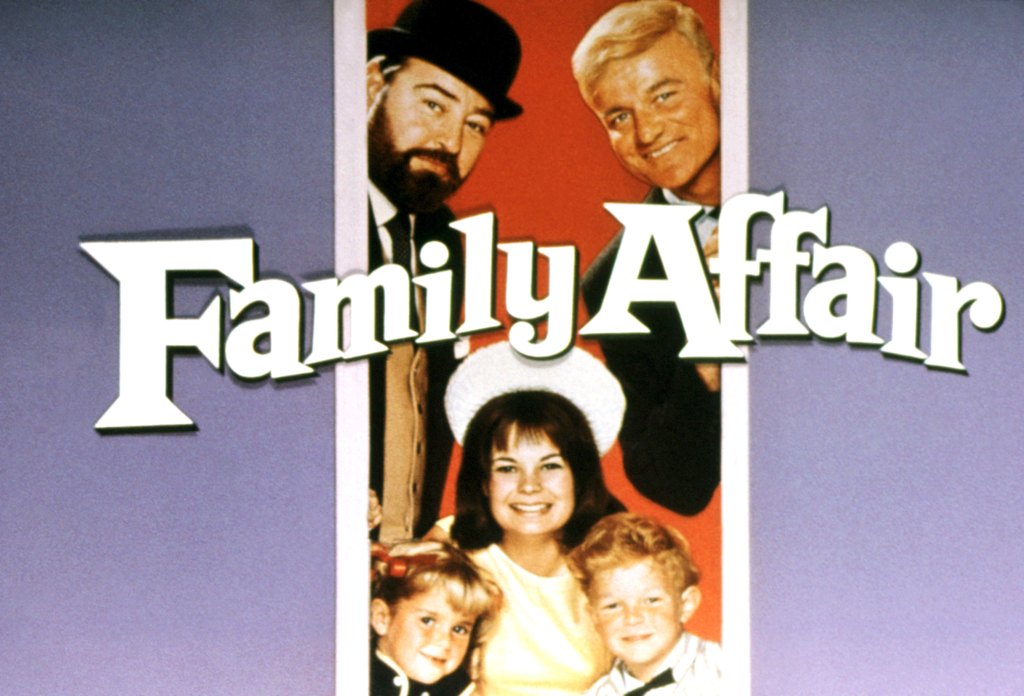
The CBS sitcom, which aired from 1966 to 1971, centered on bachelor Bill Davis (Brian Keith), whose carefree New York life is suddenly transformed when he takes in his orphaned niece and nephew, Buffy (Anissa Jones) and Jody (Johnny Whitaker), following a family tragedy. Helping hold everything together was his proper British valet, Mr. French (Sebastian Cabot), while Kathy Garver’s Cissy—the older sister to the two children—found herself growing up almost as quickly as the audience watching her.
But for Garver, the memories attached to the show go far beyond the comforting image audiences still remember. Looking back nearly 60 years later, she remembers Family Affair not just as a television show, but as an exhausting production, an unexpected success story, a strange kind of family—and in some cases, the beginning of personal tragedies no one could have predicted at the time.
Getting the role
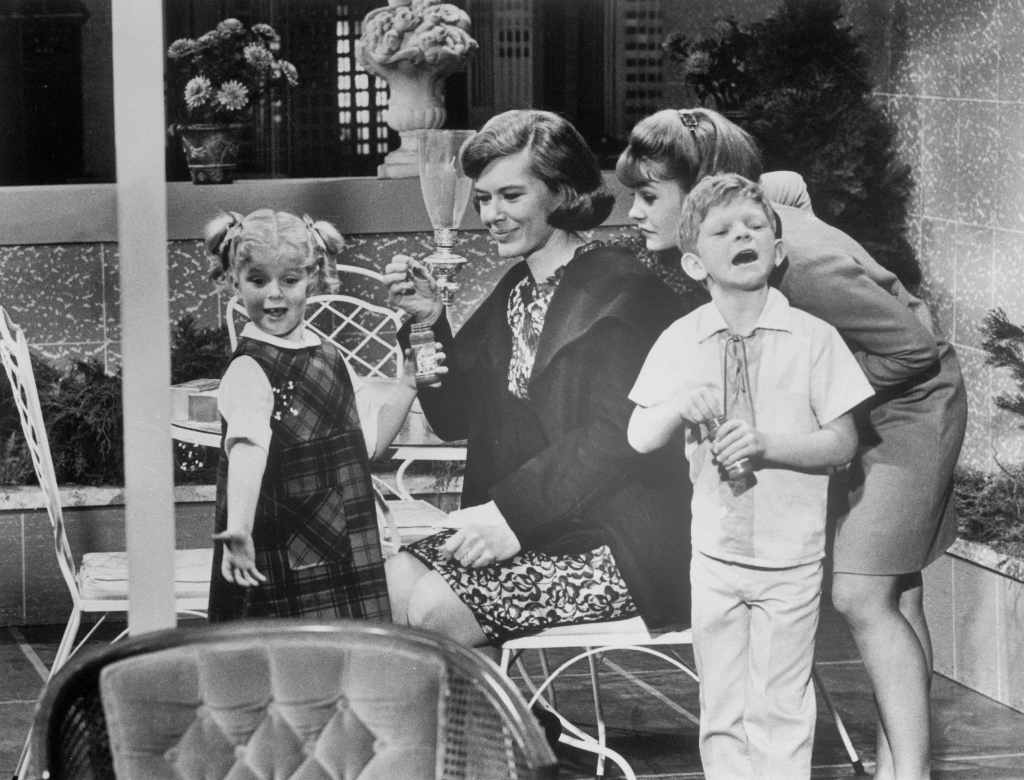
When Garver auditioned for Family Affair, it didn’t initially feel like a life-changing moment. “I had been working as a professional actress ever since The Night of the Hunter and then The Ten Commandments,” she says. “I had done guest spots and had a wonderful agent, Hazel McMillan. She was still my agent when I was at UCLA and I would be working, too. I did an episode of The Rifleman and The Patty Duke Show. So when this interview came up, it was, ‘Oh, I’m going on another interview.’ However, this one was kind of special because this series had already been sold and they had the entire cast except for the one person.”
There were already stories floating around Hollywood about the role of Cissy and why it remained uncast. “I understand—and I don’t know if this is apocryphal or what—but it seems they had had the Cissy part cast, but the girl had gone to Europe and then come back and had gained weight. Or Sherry Alberoni says, ‘Well, I was supposed to do it, but then I got another thing and I did that.’ I don’t know if any of the stories are true. I just know that they needed a girl for Cissy, and they were already shooting the pilot, which had been sold and was going to series. And in those days, we did 39 episodes. I’m always amused when people say, ‘Oh, we’re going to the next season. We already did our first season.’ ‘How many episodes?’ ‘Eight.”
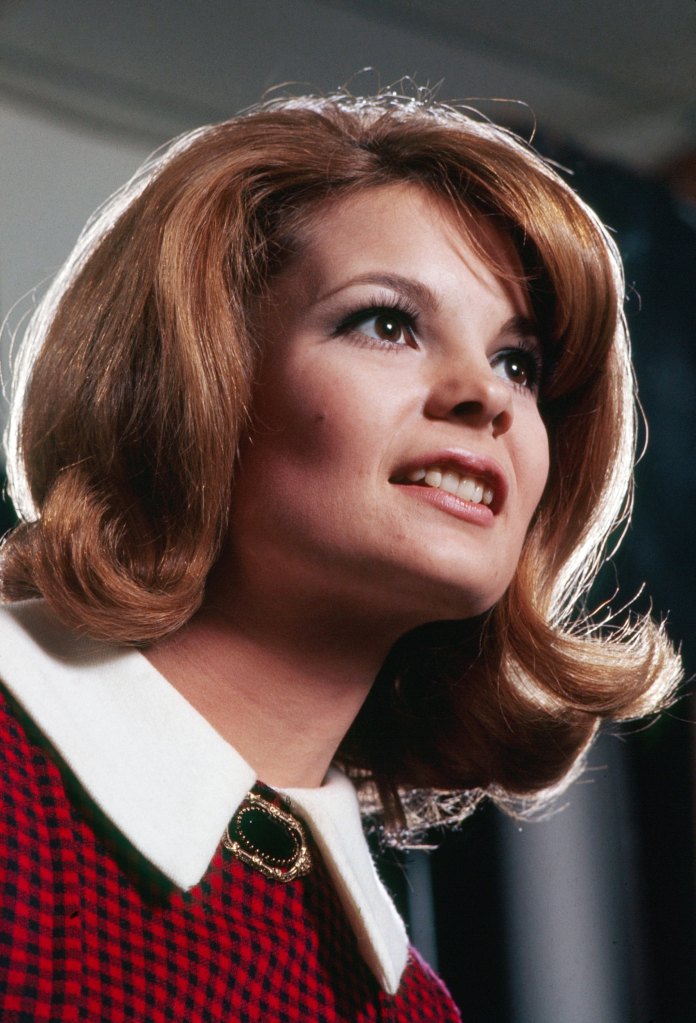
The audition itself quickly became memorable for all the wrong reasons. “I was at the sorority house and my mom called me because I didn’t have a car there and she was still taking me back and forth to work even though I was 18, 19, 20,” she says. “And she says, ‘You have an interview. They want somebody that’s 15. The show has already been sold, so put on something that makes you look young.’ The only thing was they wanted a blonde. At that time, I had dark hair, dark eyes. So she says, ‘I’m bringing over this stuff called Streaks and Tips,’ and it was a spray you put in your hair and it instantly changes color.
“So my mom comes over to the sorority, sprays my hair, and we go over to Desilu. I’m talking to Ed Hartmann, who was the creator and producer of Family Affair, and he suddenly says, ‘What’s the matter with your hair?’ I said, ‘Yes, it’s turning green.’”
The solution came quickly: “I went to Max Factor and got this long blonde wig and wardrobe gave me this blue-and-white checked dress. I looked like Alice in Wonderland. I swear to God I did. But anyway, I came back, did the test in this dress and talked to the director. The next day my agent called and said, ‘Okay, you got the job.’ And it came with a caveat: ‘Never wear that wig again and never wear that dress.’”
A crazy production schedule
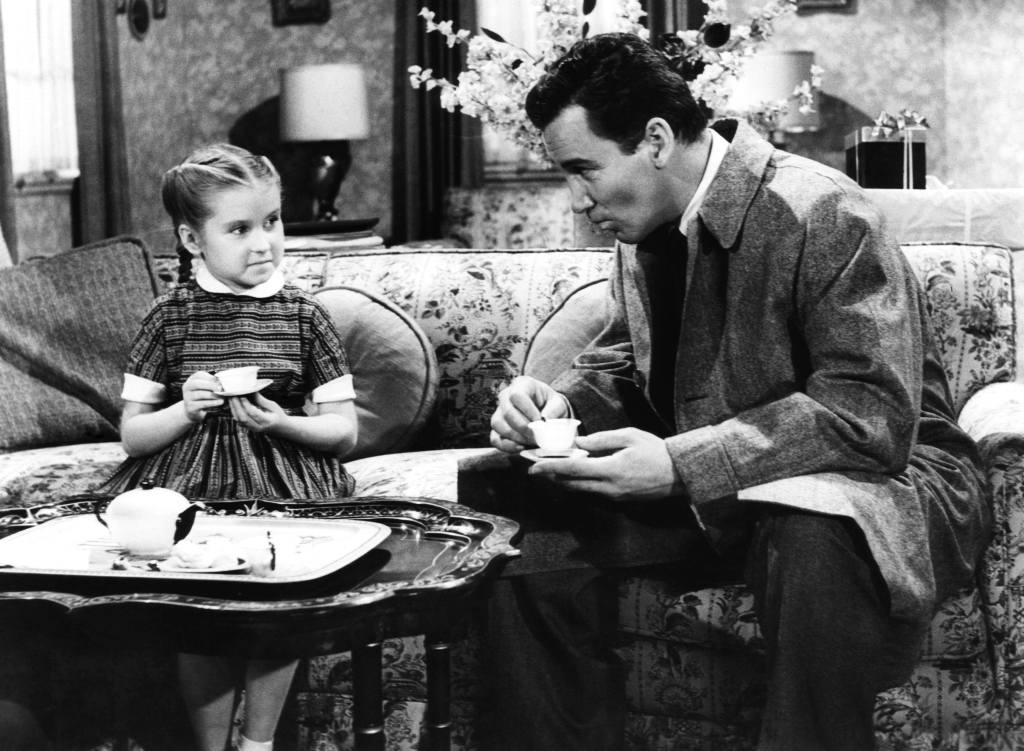
Getting the role, as it turns out, was only the beginning. The actual production of Family Affair was unlike anything Garver had experienced before, largely because Brian Keith—already an established movie star—had a unique arrangement built into his contract.
“It was a crazy production schedule,” she recalls. “We had a brilliant associate producer who was just so good at arranging the scenes and where we were going to be shooting and at what time. Now, Brian had this special thing that he had to be out in 60 days because at that time, movie stars did not do TV. Oh my God, not that little box. So they made a deal with Brian and he could just shoot his scenes and then go off and do his movies.”

“What that meant was all 39 scripts had to be finished before we even started. Then the children could only work four hours a day because they had to go to school for three hours and there was an hour for lunch. And Sebastian was not feeling well all the time. Matter of fact, I think it was in the first season he was out for a while and John Williams came to replace him. So guess who was the one who came in at 6:30 in the morning to put on makeup and didn’t leave until all the shots were done?”
Even with the pressure, she remembers the set as tightly run and deeply professional. “We were boom, boom, boom,” Garver shares. “We were working with such professionals—Brian and Sebastian and our directors, who had done all the Abbott and Costello films.”
The cast dynamic
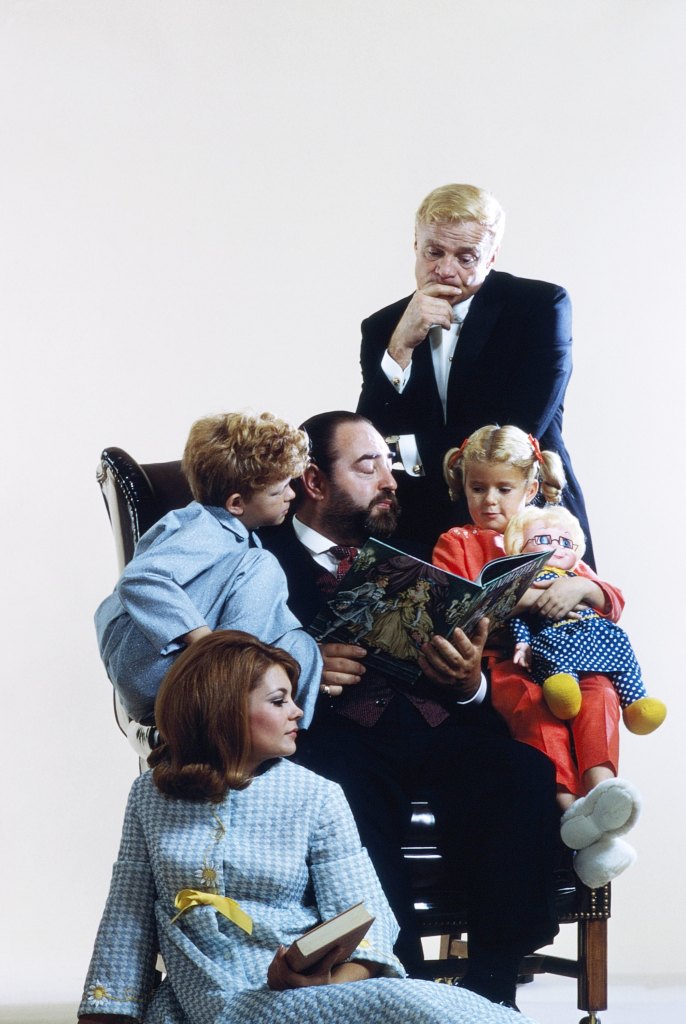
Part of what made Family Affair work was the unusual chemistry between its cast members. Looking back, Garver sees the balance almost in old-school comedy terms. “I just went to the opening of the Laurel and Hardy exhibition at the Hollywood Museum,” she says, “and I was telling them it was kind of like Sebastian Cabot was Hardy and Brian Keith was Stan Laurel. It’s like, ‘Well, this is another fine mess you’ve gotten me into.’ There was that gentle kind of relationship in there.”
The contrast between the two actors extended well beyond their performances. “Very professional… very proper on set,” Garver says of Cabot. “He didn’t even finish high school, and when he learned lines, it was hard for him. But he studied and he got every single word right. That was the antithesis to Brian… two different methodologies of acting. The English kind and then more instinctive.”
Off camera, however, she remembers a much softer side to Cabot. “But I went to his house a couple times and he loved kids, too. He had a lovely wife, and nothing better than to be in his sweats and cook. That’s who Sebastian was at heart. And he was just a wonderful actor—totally believable and with a warmth.”
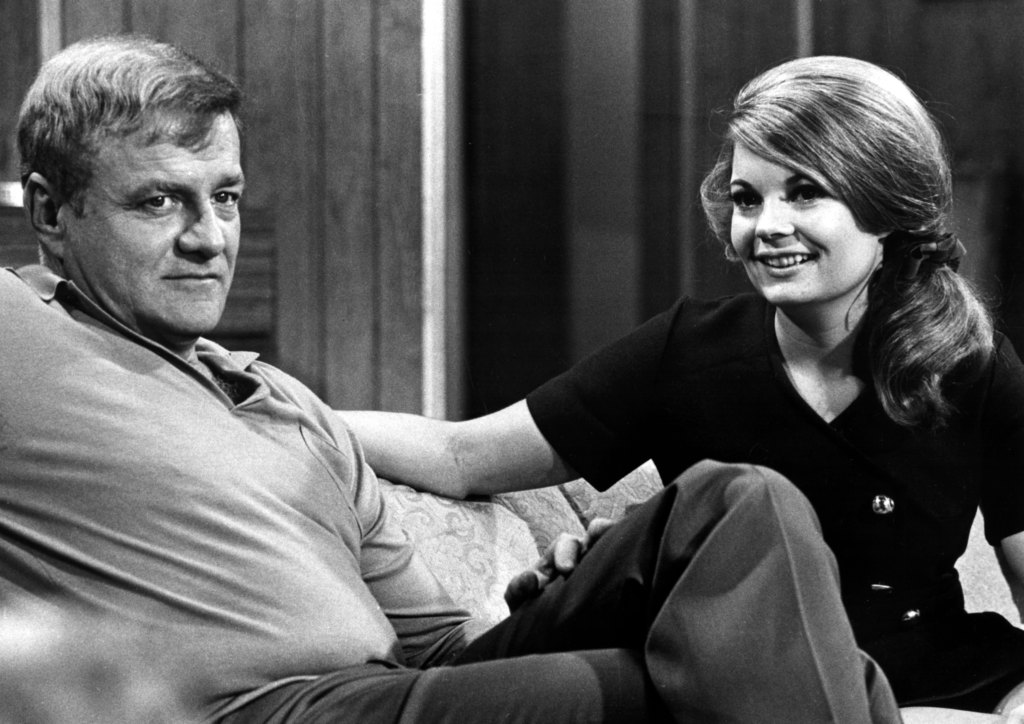
Brian Keith brought something very different to the series; something Garver believes helped keep the show from becoming overly sentimental. “I really liked Brian a lot,” she points out. “He was just a great guy. He was handsome, anecdotal, funny and he was good. He was very kind to children. He loved kids. He spoke his mind when he didn’t like some of the guest stars on the show, but he was the real thing. What really kept it from being too saccharine—because some of the scripts kind of leaned to it—was Brian. He was a wonderful antidote to too much sugar. He was a manly man… very realistic. That was Brian.”
At the same time, Garver admits the younger cast members naturally pulled the show in the opposite direction. “The kids were so cute,” she laughs. “They’d just tick off their lines and say them like little robots. That’s fine because they were adorable, but that lent itself to the sweetness.”
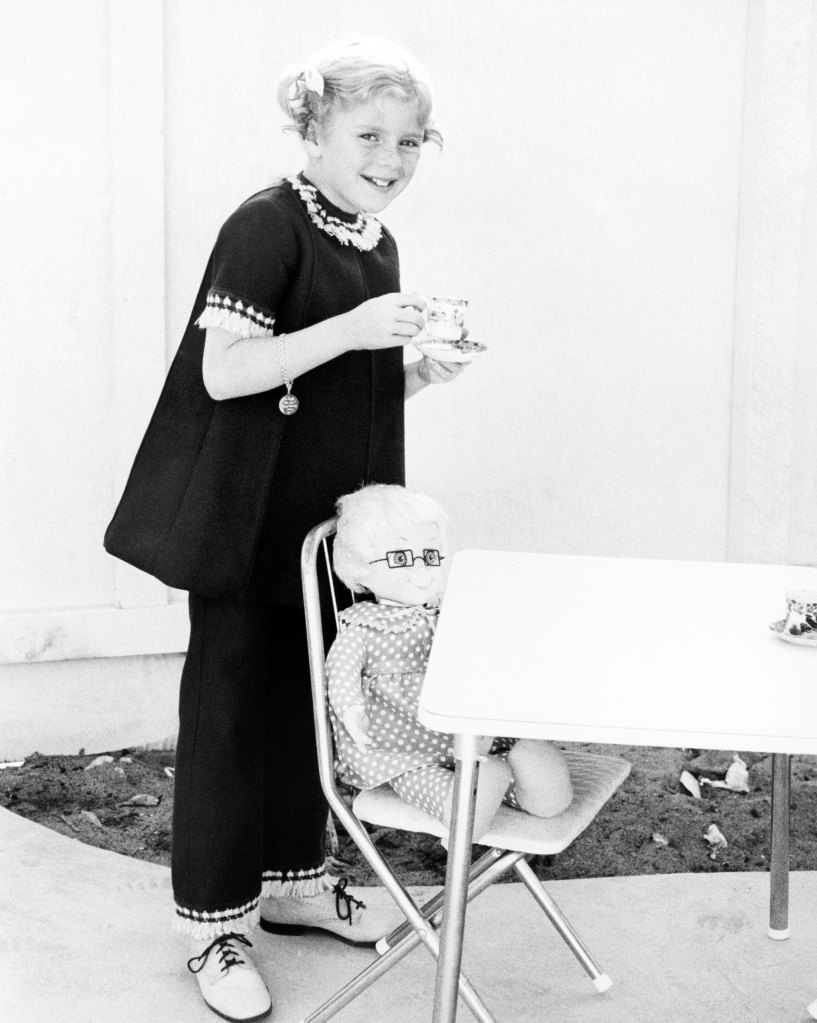
And then, of course, there was Buffy’s doll, Mrs. Beasley. “I understand being upstaged by two cute little kids,” Garver jokes. “But to be upstaged by a doll with polka dots and glasses?”
The doll became one of the defining images of the series, and in many ways, so did Anissa Jones.
Anissa Jones

Anissa Jones, who played Buffy Davis, quickly became one of the breakout stars of Family Affair, thanks in large part to her connection with Mrs. Beasley. But as the years went on, Garver could see the growing disconnect between the character audiences loved and the young girl trying to grow up behind the scenes.
“It was very sad,” she reflects quietly. “She came over to my house a couple of times after the show ended and she spent the night and we talked, but she would go back to school and here are her friends and their influence. Also, when she started on the show, she was actually nine, but as the show went on she became a young teenager and she was still wearing short little dresses and ribbons in her hair and carrying Mrs. Beasley.”
What stands out most to Garver now is the pressure surrounding Anissa away from the cameras. “She had a very dictatorial mother… well, that’s probably not the nicest way to put it. She was very involved. And our publicist had Anissa, and Johnny Whitaker, going back and forth to all these promotional events because they were very popular. She was doing the Buffy coloring book and all these kinds of things.
“But she wasn’t allowed to grow up at that time and was chomping at the bit to do that. Then she’d go back to the beach environment where her friends were—it’s not like she was going back to the suburbs. And that was what was sad about it, because after the show she got involved in drugs and she passed away at 18.”
Garver sees that experience through the larger lens of child stardom. “I think they wanted her to be like Shirley Temple and they wanted to make her a star,” she says. “After the series was over, she went on an audition for The Exorcist, but she was done with it. She wanted just to be a regular kid. One of my books that I wrote was X Child Stars: Where Are They Now?, and it looks at what happens to them and what an ex-child star goes through.
“And I guess that I was just supremely lucky and had, thank you, God, great parents. I had both of my parents. My father was an architect and worked and my mother was a nurse. They were very kind of normal people and they did not need my income. I wasn’t supporting the family. And even when I was a child working, they put it all away for me.”
Behind the scenes of ‘Family Affair’
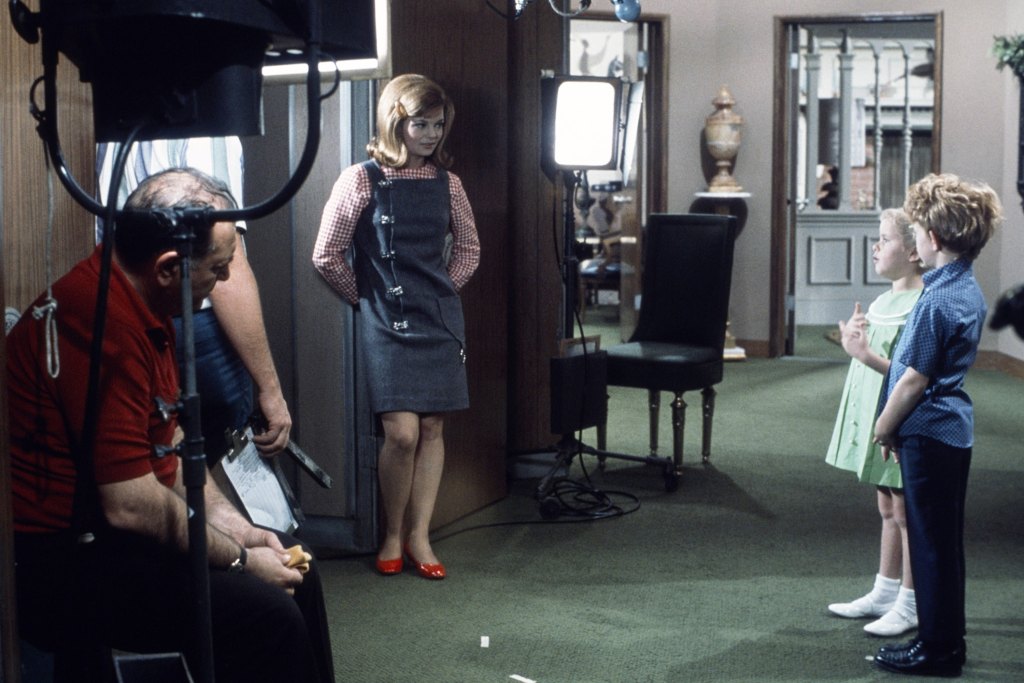
For all the warmth audiences saw on screen, Garver says the day-to-day reality of making Family Affair was disciplined and professional. “Well, she did for three hours a day have Mrs. Deanie, who was a wonderful social worker/teacher,” Garver says of Anissa. “And it isn’t like now at Disney, where they have a psychologist and all these kinds of things, but it was a very professional set. We did the job. As a child actor, I knew my lines, I knew where to go, I was in the scene and we liked doing the scenes. We liked each other. But it’s a job.”
Looking back, she still describes Anissa in affectionate terms. “She was a very smart little child… very smart, very sweet. She was a very nice girl.”
The same, she says, was true of Johnny Whitaker. “Johnny was smart, he went to college,” she says, before pausing at where the conversation inevitably leads. “Drugs, unfortunately again… It’s the killer, literally.” Though, as Johnny recently shared with Woman’s World, he’s 28 years and counting sober.
There was only one moment during the production involving Anissa that truly broke the rhythm of the tightly run set. “The only time I ever heard a big outburst,” recalls Garver. “And I said, ‘Wow, what is going on?’ I think she broke her leg… I really don’t know the story. All I can say is there was one time when I heard there was a big delay, which never happened on our set.”
Johnny Whitaker
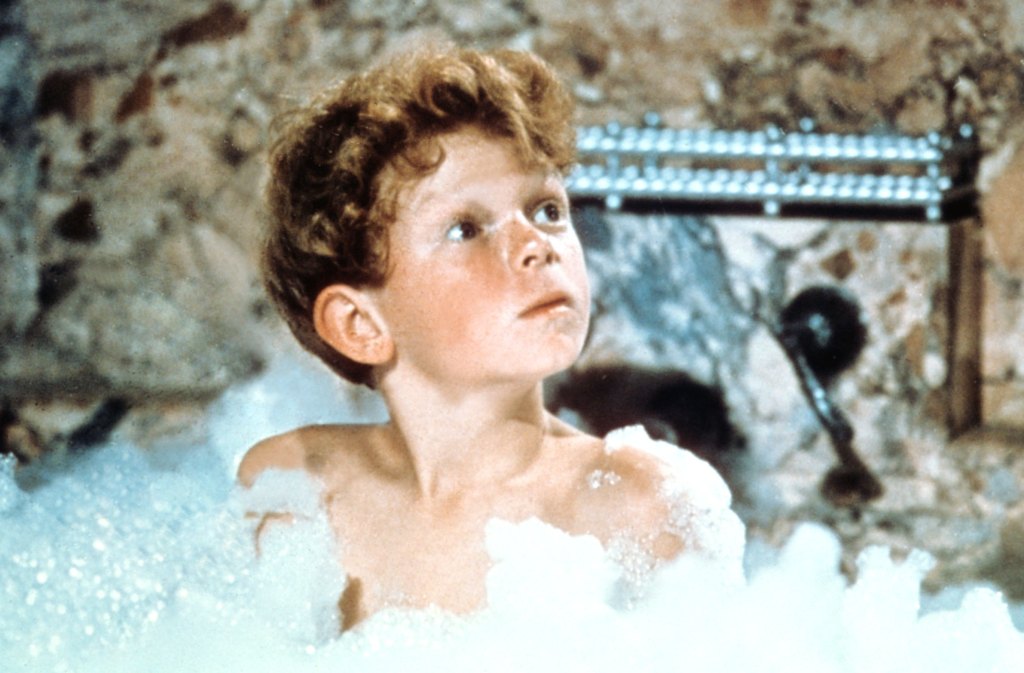
Garver sees Johnny Whitaker’s later struggles as part of a larger pattern involving child actors trying to navigate adulthood after early fame. “Child actors do what they’re told because it’s like being in school,” she says. “If a child actor’s told to learn their lines and to walk forward and stand there, they do it because they are a child and the other people are grownups and they feed them and they buy them clothes and they take them to Disneyland and they don’t want to mess up that nice arrangement.”
She contrasts Whitaker’s upbringing with Anissa’s. “He came from a Mormon family with eight children. Nothing could be more far afield than that and a divorced mother with two kids. But he still struggled. He went to drugs and then his family had an intervention. He gained 300 pounds, then he lost weight, got off drugs and now he’s very outspoken about his past. But we’re very different.”
Garver doesn’t frame herself as someone trapped in nostalgia or regret. If anything, she approaches life with a determination to keep moving forward.
“I’m a very independent person. I made my own way,” she says. “I’m not really fond of people who blame the past. It’s over. Hello, it is over. We’re looking forward to today. You follow your heart… that’s a direct thing to God. You have to persevere in what you believe and you have to believe that things are good.”
Looking back
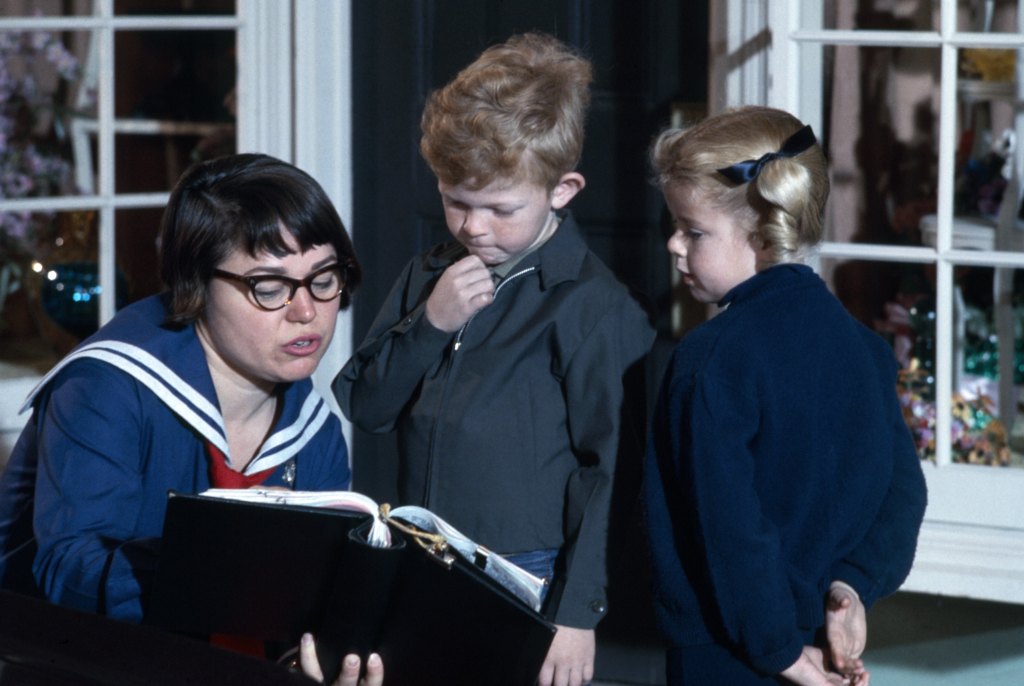
With Family Affair celebrating its 60th anniversary, Garver clearly understands why the series continues to resonate with audiences. Part of it is nostalgia and part of it is the warmth people still associate with the show. What the audience couldn’t know, of course, was that beneath the veneer of perfect television living was the fact that real people were trying to navigate success, pressure, growing up and, eventually, loss. In fact, Garver still recalls one moment involving Anissa that has never quite left her.

“I remember going to her 18th birthday party and her mom came up to me and says, ‘Could you spend some more time with Anissa, because I think she’s in a very bad crowd and I’m worried about it.’ And I said, ‘I would, but the next day I flew to Virginia… I was gone for two months. So I was aware of the problem, but when I was growing up, I never knew anybody that committed suicide. Ever. And I was befuddled because it wasn’t in my… it was totally foreign.”
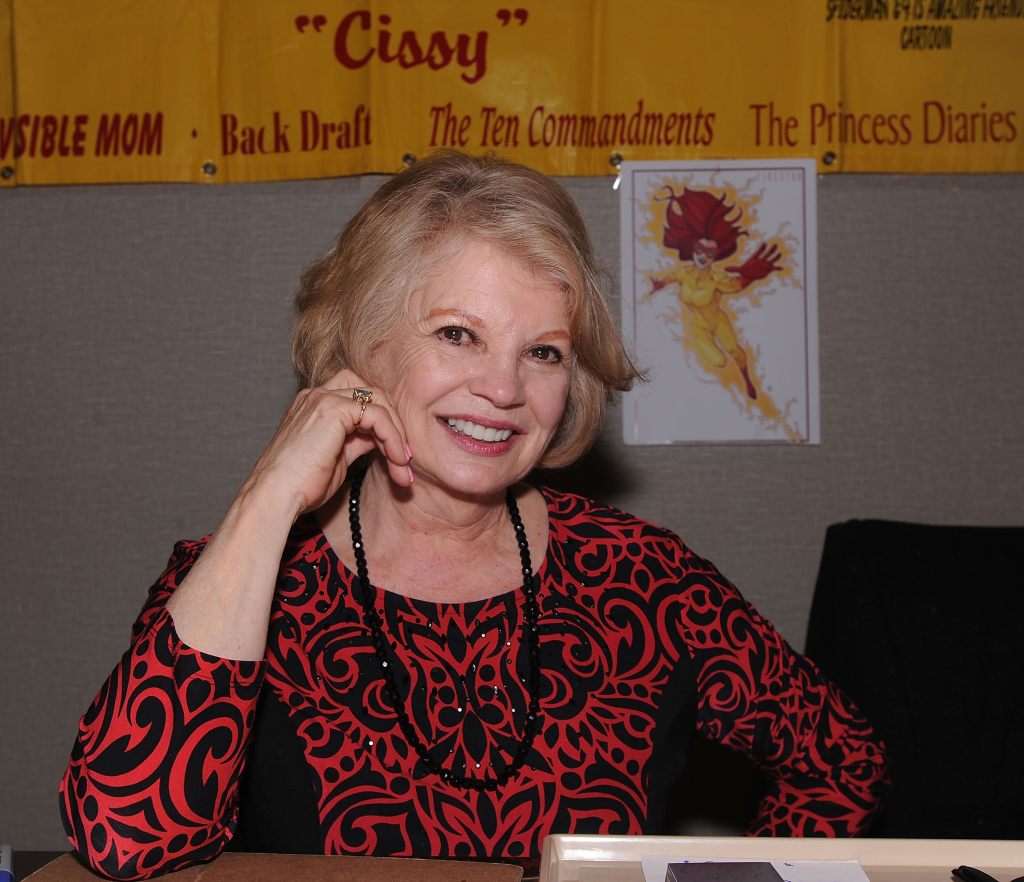
That sense of loss still clearly affects her. “My husband just died of cancer six months ago,” she says quietly. “That’s just awful. It’s awful, awful, awful. He had stage four colon cancer that spread to his liver. It’s just a horrible disease.”
And yet, despite everything she has experienced—professionally and personally—Kathy Garver (who runs her own website where you can learn much more about her) still seems to approach life with the same perspective that carried her through the whirlwind years of Family Affair itself. Just keep moving forward with a positive outlook. “I expect good things to happen.”
Conversation
All comments are subject to our Community Guidelines. Woman's World does not endorse the opinions and views shared by our readers in our comment sections. Our comments section is a place where readers can engage in healthy, productive, lively, and respectful discussions. Offensive language, hate speech, personal attacks, and/or defamatory statements are not permitted. Advertising or spam is also prohibited.