‘Family Affair’ Cast Then and Now: Tragedy, Triumph and the Real Story Behind Classic TV’s Sweetest Hit
From Buffy’s tragic end to Cissy’s lasting legacy, see what really happened to the 1960s sitcom stars

Key Takeaways
- The 'Family Affair' cast shared real-life struggles far deeper than the show’s wholesome tone.
- Anissa Jones’ tragic death at just 18 remains one of classic TV’s most heartbreaking stories.
- Brian Keith’s later-life hardships cast a shadow over his legacy as TV’s beloved Uncle Bill.
There’s always been a fine line in classic television between heartfelt and overly sweet—and some shows leaned so heavily into sentiment that they risked pushing audiences away as much as pulling them in. When Family Affair premiered on CBS in 1966, it may have struck some viewers as falling into that category at first glance. But like many of the era’s most enduring series, it revealed a deeper emotional core beneath its polished surface.
Now, six decades later, Family Affair stands as part of a remarkable television legacy. Premiering in the same year as Star Trek and Batman, it helped define a moment in TV history when the medium was expanding in both scope and storytelling ambition—even within the framework of family entertainment.
At the center of the series is Bill Davis, played by Brian Keith, a successful civil engineer enjoying a sophisticated, unattached lifestyle in a Park Avenue penthouse. His world is one of business travel, social freedom and relative ease, supported at home by his proper and ever-loyal British valet, Mr. French, portrayed by Sebastian Cabot.
“It’s an interesting characterization they’ve created for me. They made Bill Davis a happy bachelor,” Keith told the Daily Press. “Come to think of it, whoever saw an unhappy bachelor? He likes women and he knows a lot of them. He’s a man about town, a man of the world. He’s a partner in an engineering company and is assigned to far-off parts of the world—building dams, railroads, bridges and tunnels when he’s not in the Park Avenue penthouse apartment. And pretty girls a-plenty. What a life!”
That carefully ordered existence is abruptly upended when tragedy brings three children into his life: teenager Cissy (Kathy Garver) and her younger twin siblings, Jody (Johnny Whitaker) and Buffy (Anissa Jones). After the sudden death of their parents, the children are left with no immediate family except Bill, who reluctantly becomes their guardian. What begins as an obligation gradually transforms into something far more meaningful, as all involved struggle, adapt and ultimately bond. Even Mr. French, initially resistant to the disruption of his orderly household, finds himself drawn into the emotional shift taking place around him.
Developed by My Three Sons producers Don Fedderson and Edmund L. Hartmann, the series ultimately proved that its appeal went well beyond its surface charm. Its real strength lay in the relationships between its cast members. Over time, the connection between Keith, Garver, Whitaker, Jones and Cabot gave the show an authenticity that grounded its more sentimental moments. What emerged was a portrait of an unconventional family formed through loss, but sustained by genuine affection.
Running for five seasons and totaling 138 episodes, Family Affair concluded in 1971. Off-screen, however, the paths of its cast were far more complicated. Some found continued success, while others faced personal struggles that would cast a shadow over the show’s legacy. In the end, their stories are as compelling as the series itself — and in many ways, far more poignant. Here’s a closer look at the Family Affair cast and what became of them after the cameras stopped rolling.
Sebastian Cabot (Giles French)
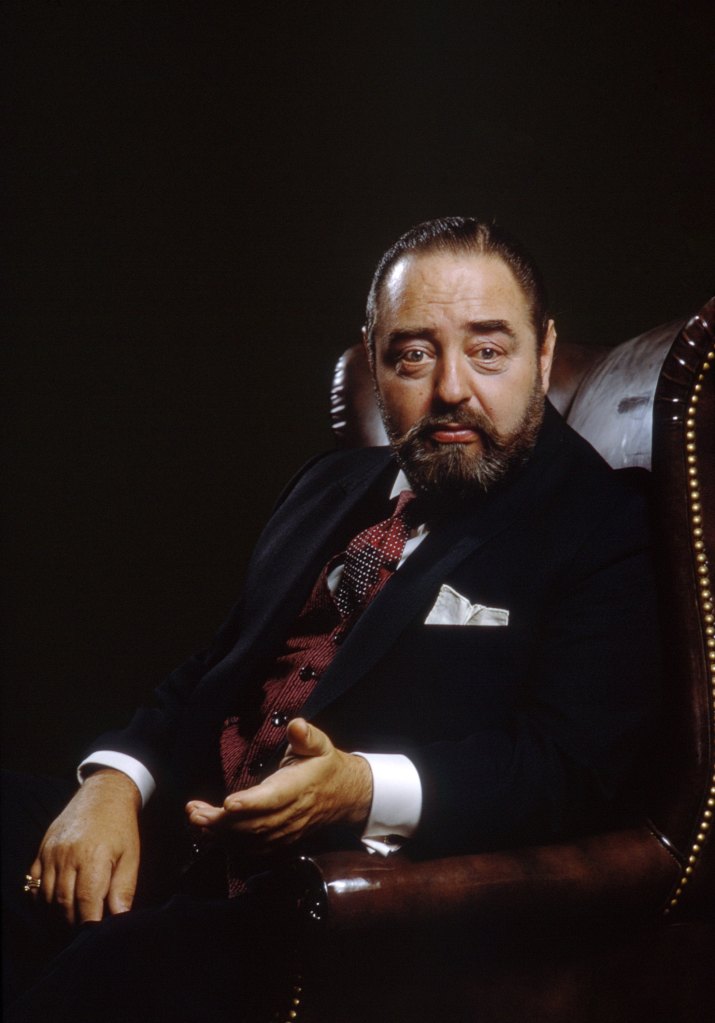
Born Charles Sebastian Thomas Cabot on July 6, 1918, in London, the actor who would later become synonymous with Family Affair’s Mr. French took a somewhat unconventional path into the profession. Leaving school at just 14, he found early work in an automobile garage, which led to a position as valet and chauffeur to British actor Frank Pettingell. That proximity to the craft sparked an interest in performance—along with a parallel passion for cooking.
Determined to break into acting despite having no formal training, Cabot exaggerated his experience to secure a place in a repertory company. The gamble initially backfired—he was dismissed on his first day—but the setback didn’t deter him. Instead, it seemed to strengthen his resolve. With persistence and growing confidence, he began to land roles and steadily build a career.
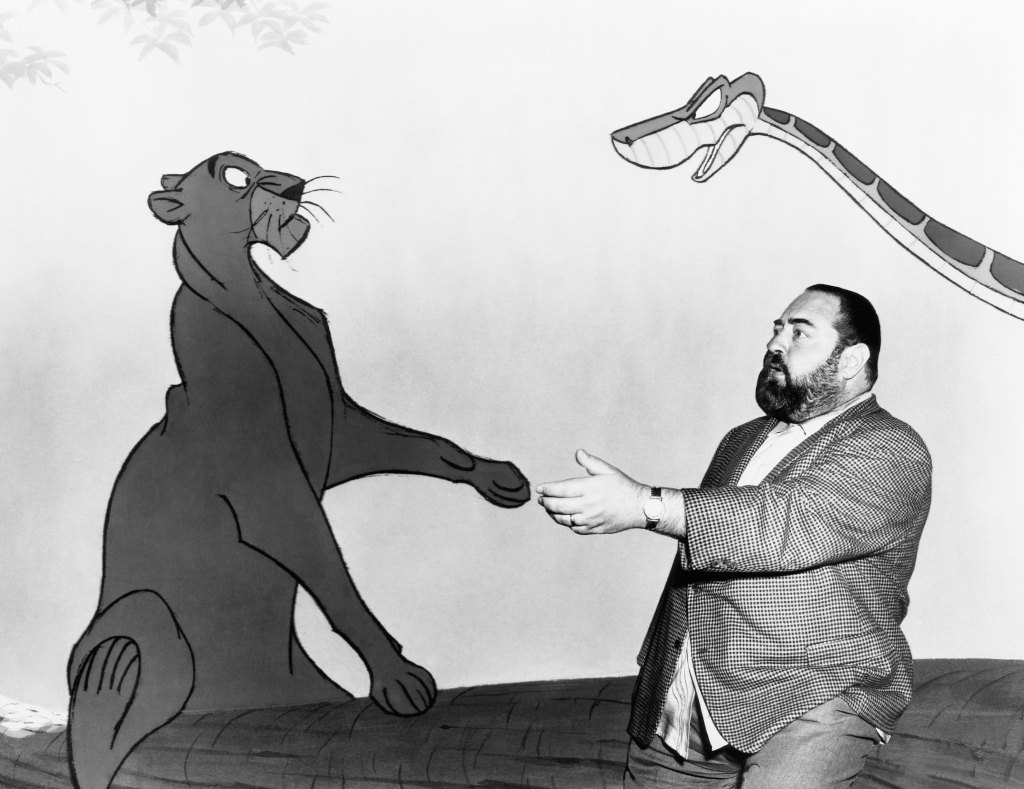
His early screen appearances included an uncredited role in Foreign Correspondent, followed by parts in films such as Tehran (1946), Third Time Lucky (1949), Old Mother Riley’s New Venture (1949), Romeo and Juliet (1954), Westward Ho the Wagons! (1956), The Angry Hills (1959) and The Time Machine (1960). Around this same period, his distinctive voice led to work in animation, including memorable contributions to The Sword in the Stone as Lord Ector and The Jungle Book as Bagheera, along with his narration of the Winnie the Pooh theatrical shorts.
Television also became a significant part of his career. Beginning in British productions, he soon transitioned to American series, appearing in shows like Alfred Hitchcock Presents, The Twilight Zone and Gunsmoke. He held regular roles on Checkmate (1959–1962) and The Beachcomber (1962) before, in 1966, taking on the role that would define him for generations: the impeccably proper Mr. French on Family Affair.
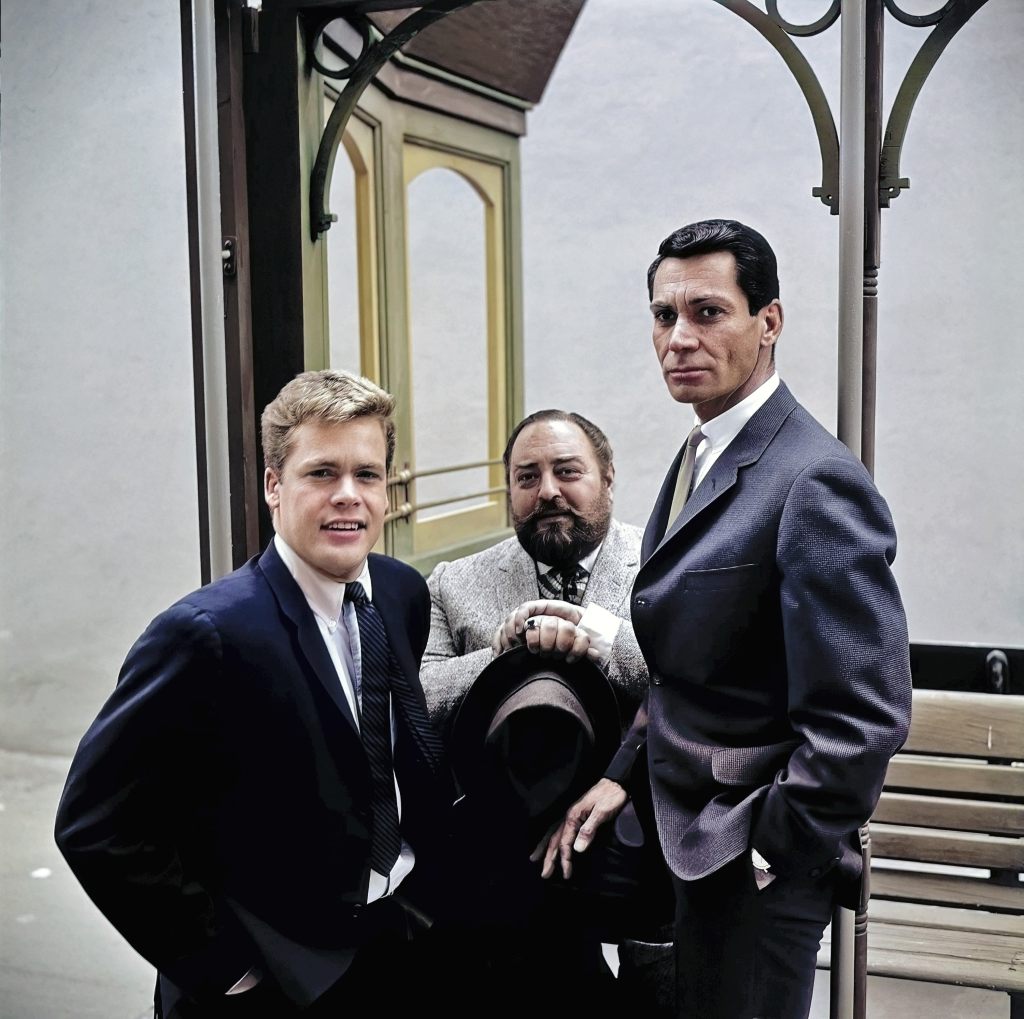
The show’s popularity surged quickly, and with it came a public perception that Cabot himself must be much like the refined, soft-spoken gentleman he portrayed—a notion he was quick to challenge.
SEBASTIAN CABOT: “I am not at all like him. I have one suit. This is it. I am not happy unless I am dressed in old clothes with my shirttail out. If you want the real Sebastian Cabot, you can find him fishing off Vancouver Island in British Columbia, looking completely disreputable.” (Detroit Free Press)
While critics often suggested that Cabot had a tendency to dominate scenes, he offered a more measured perspective, particularly given the presence of his younger co-stars.
SEBASTIAN CABOT: “All I can do is be a sounding board for them. Oh, you can use scene-stealing tricks to take attention, but the tricks always show. I try to be honest and I don’t think French gets overshadowed.”
His working relationship with Brian Keith, who played Uncle Bill, was another key component of the show’s success—one built on mutual respect and an understanding of each other’s rhythms on set.
SEBASTIAN CABOT: “We have enormous respect for one another as actors and we are both [he and Brian Keith] very short-fused when it comes to inefficiency on the set. We respect each other’s moods. If I see that Brian is engrossed in his own thoughts, I have sense enough to go right by. I say a short good morning. In three months of working together, we haven’t had a cross word.” (Sunday News)
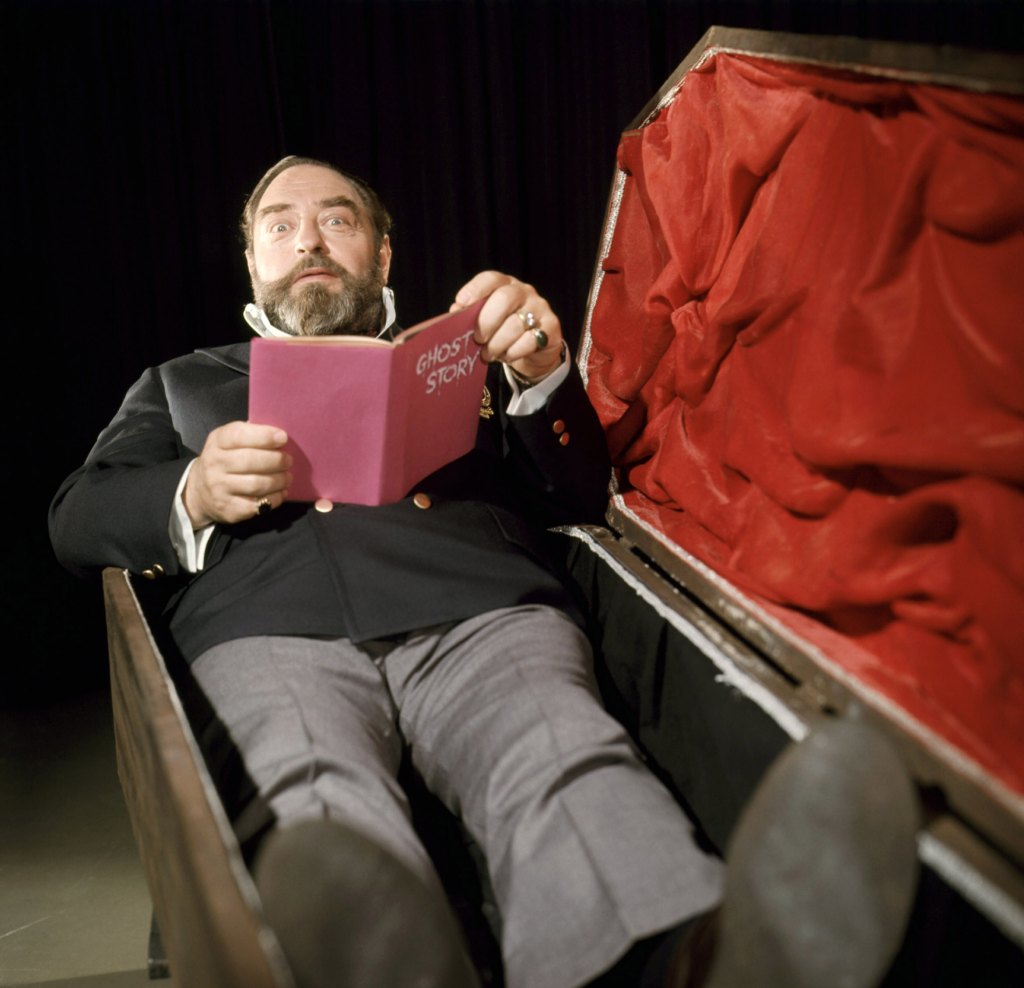
Following the conclusion of Family Affair, Cabot remained active in television, taking on the role of host Winston Essex in the series Ghost Story, along with guest appearances on various programs. He also starred in television films, including Miracle on 34th Street (1973) and The City That Forgot About Christmas (1974).
In his personal life, he was married to Kathleen Rose Humphreys from 1944 until his death. Cabot passed away from a massive stroke on December 12, 1977, at the age of 59. He and his wife had three children.
Kathy Garver (“Cissy”)
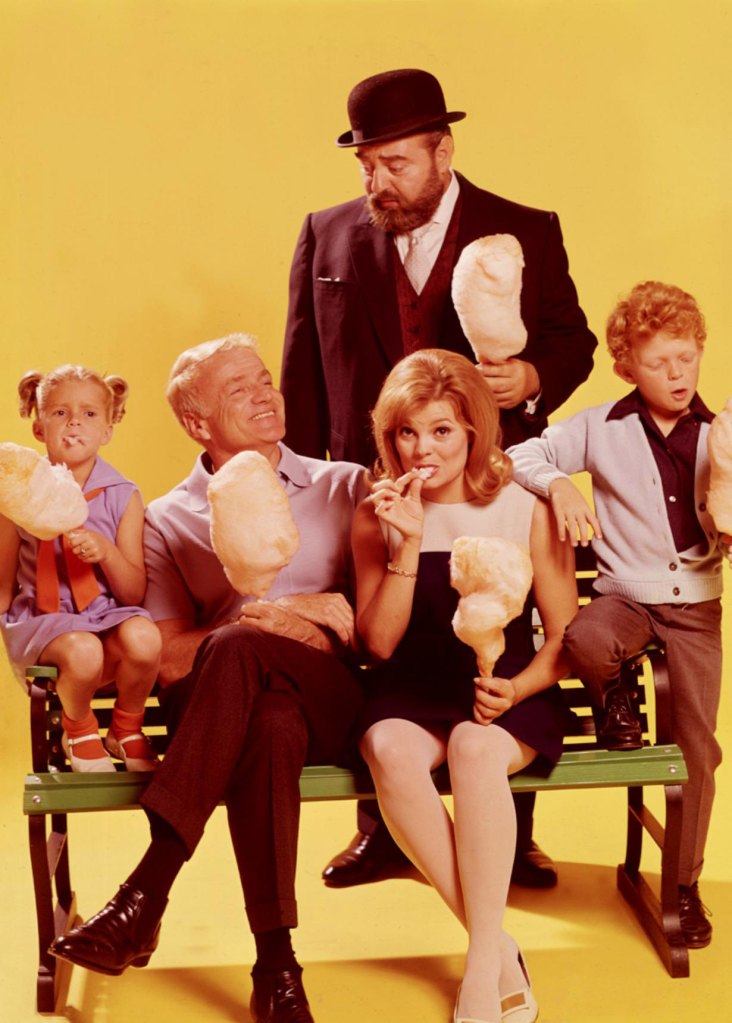
Born December 13, 1945, in Long Beach, California, Kathleen Marie Garver found her way into acting at a young age, developing an interest in performance by the time she was around nine years old. That early enthusiasm translated quickly into work, even if it began in the background. She appeared uncredited in a number of notable films, including The Night of the Hunter (1955), I’ll Cry Tomorrow (1955), The Bad Seed (1956) and, memorably, as a child slave in The Ten Commandments (1956).
Her first credited role came with Monkey on My Back (1957), and she continued building her résumé with Kiss Me, Stupid (1964). Television proved equally welcoming, with guest appearances on series such as Our Miss Brooks, Sergeant Preston of the Yukon, Father Knows Best, The Rifleman, Dr. Kildare and The Patty Duke Show. She also held a regular role on This Is Alice (1958), further establishing herself as a working young actress.
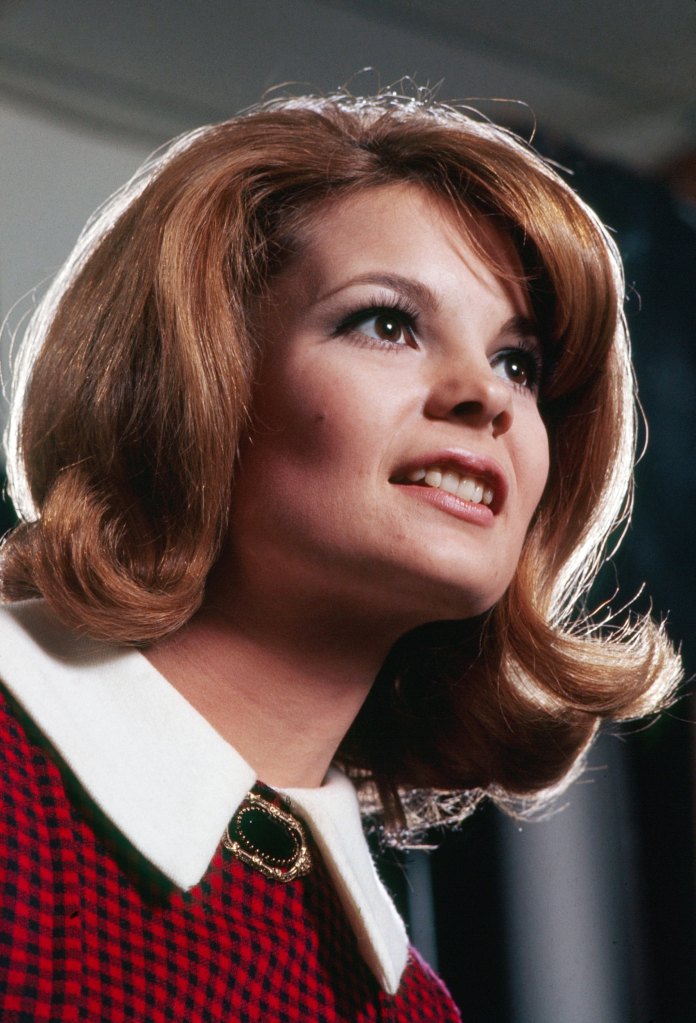
By the time she stepped into the role of Cissy on Family Affair, Garver had already accumulated a solid body of experience. Interestingly, she didn’t necessarily see acting as a lifelong pursuit. At the time, she was open to the idea that her career might eventually give way to other ambitions, including completing her college education and building a more traditional family life. If there was a lingering frustration during her time on the series, it was that the show’s format didn’t always allow her character to mature at the same pace she was in real life—though, over time, there were opportunities for that evolution to come through.
After Family Affair concluded, Garver shifted gears in ways that allowed her to continue performing while exploring new avenues. Voice work became a significant part of her career, with credits including The Fonz and the Happy Days Gang, Spider-Man and His Amazing Friends, The New Yogi Bear and The Real Ghostbusters. At the same time, she maintained a presence in live-action television through guest roles, culminating in a 2020 appearance on TV Therapy, and appeared in dozens of feature films.
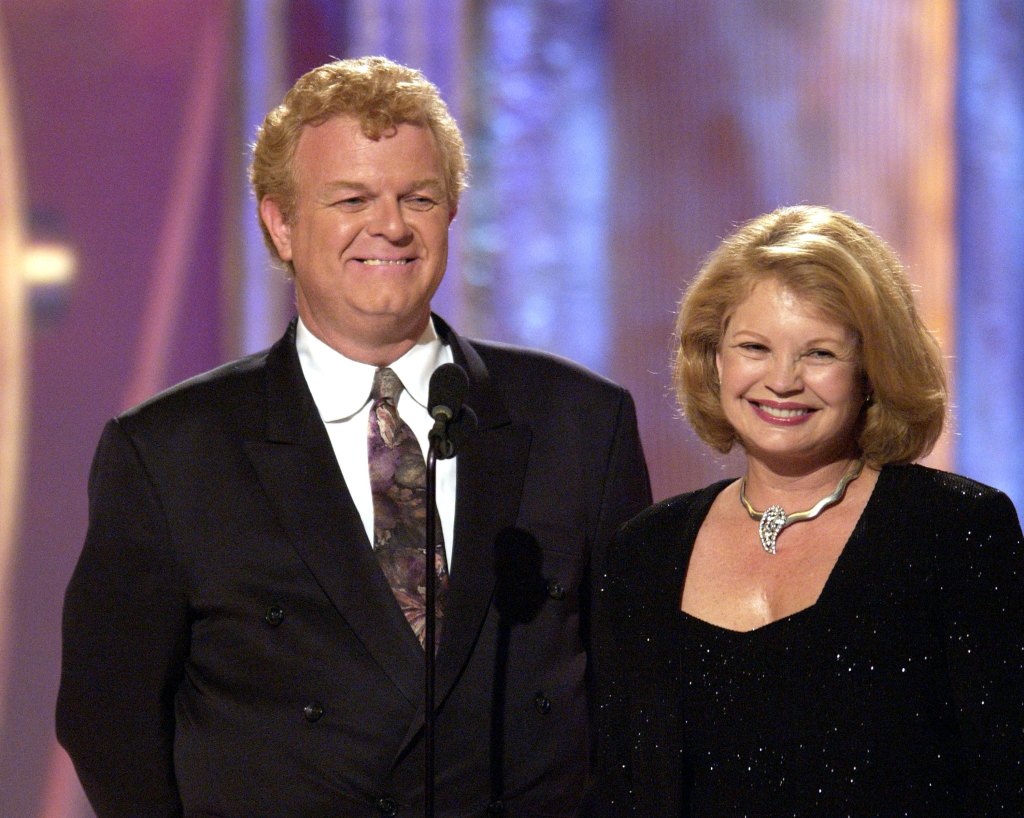
In a full-circle moment, she revisited her most famous role decades later with the 2020 web series Aunt Cissy, once again stepping into the life of the character who had defined her early career. Offers the official description: “Cissy hit the big time as a teenager in New York City, becoming one of the top models and actresses of her generation. Now she lives in Los Angeles, and is about to retire from show biz in order to live a new, adventurous life roaming the world with her fiancé, hotshot film producer, Robert, when who should show up on her doorstep but her twin niece and nephew, needing a place to live! Will she leave town and lead a life of adventure, or will she give up her plans and stay with her family?” Guess the answer.
Beyond acting, Garver expanded into writing and audio production, producing, narrating, writing lyrics and composing music for eight Beatrix Potter audio adventures, as well as eight additional projects centered on Mother Goose. She also co-wrote The Family Affair Cookbook and her autobiography, Surviving Cissy: My Family Affair of Life in Hollywood.
In her personal life, she has been married to David Travis since 1981, and the couple has one son.
Anissa Jones (Anissa ‘Buffy’ Davis)
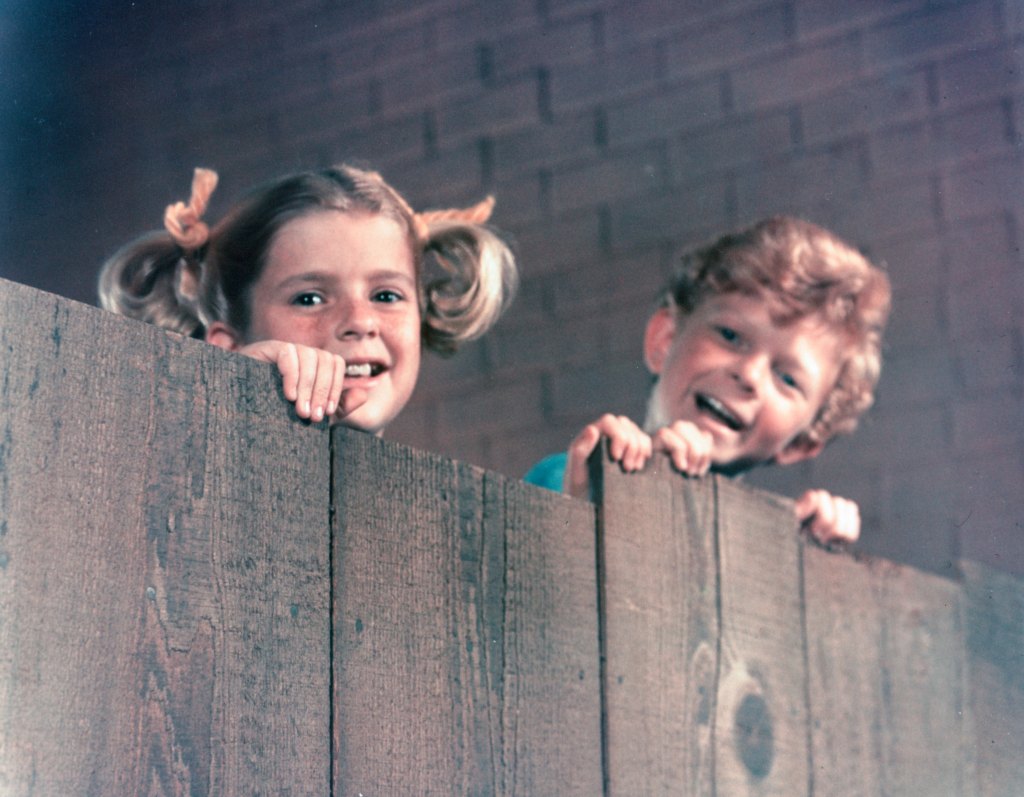
Of all the stories connected to Family Affair, Anissa Jones’ is, without question, the most heartbreaking. She was born March 11, 1958, in Lafayette, Indiana, and from the very beginning, her life seemed to be moving toward performance. Her mother enrolled her in dance classes when she was just two years old, setting the stage for what would quickly become a career in front of the camera. After her parents’ divorce, Anissa moved with her mother to California, where opportunity arrived early. At the age of six, she was taken to a commercial audition, landed the role and almost immediately found herself on a path that would lead directly to Family Affair.
The show turned her into a recognizable television personality almost overnight. As “Buffy,” she became a favorite with audiences, appearing regularly not only on the series but in public appearances that reinforced her image as the adorable youngest member of the Davis household. But that visibility came at a cost.
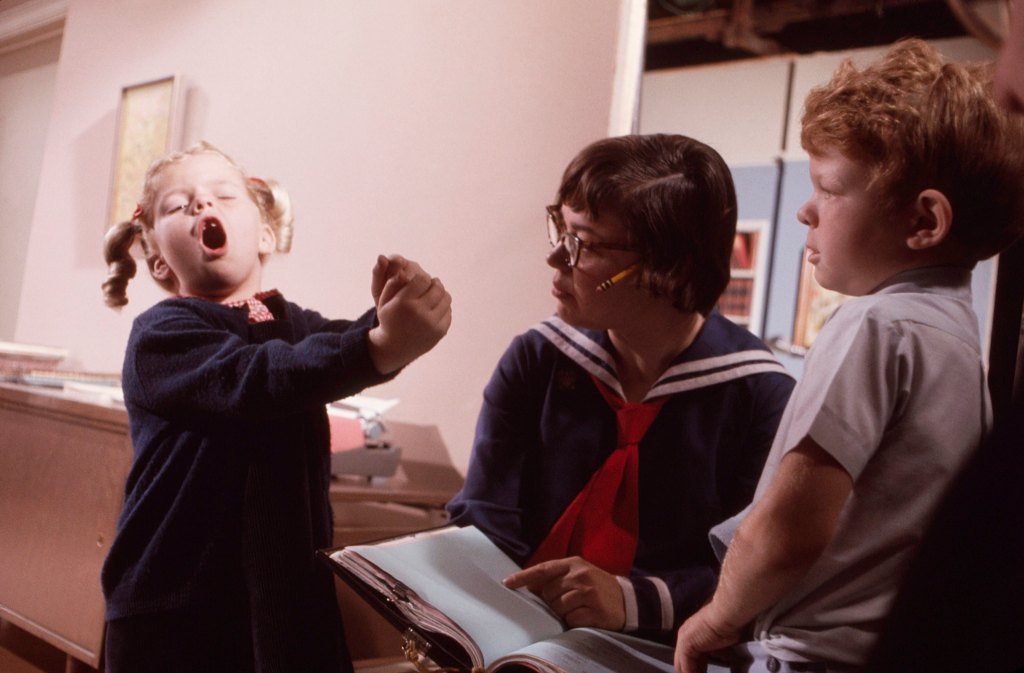
As the years passed, Anissa found herself increasingly confined by the very role that had made her famous. While she was growing up in real life, the industry—and the public—continued to see her as the same small child. She remained frozen in that image of a wide-eyed nine-year-old, even as she began to enter her teenage years, a disconnect that became a source of mounting frustration.
When Family Affair came to an end, Anissa did consider continuing her acting career, but quickly ran into a frustrating reality: casting agents and producers couldn’t see past the image of “Buffy.” Unable to break free from that identity, she stepped away from acting altogether and attempted to embrace a more typical teenage life by attending high school, but normalcy proved elusive. She struggled to find her place, feeling disconnected from those around her and unsure of where she truly fit in.
In that vulnerability, she gravitated toward a crowd that ultimately led her down a destructive path. Substance abuse took hold and on August 28, 1976, at just 18 years old, Anissa Jones died of a drug overdose—one that the coroner would later describe as among the most severe he had ever encountered.
Johnny Whitaker (Jonathan Joshua “Jody” Patterson Davis)
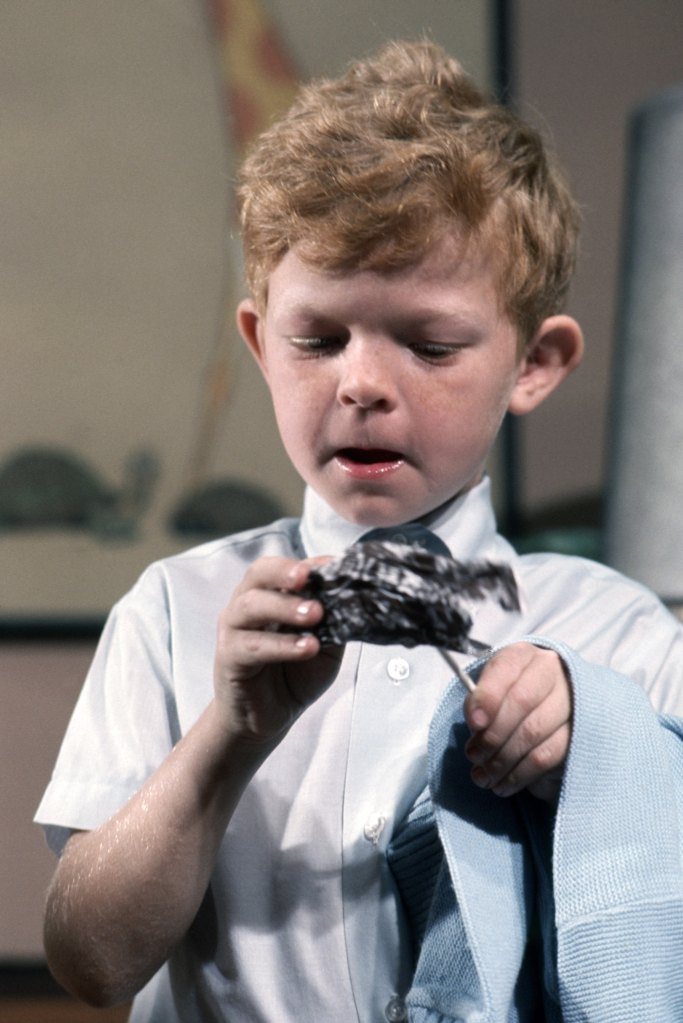
Born John Orson Whitaker Jr. on December 13, 1959, in Van Nuys, California, Johnny Whitaker entered the entertainment world at an age when most kids are just beginning school. His first experience in front of a camera came through a television commercial for a used car dealership, a modest beginning that quickly led to additional advertising work, including spots for Mattel.
By 1965, he had moved into television drama, taking on the role of Scotty Baldwin on the daytime soap General Hospital. The following year brought a significant step forward with a part in the feature film The Russians Are Coming, the Russians Are Coming, a project that would also mark his first meeting with Brian Keith—well before the two would share the screen on Family Affair. Once cast as Jody, one half of the Davis twins, Whitaker became a familiar face to audiences while continuing to appear in other series such as Bewitched and The Virginian during the show’s run.
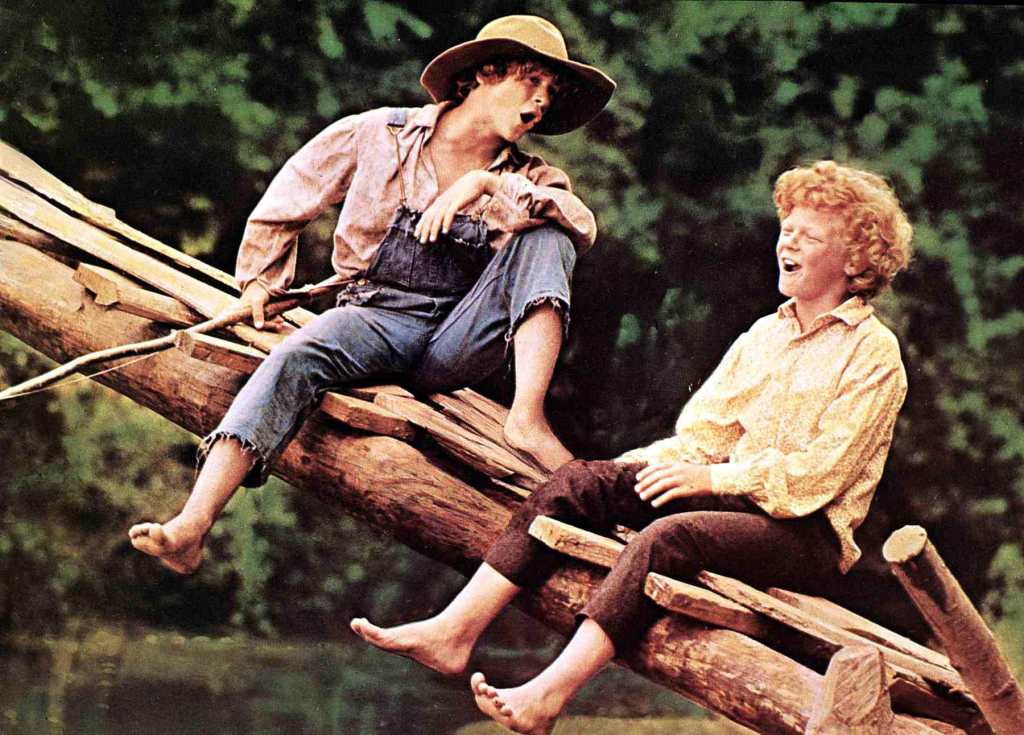
After Family Affair concluded, Whitaker’s career maintained its momentum. He appeared in a two-part storyline on Gunsmoke and went on to star in a string of Disney films, including Snowball Express, The Biscuit Eater and Napoleon and Samantha (all released in 1972), followed by The Magic Pony (1977). In 1973, he also became part of Saturday morning television as a regular on the Sid and Marty Krofft series Sigmund and the Sea Monsters. That same year, he took on the title role in Tom Sawyer, which would stand as one of the most prominent film performances of his career.
As he transitioned into adulthood, Whitaker’s professional life expanded beyond acting. He spent time working as a computer consultant at CBS and later joined his sister in operating their talent agency, Whitaker Entertainment. In 2012, he co-produced and co-hosted the talk radio program The Dr. Zod and Johnny Show, and in 2018, he returned to one of his earlier successes with a guest appearance on the Amazon revival of Sigmund and the Sea Monsters.
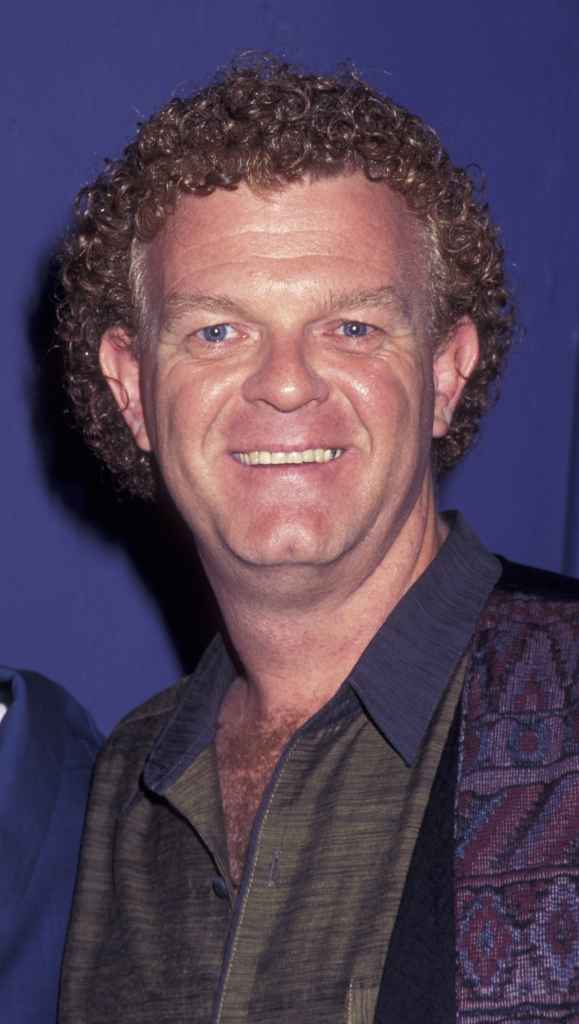
His personal life, however, included significant challenges. He was married to Symbria Wright from 1984 to 1988, and during this period, he struggled with drug and alcohol addiction. It was only after his family made it clear that they would distance themselves from him that he committed to turning his life around. By all accounts, he has remained sober since and has gone on to become a certified drug counselor, using his experiences to help others facing similar battles.
Brian Keith (William Sean Roger “Uncle Bill” Davis)

Unlike many television actors of the era, Brian Keith didn’t arrive on the small screen as an unknown quantity. By the time Family Affair came along, he had already built a substantial career in films, which made the transition to a weekly TV series something he approached cautiously. Producer Don Fedderson ultimately made it work by structuring Keith’s schedule in a way that mirrored the deal Fred MacMurray had on My Three Sons: his scenes would be filmed in concentrated 30-day blocks, allowing him to maintain flexibility for other projects. It was an unusual arrangement, but one that had already proven effective.
Born Robert Alba Keith on November 14, 1921, in Bayonne, New Jersey, he came from a family deeply rooted in performance—both of his parents were actors. His early years were shaped by instability, including his parents’ divorce when he was four, after which he was largely raised by his grandmother in New York. That upbringing, along with the influence of his theatrical family, helped steer him toward the stage.
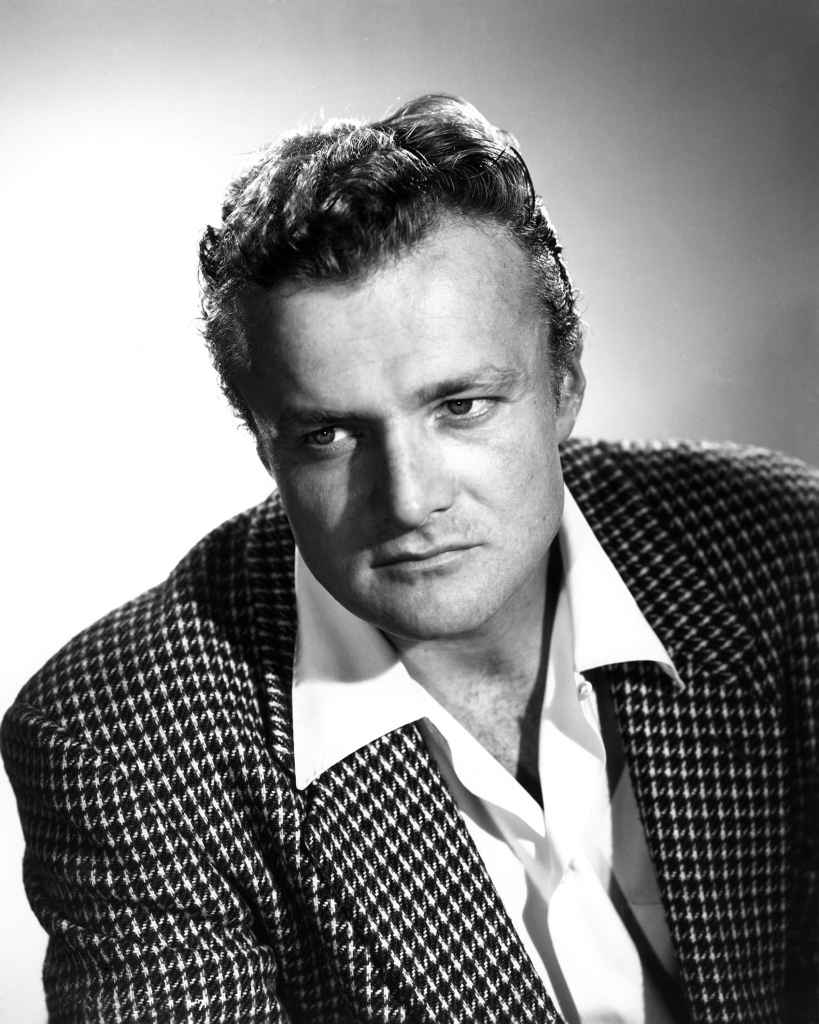
Following his service as an air gunner in the Marines during World War II, Keith returned home and began pursuing acting in earnest. His Broadway debut came with Mister Roberts in 1948, followed by Darkness at Noon and Out West of Eighth. From there, he moved into the emerging world of television, appearing in anthology series such as Tales of Tomorrow, The United States Steel Hour and Robert Montgomery Presents, while simultaneously establishing himself in films like Arrowhead (1953), Alaska Seas (1954), The Violent Men (1955), Storm Center (1956) and Dino (1957). He proved adept at moving between mediums at a time when many actors were discouraged—or outright prevented—from doing so.
Television starring roles soon followed. He led the series Crusader (1955–1956) as journalist Matt Anders, a man driven by personal loss to fight injustice around the globe, and later starred in The Westerner (1960), portraying a drifting cowboy trying to carve out a future in the Old West. Meanwhile, his film career continued to flourish, highlighted by the enduring success of The Parent Trap (1961), which paired him with Maureen O’Hara—an actress who would become a lifelong friend.
BRIAN KEITH: “If it wasn’t for Disney, I’d still be wearing a gun on my hip.”
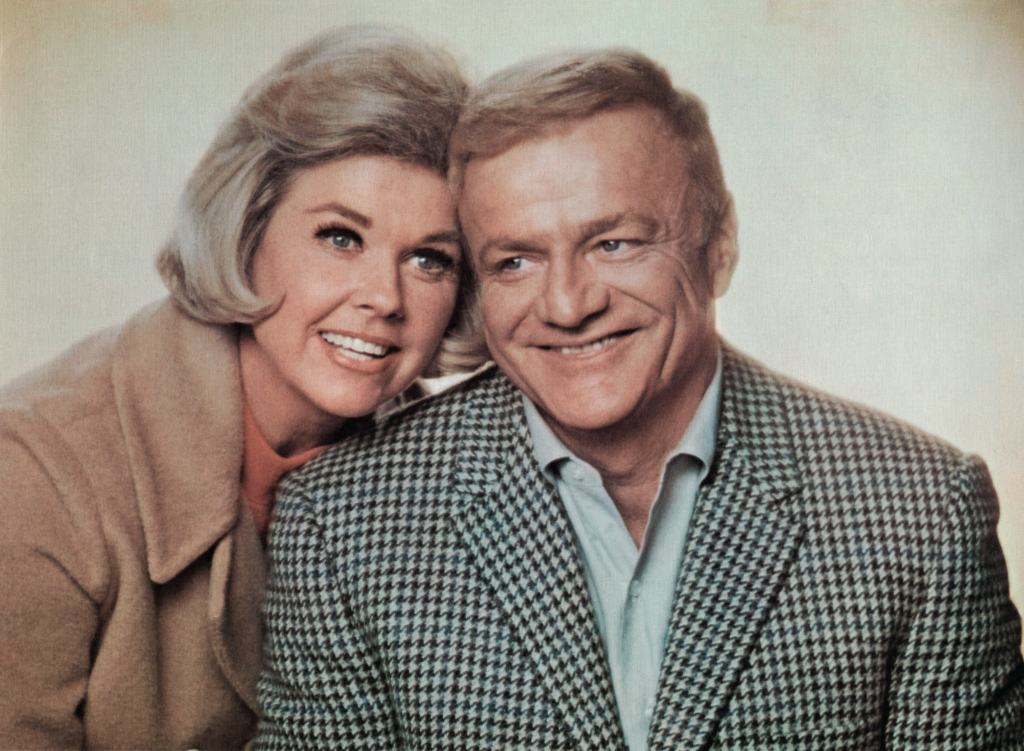
When Family Affair debuted in 1966, Keith found himself balancing television with a steady stream of film work, appearing in movies such as Reflections in a Golden Eye (1967), With Six You Get Eggroll (1968), Krakatoa, East of Java (1968), Gaily, Gaily (1969), Suppose They Gave a War and Nobody Came? (1970) and The Mackenzie Break (1970). Even during the show’s run, he maintained a pace that reflected his comfort moving between formats.
After the series ended in 1971, Keith relocated to Hawaii and headlined The Little People—later retitled The Brian Keith Show—playing a pediatrician working in a free clinic. That series ran from 1972 to 1974 and was followed by the miniseries The Zoo Gang, which reunited a group of former World War II resistance fighters. Attempts to launch additional series, including Archer, proved short-lived, but work never disappeared for long.

In 1983, he returned to television success with Hardcastle and McCormick, starring as a retired judge who teams with a former criminal to pursue justice outside the traditional system. The show ran for five seasons and reestablished him as a dependable presence on television. From there, he continued working steadily, with guest roles and film appearances carrying him through the remainder of his career.

His final screen appearances included the 1996 episode of Walker, Texas Ranger and the 1997 film Rough Riders, in which he portrayed President William McKinley. Off-screen, his life was far more complicated. He was married three times and had seven children, but in his later years he faced a convergence of personal and physical struggles, among them lung cancer, emphysema, depression and mounting financial difficulties. The emotional toll was compounded by the death of his Family Affair co-star Anissa Jones and, just two months before his own passing, the suicide of his daughter, Daisy.
On June 24, 1997, Brian Keith died from a self-inflicted gunshot wound at the age of 75. In the end, it appears the weight of those combined hardships became too great to bear.
Conversation
All comments are subject to our Community Guidelines. Woman's World does not endorse the opinions and views shared by our readers in our comment sections. Our comments section is a place where readers can engage in healthy, productive, lively, and respectful discussions. Offensive language, hate speech, personal attacks, and/or defamatory statements are not permitted. Advertising or spam is also prohibited.