Here’s What Happened to Actor Stanley Livingston After Playing Chip Douglas On ‘My Three Sons’
Livingston reflects on Fred MacMurray, William Frawley, Hollywood and life after the classic sitcom

Key Takeaways
- Stanley Livingston says William Frawley became like family to him.
- Fred MacMurray’s unusual work schedule helped keep 'My Three Sons' running.
- Livingston built a second career as a filmmaker, editor and writer after the sitcom.
For millions of television viewers, Stanley Livingston will always be Chip Douglas, the middle son on My Three Sons, one of television’s longest-running and most beloved family sitcoms. Over the course of 12 seasons, audiences watched him grow from a nine-year-old child into a young man, all under the guidance of Fred MacMurray’s patient classic TV father, Steve Douglas. But while the role permanently linked Livingston to one of television’s most enduring family series, his real life unfolded in ways that were often far more unexpected.
Born November 24, 1950, in Los Angeles, Livingston came from a family with roots in show business, though not the kind most people would expect. “My dad had just given up his ownership in a business that his grandfather started, which was a burlesque theater,” he shares with Woman’s World in an exclusive conversation. “And my mom was a dancer at the burlesque theater and she didn’t want anybody to know, so they moved from Baltimore to California to kind of bury the tracks of what was their ‘seedy’ lifestyle back then. That may have been considered seedy, but the way my parents interacted with people—and with us—was completely different. We were never beaten. We were never screamed at. My dad was the gentlest guy imaginable and you could talk to him about anything. Especially later in life, I considered him one of my best friends as much as my father.”

The family atmosphere he describes was far more stable than the home lives many child actors experienced. “I had friends whose dads never talked to them, or were physically violent or were drunks,” he continues. “I even took one friend in for a while because both of his parents were alcoholics. About once a year, they would destroy their apartment. You’d go over there and the whole place would be wrecked inside. I kept thinking, ‘Why should he have to live like this?’ So my life at home was actually pretty good. It wasn’t perfect, but it was closer to Ozzie and Harriet than Who’s Afraid of Virginia Woolf?”
Swimming star
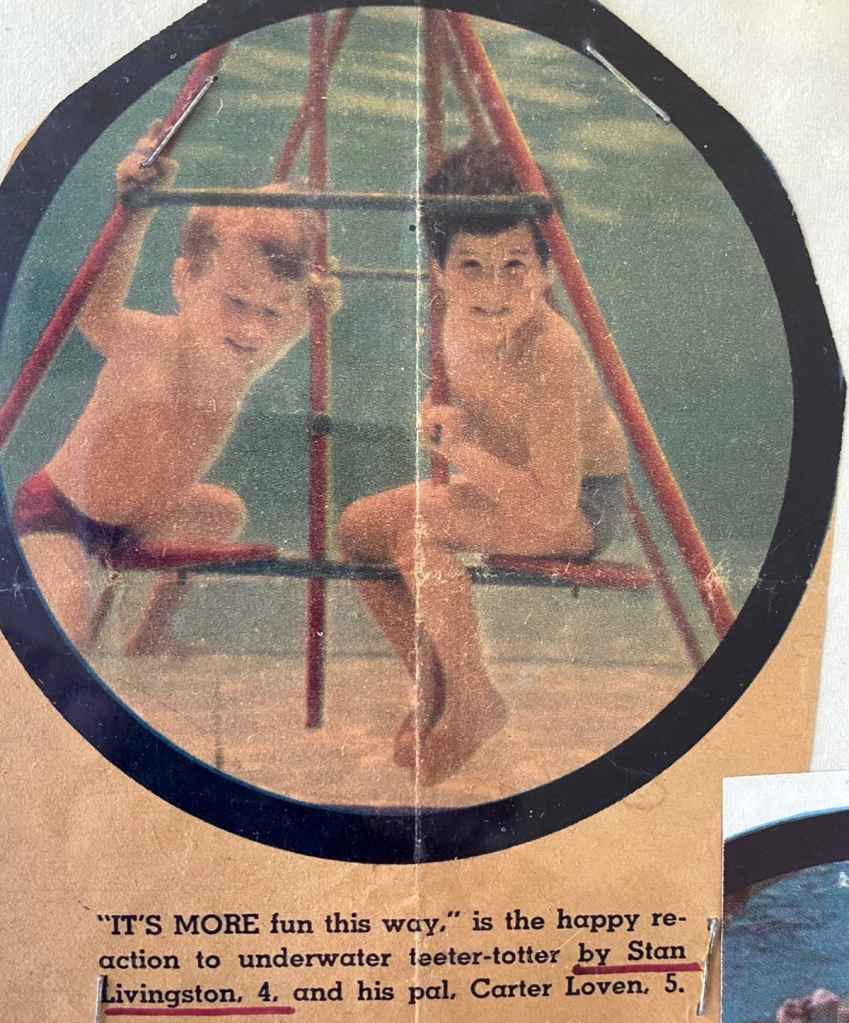
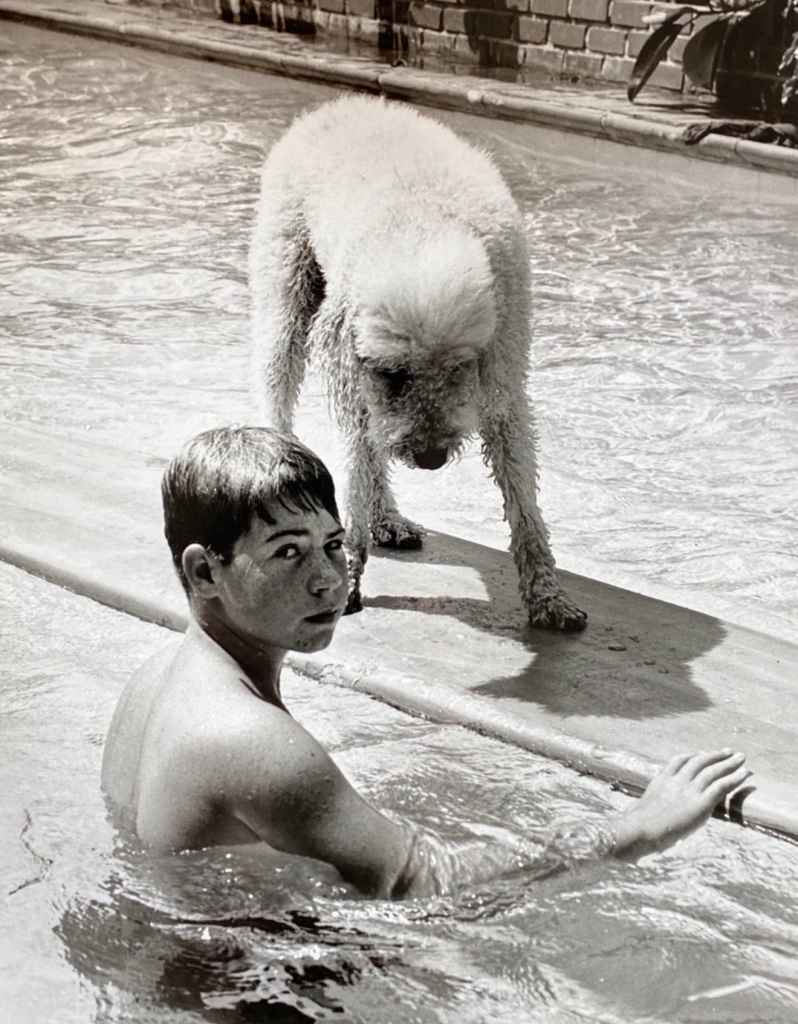
Ironically, Livingston’s path into acting began because his mother wanted him to learn how to swim. Following the drowning of a relative who didn’t know how to, she enrolled Stanley—and eventually younger brother Barry—at a famous Hollywood swim school run by Jen Loven.
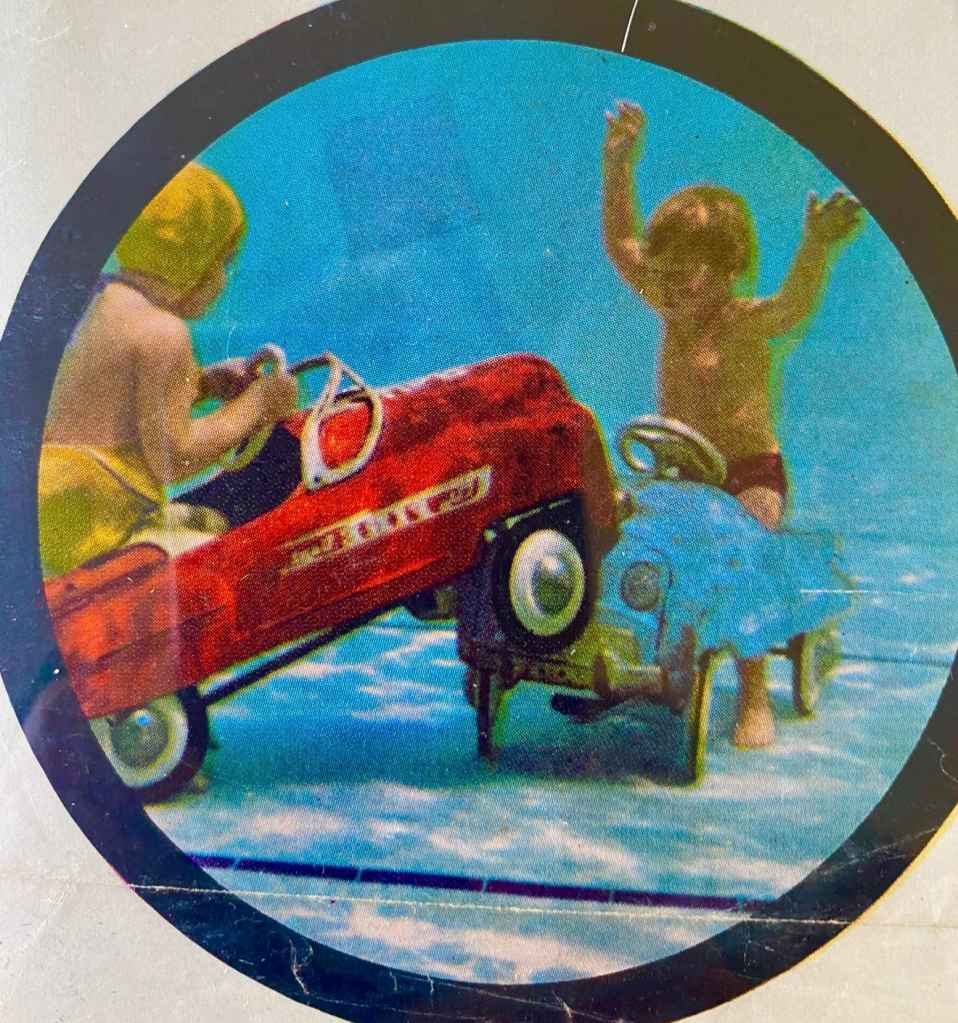
“She had a window cut in the side of the pool with a big, thick piece of glass and a four-foot porthole cut into it. You could go down steps on the outside of the pool and shoot underwater pictures,” he recalls. “Then she kind of turned us into a three-ring circus. We were driving little pedal cars underwater and she put a swing under there and bicycles and we’d do all this stuff. Hollywood-type people started bringing their kids to learn how to swim—they were agents, managers, producers, directors.”
One of those visitors was a talent agent who believed that the outgoing youngster belonged in front of a camera. “She thought I had the right qualities to be a child actor,” Livingston reflects. “And the timing couldn’t have been better because I already loved performing. As soon as they would say there was a play or a musical in school, I was, like, ‘Pick me.’”
Even before acting professionally, Livingston had already found his own strange way of imagining himself on television. “Behind our house was a TV, a wooden box that carried the TV screen, but the screen was missing,” he notes. “What I would do is drag the TV away from the wall and then I would get in there. I felt like I was on TV, even though I was literally in the TV. I had my friends come over and I would entertain them. Had puppets and probably was watching Superman at the time. I think I had my Superman outfit and I remember diving through the TV.”
From ‘Ozzie and Harriet’ to ‘My Three Sons’

Eventually, small acting jobs followed, but the real turning point came on the sitcom The Adventures of Ozzie and Harriet. “I finally hit pay dirt,” enthuses Livingston. “I got cast as an extra on Ozzie and Harriet. Ozzie Nelson gave me a line of dialogue, and that changed me from being a background performer into a speaking actor. Once you have a line and you’re on camera, you can join the Screen Actors Guild, which I promptly did right after that.”
From there, the jobs came steadily: Please Don’t Eat the Daisies, Rally ’Round the Flag, Boys!, The Bonnie Parker Story and numerous television appearances. Around the same time, former Our Gang/Little Rascals cast member Jackie Cooper cast him in an unsold television pilot based on his childhood film Skippy, a project Livingston now recognizes as one of the defining moments of his career.
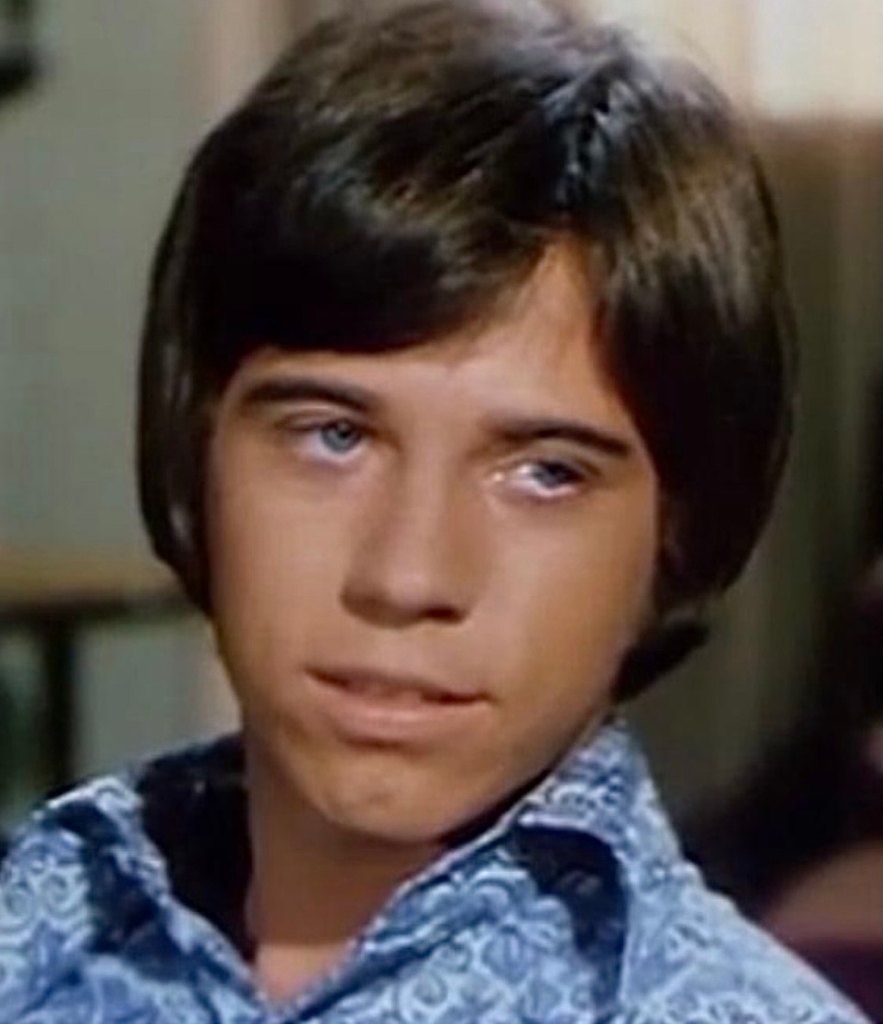
“I even had my name above the title, which was pretty crazy,” he laughs. “That pilot got me a lot of work. It ended up getting me My Three Sons, which I guess you could say was the cherry on the sundae at that point. And I could see why they hired me—I was literally in the whole show and it had some heavy dramatic scenes that had people crying. I was also kind of a fun, quirky little kid, which I didn’t realize until I saw it years later. I had a weird little personality that shined through, at least on film, so I think they saw that and it cemented the possibility of me being Chip Douglas.”
As it turned out, Livingston nearly chose a very different path. “Right around the time My Three Sons started, I was up for a movie version of Huckleberry Finn that was going to be shot overseas,” he explains. “Knowing me, if the choice had been left entirely up to me, I probably would’ve picked Huckleberry Finn and never done My Three Sons. And that probably would’ve been the end of my career.”
Instead, his agent pushed him toward the television series. “He was probably thinking, ‘If he does Huckleberry Finn, I’ll get one paycheck. If he does the TV series, I’m going to get paid 39 times a year.’ Of course, nobody imagined it would last 12 years.”
Looking back, Livingston realizes the timing may have saved him from the fate that derailed many former child stars. “That was the death blow for a lot of child actors—not having a permanent job during your mid-teen years. Producers would just hire somebody who was 18 but looked 15.”
Life at home and on set
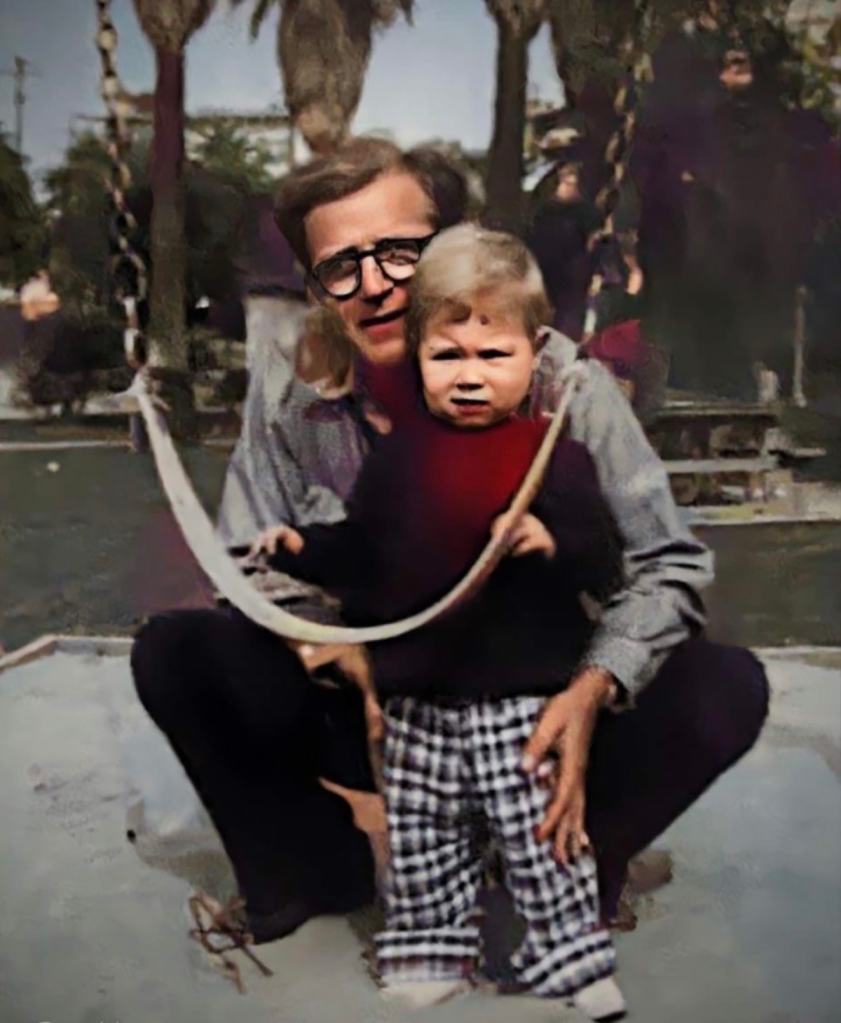
The remarkable thing is how ordinary much of his life remained despite growing up on television. “When we came home from work, we didn’t have to be driven to a park,” he says. “We just climbed over a fence and were in a park playing baseball and meeting our friends and doing what we would do till it was dark and then come in, eat dinner, learn our lines and do our homework and get up the next day and do it all over again for 12 years.”
He attended public school throughout his childhood, maintaining friendships that had nothing to do with Hollywood. “These were my friends from the time I had friends, really, so I wanted to maintain that.”
His parents also made sure that acting never completely consumed family life. “We were always given the license, ‘Hey, if you don’t like what you’re doing or you don’t want to go back next year, you don’t have to.’ My dad always worked and made a good living. Most of our money was put away into bonds for when we turned 18, so it was a good chunk of money when we grew up.” That money, of course, coming from all of those years on My Three Sons.
By the early 1960s, the series had become one of television’s defining family sitcoms, following widowed engineer Steve Douglas, played by Fred MacMurray, as he raised sons Mike (Tim Considine), Robbie (Don Grady) and Chip with the help of William Frawley’s lovable grandfather figure, Bub O’Casey. Over the years, the series evolved along with its audience, with William Demarest eventually joining the cast as Uncle Charley, and Stanley’s real-life younger brother, Barry Livingston, later becoming part of the television family as adopted son Ernie. For Stanley Livingston, however, the show was more than a hit sitcom — it was the environment in which he grew up, and among the most important figures in his life during those years were MacMurray and Frawley. MacMurray, despite stories that he was rarely around, left a lasting impression on the young actor.
“I’ve done a lot of other things, but I’m remembered for My Three Sons, and that’s called the ‘Fred MacMurray Effect,’” Livingston muses. “Fred must have done close to a hundred movies, if not more, but when he passed away, his obituary didn’t talk about The Caine Mutiny, Double Indemnity or The Apartment. It said, ‘Played the dad on the quintessential family series My Three Sons for 12 years.’ That’s how the audience wanted to remember him.”

Livingston also pushes back against the longtime misconception that MacMurray barely worked on the show. The truth is, as would later be the case with Brian Keith on the 1966 to 1971 sitcom Family Affair, his shooting schedule would be front-loaded as each season began. “We would shoot the master, we would shoot Fred’s close-up and then move on and come back sometimes three or four months later and shoot all our close-ups and reactions. Then he would come back months later to shoot whatever else was needed of him. But he worked like a dog while he was there. ”
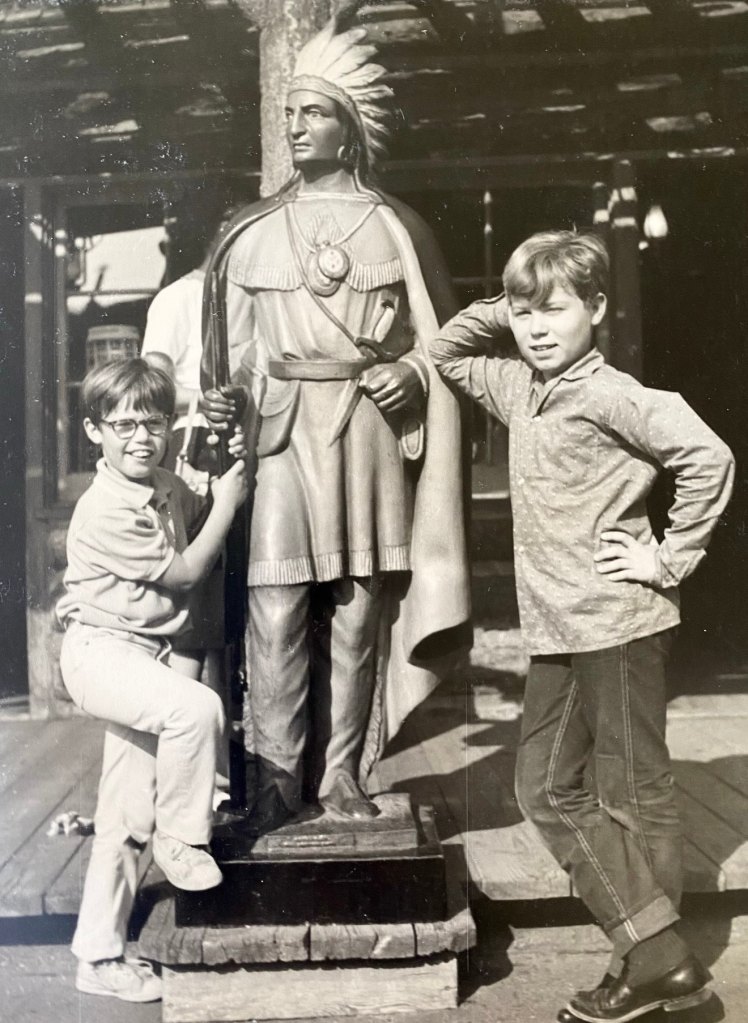
If MacMurray represented professionalism, William Frawley, already a classic TV legend for his role of Fred Mertz on I Love Lucy, became something more personal. “I basically asked him to be my grandfather,” admits Livingston. “I didn’t know either of my grandfathers—they’d passed away before I was born—and I guess I was longing for what everybody else had.”

That closeness made Frawley’s departure from the series following Season 5 especially painful. Shares Livingston, “He had issues with his heart and that’s the reason he didn’t come back, which was really heartbreaking. I think that all he had was the show and to take that away from him… I don’t think the producers really wanted to do that, but because of that shooting schedule, there was no other way to do it. The thought was, ‘Well, if he doesn’t last a year and we shot 13 episodes with him only partially in them and he passes in between, we’ve got to shoot all of that over again with another guy.’ It was just bad luck, but it was very emotional for me just because we were so close. And at that point, my brother wasn’t on the show, so Bill was my main buddy in entertainment and hangout partner. I ate lunch with him every day for three or four years and we went to ballgames together. I suspect it made him wish he had kids.”
Changing goals

By his mid-teens, Livingston’s interests were already beginning to shift away from acting itself and toward filmmaking. “I became aware of filmmaking when I was about 16,” he explains. “I started paying more and more attention and talking to the crew guys, the camera guys, the editing people, the assistant director. I’d say, ‘Look, I want to learn how you schedule this.’ So I really got the lowdown on how and why things were being done.”
That curiosity eventually led him into editing, producing and writing. He formed a production company with partner Joey Lombardo and began developing projects of his own. “I also went through a period where I was really focused on writing. I had one script that got optioned four different times, so for a while I was actually making a living just from the options.”
The screenplay, inspired in part by The Sting, centered on two con men attempting to sell the Eiffel Tower to a German industrialist on the eve of World War II. “ABC Circle Films had it for a while and there was talk of turning it into a two-part miniseries. Director Bernard Kowalski was attached at one point.”
Other scripts followed: science fiction, horror and historical adventures, including one project that took him to China in the early 1990s. “I probably have another 10 scripts sitting around,” he says. “Sometimes I think about taking that Eiffel Tower project back out again because it did get optioned four times and got me my writing agents. Then the other side of me says, ‘Why do I want to do this again?’ The industry just isn’t the same anymore.”
Outside of My Three Sons, the project most people still recognize him from is the epic western How the West Was Won, which introduced him to the world of Cinerama and eventually sparked a lifelong interest in film preservation. “As far as my career, that’s probably the thing I’m known the most for outside of My Three Sons, that movie. I can’t believe how many people have seen it and still watch it.”
Years later, he even participated in a new Cinerama production, placing him in rare company alongside Debbie Reynolds and Russ Tamblyn as one of only three actors to appear in more than one Cinerama film.
Now, at 75, Livingston finds himself increasingly thinking about the possibility of a memoir.

“My wife wants me to do it just so there’s something left behind, I guess,” he states. “Every time I think of a funny story or anecdote, I write it down and it’s become a chronology, as best I can remember it, of everything in my life.”
Looking back across more than seven decades in and around Hollywood, Stanley Livingston sounds less nostalgic than grateful. “You know, I can’t tell you how many people I’ve known have passed away in the last two or three years,” he reflects. “They were actor friends of mine and people who either got sick or just had depressing things happen to them. I have to admit, and I’m knocking on wood here, I’ve led a charmed life. I mean, it’s been as good as it can be. I’m not Ron Howard, but it’s been good.”
Conversation
All comments are subject to our Community Guidelines. Woman's World does not endorse the opinions and views shared by our readers in our comment sections. Our comments section is a place where readers can engage in healthy, productive, lively, and respectful discussions. Offensive language, hate speech, personal attacks, and/or defamatory statements are not permitted. Advertising or spam is also prohibited.