Brian Keith: The Life, Career and Tragic Final Years of the ‘Parent Trap’ and ‘Family Affair’ Star
From Disney films to hit TV series, the actor’s long career and deeply personal struggles explored

Over a career that stretched nearly seven decades, Brian Keith appeared in more than 60 feature films and headlined multiple television series. Yet for Keith and much of the viewing public, two projects ultimately defined him more than any others: Disney’s original version of The Parent Trap, opposite Hayley Mills, and the classic 1960s sitcom Family Affair. Those roles endured not simply because of their popularity, but because they seemed to reflect something essential about Keith himself in a way many of his tougher or more cynical characters did not.
“He was a grounded human being,” observes pop culture historian Geoffrey Mark, “who was good looking enough and talented enough to make a living in show business, but his heart was more about his family, his kids, the people he loved and the things he got to do with them because of the money he was making. I don’t think he was as married to his stardom as some other actors of his generation were.”
As Mark further notes, “Most people in show business who are truly happy make certain that they have a successful personal life as well as a successful career. My opinion is that Brian did not advocate for the quality of work that he should have. He took what came along with a paycheck attached to it, as opposed to, ‘I’m not going to work for a year or two until I find just the right script.’”
Brian Keith’s early years
Born Robert Alba Keith on November 14, 1921, in Bayonne, New Jersey, to actor Robert Keith and stage actress Helena Shipman, Brian Keith would spend a lifetime navigating that uneasy balance between professional opportunity and personal priorities—sometimes successfully, sometimes at great cost.
The Journal News (1966): “Keith arrived in 1921 while his parents were touring in John Golden’s road company of Three Wise Fools and spent the first seven years of his life going from town to town with them. If ever there was a stage kid, Brian Keith is one.”
Brian Keith: “I spent the first two or three years of my life in hotels and vaguely remember working in my first silent movie. I didn’t like it. No youngster wanted to be an actor then; you wanted to be a cowboy or fireman or something like that.” (Star-Gazette)
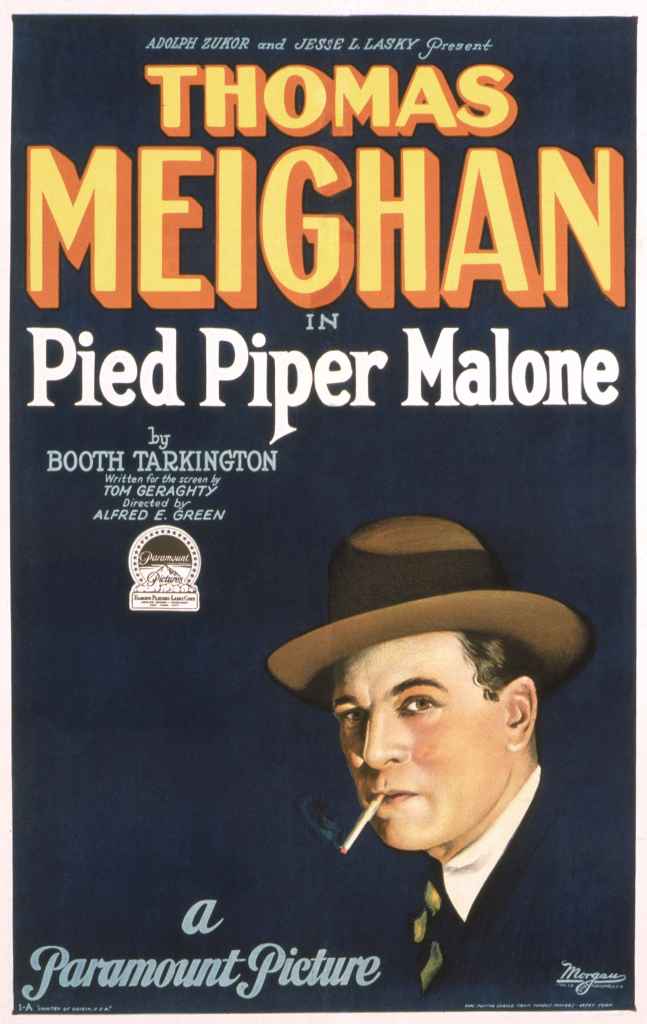
The film he was talking about was the 1924 silent Pied Piper Malone, released the same year as The Other Kind of Love. Not long afterward, his parents’ marriage ended, sending their lives—and his—down separate paths. His father headed west to Hollywood, intent on building a future as an actor and writer, while his mother remained committed to a career on the stage and in radio. Keith was sent east to Long Island, where he spent much of his childhood under the care of his grandmother, who played a central role in his upbringing and was the one who taught him how to read.
Brian Keith: “I had no intention of going on the stage myself. What I wanted was a career at sea and to attend the Merchant Marine Academy. But you can’t be a ship’s officer without passing a few math courses and I came up with a big fat zero in algebra. In fact, no matter how many times I repeated the course, it still came up zero. So it was goodbye Navy career.” (Press and Sun-Bulletin)

One of the strangest—and most haunting—footnotes in Brian Keith’s early life involves a figure who has become inseparable from Hollywood legend. From 1927 to 1929, his stepmother was Peg Entwistle, a rising Broadway actress whose promise never translated into lasting success in films. After the marriage ended, Entwistle struggled to gain traction in Hollywood, finding herself trapped in small, unfulfilling roles at a time when the industry was already quick to discard those it deemed expendable. In September 1932, frustrated and despondent, she climbed a ladder to the top of the “H” on the Hollywood Sign and jumped to her death. The tragedy shocked the industry and became one of its most enduring cautionary tales—a grim reminder of the gap between Hollywood’s promise and its reality, and an unsettling chapter tangentially linked to Keith long before he forged a career of his own.
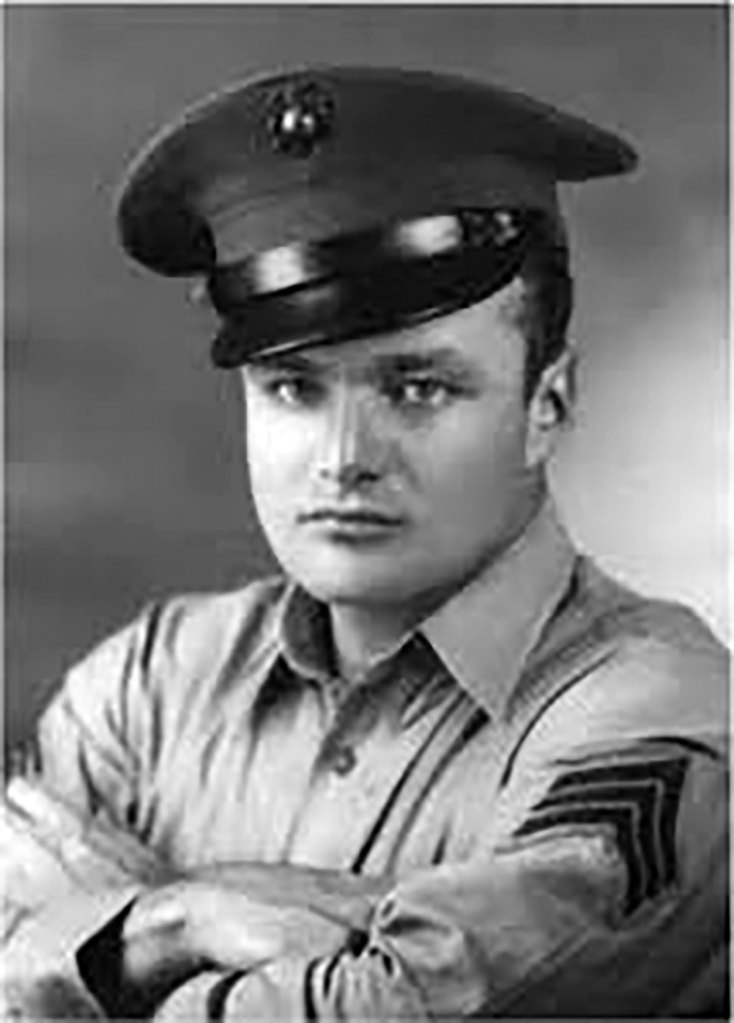
After graduating from East Rockaway High School in 1939, Brian Keith’s life followed a path shaped by war rather than the arts. He enlisted in the United States Marine Corps, serving from 1942 to 1945 during World War II as an air gunner. The experience was a defining one, exposing him to danger, discipline and responsibility at an early age—qualities that would later inform the tough, no-nonsense authority figures he so often portrayed on screen.
Acting takes center stage
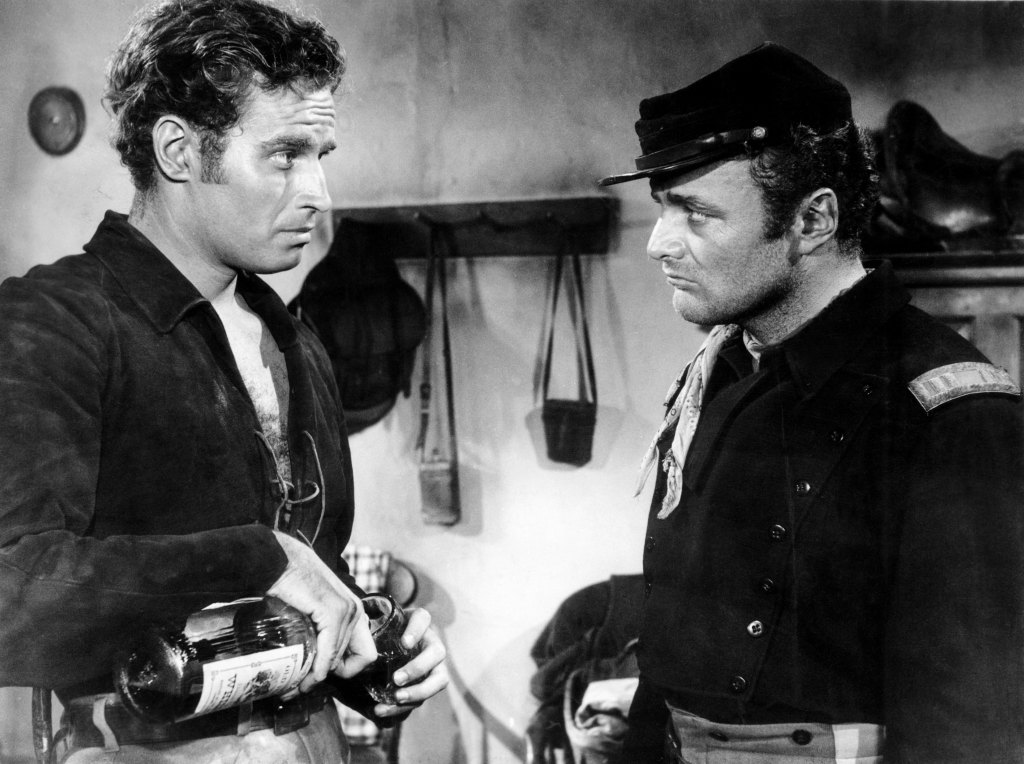
Returning home after the war, Keith found himself reassessing his future. Taking advantage of the GI Bill—and ignoring his earlier feeling that acting wasn’t for him—he enrolled in acting classes, discovering that performance offered both an outlet and a sense of direction he had not previously considered. That training soon paid off when he landed a featured role in the stage production of Mister Roberts, marking the beginning of a professional acting career that would steadily build momentum in the years to come.
Brian Keith: “I did that on Broadway for three years. They brought me to Hollywood for a big romantic thing with Jennifer Jones, but then she quit and went to Italy and that picture was out. So they put me in a piece of junk about the Apaches. I’ve been doing action pictures mostly ever since. I’ve often wondered what would have happened if Jennifer Jones hadn’t quit. I might be a romantic hero now.”
By the early 1950s, Keith was steadily finding his footing as a working actor. In 1951, he appeared on Broadway in Darkness at Noon, a serious, politically charged production that reflected the kind of material he was initially drawn to on stage. Two years later, he made his first credited appearance on the big screen in Arrowhead. The role opened the door to a remarkably busy decade in film: By the end of the 1950s, he had appeared in 19 additional movies, including The Violent Men, Run of the Arrow, Desert Hell and The Young Philadelphians.
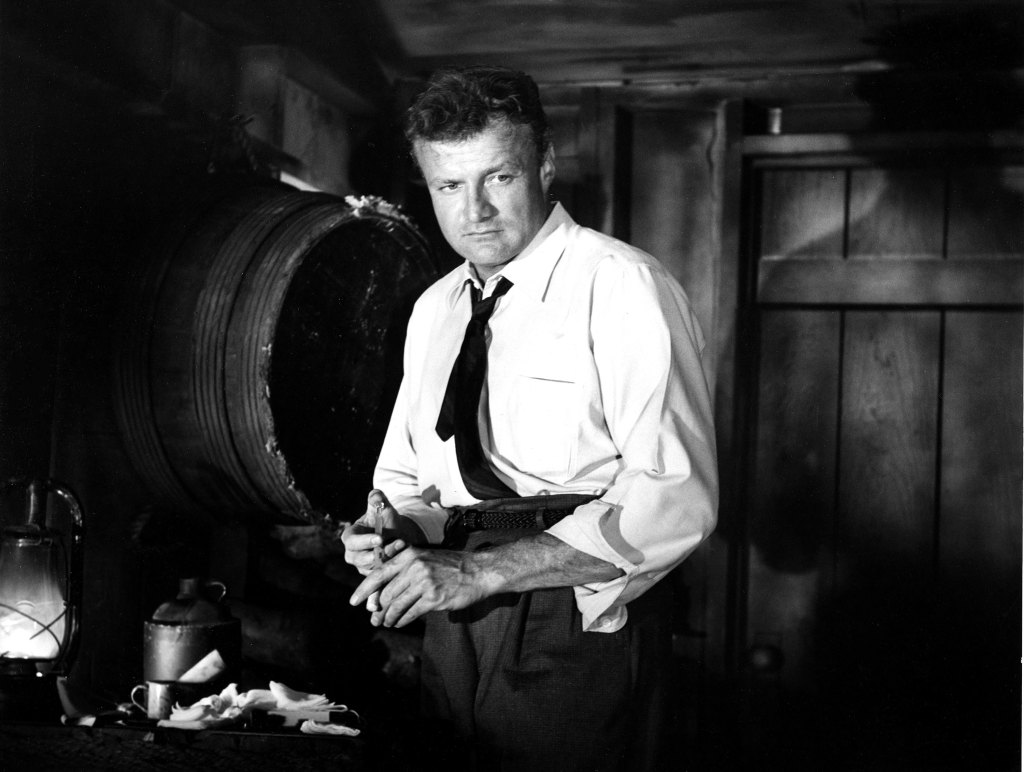
At the same time, Keith was beginning to make a strong impression on television. He first appeared on anthology series, gaining visibility and experience before landing a starring vehicle of his own. That opportunity came with Crusader, which ran from 1955 to 1956 for a total of 52 episodes. In the series, Keith played Matt Anders, a freelance journalist driven by personal loss—his mother had died in a Nazi concentration camp during World War II—who travels the globe confronting injustice amid the tensions of the Cold War. On paper, it was an unusually dark and ambitious premise for mid-1950s television. In practice, however, it was a role Keith himself would come to view with far less enthusiasm.
Brian Keith: “You have to take a bad part once in a while. The bank owns the house and the kids drink milk. Those things have to be paid for. I’ve read all the material in town and I don’t want a series. I did a series years ago, Crusader, working six days a week. All you get is a little bit of security and who wants security? There isn’t any. You can get that in jail. Besides, you can only wear one suit at a time.” (Independent Press-Telegram)
Even so, Keith soon found himself back in series television with The Westerner, a short-lived but well-regarded Western that aimed for a quieter, more grounded tone than many of its contemporaries. In the series, he starred as Dave Blassingame, a drifting cowboy whose moral compass was guided less by lofty ideals than by survival and stubborn independence. Handy with both his fists and a gun, Blassingame was not above bending the rules when it came to scraping together enough money to someday own a ranch of his own. Still, despite his rough edges and occasional moral lapses, he ultimately proved to be a fundamentally decent man—someone who might take a crooked road, but invariably found his way back to doing the right thing and staying true to who he was. The last episode of the series was set in a brothel, his intent to rescue a girlfriend from his past who had become a “fallen lady.”
Brian Keith: “If you want to look at it intellectually, all the guy wanted to do was get the girl out of there. The girl didn’t want to go, which is sometimes true and also tragic. NBC got nervous. They had a few calls from cranks and nuts who didn’t understand it. You can get 10 million letters from people who say they love the show, but if you get 10 from some idiots who didn’t, then they get scared. Most ‘safe’ TV Westerns get by because they lack controversy, so they end up with mediocrity and I don’t want to do it that way. To hell with it. Even though a safe series might have a long run on TV, I think it’s kind of a false security. I don’t look forward to the day when all I’ll do is sit around. Who wants that? I want to work until I’m 80. Remember, you can cry all the way to the bank or end up in a mental home. The only reason I took the show was because we agreed to do it a certain way. Roadblocks forced it off the air and another network was thinking of picking it up, and they would have if we changed things around. We turned them down.” (The San Bernardino County Sun)
From Disney to ‘Family Affair’
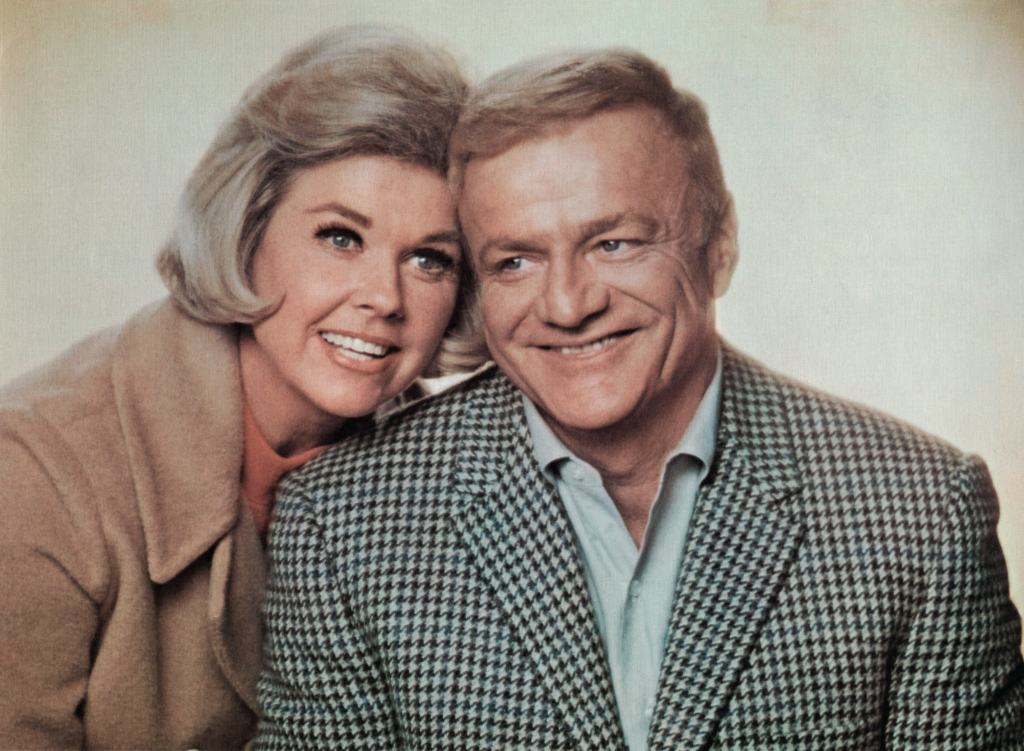
Throughout the 1960s, Brian Keith remained a steady presence on the big screen, appearing in 18 feature films over the course of the decade and demonstrating a range that moved easily between drama, comedy and family fare. One of his most striking dramatic turns came in Reflections in a Golden Eye, where he appeared alongside Marlon Brando, Elizabeth Taylor and Julie Harris in a psychologically charged story that stood far apart from his more familiar screen persona. He also showed a lighter touch opposite Doris Day in the romantic comedy With Six You Get Eggroll, further underscoring his versatility in contemporary roles.
For many audiences, however, his most enduring film role of the era came with The Parent Trap, co-starring Maureen O’Hara and Hayley Mills. The film cast Mills as identical twins separated by their parents’ divorce and raised without any knowledge of one another until a chance encounter at summer camp reveals the truth. Their discovery leads to an elaborate scheme to reunite their estranged mother and father, with Keith anchoring the story in what would become one of the most beloved family films of the decade.
Brian Keith: “If it wasn’t for Disney, I’d still be wearing a gun on my hip. The Western films I did were all the same character, just the locale was different. I did a thing for Disney called Ten Who Dared, a documentary about the discovery of the Grand Canyon. I played an old flea-beaten mountain man with a beard and chewing tobacco. The following summer he was doing The Parent Trap and he had this part that they’d usually give to somebody like Gig Young. But Disney figured if I could do this old character, I could do that one in The Parent Trap. So he gave me the job.” (Independent)
Geoffrey Mark (pop culture historian): “Unfortunately, like many men of his generation, it seemed like every film he was in, they found some reason to have him shirtless to show off his muscles. When you’re 20, that’s nice. When you’re 40, not really and if you’re still doing that, the sensitive parts, the parts that might’ve caused him to flex his acting muscles instead of his biceps, didn’t come along. And the parts that he did best in were the parts where he was playing some version of himself, a thoughtful, loving family man. It’s no wonder that the two favorite things he ever did were The Parent Trap and Family Affair.”
Family Affair aired on CBS from 1966 to 1971 and cast the actor as Bill Davis, a confirmed bachelor whose orderly life is upended when he agrees to raise his late brother’s three orphaned children. The youngsters—Cissy, Jody and Buffy—were played by Kathy Garver, Johnny Whitaker and Anissa Jones, respectively, and the unlikely family settles into Bill’s upscale New York apartment. Helping keep the household running was the ever-proper Mr. Giles French, memorably portrayed by Sebastian Cabot.
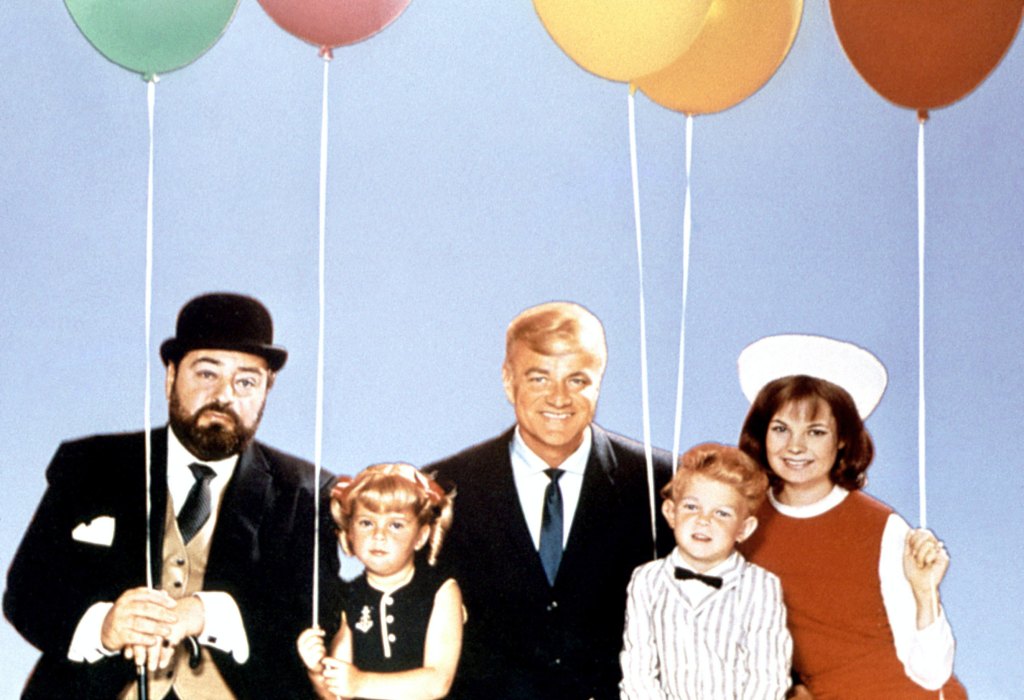
Given Keith’s earlier misgivings about series television, it might seem unexpected that he signed on for another long-term commitment. The explanation lies largely with producer Don Fedderson, the creative force behind My Three Sons. Fedderson had developed a reputation for luring established film actors to television by offering them a rare degree of stability, respect and creative consideration—an approach he would once again employ in shaping Family Affair and convincing Keith that this series could be different.
Brian Keith: “I got the same kind of deal from Don that Fred MacMurray has in My Three Sons. I only have to work about 13 weeks on the show and I’m free to do almost any movie that comes along. And thanks to the loot, I’m also free to refuse to do any movie that comes along. The show is Bachelor Father with a dash of My Three Sons and anything else you want to toss in. But what makes one family comedy show better than the other is not the basic format, but the way it’s handled and we’ve got the best on all counts. The show won’t be a world beater by any means, and if I had to put it as the greatest thing ever seen on TV, I’d choke on the words, but it’ll be an entertaining show and very well done.” (Press and Sun-Bulletin)

In 1968, Keith elaborated on what that “deal” actually meant during an interview with the Valley Times of North Hollywood, offering rare insight into the considerations that persuaded him to commit to Family Affair and to series television once again.
Brian Keith: “The only way to get away with it is by shooting all 30 shows for the season at the same time. This means that the producer, Don Fedderson, has to have all the episodes for the entire year lined up and separated into scenes instead of individual shows. First we’ll shoot all the scenes in the living room for the whole season, and then other sets. We may be doing bits and pieces from 20 or 25 different shows in a single working day. Even though we skip around from show to show, you can’t get lost. We jump in and out of different situations, but none of them are so deep that you can’t understand them. It’s like doing a 15-hour movie in about 13 weeks. I’m just glad I’m not the cutter and have to put everything together at the end. The biggest problem for me is wardrobe. Sometimes I have to change my clothes 30 or 40 times a day to keep up with the shooting schedule.”
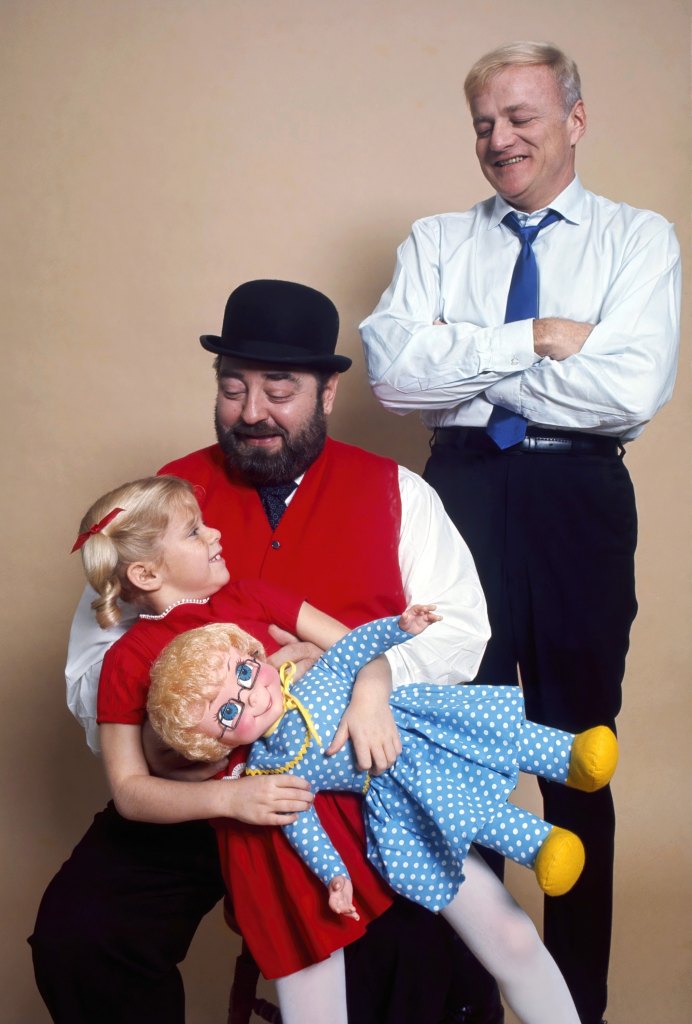
Geoffrey Mark: “That set-up could be difficult for his fellow cast members. It makes it harder for any kind of an actor to stay in character and remember what the show is about, so it took a lot of cooperation from everyone involved. Amusingly, if you watch both My Three Sons and Family Affair with a magnifying glass, you can see hairstyles change from one moment to another, or the children are wearing prosthetic teeth, because their teeth are falling out, but you can’t have their mouths change from episode to episode or scene to scene. They couldn’t redecorate anything, because it all had to be consistent. And then there were problems with Sebastian Cabot’s health that would change things and Anissa Jones broke her leg twice in one season, which required extensive reshoots. But the show was beloved and Brian always felt it should have gone on longer, but it was cancelled by CBS along with many other aging shows to make way for things like All in the Family.”
As noted earlier, steady employment was never an issue for Brian Keith; he moved easily between film and television for decades. Still, he continued to test the waters of series television, looking for a situation that felt right. In 1972, that search led him to The Brian Keith Show—initially developed under the title The Little People. In the series, Keith played a pediatrician who operates a free clinic for children in Hawaii, a setting that mirrored his own real-life residence at the time. Co-starring as his daughter was Shelley Fabares, already familiar to television audiences from The Donna Reed Show. The reason Keith agreed to the series was a practical one: The show was produced by Garry Marshall, who had committed to filming the production on location in Hawaii—a concession that made the project appealing enough for Keith to once again give series television a chance. The show had a total of 47 episodes, running until 1974.
The Zoo Gang was a Canadian-produced series that lasted a single season and took an unusually dark approach to its premise. The story followed a group of former French Resistance fighters—each identified by an animal code name—who reunite 28 years after the group was disbanded to track down the traitor responsible for a devastating wartime betrayal. Keith played “The Fox,” one of the surviving members drawn back into a world of old loyalties and unresolved vendettas, giving the series a somber, reflective tone far removed from conventional adventure television.
The following year, he returned to American television in Archer, portraying the hard-edged private investigator originally created in print by crime novelist Ross Macdonald. Only six episodes of the original 13 ordered were actually shot, and only two of those aired.
Brian Keith: “It boils down to this character being real, believable. People aren’t interested in reality until it’s exotic or entertaining. I guess if I had to wade through traffic every night to get home after a long day on the job, I’d want something to amuse me, too. Archer’s kind of an underdog. He gets beaten. He’s no superhuman. He drives a broken-down Mustang. He’s not particularly fond of the finer things in life. Music is noise to him, painting is decoration, sculpture is ‘that stuff’ and he doesn’t read books.” (The Post-Star)
The ’80s
Keith’s next—and final—television series was Hardcastle and McCormick, in which he played Judge Milton C. Hardcastle, a veteran Los Angeles Superior Court judge on the brink of retirement who has grown increasingly frustrated with watching criminals walk free on legal technicalities. Rather than step quietly into retirement, Hardcastle decides to take matters into his own hands.
Drawing inspiration from the moral code of The Lone Ranger, he forms an unlikely partnership with Mark “Skid” McCormick, a streetwise car thief played by Daniel Hugh Kelly. Acting as Hardcastle’s off-the-books enforcer, McCormick becomes the judge’s means of delivering justice outside the courtroom, creating a vigilante-style alliance that blended crime drama with character-driven banter—and gave Keith a late-career role that neatly echoed his long-standing screen persona: tough, principled and unwilling to accept injustice quietly. The show ran from 1983 to 1986.
Brian Keith: “I don’t think there’s any formula for these things. You see so many dogs that go on forever and good things that die. If there is a formula, they keep changing it. I like the character. If I like the character, I play it. I can’t think of anything worse than playing a character that’s not interesting. The last series I did I got stuck in something called Archer. Nobody liked it. The Ross Macdonald books are good, but all they did was buy the name. I didn’t know what I was getting into, but the money was so good I couldn’t turn it down.” (Democrat and Chronicle)
In 1987, Keith returned to series television with Pursuit of Happiness, a short-lived comedy set at a small Philadelphia college. He played Professor Roland G. Duncan, a role that placed him in an academic setting far removed from the authority figures and blue-collar men audiences most often associated with him. The series lasted just 10 episodes, but it continued a pattern that had marked much of his later career: an ongoing willingness to try new television formats, even when success was far from guaranteed.
Two years later came Heartland, which also ran for 10 episodes and cast Keith in a more familiar register. As B.L. McCutcheon, an old-fashioned farmer whose land is lost and whose independence is stripped away, Keith portrayed a man forced to move in with his daughter and her family, confronting generational change and personal displacement head-on.
Keith remained active on television into the mid-1990s. In 1996 alone, he made guest appearances on Cybill, Pacific Blue, Touched by an Angel and Walker, Texas Ranger. The following year saw him return to feature films, with roles in The Second Civil War, Walking Thunder and Rough Riders.
Personally speaking
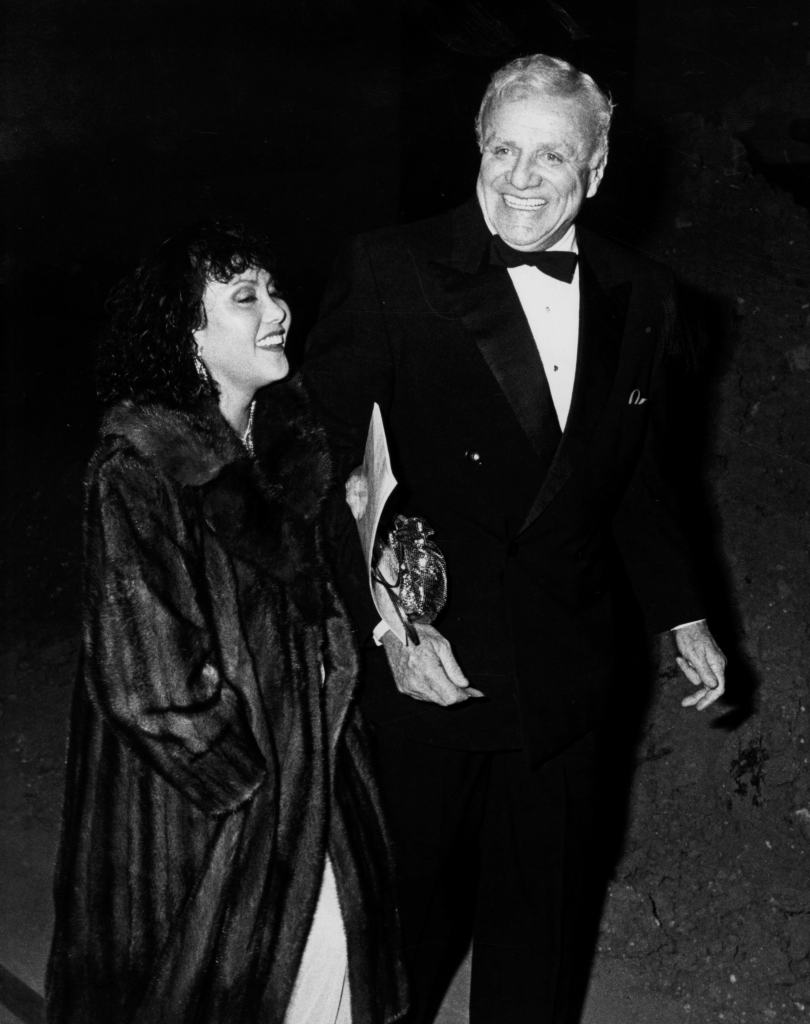
Away from the camera, Brian Keith’s personal life was marked by sharp contrasts, encompassing periods of stability alongside moments of profound difficulty. His first marriage, to Frances Helm, lasted from 1948 until 1954. That relationship ended in divorce, and later the same year he married actress and dancer Judy Landon, beginning a new chapter in his private life even as his professional career continued to gather momentum.
Brian Keith: “I’d never have met Judy if I had been thinking good, clean thoughts. I was making a jungle picture at Paramount with Rhonda Fleming—hope you didn’t have the misfortune to see it—and I was bored with the replica of a South American jungle set we were working on, so I went outside for a breath of fresh air. Two girls passed by wearing practically nothing but long black stockings and plumes in their hair. I thought, ‘This looks pretty good, I’ll follow them.’ They went to another set where Red Garters was being made. I was close behind. Inside, casing the joint, my eyes were suddenly glued on this beautiful girl in a ballerina costume. This is for me, I said to myself. Can’t let her get away. I introduced myself and three weeks later we were married.” (New York Daily News)
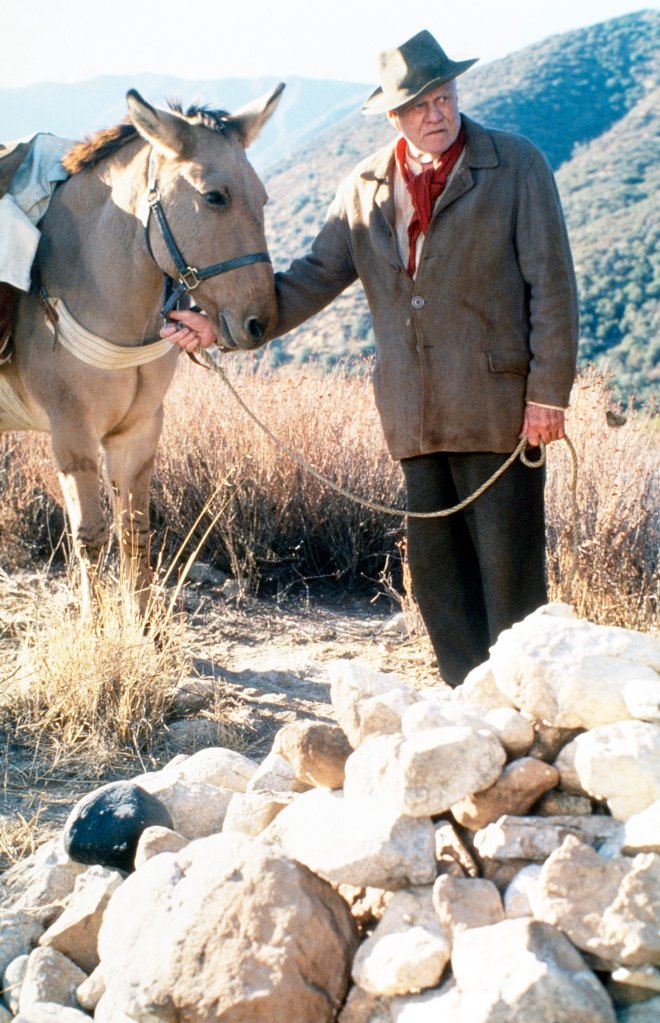

Brian Keith’s marriage to Judy Landon lasted until 1969, and together they built a large family. They had two biological children, Michael and Mimi, and adopted three others—Barbara, Betty and Rory. One deeply painful chapter in their lives has often gone unmentioned in standard biographies and contemporary press coverage. Their son, Michael James Keith, died of pneumonia at the age of 8 after being ill for roughly a week, a loss that left an enduring mark on the family.
In 1970, Keith married Victoria Young, with whom he had two children, Bobby and Daisy. Their daughter Daisy Keith followed her father into acting, appearing in film and television during the 1970s. For a time, Keith’s personal life appeared to have found a measure of balance.
That stability unraveled dramatically in 1997. Keith suffered a major financial setback while also battling emphysema, and he was soon diagnosed with terminal lung cancer. The situation became immeasurably worse when Daisy died by suicide, a devastating loss that those close to him later described as overwhelming. On June 24, 1997, at the age of 75, Brian Keith took his own life with a shotgun. The news stunned the industry and the public alike, though those aware of the compounding tragedies he faced understood just how much he had been carrying in his final months.
Geoffrey Mark: “Brian was friends with his Family Affair co-stars Kathy Garber and John Whitaker until he died. And he always carried Anissa Jones’ 1976 overdose with him. He actually called them to say goodbye and let them know what he was about to do. He didn’t want them to read it in the paper or hear about it on television and get scarred by it that way. This was not a mad man having a bad moment. This was not a man who was mentally ill. This was somebody who felt that his time on the planet was over; that he could not deal with the physical pain of the cancer or the emotional pain of his daughter’s suicide. It was actually very kind and thoughtful of him. The man is dying and he’s just lost his daughter 10 weeks earlier. But he loves Kathy and John enough to be concerned with how they might react and was a good enough friend to say, ‘Look, this is about to happen. I want to protect you. I want to love you. I want you to know why and that I’m okay with this.’ That’s an extraordinary person who does that.”
Conversation
All comments are subject to our Community Guidelines. Woman's World does not endorse the opinions and views shared by our readers in our comment sections. Our comments section is a place where readers can engage in healthy, productive, lively, and respectful discussions. Offensive language, hate speech, personal attacks, and/or defamatory statements are not permitted. Advertising or spam is also prohibited.