A Life Cut Short: The Tragic End of a TV Darling—Remembering ‘Family Affair’ Child Star Anissa Jones
Beloved as Buffy on 'Family Affair,' Anissa Jones’ real life was far more tragic than fans knew

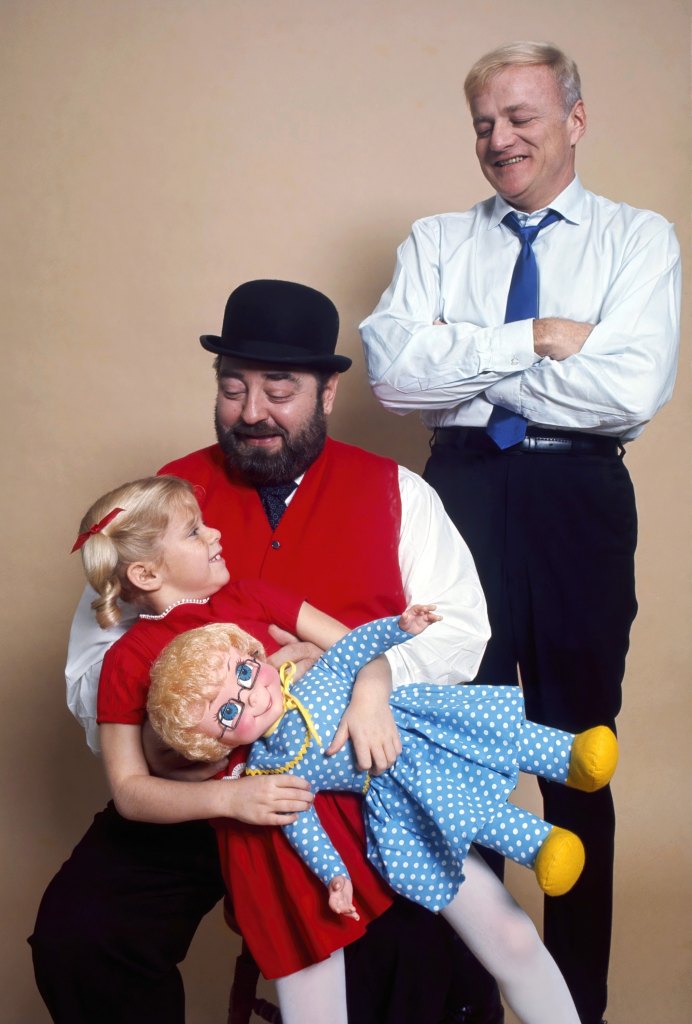
There was something disarmingly cozy about Family Affair, the classic TV sitcom that ran from 1966 to 1971 on CBS and is currently celebrating its 60th anniversary (along with Star Trek and Adam West’s Batman). Each week, television viewers tuned in to watch bachelor Bill Davis (portrayed by Brian Keith), his loyal butler Mr. French and three orphaned children create a new kind of family in a Manhattan high-rise. At its heart was tiny, pigtailed Anissa Jones, whose portrayal of Buffy Davis radiated warmth and innocence. She was the little girl with the shy smile, the beloved Mrs. Beasley doll in hand and a genuine sweetness.
For viewers in the late 1960s, Buffy was a symbol of childhood’s purity amid a turbulent era. Entertainment historian Geoffrey Mark observes, “America was aching for gentleness then. Anissa gave them that.” Yet behind that television glow was a child burdened with an adult’s schedule, public scrutiny and expectations far beyond her years.
In interviews from the period, Anissa spoke in the frank, unaffected way only a young person can. “I like doing the show,” she told one reporter, “but I miss school sometimes. I like to be with my friends.” It was a simple confession that hinted at a tug of war between stardom and normalcy, which is one she never truly escaped. By the time Family Affair ended its run in 1971, Anissa was only 13 years old, but the world had already known her for half her life. What came next in the form of a search for identity, the longing to belong and the heartbreak that followed, remains one of Hollywood’s most haunting cautionary tales. For every success story like Ron Howard and The Andy Griffith Show or Jerry Mathers and Leave It to Beaver, there are the tragedies like Jay North and Dennis the Menace and, of course, Anissa.
Anissa Jones’ early life
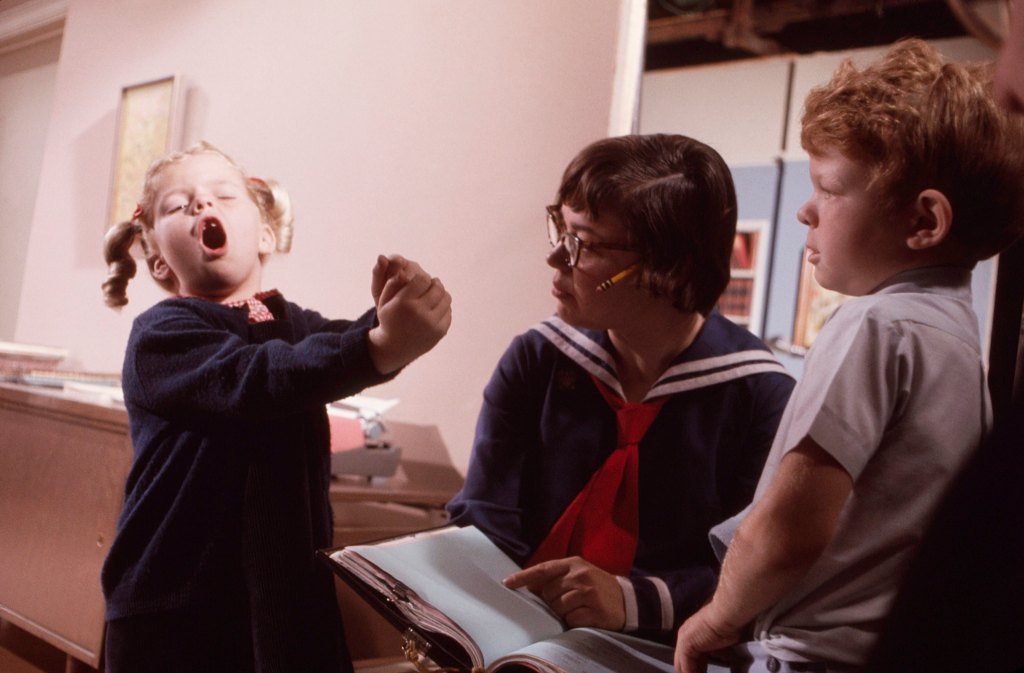
Anissa Jones was born Mary Anissa Jones on March 11, 1958, in Lafayette, Indiana, the first child of parents who would soon move west in search of new beginnings. When she was still a toddler, the family relocated to Playa Del Rey, California, a quiet seaside community far removed from the bright lights of Hollywood. Her mother, Mary Paula, had once dreamed of acting herself and it wasn’t long before she began taking young Anissa to local auditions.
Anissa’s natural charm was undeniable. Her blue eyes and golden hair caught attention, but it was her ability to take direction, so rare in a child so young, that truly stood out. She appeared in a Pepsi commercial and her easy rapport with adults made casting directors take note. One Family Affair producer later said, “She didn’t act like a kid who was trying to be cute. She was just Anissa and was honest and open.”
That honesty made her perfect for the role of Buffy Davis, the youngest of three orphaned siblings taken in by their wealthy uncle (played by Brian Keith). When the series premiered in September 1966, it was an instant hit; the show’s gentle tone, in contrast to the violent headlines and social unrest of the time, resonated deeply with audiences.
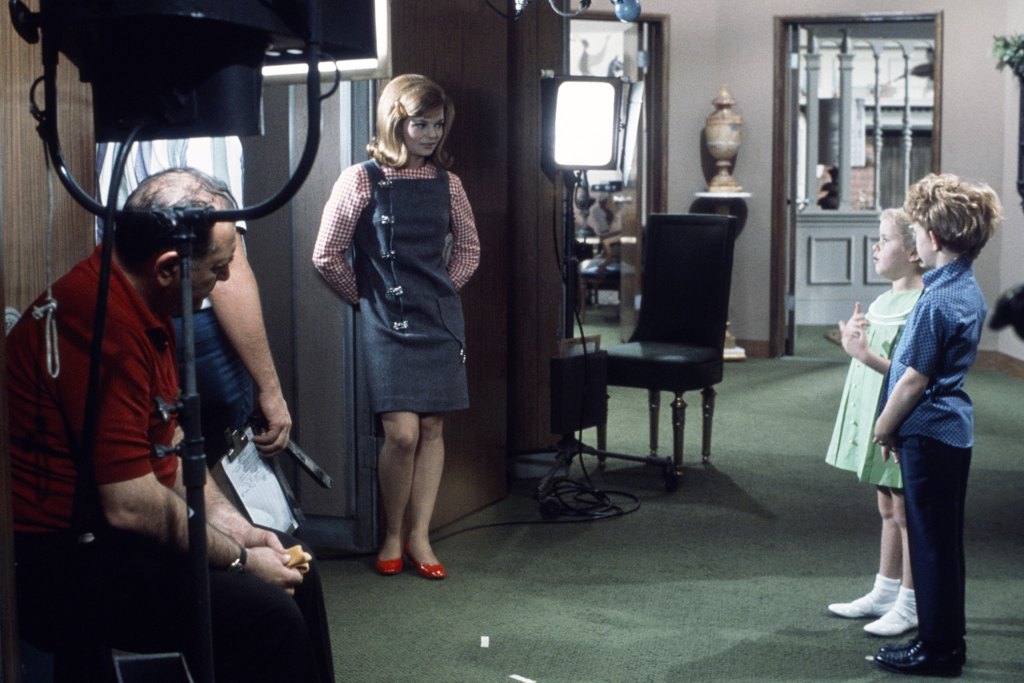
“She is an imaginative, introspective little girl who spends many hours in make-believe with her collection of dolls,” offered a 1966 article in Pasadena, California’s the Independent Star-News. “She has an uncanny ability to convey, on screen, a child’s feelings of rejection, sadness, fun, pride, stubbornness and wish to be loved, sometimes all in one episode.”
For Anissa, Family Affair was the beginning of both a dream and a trap. She was only a child, yet her life now revolved around scripts, studio tutors and long production days on the CBS lot. Still, she remained the model professional, adored by her castmates. Brian Keith, known for his gruff humor, grew deeply protective of her, often joking, “She’s my girl.”
Behind the scenes, though, the pressure was constant. Child actors on family sitcoms were expected to deliver perfection on cue in the form of smiling, being charming and never complaining. Even when she was tired or missed her friends at school, Anissa rarely let it show. “It’s fun being Buffy,” she said, “but when people call me that on the street, sometimes I forget they mean me.”
Commented a piece in Columbus, Indiana’s The Republic, “She had a growing frustration over the fact that she was playing younger than she really was. She was a 9-year-old pretending that she’s 6. She finds playing a mere child of 6 ‘babyish’ and quickly reveals her true age to anyone willing to listen.”
The pressures behind Anissa Jones’ fame
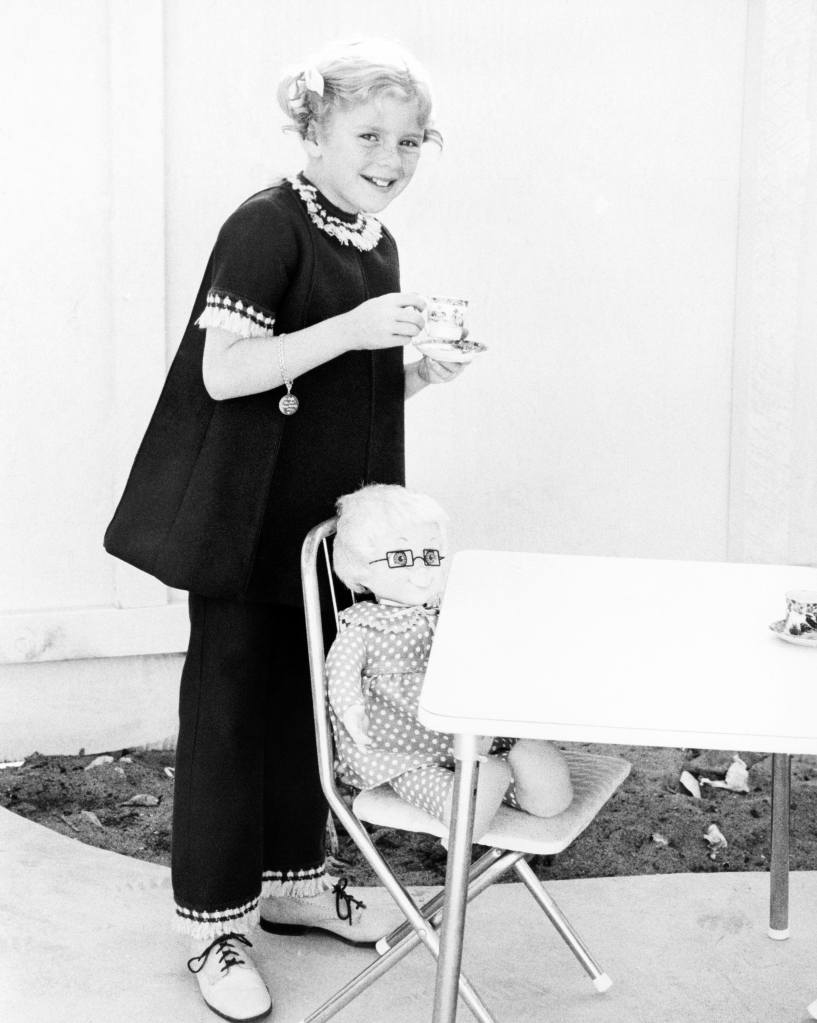
On top of that, there was the pressure that the network had her making public appearances on the weekends on a fairly regular basis, giving her little downtime, no matter how badly she obviously needed it. “One cannot help wondering why she is being subjected to such exploitation,” mused The San Bernardino County Sun. “Accompanied by a number of press agents, she’s been appearing all over the country, ‘selling the show’ and the fashions, which actually need little promotion. We first encountered ‘Buffy’ three years ago in San Antonio, where the clothes bearing that name first came to the attention of the fashion press. It seemed to us then, as it does now, that she should be allowed to stay at home and play during her out-of-school and off-the-set hours. Anissa is in the sixth grade at Paseo del Rey Grammar School when not filming Family Affair or making personal appearances. She doesn’t know, she said seriously, if she wants to stay in show business and confident that she hopes to ‘retire when I’m 14,’ which prompted a man in the crowd to say, ‘Over her mother’s dead body.’”

“Not only are they working as actors in a weekly show, but they’re also required to do talk shows and publicity stunts and meet with the sponsors and fly across the country,” elaborates Geoffrey Mark. “Their time by contract belonged to the production company and the network. That’s a lot of pressure to put on someone less than 10 years old, less so where one has a good family life where one has parents really working on behalf of the children to make sure their lives are as normal as possible. Where that love and affection are not only given because of the paycheck they’re bringing in. In Anissa’s case, this wasn’t true. Her father and mother divorced; her mother was a pushy stage mother who, after Anissa’s father died, pushed her to be the family breadwinner.”
The aftermath of ‘Family Affair’ and Anissa’s success
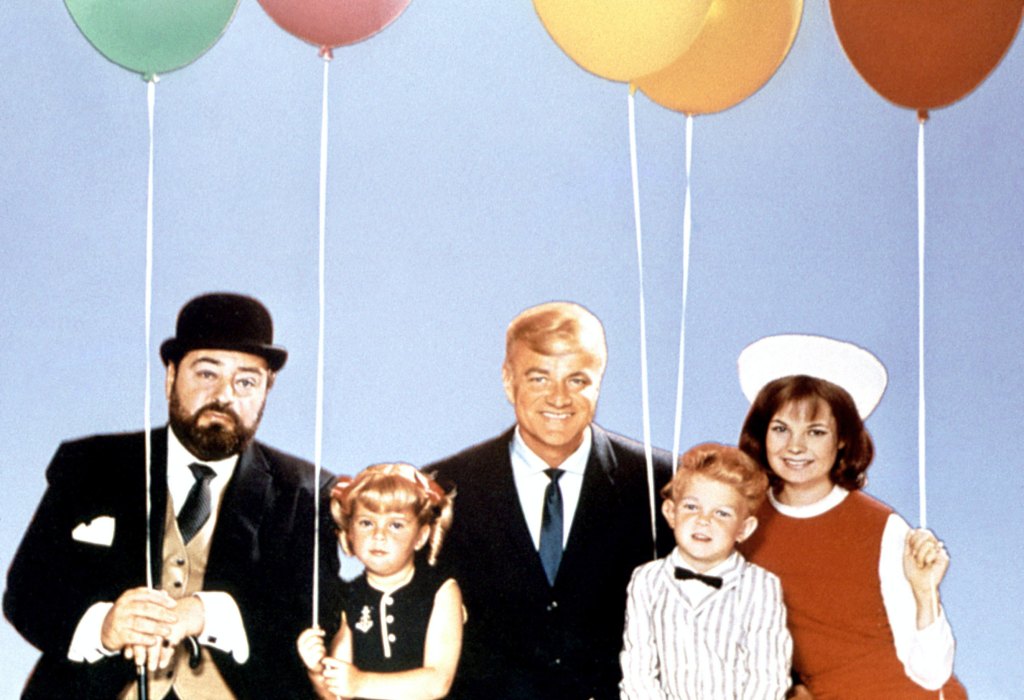
The end of the show led the Sacramento Bee to suggest, “The show’s cancelation after a six-year run represented a chance for its then 14-year-old leading lady to finally be herself—free from the psychological burden of submerging her personality inside a screen character who never grew older.”
That blurring of lines between the real little girl and her television counterpart would become more pronounced as she grew older. For millions of fans, Buffy Davis was eternal: frozen in time with her pigtails and Mrs. Beasley doll. But for Anissa Jones, growing up was inevitable and it would soon put her at odds with the image America refused to let go of and producers were determined to hold on to.
Producers offered her new roles, but she turned them down. She was weary of being typecast as “Buffy” and wanted to live like a normal teenager. Geoffrey Mark reflects, “Anissa had been seen by the world as this angelic little girl with pigtails and a doll. The industry didn’t know what to do with her once she outgrew that image.”
Her mother hoped she might return to acting, but Anissa resisted. She enrolled in public school, trying to blend in, but classmates often treated her as a curiosity. She once admitted, “People stare or ask me if I still have Mrs. Beasley. I just want to be myself.”
“Unfortunately, her life kind of spiraled out of control,” Mark says. “Her mother and father had fought bitterly over custody of Anissa and her brother, Paul. He won and Anissa went to live with him, but he died very shortly after Anissa arrived, but she didn’t go back to her mother, she moved in with a friend. Why in the world would her mother allow that? Bad parenting. She became a ward of the court. And anyone who knows anything about drugs, would have been watching her behavior and would have known. Anissa was in trouble: petty shoplifting, taking jobs and then quitting them, bad sleeping patterns, bad eating patterns, incredible mood swings.”
By her mid-teens, Anissa was drifting. She took part-time jobs, went to the beach and spent time with new friends who weren’t part of the Hollywood circle. “She wanted to be normal,” her brother Paul once told reporters. “She just didn’t know how.”
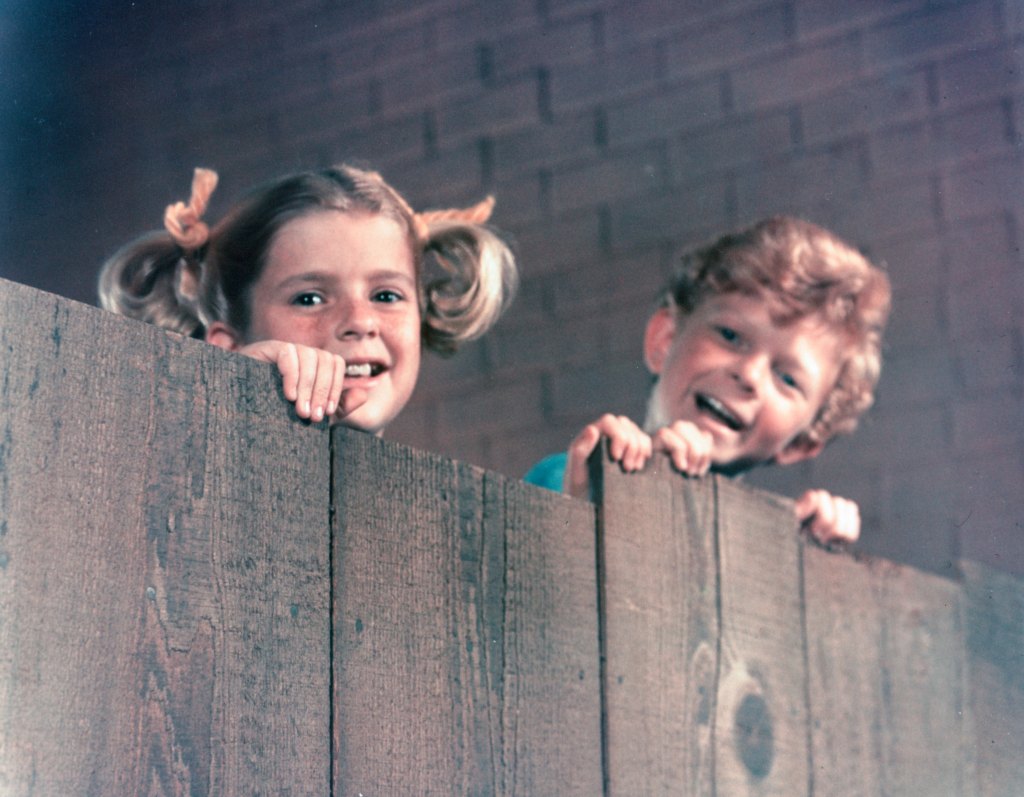
Despite earning thousands during her years on Family Affair, most of the money was held in trust until she turned 18. “She didn’t have access to her own childhood,” Geoffrey Mark says. “Not even the money she’d worked for. But when she turned 18 in March of ’76, she received the forced savings from her salary on Family Affair and then another amount of money that had been held for her in trust. She received a little less than $200,000, which she blew almost immediately. In four or five months.”
On August 28, 1976, Anissa Jones attended a small gathering at a friend’s house in Oceanside, California. She was just 18 years old—finally old enough to begin imagining a future that was her own. Friends later said she had been in good spirits that day, talking about plans for school and the possibility of starting fresh. But by the next morning, Anissa was gone.
She was found dead in a bedroom of the house, the victim of what the Los Angeles County Coroner’s Office later described as a massive drug overdose from a combination of cocaine, PCP, Seconal and Quaaludes. The coroner noted it was “one of the most severe overdoses” they had ever recorded. Her death was ruled accidental.

The news stunned the nation. Family Affair reruns were still airing across America, and viewers couldn’t reconcile the sweet face of Buffy Davis with the tragedy of the young woman behind it. As columnist Marilyn Beck wrote at the time, “Anissa Jones’ death is a reminder that Hollywood’s youngest stars too often grow up without a net. We loved her when she made us laugh, but where were we when she needed help?”
For many who knew her, the sense of loss was profound. Brian Keith, her on-screen uncle, reportedly broke down in tears upon hearing the news. He would later take his own life in 1997 to escape illness.
“She had been dealing with so much: bad parents, crazy shooting schedule and production people who froze the children the way they did so that there was no character growth for them,” says Geoffrey Mark. “There was just so much pressure. You know, there was a whole episode of Hollywood Palace [in 1967] built around Anissa and Jimmy Durante. She’s 11 at the time playing 6. Any child will tell you being treated like a little baby when you’re hitting puberty is embarrassing and confusing and frustrating. So, she was unhappy at home, embarrassed, confused and frustrated at work, feeling undervalued and feeling overworked. It seems like she had no port in the storm and the storm finally overtook her literally at the beach.”
Conversation
All comments are subject to our Community Guidelines. Woman's World does not endorse the opinions and views shared by our readers in our comment sections. Our comments section is a place where readers can engage in healthy, productive, lively, and respectful discussions. Offensive language, hate speech, personal attacks, and/or defamatory statements are not permitted. Advertising or spam is also prohibited.