Gunnar Nelson, 58, Reveals He Was Supposed to Be on Dad Ricky’s Fatal Plane: ‘Our Father Saved Our Lives’ (Exclusive)
From 'Ozzie and Harriet' to Nelson and Ricky Nelson Remembered, Gunnar shares the family stories fans never heard

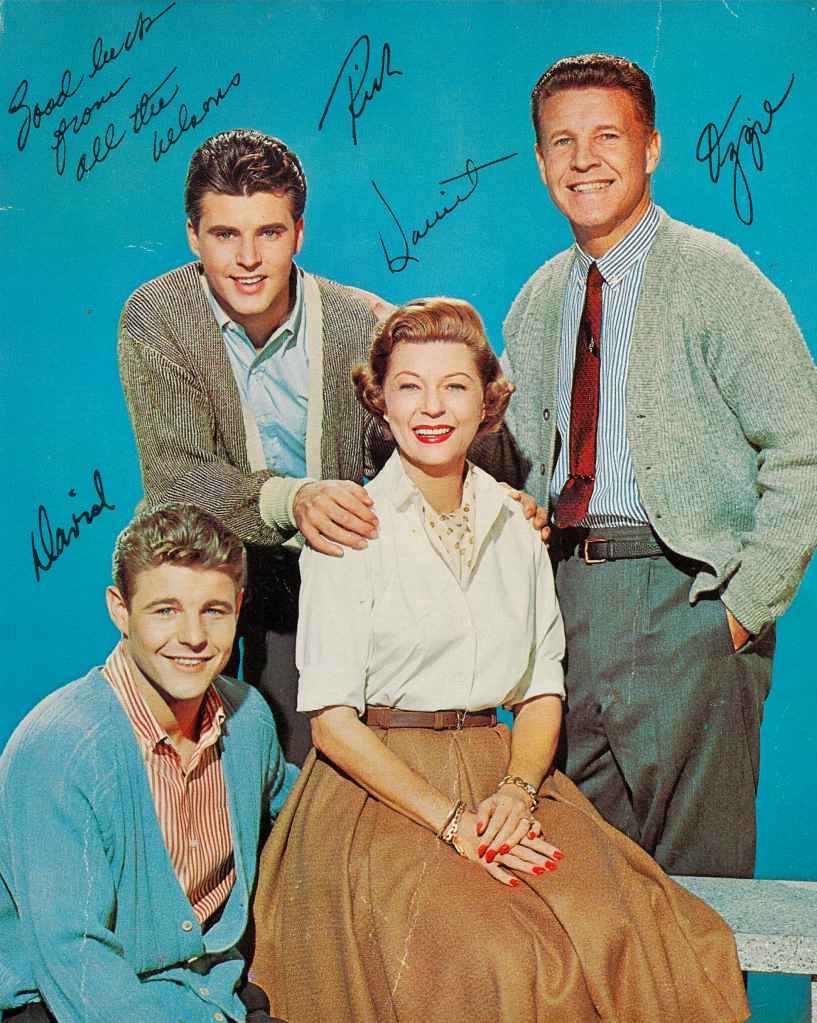
As the twin sons of Ricky Nelson and the grandchildren of Ozzie and Harriet Nelson, Gunnar and Matthew Nelson, who found success as the rock duo Nelson in the early ’90s, occupy a singular spot in music history. From 1952 to 1966, Ricky starred with his parents and brother in the classic sitcom The Adventures of Ozzie and Harriet, and a generation of viewers watched him go from a cute kid to an early rock ’n’ roll hitmaker. After the long-running show ended, Ricky became one of the first artists to blend rock with country, and he had a prolific career until his untimely death at 45 in a 1985 plane crash.
When Nelson burst onto the scene with their chart-topping 1990 anthem “(Can’t Live Without Your) Love and Affection” five years after their father’s passing, the Nelsons became the only family in history to have three generations of musical hits, as Ozzie and Harriet had big-band hits throughout the ’30s and ’40s and Ricky dominated the charts as a teen idol in the late ’50s and early ’60s.
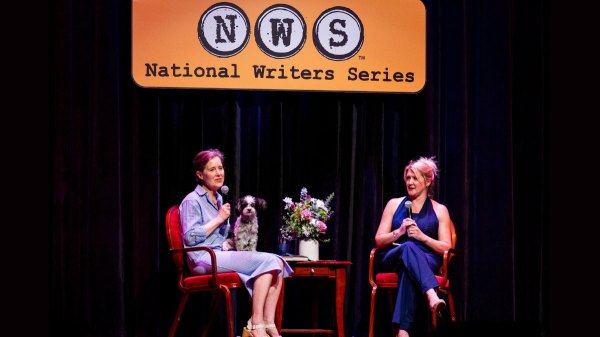
Gunnar and Matthew, now 58, recently explored their family’s legacy in their new memoir What Happened to Your Hair? How We Played Loud . . . Loved Proud . . . and Never Backed Down . . . Together (its title is a winking reference to their signature long blond locks in the ’90s), and Gunnar Nelson sat down with Woman’s World to discuss Ozzie and Harriet, growing up with famous parents and grandparents and much more.
Woman’s World: Your father, uncle and grandparents starred in ‘The Adventures of Ozzie and Harriet’ and you and your brother have become the stewards of the classic sitcom. What do you think made the show so special, and how do you feel it’s stayed relevant in the nearly 75 years since it first aired?
Gunnar Nelson: It’s much slower-paced than contemporary TV and TikTok, but proudly so. The world is so kinetic right now, and there’s so much angst and anxiety going on. Ozzie and Harriet was always a safe home for people to go to. It was that surrogate family that was always there for people every week, even if their own home life sucked.
Ozzie and Harriet took on a completely new spin when our dad started to sing on the show when he turned 16. He went away for the summer break as the wisecracking little kid and came back as a freakishly beautiful teen who’d discovered a love for rock ’n’ roll—and this was back in the days when you couldn’t even call it rock ’n’ roll on TV. The censors wouldn’t allow it, because it was considered salacious, so it had to be referred to as “rhythm and blues.”
It’s important to note that the show was really the way that America had rock ’n’ roll midwifed to them at a time when it was considered “race music,” and it was forbidden for being too edgy. Grandpa and grandma actually got a lot of hate mail from people who were outraged that Ricky was singing “the devil’s music,” but Ozzie and Harriet met each other when Ozzie had a successful big band on the East Coast and Harriet was a singer, so they were like the rock stars of their era, back in the ’30s. When the ’50s came along and rock ’n’ roll started, they stood up for our dad and his music.
Our dad sold half a billion singles in his career, which is completely insane. That was during the time when kids had to use their allowance to buy a physical record. Matthew and I are really proud of the fact that every generation of the Nelson family has done something that’s really appropriate to their time. This family has gone through all the different changes and trends in the entertainment industry. Back when our grandparents started, it was all about radio.
In some ways, Ozzie and Harriet was like the first reality show, because it was a real family playing a real family. Ozzie worked really hard on those scripts and they really thought a lot about what they wanted to do and say. Unlike a lot of the other sitcom families that followed, Ozzie was not the one who had all the answers. Instead, Harriet was the one who had it all together, and that was really disarming for a lot of people.
If you grew up watching the family and wondering what they were like when the lights shut down and the camera operators went home, they were even better than what you’d see on TV. Matthew and I take this legacy really seriously, so we wanted to make sure that Ozzie and Harriet would be preserved. We’re on the cusp of doing a new network deal for it, and in all of these meetings, executives are saying that we need a soft place for people to land, and we could all use a nostalgic show that’s warm and fuzzy.
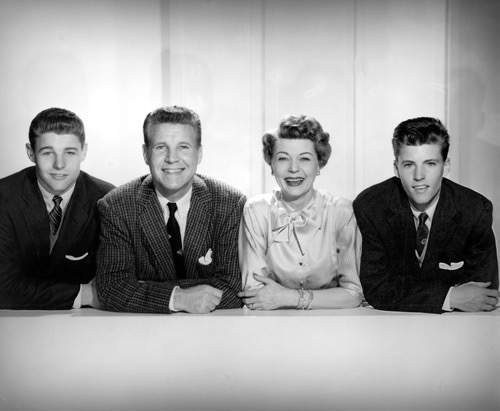
WW: Your dad was 12 when ‘Ozzie and Harriet’ debuted in 1952 and 26 when it was canceled in 1966. What was it like for him when the show ended?
GN: The show ran for 14-and-a-half years with 435 episodes, which is pretty unprecedented. Our dad could never leave the house, because to make the show feel more natural, Ozzie built a replica of their real living room at the stage where they filmed. Our father was leaving home to go work at a replica of his home and then coming back home, so it was like he never left for a long period of his life.
When the show finally got canceled, it was a relief to our father, because he wanted to play music full-time. He’d made some great movies, like Rio Bravo with John Wayne. He could’ve become a movie star, but he chose the harder life of being a touring musician. He was a really fine musician who happened to also be a talented actor. Music was always his first love.
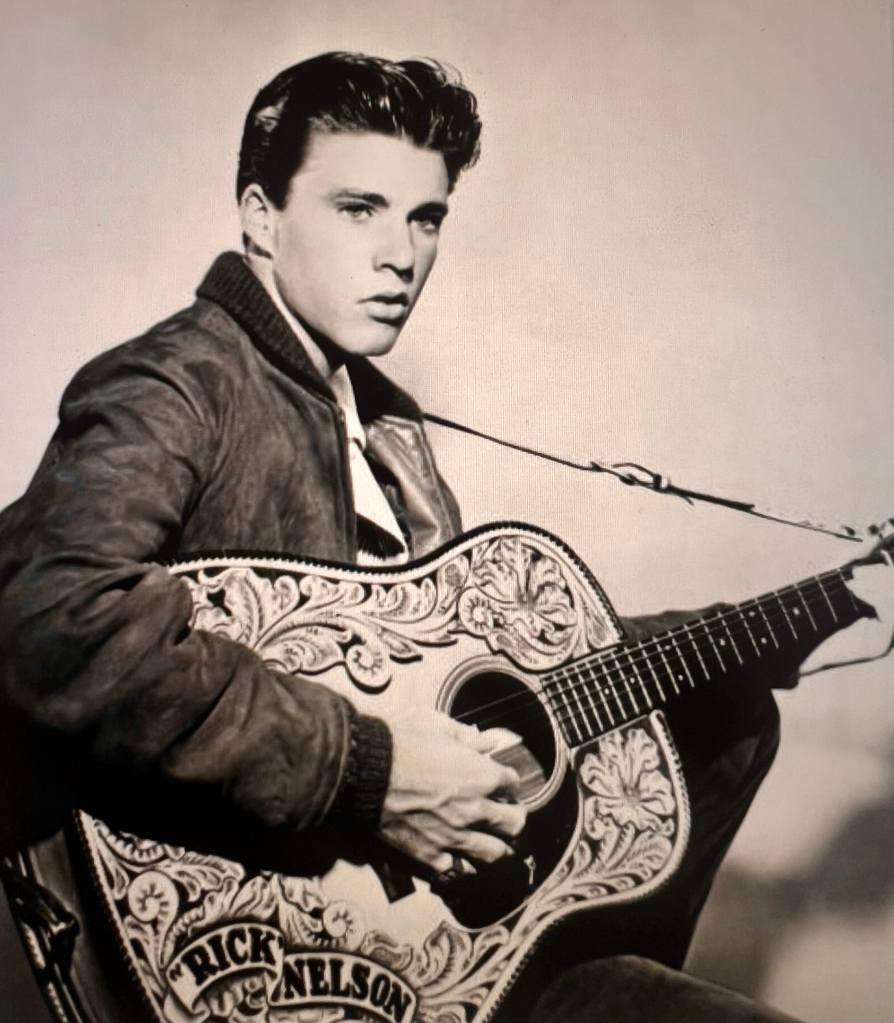
WW: When did you and your brother first realize your family was famous?
GN: Kids don’t really know what fame is, because we don’t have anything to compare it to. We always thought that people coming up to us at a restaurant and asking our grandparents for an autograph was normal. It wasn’t that big of a deal. The first time we realized that it was special was when we were in first grade, and we saw our teachers frantically putting on makeup when they heard Ricky Nelson was coming to parent-teacher night.
Matthew and I were toddlers during that whole Laurel Canyon music scene, and we grew up with famous people coming over all the time and making music right in front of us. We always saw that making music and doing that at the highest level for a living was possible, and thank God for that.
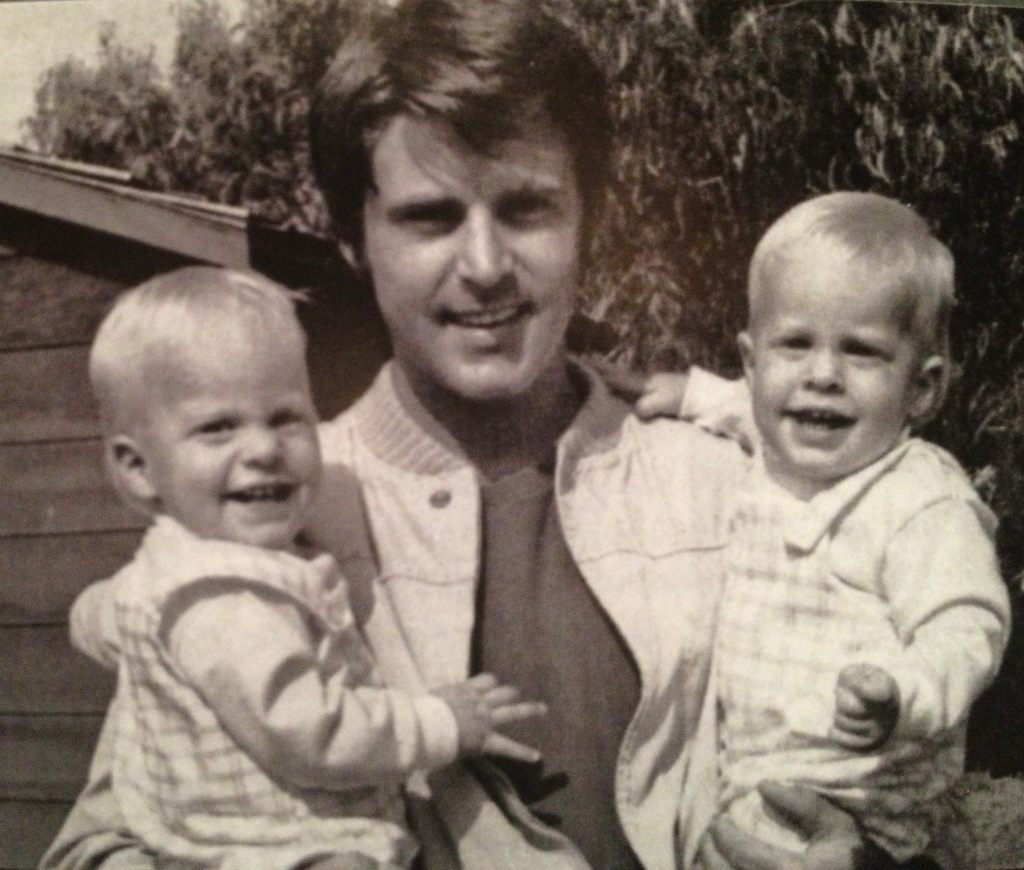
The coolest thing as kids was watching our father onstage. It was wonderful to see him perform and go, “Hey, that’s pop!” and see that he was having a great time, and so was the audience. When I watched him, I knew that that was all I wanted to do. We were never pressured in any way to continue the family business. We actually had to fight for it. Our mom and dad weren’t like Ozzie and Harriet, and our mom [Kristin Nelson, who also came from a famous family, as the daughter of football star Tom Harmon and actress Elyse Knox and older sister of actors Mark Harmon and Kelly Harmon, and divorced Ricky in 1982] blamed the music industry for the demise of their relationship, and encouraged me and Matthew to do anything other than be musicians.
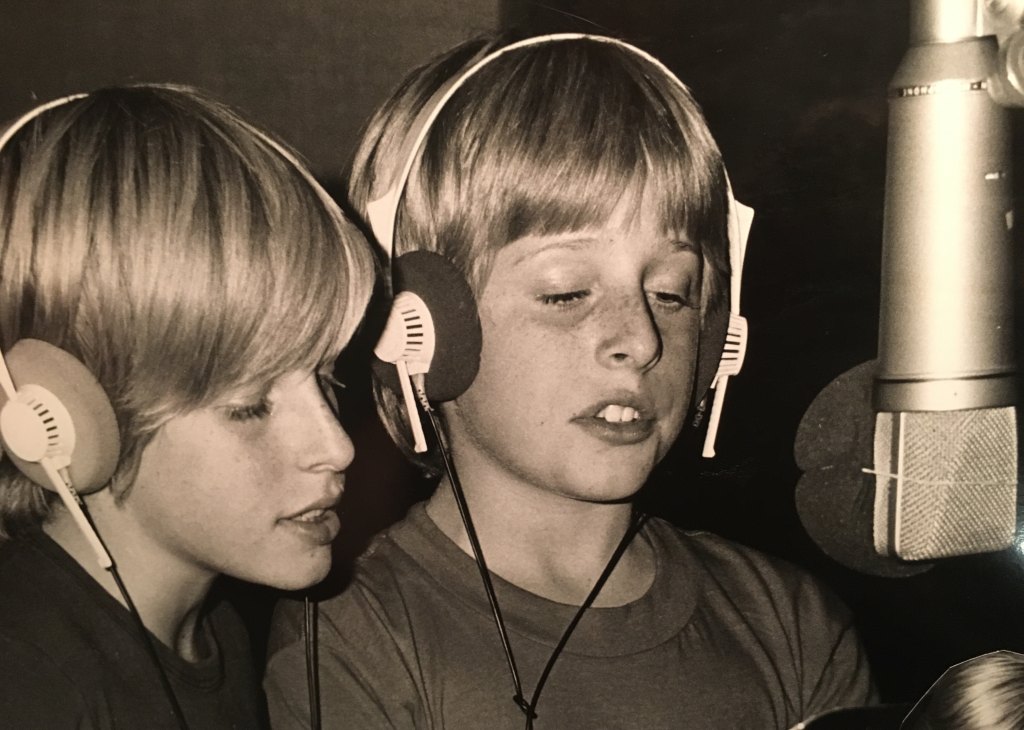
WW: What was it like when you and your brother became famous in your own right as Nelson in the early ’90s?
GN: We’re proud to be a bookend to a specific era of rock. We were the last band that happened in a major way before Nirvana was discovered on our label, Geffen. We were out touring for our debut album, After the Rain, for 16 months straight, and about three-quarters of the way through that tour, the entire music game changed. Matthew and I were also proud to be the last band on Geffen to have a vinyl release. We were the last of those guys that were trying to sell hope and positivity in our music, and we ended up taking a lot of heat for it, because our contemporaries were much darker.
We wrote every song that we ever released, we produced all of our own music ourselves and we bankrolled our entire tour through our publishing advance. We ended up selling more T-shirts than New Kids on the Block at their peak, and we had the top-selling poster of 1990. Millions of people grew up with our music, and 99.9% of them were female, except for one very smart guy who would come to our shows. It was a blast!
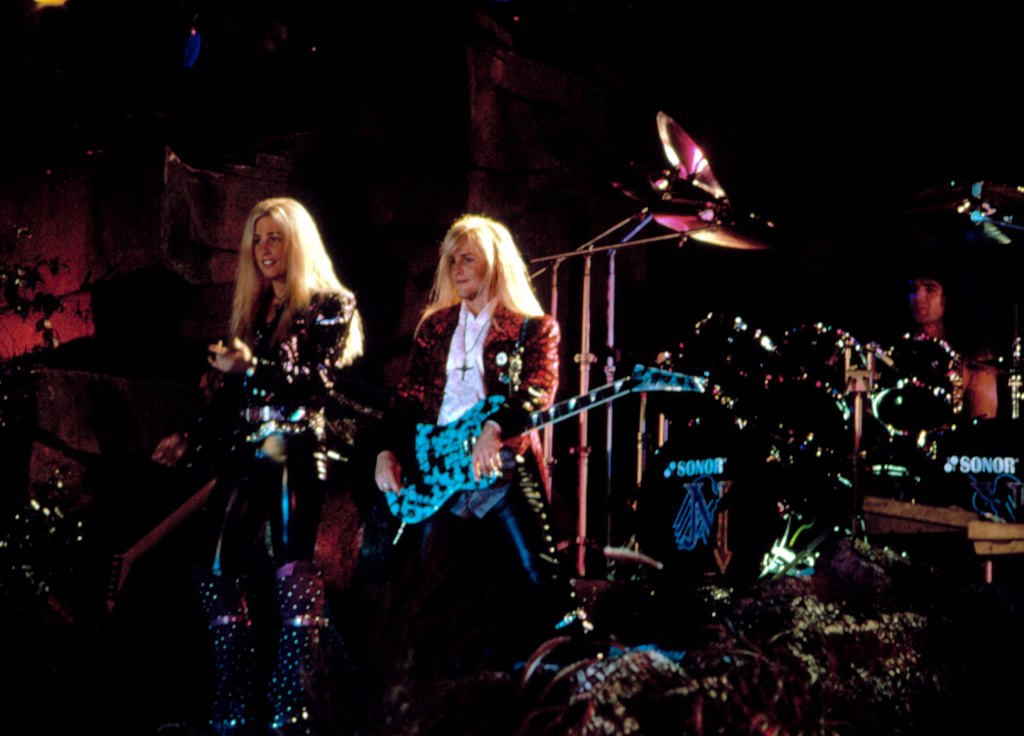
WW: You and your brother have also toured as Ricky Nelson Remembered. How does it feel to perform your dad’s songs?
GN: Our dad lived and died for rock ’n’ roll. He was doing up to 300 shows a year until the day he died. It was the way he provided for us, which we’re eternally grateful for, but it wound up costing him his life. Matthew and I want to honor that the best we can. We only started playing as Ricky Nelson Remembered after we had sold 6 million records of our own to a bunch of kids who didn’t know who Ricky Nelson was and had never watched Ozzie and Harriet. We wanted to make our own mark first.
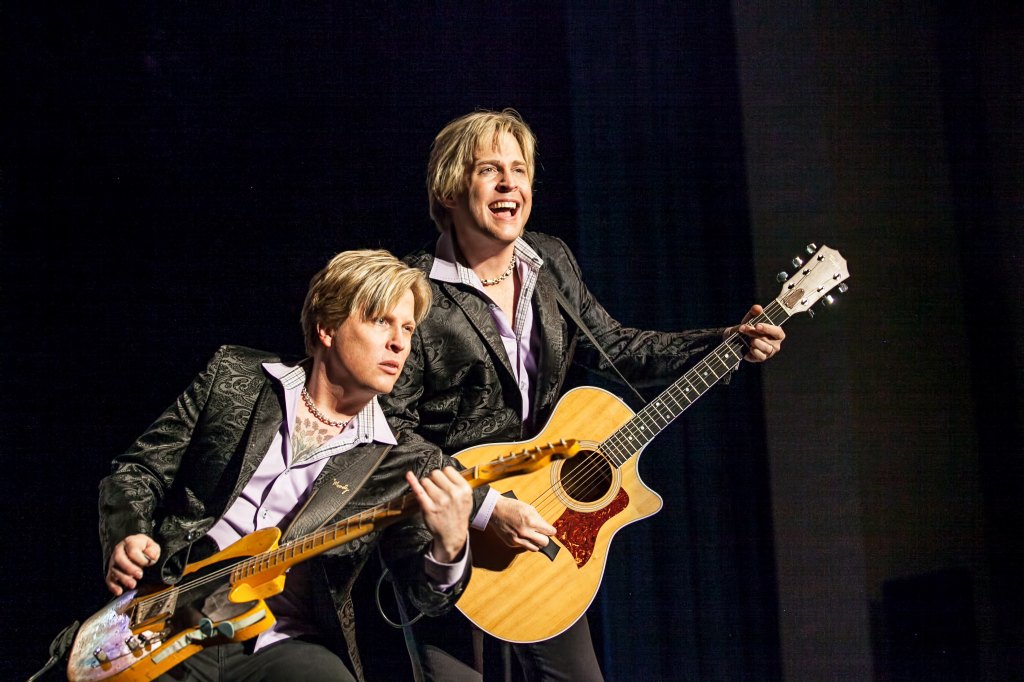
Once we established ourselves, people would come up to us and say they missed our dad, and they wanted us to incorporate some of his music into our show. We thought that our dad deserved his own special celebration, and that’s how we put Ricky Nelson Remembered together. We thought we’d only do it for a couple months, but now we’ve been doing it for 24 years, though our primary focus is still Nelson. Doing the show is like a family reunion. It’s a lot of fun—it feels like an A&E Biography episode mixed with a rock concert.
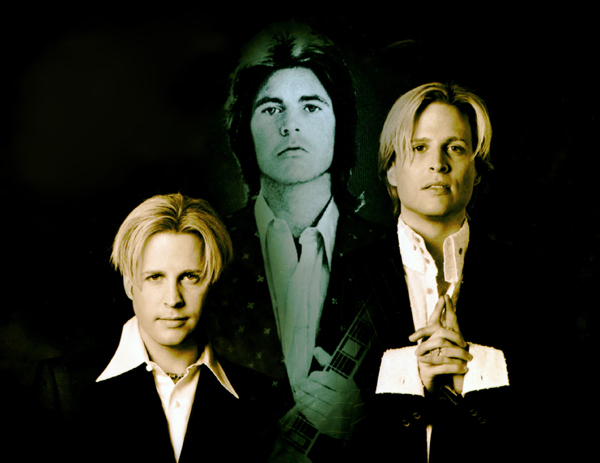
WW: What’s your favorite song of your dad’s?
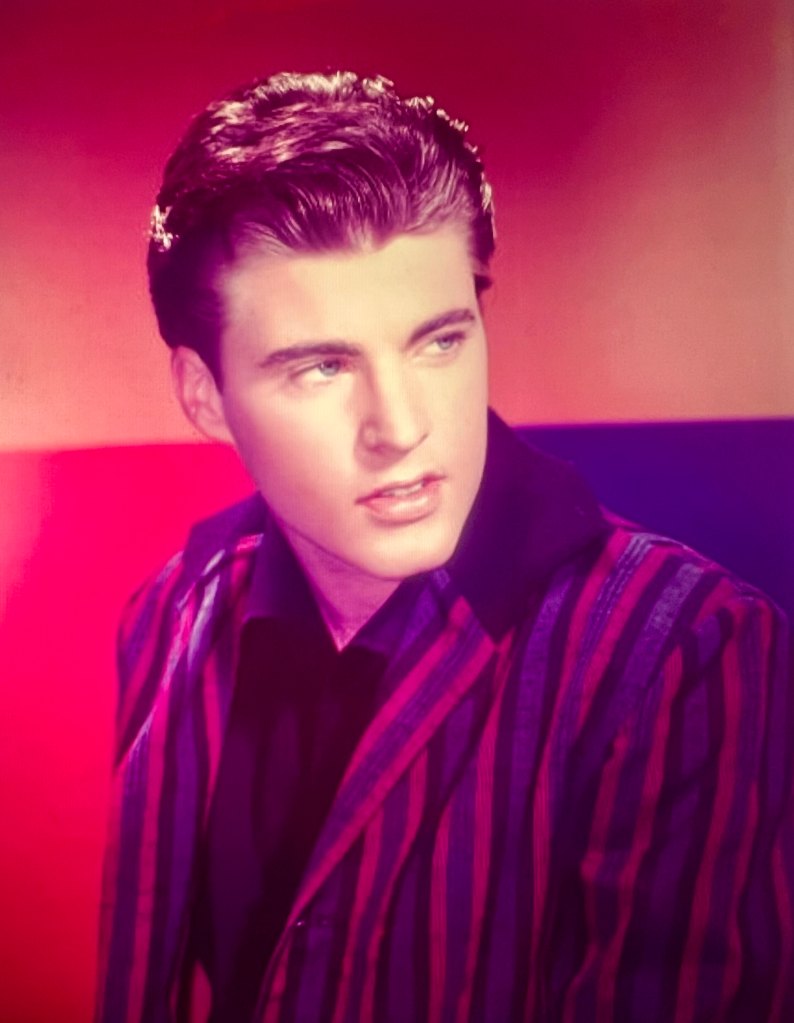
GN: My favorite song that our dad ever sang was “Lonesome Town.” It’s a very melancholy song that’s just his voice and acoustic guitar, and it feels like he’s sitting in your lap. It’s wonderful, because it shows what a rich voice our father had. Elvis, his number-one competitor, was an extrovert, while our father was an introvert. “Lonesome Town” was coming from a guy who was one of the most famous people in the world. He was the most desirable man that all the women wanted, and he was singing a song about heartbreak.
If you think about how he was living at the time, there was a lot of pressure. He was 18 years old when he cut that song, and he was keeping his entire family employed. He became such a juggernaut that the head of ABC sent a letter to my grandparents saying, “Congratulations on Ricky’s success. Just so we’re clear, if he decides to leave the show and go out and sing his music full-time, we’re canceling Ozzie and Harriet.” That was year seven of the 14-and-a-half year run. From a young age, there was a lot of pressure on him. If he screwed up, he was putting his parents out of work. He did an elegant job, but every now and then, his songs would have that sadness. He knew how blessed he was, but at the same time, it could be a little difficult to know who was his friend for the right reasons, and he dealt with that for his entire life.
Matthew’s favorite song is “Garden Party.” It was an important song for our father because he wrote it at a time when he was considered to be completely irrelevant. It was inspired by when he was invited to play at an oldies concert at Madison Square Garden in 1970. The concert was all acts from the ’50s, but he had his Stone Canyon Band and had been playing with them exclusively for six years, and it was that Laurel Canyon sound two years before the Eagles. As a matter of fact, his bass player, Randy Meisner, went on to cofound the Eagles.
He had the long hair and the country rock thing going on, and when he showed up at the concert, the audience expected to see black-and-white TV Ricky from 1961 and not this hippie cowboy guy. It was too much for them, and they booed him off the stage, so he wrote the song based on that experience. If you listen to the lyrics with that in mind, it’s a master stroke. It’s a middle finger in a velvet glove. Our dad took his power back after a life of people expecting him to be a certain way, and he made a statement.
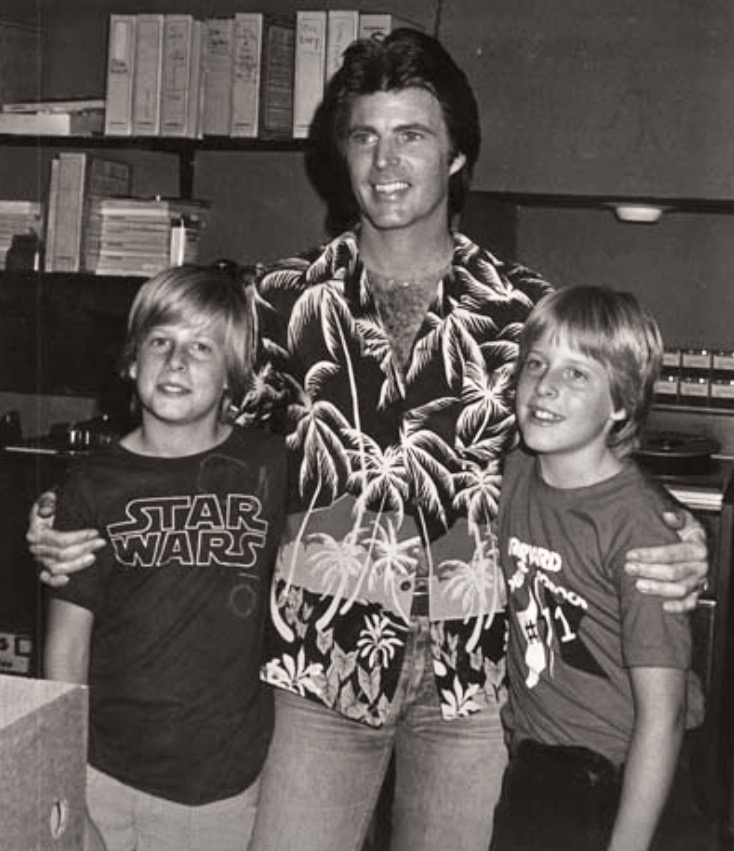
WW: It was recently the 40th anniversary of your father’s tragic death. What do you think he’d be doing if he were still with us?

GN: Matthew and I were actually supposed to be on the plane with him, and our father saved our lives by calling us the night before we were supposed to meet him and telling us not to come. It was hard to write about it in our book, because we’d put it in the emotional shoe box on the top shelf of the closet and we intentionally chose not to address it for years. It was important to finally talk about it because of the unfairness of the press at the time. There were rumors of drug abuse on the plane contributing to the fire that killed him and those were all lies, so our book was a way for us to finally tell people the truth.
Our dad would still be making music if he were around. He’d be in his 80s, but still looking 40. He’d probably be doing country music, because he loved that. Chris Hillman from the Byrds credited him as one of the founders of country rock. He’s an authority on that scene, and he said that Ricky Nelson had them beat by five years with “Hello, Mary Lou,” which he considers the first country rock song.
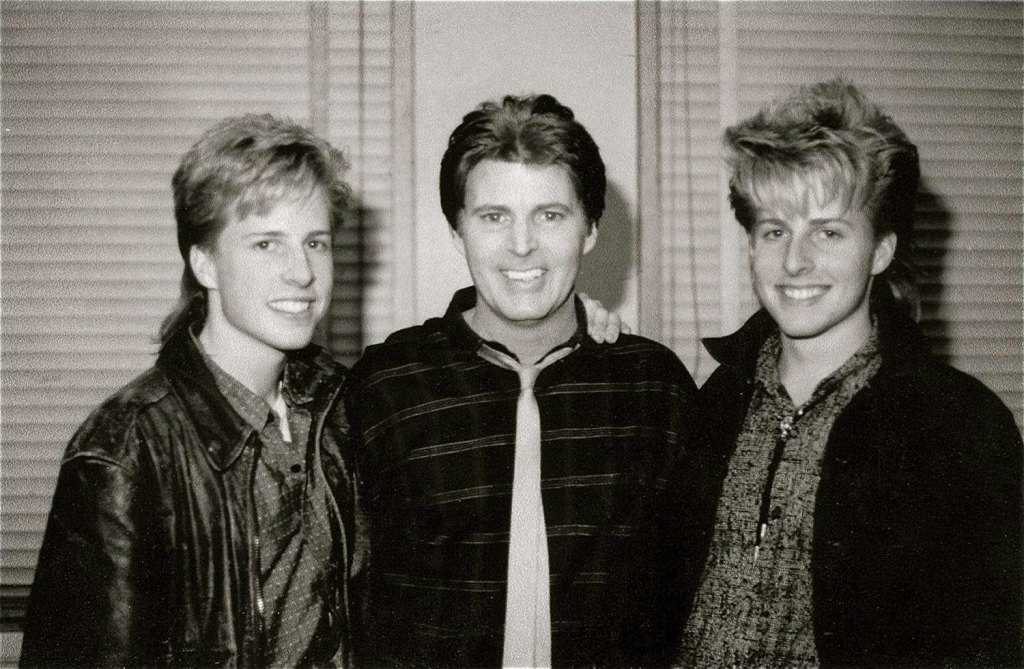
Matthew and I would probably have wound up being the rhythm section in our dad’s band. I started out as a drummer and Matthew was a bass player, so we made a fine rhythm section. We would’ve had a very different life if we were backing up our father, and we wouldn’t have formed Nelson.
I would’ve given anything for just five more minutes of tangible time with my dad. He was our best friend, and he was such a lovely guy who never got the credit that he should have. He was very humble, but Matthew and I have no problem reminding people that a lot of things wouldn’t be around without Ricky Nelson.
Conversation
All comments are subject to our Community Guidelines. Woman's World does not endorse the opinions and views shared by our readers in our comment sections. Our comments section is a place where readers can engage in healthy, productive, lively, and respectful discussions. Offensive language, hate speech, personal attacks, and/or defamatory statements are not permitted. Advertising or spam is also prohibited.