59 Hours of Lost Elvis Footage Found in a Salt Mine—and Now It’s a Movie Called ‘EPiC: Elvis Presley in Concert’
Director Baz Luhrmann found hours of unseen Elvis footage buried underground—and what he did next is wild
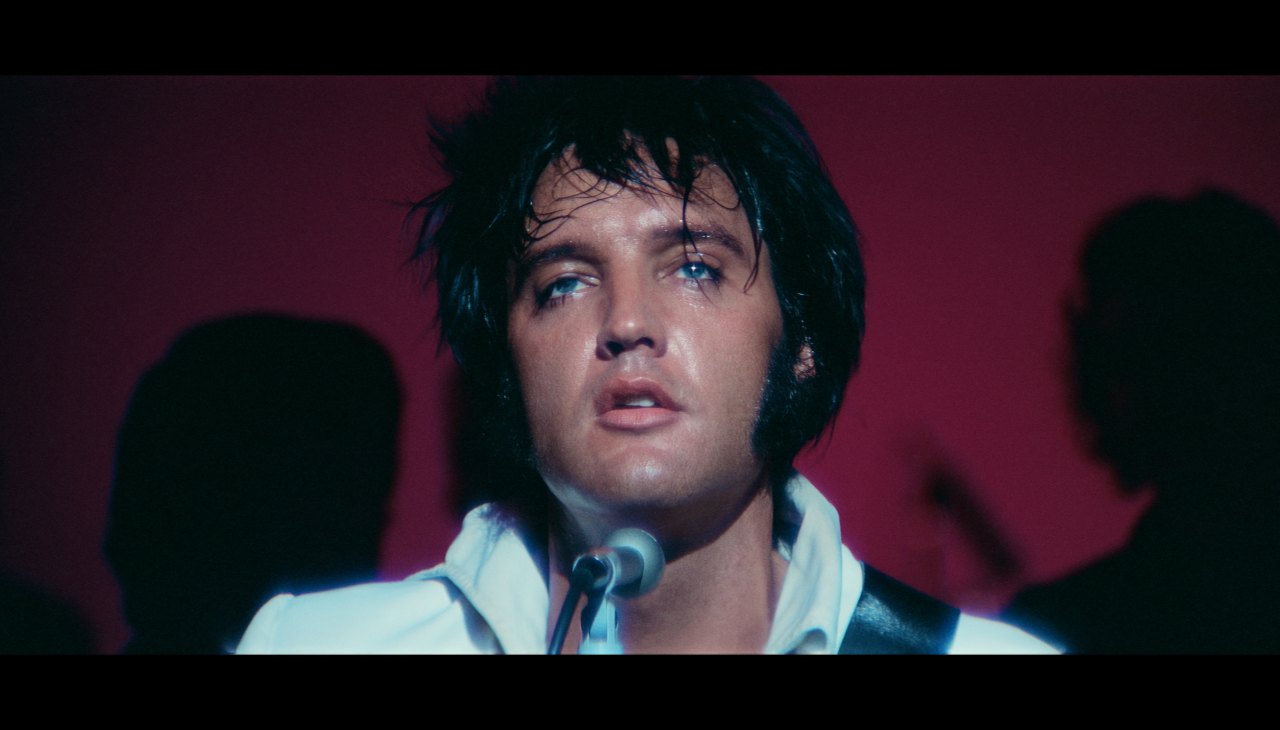
In the nearly 50 years since his untimely passing at 42 in 1977, Elvis Presley’s mythological status has only grown stronger, and recent films like Baz Luhrmann’s Elvis (2022) and Sofia Coppola’s Priscilla (2023) have introduced the King of Rock and Roll to a new generation. Now, there’s another new reason to celebrate him.
Luhrmann, the director behind stylish, transporting films like Romeo + Juliet (1996), Moulin Rouge! (2001) and The Great Gatsby (2013), poured years of passion and research into bringing his blockbuster Elvis biopic to life. During the production of the film, he went on an extensive search for lost footage from the early ’70s concert films Elvis: That’s the Way It Is and Elvis on Tour—and he couldn’t believe what he ended up discovering.
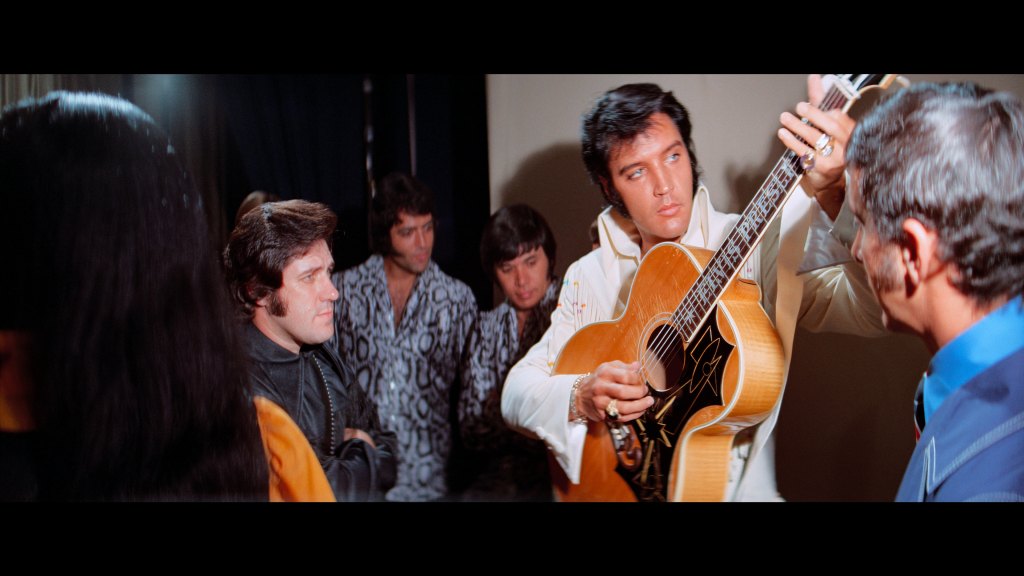
Luhrmann and his team of researchers found what they were looking for—and more!—and the results were so great that he decided to make another movie composed entirely of this rare footage. The result, EPiC: Elvis Presley in Concert, is now playing in theaters, and it’s a must-see for any Elvis fan. Keep reading for the story of how Luhrmann improbably brought the explosive new movie to life.

From salt mines to the big screen: The wild treasure hunt that brought Elvis back to life
Baz Luhrmann originally hoped to use any lost Elvis footage he found in his biopic, which starred Austin Butler, but his archival deep dive ultimately led him on a different path. The process of finding the footage wasn’t easy, as his researchers embarked on an adventure into Warner Bros. film vaults buried deep in underground salt mines in Kansas (yes, you read that right!)
Luhrmann didn’t know exactly what his researchers would discover, but the findings were incredible, and the team uncovered 69 boxes yielding 59 hours of previously unseen film negatives. The filmmaker also had help from Angie Marchese, Graceland’s Curator and VP of Archives and Exhibits, who provided never-before-seen Super-8 film from the extensive collection of Elvis’ estate.
The research journey turned up some true gems, including previously unheard recordings of Elvis talking about his life and music, as well as electrifying scenes of him performing in Las Vegas in 1970, touring in 1972 and even rocking out in a gold jacket in Hawaii in a prized performance from 1957.
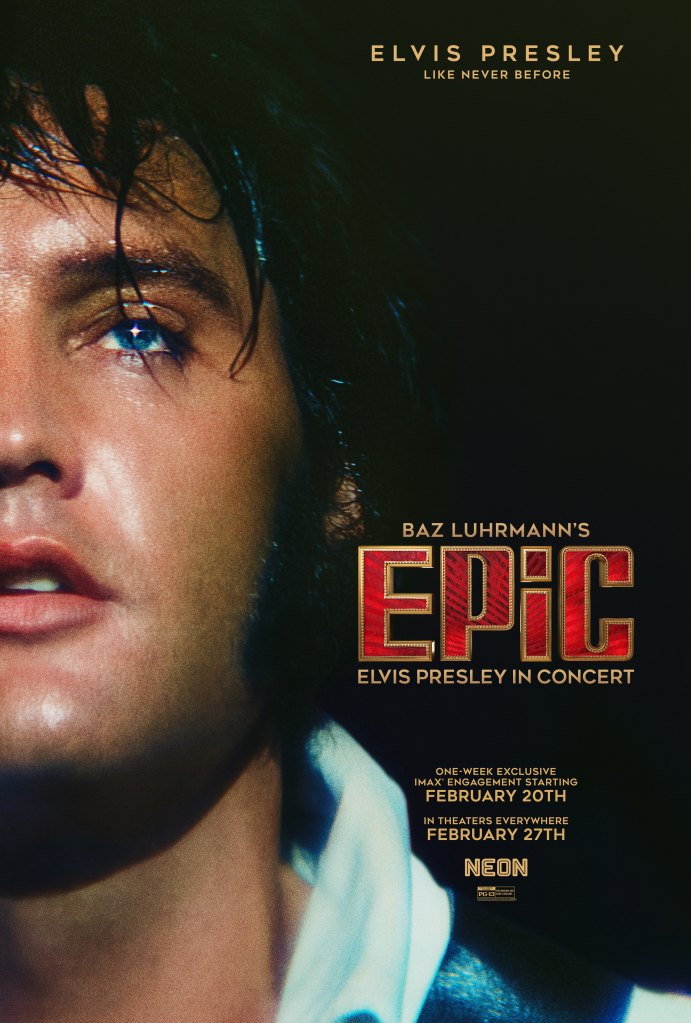
Finding all this fabulous footage gave Luhrmann an idea: As he recalled in EPiC’s press notes, “It was these discoveries that gave the inspiration for the new film. What if, instead of reduxing the previous works, we made a film that wasn’t a documentary and wasn’t a concert film? What if Elvis came to you in a dreamscape, almost like a cinematic poem, and sang to you and told you his story in a way in which you haven’t experienced before?”
Luhrmann achieved exactly what he set out to do. EPiC doesn’t feature the talking heads you’d typically find in documentaries. Instead, it lets Elvis tell his own story through his own words, combined with stunning concert footage and rare archival clips. The result is a unique viewing experience that will surprise and delight even the most devoted Elvis fans.
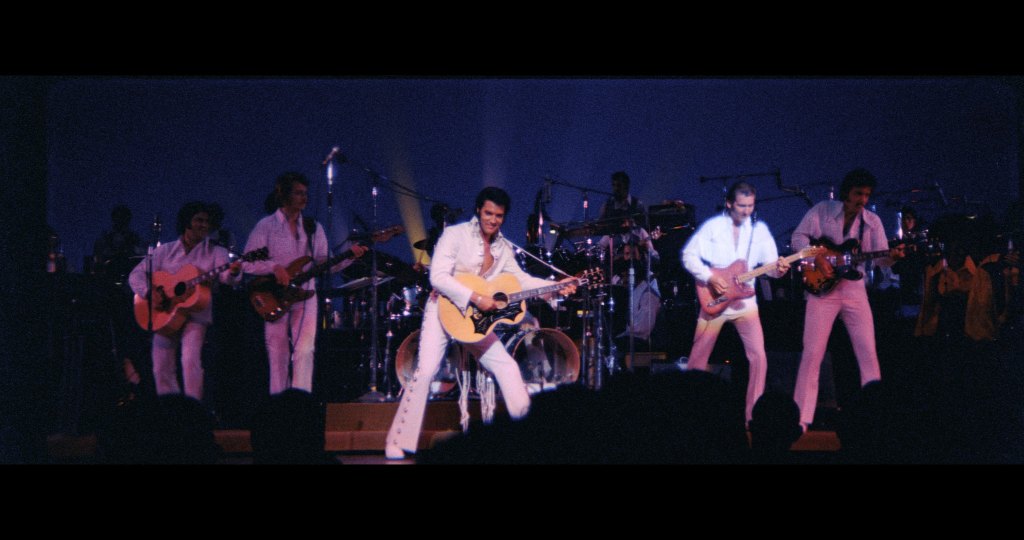
What ‘EPiC: Elvis Presley in Concert’ has in common with ‘The Beatles: Get Back’

The footage Baz Luhrmann found was a goldmine, but discovering it hardly meant his work was done. After spending years buried underground, the film was understandably fragile and faded. Even more challenging? The original sounds and images were recorded separately, leaving dozens of hours of concert footage without songs.
Creating a comprehensive, high-quality film from this lost footage was a time-consuming and expensive process. Luhrmann needed help from the best in the business, so he reached out to Peter Jackson, the acclaimed director who had worked similar magic restoring rare Beatles footage for the revelatory 2021 documentary Get Back.
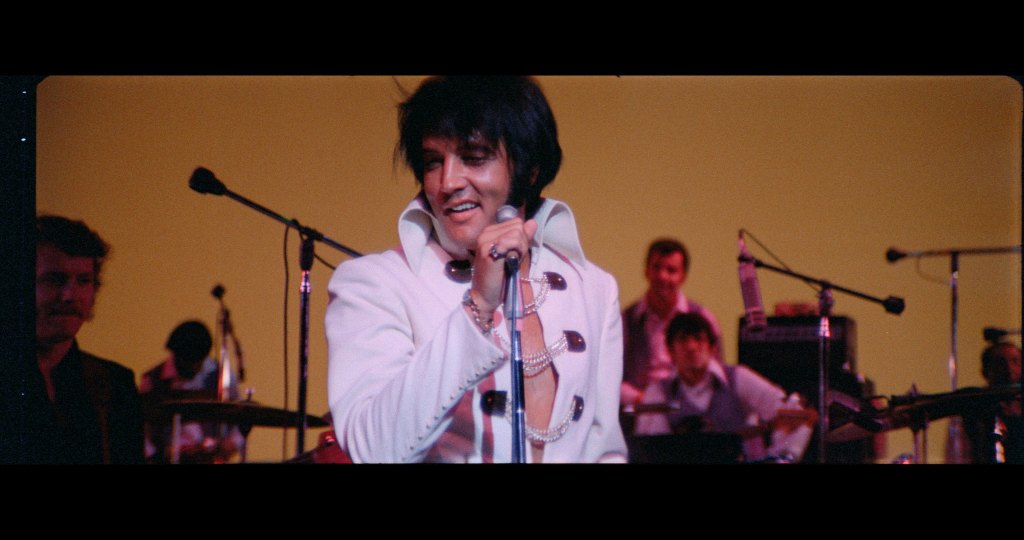
Like EPiC, Get Back sheds new light on musical icons via a treasure trove of previously unseen, pristinely restored footage, and with the painstaking work of Jackson’s team of technicians, the rare Elvis films were restored to such a high quality that EPiC looks like it could’ve been shot today.
In the current landscape, one might assume that making worn-out film footage look like new would involve the use of artificial intelligence, but Luhrmann emphatically told The New York Times, “I want to underline, there’s not a single frame of A.I. in this. And there are no visual effects. I like to say the only visual effect in this is the visual effect Elvis has on his audiences.” There’s no denying just how powerful that visual effect truly is.
Conversation
All comments are subject to our Community Guidelines. Woman's World does not endorse the opinions and views shared by our readers in our comment sections. Our comments section is a place where readers can engage in healthy, productive, lively, and respectful discussions. Offensive language, hate speech, personal attacks, and/or defamatory statements are not permitted. Advertising or spam is also prohibited.