The 42 Best 1950s Sitcoms That Invented TV Comedy — ‘I Love Lucy’ to ‘Leave It to Beaver’
From Lucy’s antics to the Beav’s mishaps, relive the classic shows that made TV history—and made us laugh doing it

Before television became crowded with formats and genres, it learned how to make people laugh—with the history of classic TV serving as proof. In the 1950s, sitcoms weren’t just another category of programming—they were the backbone of early television. These 1950s TV shows invited audiences into living rooms, kitchens and workplaces that felt comfortingly familiar, even when the situations spiraled into chaos. More than anything else on the schedule, sitcoms taught television how to connect. And many of the most beloved 1950s sitcoms grew out of radio and vaudeville, bringing with them a sense of timing, character and performance that felt immediate and personal. Shows like I Love Lucy transformed physical comedy for the small screen, while The Honeymooners proved that sharp dialogue and relatable frustration could be just as funny as pratfalls. Domestic comedies such as Father Knows Best and Leave It to Beaver offered idealized versions of family life, but with just enough truth to resonate across generations.
What’s striking about these early sitcoms is how foundational they were. Many of the storytelling rhythms, character archetypes and comedic setups we still recognize today were being invented in real time. Wives and husbands sparred, kids tested boundaries, bosses loomed large and neighbors rarely minded their own business. Even shows that lasted only a season or two contributed something to the evolving language of television comedy.
This guide focuses exclusively on the sitcoms among the 1950s TV shows—from iconic classics to lesser-remembered series that nonetheless helped shape the medium. Together, they capture a moment when television comedy was discovering its voice, one laugh track, studio audience, raised eyebrow and perfectly timed punchline at a time.
The Pioneers: iconic sitcoms that defined the era
The most influential 1950s sitcoms, including I Love Lucy, The Honeymooners, Leave It to Beaver and Father Knows Best, were among those to establish the three-camera filming technique and the nuclear family archetype. These series are celebrated today for their enduring stars like Elinor Donahue, 88, and Jerry Mathers, 77, and remain foundational to the history of television comedy.
1. ‘I Love Lucy’ (1951-1957)

When it comes to classic television comedy, few shows are as enduring—or as influential—as I Love Lucy. Lucille Ball shifted from film and radio to television in part so she could work alongside her husband, Desi Arnaz, and their on-screen chemistry proved electric. The show was further elevated by the pitch-perfect support of Vivian Vance and William Frawley. After the original run ended, the Lucy-and-Desi partnership continued with The Lucy-Desi Comedy Hour, a series of 13 one-hour specials that aired on CBS between 1957 and 1960. I Love Lucy is streaming on Pluto and Paramount+.
2. ‘The Honeymooners’ (1955–1956)
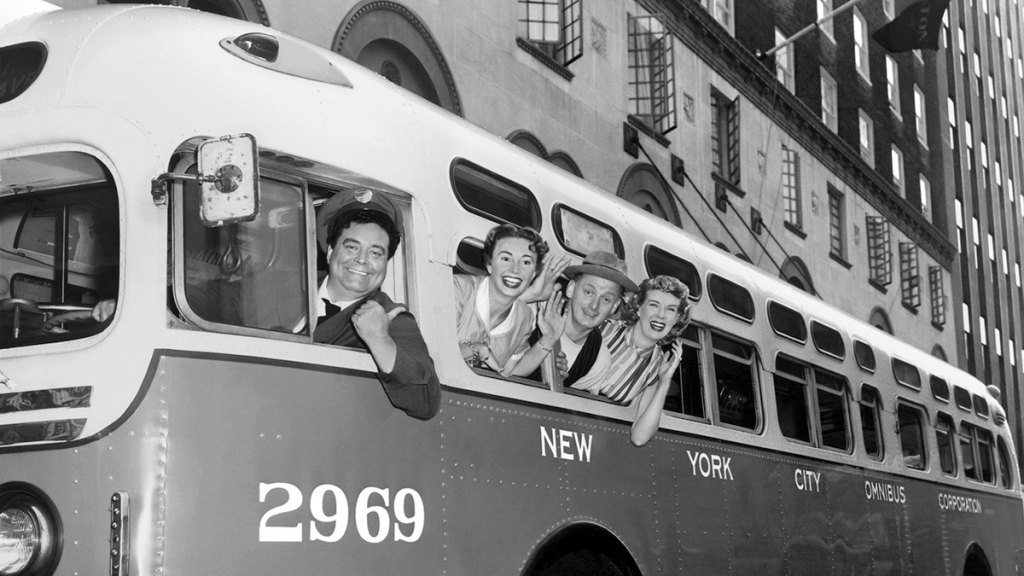
Few sitcoms have left a deeper cultural imprint. Jackie Gleason starred as blustery bus driver Ralph Kramden, opposite Audrey Meadows as his patient wife Alice. Art Carney co-starred as Ralph’s well-meaning best friend, Ed Norton, with Joyce Randolph as his wife, Trixie. Although hundreds of sketches featuring the characters appeared on The Jackie Gleason Show, only 39 official episodes were produced—each now regarded as a cornerstone of television comedy. The Honeymooners: Lost Episodes is streaming on Tubi.
3. ‘Leave It to Beaver’ (1957–1963)

A warm, gentle sitcom built around the day-to-day experiences of kids and the parents trying to guide them, Leave It to Beaver found comedy in ordinary childhood problems—filtered through a friendly, idealized sitcom lens. Hugh Beaumont and Barbara Billingsley played Ward and June Cleaver, with Tony Dow as big brother Wally and Jerry Mathers as Theodore “Beaver” Cleaver. Leave It to Beaver is available for streaming on Amazon Prime.
4. ‘Father Knows Best’ (1954–1960)

Often cited as the definitive 1950s family sitcom, the series starred Robert Young as Jim Anderson, with Jane Wyatt as his wife Margaret. Their children—Betty, Bud, and Kathy—were played by Elinor Donahue, Billy Gray, and Lauren Chapin. Warm and sincere without becoming saccharine, the show remains an enduring snapshot of mid-century family life. Father Knows Best is streaming on Pluto and Tubi.
5. ‘The Donna Reed Show’ (1958–1966)
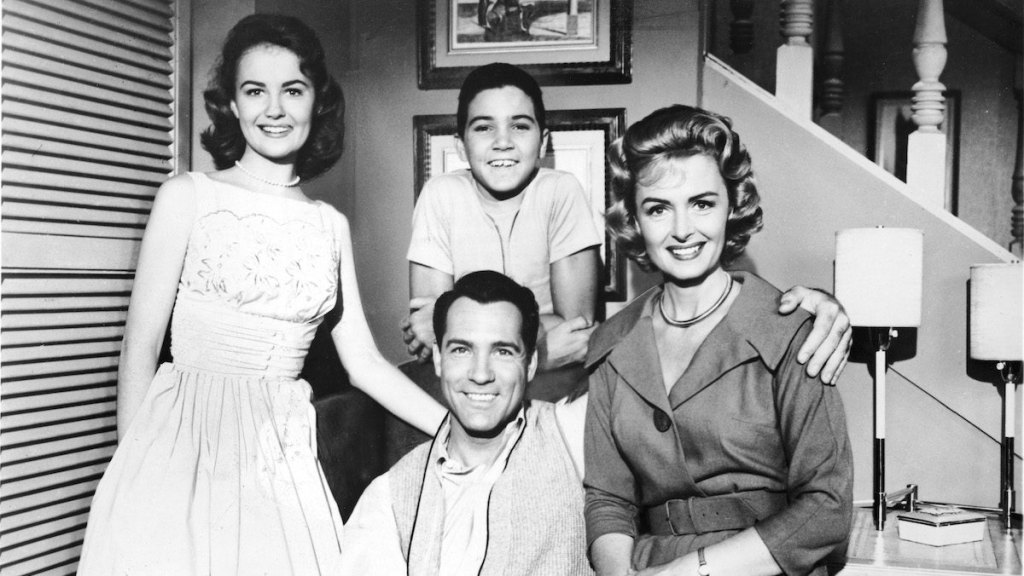
A polished domestic sitcom that offered an idealized version of family life, the series starred Donna Reed as Donna Stone, wife of Dr. Alex Stone, played by Carl Betz. Their children were portrayed by Shelley Fabares and Paul Petersen, with storylines drawn from the everyday frictions—and comforts—of home. The Donna Reed Show is streaming on Tubi and Pluto TV.
6. ‘The Adventures of Ozzie and Harriet’ (1952–1966)

One of television’s longest-running family sitcoms, the show starred the real-life Nelson family, lightly fictionalized for sitcom purposes. Ozzie Nelson and Harriet Nelson played the parents, with sons David Nelson and Ricky Nelson appearing as themselves. The family’s world was rounded out by their friendly next-door neighbor, Thorny, played by Don DeFore. Like many early television hits, the series began on radio before making the transition to TV. The Adventures of Ozzie and Harriet is streaming on Pluto TV and Tubi.
7. ‘Make Room for Daddy’ (1953–1965)

Danny Thomas starred as Danny Williams, a successful nightclub entertainer juggling the demands of show business with family life. The series benefited from a strong supporting cast and a warm, character-driven approach that helped it endure for more than a decade. Thomas was also the real-life father of actress Marlo Thomas, later the star of That Girl. Make Room for Daddy, Season 4-11 are available on Tubi and Pluto TV.
Domestic bliss and suburban chaos
Beyond the major hits, 1950s domestic comedies like I Married Joan and The Life of Riley captured the humorous friction of mid-century marriage. Shows such as Life With Elizabeth, starring a young Betty White, captured the humorous friction of mid-century marriage. These classic 1950s TV shows expanded the genre into slapstick and rural settings, paving the way for the “everyman” sitcoms of later decades.
8. ‘I Married Joan’ (1952–1955)
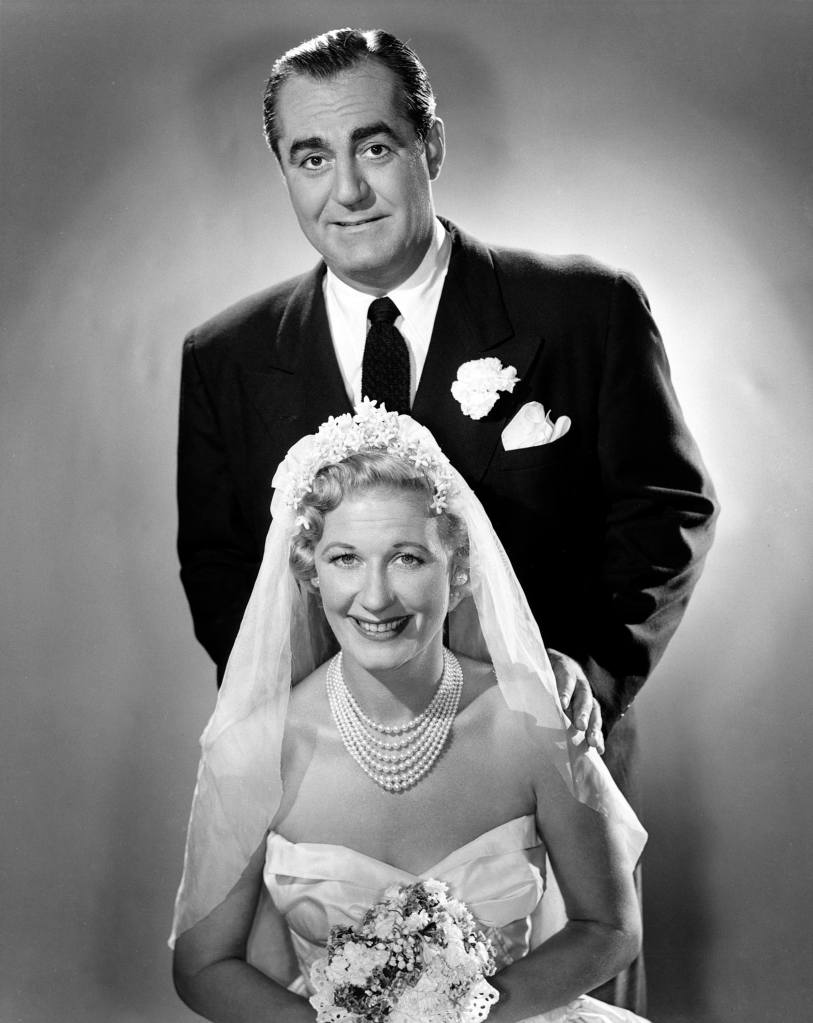
In some respects, a cousin to I Love Lucy, the series starred Joan Davis as Joan Stevens, a whirlwind of manic energy and scatterbrained logic. Joan’s husband, the dignified Judge Bradley Stevens, was played by Jim Backus, later famous as the voice of Mr. Magoo and as Thurston Howell III on Gilligan’s Island. The contrast between Joan’s chaos and Bradley’s authority fueled much of the show’s comedy. I Married Joan is streaming on Pluto TV and Tubi.
9. ‘The Life of Riley’ (1953–1958)
William Bendix brought Chester A. Riley from radio and film to television, portraying the well-meaning, malapropism-prone aircraft worker whose bluster often masked a big heart. While Riley worked at a California aircraft plant, the show focused largely on his home life and the comic situations he created for himself and his family. Bendix’s delivery helped turn Riley’s catchphrase—“What a revoltin’ development this is!”—into a national punchline. An earlier television version of the series had starred Jackie Gleason, before Ralph Kramden made him a household name. Season 1 of The Life of Riley is streaming on Tubi.
10. ‘Life with Elizabeth’ (1953–1955)
Long before she became a pop-culture institution, Betty White starred as Elizabeth, one half of a seemingly ordinary suburban couple whose lives were anything but routine. Alongside her on-screen husband Alvin, played by Del Moore, Elizabeth’s good intentions routinely led to escalating complications. Episodes—referred to as “incidents”—were divided into three short segments, often ending with Alvin’s frustrated exit and Elizabeth’s not-quite-remorseful response, a recurring gag that became part of the show’s identity. Life with Elizabeth is streaming on Tubi.
11. ‘My Favorite Husband’ (1953–1955)
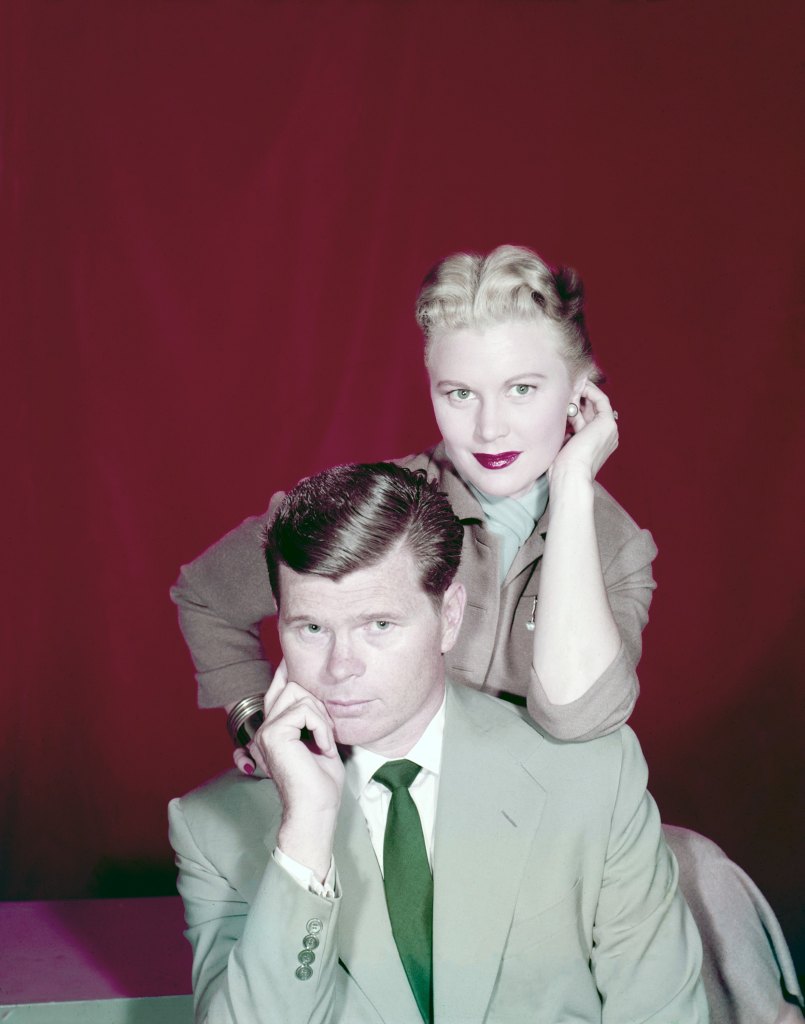
Adapted from the Lucille Ball radio series that would eventually evolve into I Love Lucy, this television version shared a familiar comic DNA while standing on its own. Joan Caulfield starred as Liz Cooper, a well-intentioned but impulsive wife married to George Cooper, a bank executive played by Barry Nelson (the first actor to portray Ian Fleming’s Jame Bond). Their closest friends were an older couple who served a similar function to the Mertzes, though with a different dynamic. Despite inevitable comparisons, the series enjoyed solid success during its run.
12. ‘December Bride’ (1954–1959)
Spring Byington starred as Lily Ruskin, a widow living with her daughter and son-in-law. Much of the comedy stemmed from the well-meaning but relentless efforts of friends and family to find Lily a suitable romantic match—efforts that often backfired in amusing ways. Despite its deceptively simple premise, the series ran for five successful seasons.
13.‘Bachelor Father’ (1957–1962)
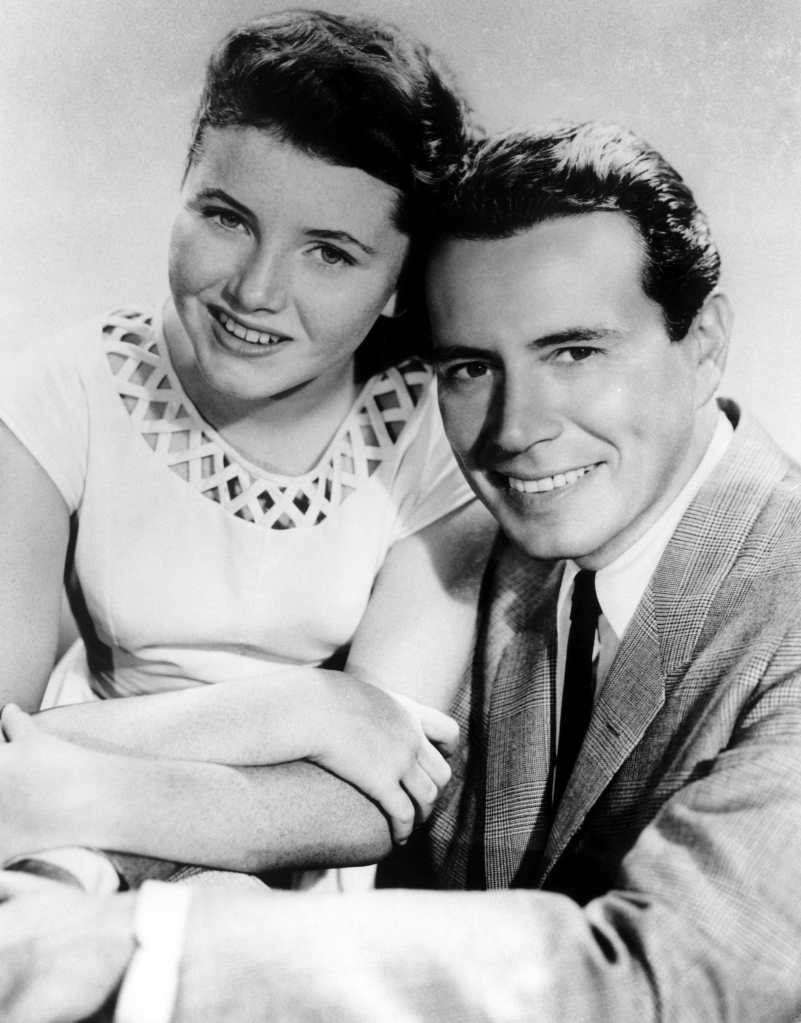
When young Kelly’s parents are killed in a car accident, her wealthy Beverly Hills uncle Bentley Gregg, played by John Forsythe, becomes her guardian—despite being far more comfortable in a bachelor routine than in a parental one. With the help of his houseboy Peter Tong, portrayed by Sammee Tong, Bentley tries to raise Kelly while she, in turn, nudges him toward settling down and finding a wife. Forsythe later became famous as the voice of Charlie on Charlie’s Angels and as Blake Carrington on Dynasty.
14. ‘Blondie’ (1957)
The long-running comic strip (and the popular feature film series built from it) made the leap to television with Arthur Lake once again playing Dagwood Bumstead. This time, the focus was squarely on domestic comedy as Dagwood navigated married life with Blondie, played by Pamela Britton, along with the everyday chaos of home and family. Blondie is streaming on Tubi.
15. ‘Date with the Angels’ (1957–1958)
Betty White returned to series television as Vickie Angel, married to Gus, played by Bill Williams. Loosely inspired by the play Dream Girl, the show regularly broke from standard sitcom reality whenever Vickie drifted into elaborate daydreams, creating fantasy sequences that put a whimsical spin on familiar domestic setups. Date with the Angels is streaming on the RokuChannel and Tubi.
16. ‘The Real McCoys’ (1957–1963)
A West Virginia family relocates to an inherited farm in California, and culture clash comedy follows. The family’s outspoken patriarch, Grandpa Amos McCoy, played by Walter Brennan, dispenses advice freely to his three grandchildren and carries himself as though the neighborhood has been waiting for his guidance. Co-stars included Richard Crenna, Kathleen Nolan, Michael Winkelman, and Lydia Reed. The Real McCoys is available for streaming on Tubi and Pluto TV.
17. ‘Dennis the Menace’ (1959–1963)

Based on Hank Ketchum’s newspaper comic strip, the series starred Jay North as Dennis Mitchell, a fundamentally good kid whose energy and impulsiveness seemed to produce trouble whether he meant to or not—especially for his next-door neighbor George Wilson, better known as “Good Old Mr. Wilson.” As the show progressed, one challenge became unavoidable: Dennis’ antics worked best when he was little, and as Jay grew older, the premise lost some of its original spark.
Workplace wits and career comedies
1950s workplace sitcoms moved the “situation” beyond the living room and into professional settings. Series like Our Miss Brooks (education), The Phil Silvers Show (military) and Private Secretary (office life) introduced the ensemble cast dynamic and workplace-driven humor that would later define shows like The Office and M*A*S*H.
18. ‘Our Miss Brooks’ (1952-1956)
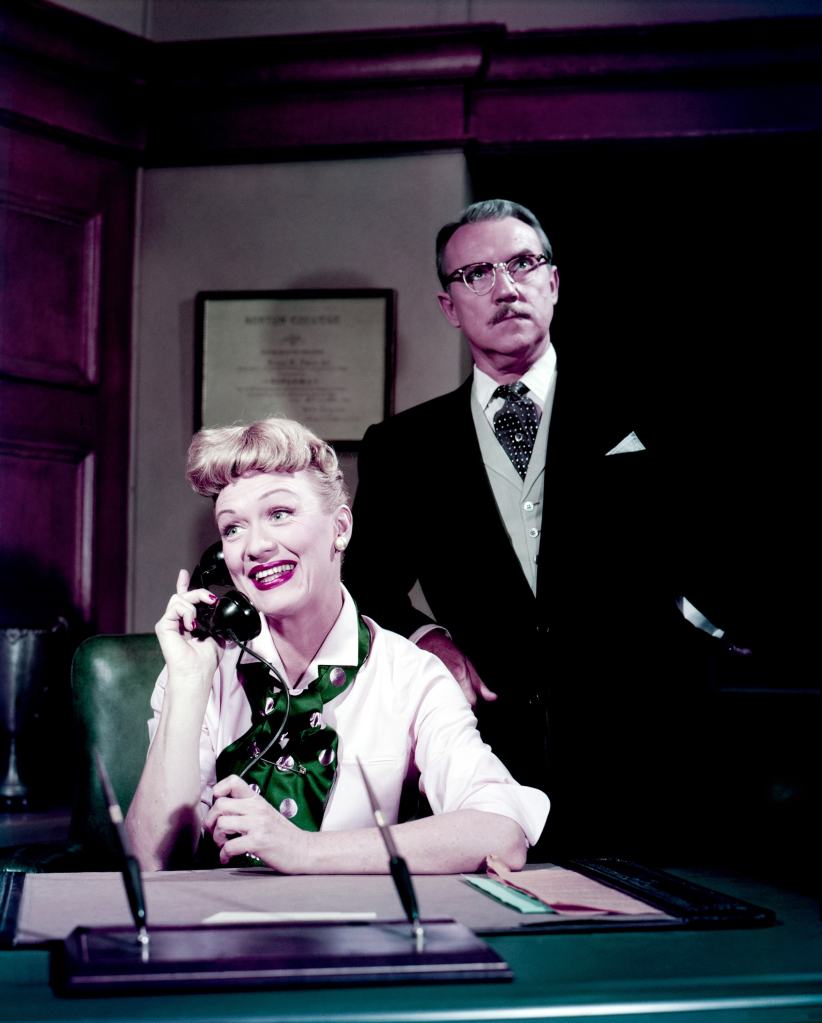
Another successful radio sitcom to make the transition to television, Our Miss Brooks starred Eve Arden as Constance “Connie” Brooks, a sharp-witted English teacher at the fictional Madison High School. Much of the show’s comic tension came from her ongoing battles with Principal Osgood Conklin, played by Gale Gordon, whose blustery authority made him a perfect foil. Season 3 of Our Miss Brooks is streaming on Tubi.
19. ‘Mister Peepers’ (1952–1955)
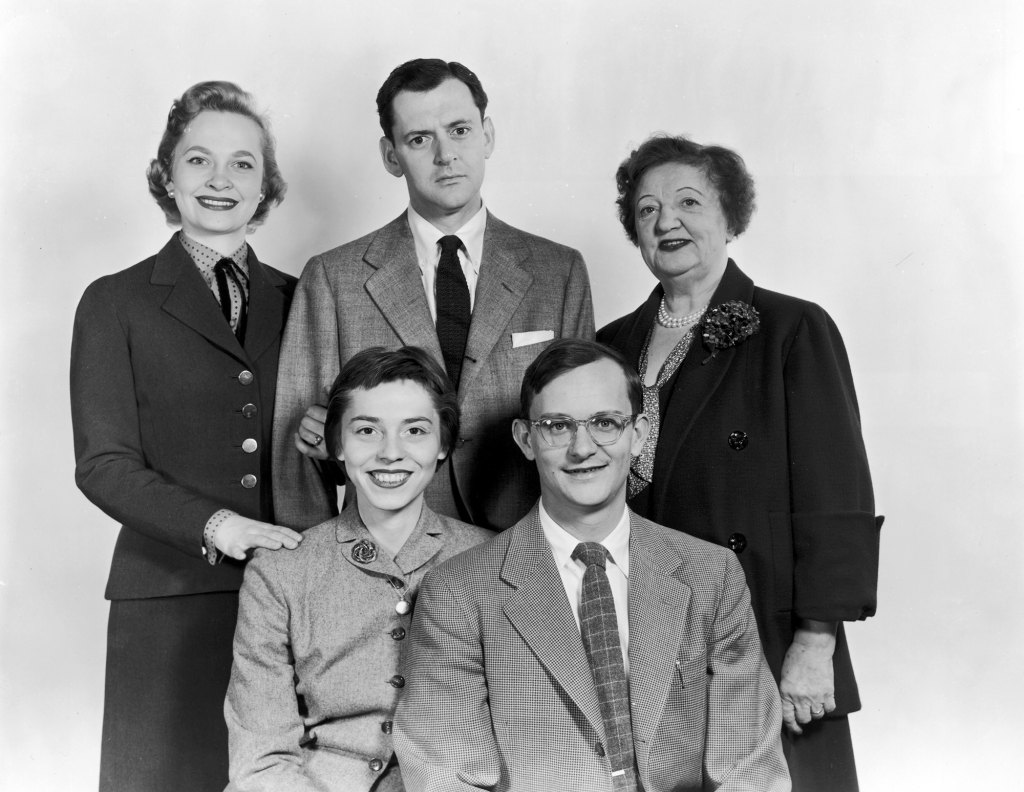
Wally Cox starred as Robinson Peepers, a shy, soft-spoken science teacher at Jefferson High School who consistently underestimated—and ultimately outmaneuvered—those around him. Despite his meek demeanor, Peepers’ quiet intelligence carried the day. Co-starring was Tony Randall, years before he would become inseparable from Felix Unger on television’s The Odd Couple. Season 1 of Mister Peepers is streaming on Tubi.
20. ‘Private Secretary’ (1953–1957)
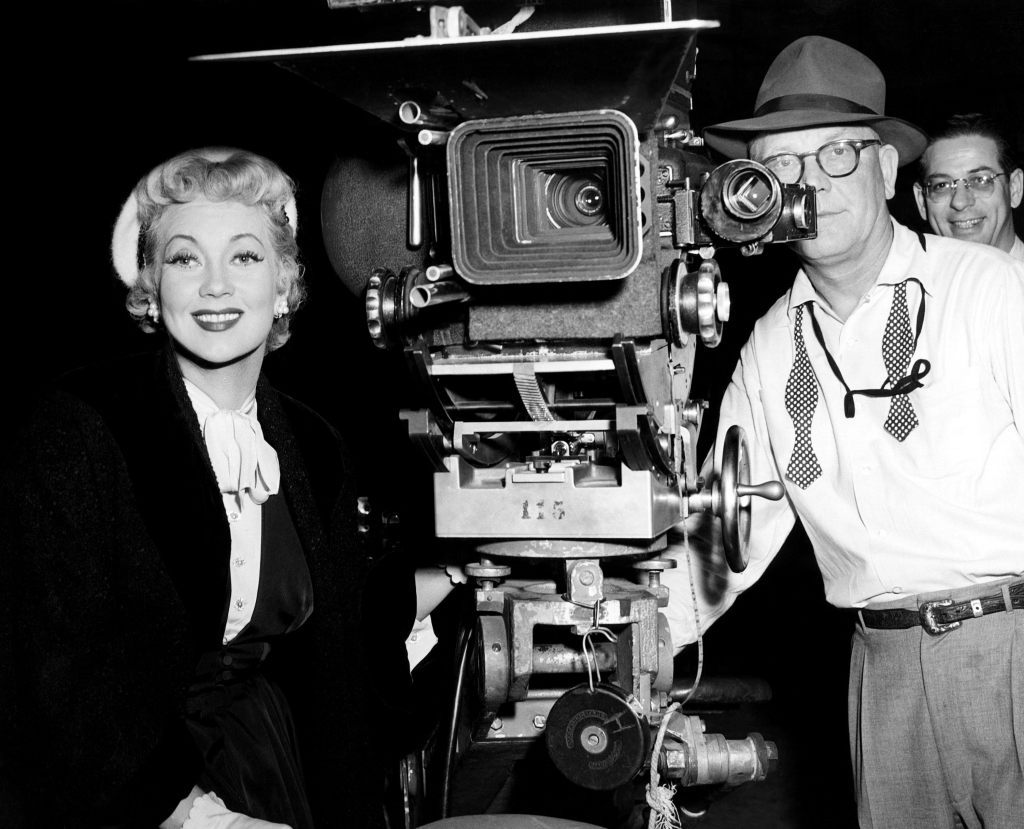
Ann Sothern starred as Susan Camille “Susie” MacNamara, the fiercely loyal secretary to handsome talent agent Peter Sands, played by Don Porter. Susie’s devotion to her boss often led her to interfere—usually with good intentions—in his professional and personal affairs, creating the central comic tension that drove the series. Seasons 4 and 5 of Private Secretary are streaming on Tubi.
21. ‘The Phil Silvers Show’ (1959–1961)

Set at a U.S. Army base in Kansas, the series starred Phil Silvers as Master Sergeant Ernest G. Bilko, a fast-talking schemer assigned to run the motor pool. Though nominally a soldier, Bilko devoted most of his energy to elaborate get-rich-quick schemes, making the show a sharp satire of authority, bureaucracy, and human nature.
22. ‘The Gale Storm Show’ (1956–1959)
Reuniting viewers with a familiar star, Gale Storm returned to television as Susanna Pomeroy, cruise director aboard the luxury liner S.S. Ocean Queen. Each episode turned a new port of call into an opportunity for misunderstandings, romantic mix-ups, and broad comedy.
23. ‘The Ann Sothern Show’ (1958–1961)
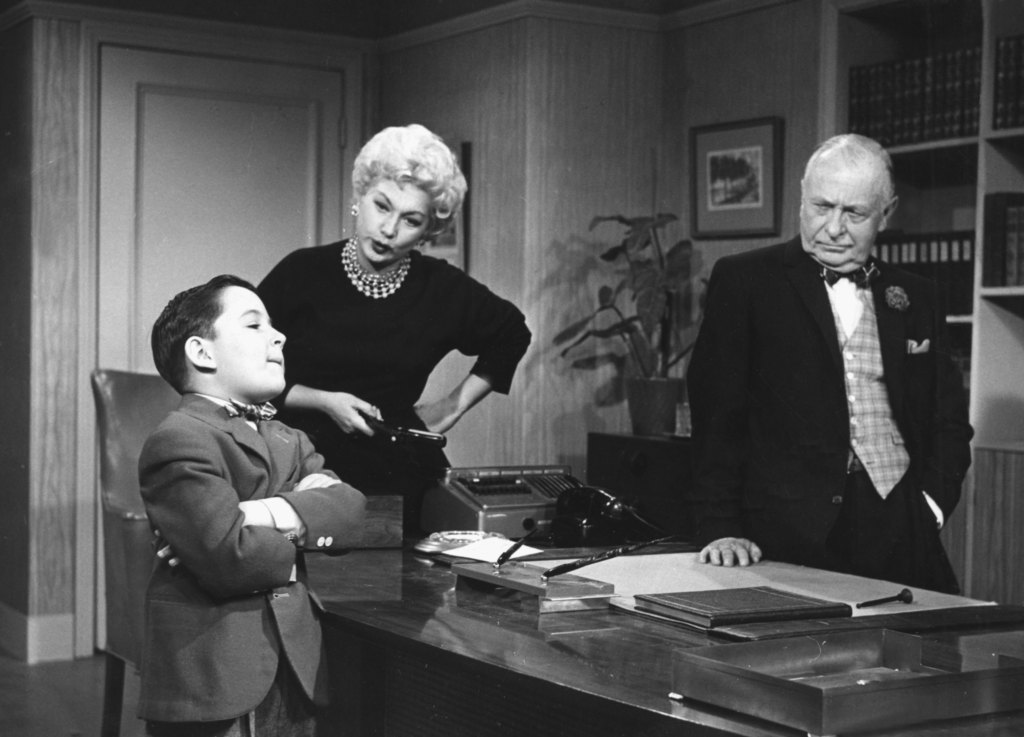
Ann Sothern starred as Katy O’Connor, the assistant manager of New York City’s Bartley House Hotel, whose workday was shaped by demanding guests and the personalities on the staff. The hotel setting made it easy to introduce new characters week after week while keeping Katy at the center of the action. Among her co-stars was Don Porter, reteaming with Sothern after their earlier series Private Secretary.
24. ‘Hennesey’ (1959–1962)
A notable example of a former child star successfully transitioning into adult work (and later becoming a director, producer, and executive), Jackie Cooper starred as Lieutenant Charles W. “Chick” Hennesey, a U.S. Navy physician stationed in San Diego. The series blended service-life storytelling with character comedy and workplace dynamics, with Abby Dalton co-starring as Navy nurse Lieutenant Martha Hale.
25. ‘The Eve Arden Show’ (1957–1958)
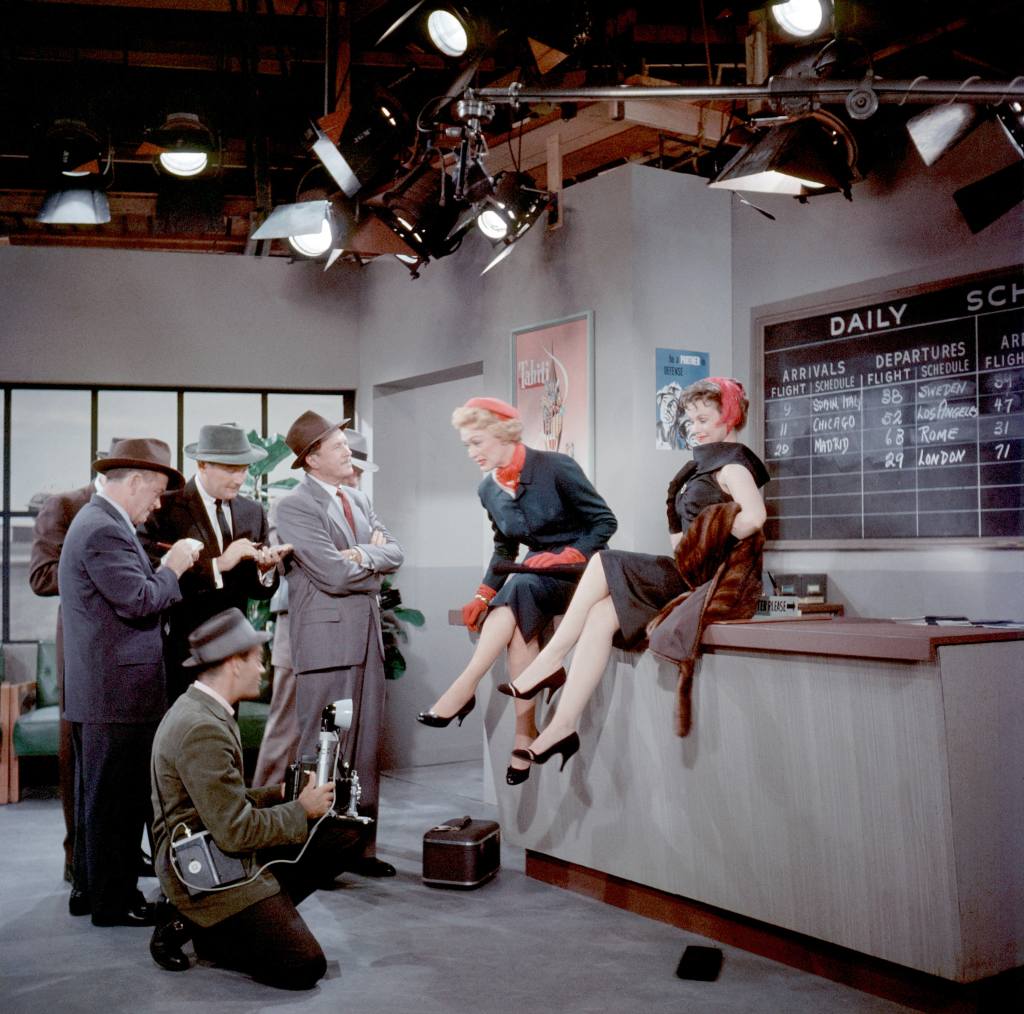
In a sharp contrast to her earlier work on Our Miss Brooks, Eve Arden played Liza Hammond, a widowed mother raising twin daughters while supporting the household through her writing. The cast also included Frances Bavier—later Aunt Bee on The Andy Griffith Show—as Liza’s mother and housekeeper, giving the series a multi-generational family dynamic. The Eve Arden Show is streaming on Tubi.
The variety-hybrid and high-concept hits
The early television era featured innovative sitcom hybrids like The George Burns and Grace Allen Show, which famously broke the fourth wall, and The Jack Benny Program, which had really originated the sitcom on its radio version and carried that through on television; and surreal “high-concept” hits like Topper. These programs demonstrated the experimental spirit of 1950s television, blending vaudeville roots with creative storytelling that pushed the boundaries of the medium.
26. ‘Your Show of Shows’ (1950-1954)
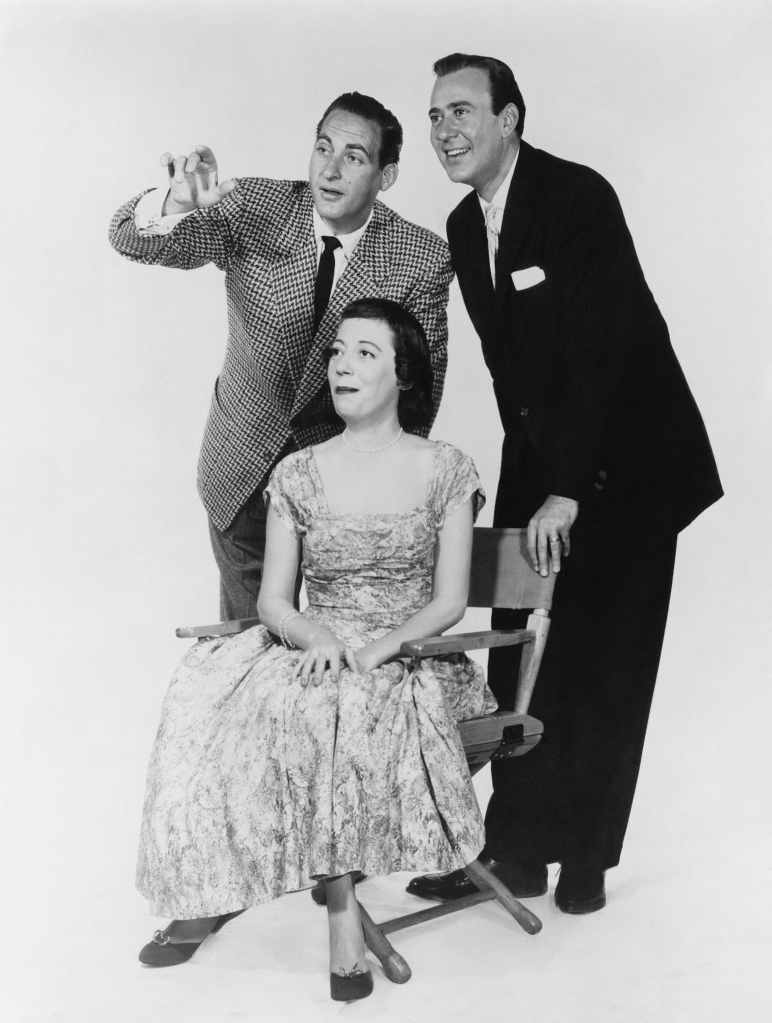
Often cited as the gold standard of television variety, Your Show of Shows revolved around the comic brilliance of Sid Caesar and Imogene Coca, supported by a strong ensemble that included Carl Reiner, years before he would redefine sitcom comedy with The Dick Van Dyke Show. Just as remarkable was the writing staff, which read like a future comedy hall of fame: Mel Brooks, Neil Simon (alongside his brother Danny Simon), Larry Gelbart and Woody Allen all passed through its writers’ room. What truly set the series apart was its willingness to experiment—most notably by embedding recurring sitcom-style sketches within the broader variety framework, a concept that helped push television comedy forward and influence generations that followed.
27. ‘The George Burns and Gracie Allen Show’ (1950–1958)
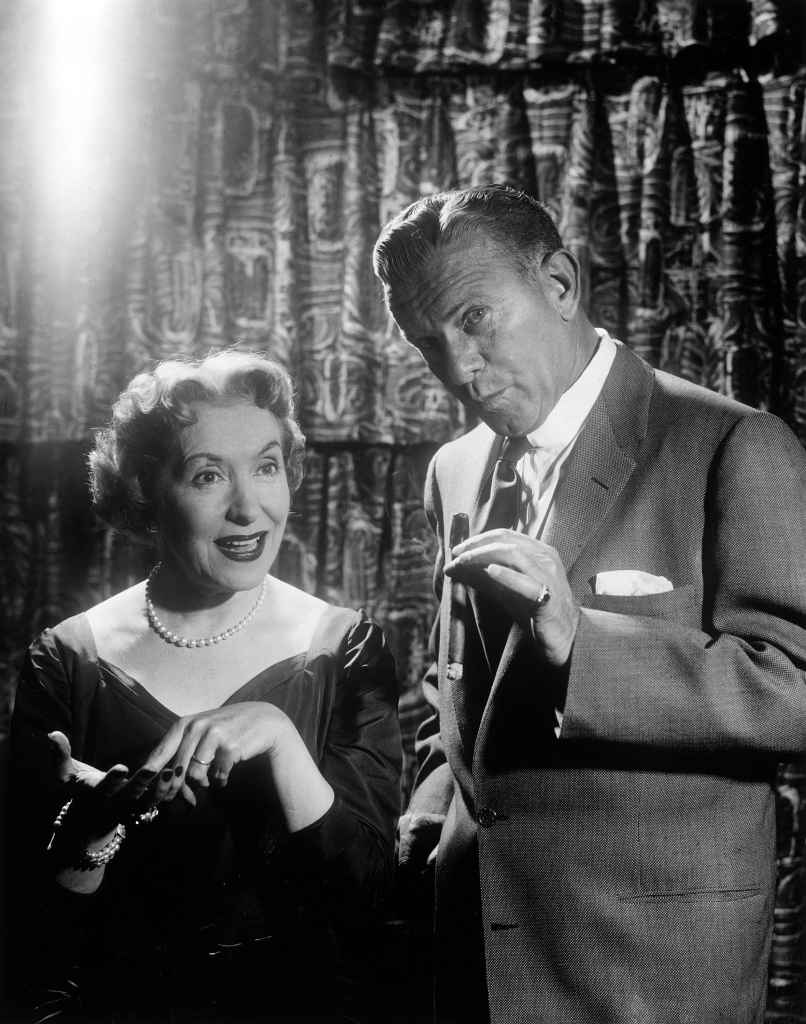
Also known as The Burns and Allen Show, the series brought one of America’s most beloved comedy teams from radio to television. George Burns and Gracie Allen had built their partnership in vaudeville and refined it through years of radio success, making the transition to TV feel almost effortless. Their chemistry—especially Gracie’s delightfully illogical worldview—became the show’s defining charm. When Allen retired in 1958, the original series ended, but Burns attempted to continue alone under the title The George Burns Show. Despite retaining much of the format, audiences clearly felt Gracie’s absence, and the revised series lasted just one additional season.
28. ‘The Jack Benny Program’ (1950–1965)

Like George Burns, Jack Benny successfully migrated his long-running radio series to television, spending many years performing on both mediums simultaneously. The TV version retained the core ensemble that fans loved, including Eddie Anderson as Rochester Van Jones, announcer and pitchman Don Wilson, singer Dennis Day, and Sadie Marks as Mary Livingston—so identified with the role that she legally adopted the character’s name. Musical comedy came courtesy of Phil Harris, while vocal wizardry was supplied by Mel Blanc. Anchored by Benny’s legendary “slow burn” comic timing, the series remains a masterclass in character-based humor. The Best of Jack Benny is streaming on Tubi.
29. ‘The Red Skelton Show’ (1951–1971)
A former vaudeville performer, Red Skelton used his long-running variety series as a showcase for an array of beloved characters, including Clem Kadiddlehopper, Freddie the Freeloader, and Cauliflower McPugg. The format allowed Skelton to lean into physical comedy, sentiment, and broad humor, and audiences responded in kind. Few television shows of any genre can claim the longevity of The Red Skelton Show, which remained on the air for an impressive two decades. Season 1 of The Red Skelton Show is streaming on Pluto TV and Tubi.
30. ‘The Ernie Kovacs Show’ (1952–1956)

Almost impossible to neatly categorize, The Ernie Kovacs Show served as a playground for Ernie Kovacs’s wildly inventive imagination. Rather than adapting comedy to television, Kovacs insisted on reshaping the medium itself, experimenting with visuals, sound, timing, and surreal imagery in ways no one else was attempting. The result marked him as a true television pioneer, even if his uncompromising approach reportedly made him a challenging collaborator.
31. ‘The Jackie Gleason Show’ (1952–1970)
A cornerstone of television variety programming, The Jackie Gleason Show enjoyed a nearly twenty-year run, interrupted only briefly when The Honeymooners spun off into its celebrated “Classic 39” episodes. While the show introduced a wide array of recurring characters, none proved as enduring as Ralph Kramden and Ed Norton, who began as sketch characters before becoming two of the most iconic figures in television comedy history.
32. ‘The Red Buttons Show’ (1952–1955)
A reflection of the era’s appetite for comedy-variety programming, this series showcased former vaudeville performer Red Buttons in monologues, sketch comedy, and dance routines. When ratings faltered midway through its run, the format shifted toward a more traditional sitcom structure in an effort to retain viewers.
Forgotten favorites and high-concept hits
33. ‘The Alan Young Show’ (1950–1953)

Before becoming inseparable from a famously opinionated horse on Mister Ed, Alan Young fronted his own television variety series. The show mixed musical performances with comedy sketches built around Young’s affable, slightly flustered persona. By its third season, the format shifted away from variety and toward a more conventional sitcom structure, hinting at the direction Young’s later television success would take.
34. ‘The Abbott & Costello Show’ (1952-1954)

True to Bud Abbott and Lou Costello’s vaudeville roots and film work, the sitcom placed far more emphasis on setting up their famous routines than on sustained narrative. Plots largely existed to serve the comedy, not the other way around. Decades later, Jerry Seinfeld would cite the series as a key influence on the creation of Seinfeld, underscoring its lasting impact.
35. ‘My Little Margie’ (1952–1955)
Gale Storm starred as Margie Albright, a well-meaning young woman whose attempts to manage everyday life almost inevitably spiraled into comic disaster. Margie lived with her widowed father, Vern, played by Charles Farrell, and many of her misadventures involved Vern’s blustery boss, George Honeywell, portrayed by Clarence Kolb. Light, fast-paced, and character-driven, the series became one of the era’s most popular domestic comedies. My Little Margie is streaming on Tubi.
36. ‘Where’s Raymond?’ (1953–1955)
![WHERE'S RAYMOND?, [aka THE RAY BOLGER SHOW], (top) Charles Cantor, Christine Nelson, Richard Erdman; (bottom) Sylvia Lewis, Ray Bolger, Marjie Millar, 1953-1955](https://www.womansworld.com/wp-content/uploads/2026/02/TBDWHRA_EC001.jpg?w=1024&quality=86&strip=all)
Between playing the Scarecrow in The Wizard of Oz and portraying Shirley Jones’ father on The Partridge Family, Ray Bolger starred as Raymond Wallace, a perpetually late song-and-dance man whose personal misadventures constantly interfered with his professional commitments. The show leaned heavily into Bolger’s physical comedy and musical talents.
37. ‘The Larry Storch Show’ (1953)
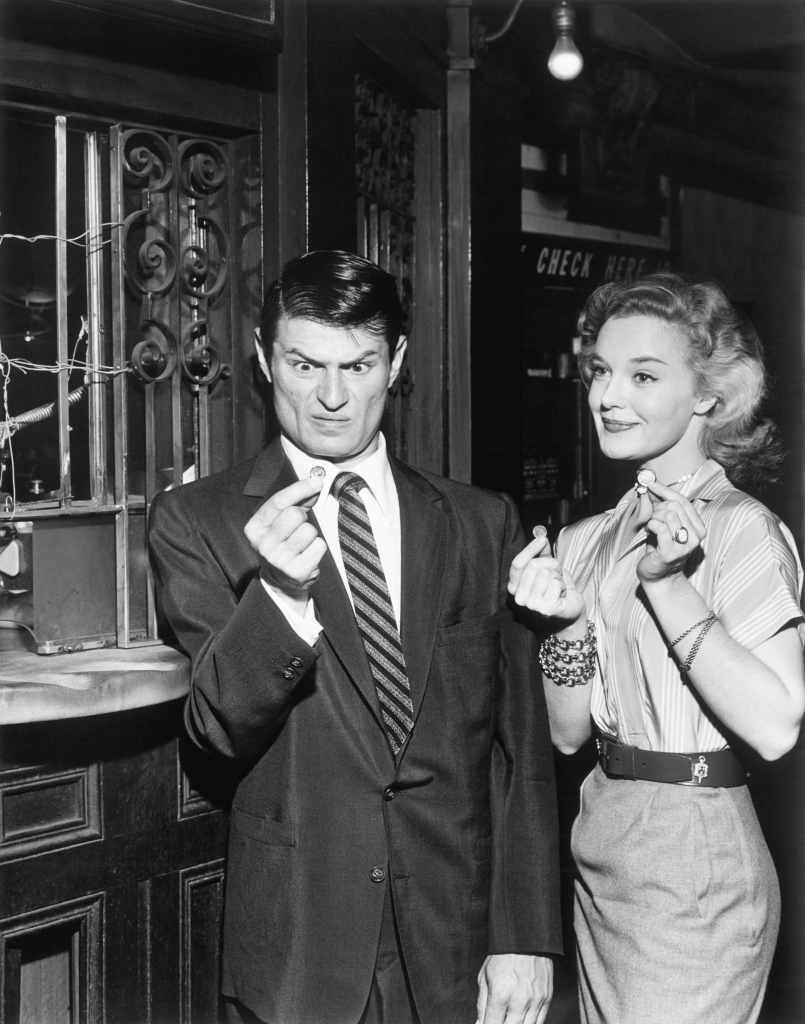
Best known later as Corporal Agarn on F-Troop, Larry Storch hosted this short-lived comedy-variety series as a summer replacement for The Jackie Gleason Show. Along with his guest performers, Storch played a range of characters, using the format as a showcase for his broad comic skills.
38. ‘Topper ‘(1953–1955)
Inspired by the 1937 film, the series followed Cosmo Topper, a buttoned-down banker played by Leo G. Carroll, whose orderly existence was turned upside down by the ghosts of George and Marion Kerby. Portrayed by Robert Sterling and Anne Jeffreys, the mischievous spirits were visible only to Topper, adding a supernatural twist to the domestic comedy.
39. ‘The Mickey Rooney Show’ (1954–1955)
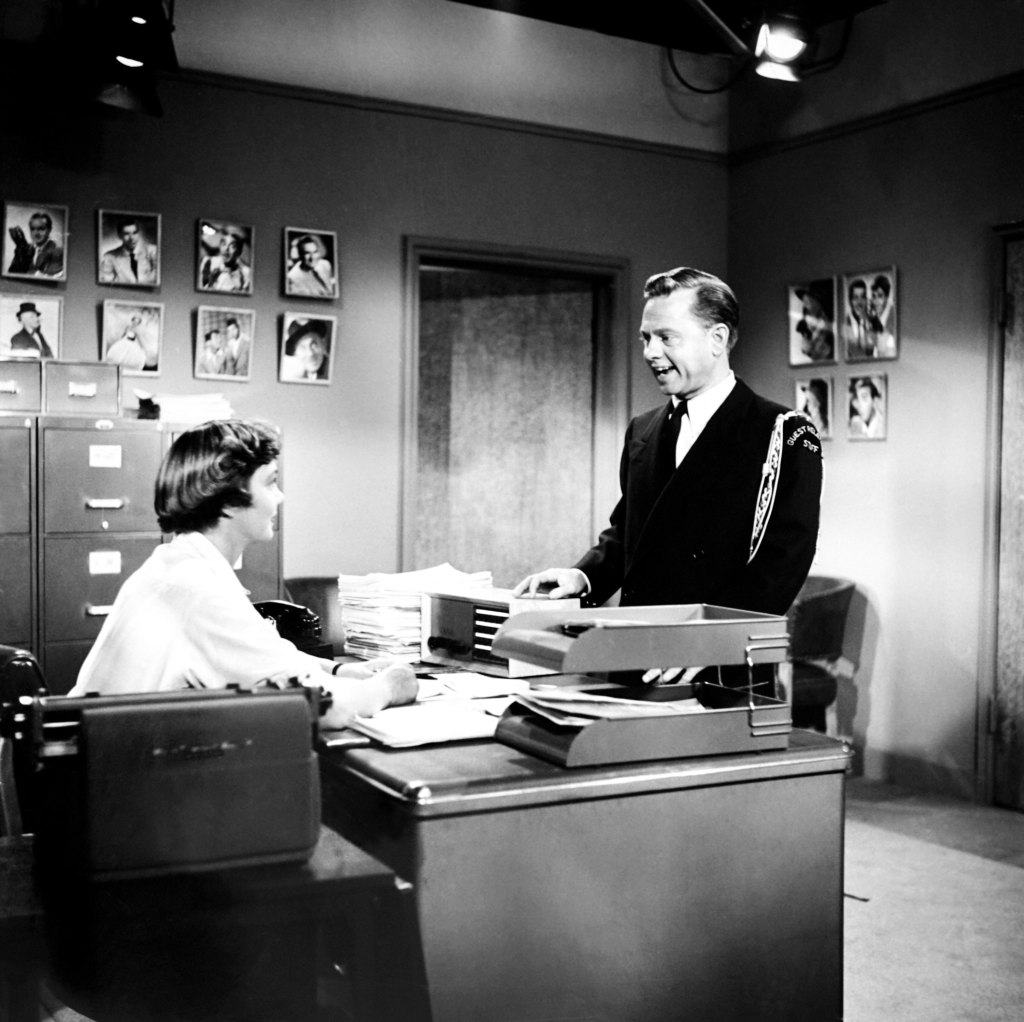
Mickey Rooney played Mickey Mulligan, an aspiring actor who lands a job as a page at a Hollywood television studio. The position brought him into contact with performers, executives, and a steady stream of comic mishaps. Despite Rooney’s enormous success in film, the series lasted only a single season. The Mickey Rooney Show is streaming on Tubi.
40. ‘The Bob Cummings Show’ (1955–1959)
Romantic comedy was the name of the game as Robert Cummings starred as Bob Collins, a charming bachelor whose love life rarely went as planned. The series leaned heavily into lighthearted misadventures and witty dialogue, supported by a strong cast that included Ann B. Davis, years before she became television’s Alice, along with Rosemary DeCamp and Dwayne Hickman, later a familiar face on The Many Loves of Dobie Gillis.
41. ‘Stanley’ (1956–1957)
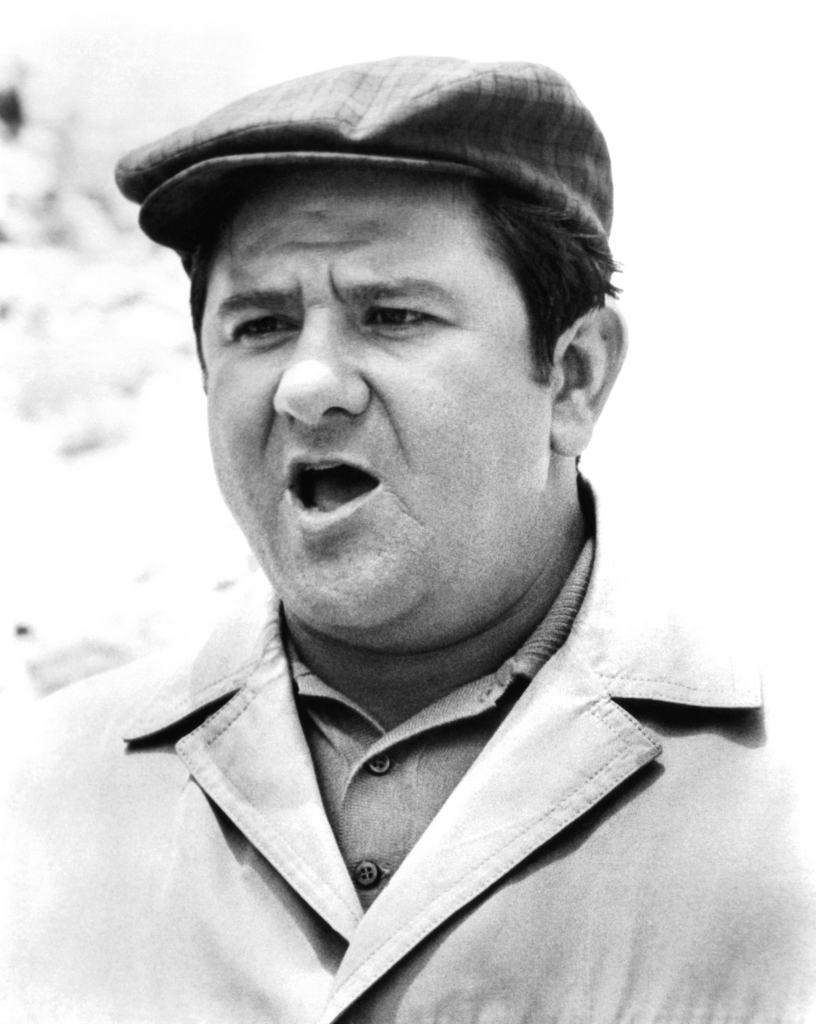
Buddy Hackett starred as Stanley Peck, a warmhearted New York hotel newsstand operator whose curiosity and kindness frequently drew him into the lives of both guests and residents. The show leaned on character comedy and Hackett’s distinctive delivery.
42. ‘The Many Loves of Dobie Gillis’ (1959–1963)

The series followed teenager Dobie Gillis, played by Dwayne Hickman, whose ambitions—popularity, money, and romantic success—rarely worked out the way he planned. Much of the show’s identity came from Dobie’s best friend, Maynard G. Krebs, played by Bob Denver, a bongo-playing jazz fan often cited as television’s first beatnik character. The series ran 144 episodes, then later tried to revisit the concept with the 1977 pilot, Whatever Happened to Dobie Gillis? and the 1988 TV movie Bring Me the Head of Dobie Gillis. The series is streaming on Tubi and Pluto TV.
About the Author: Ed Gross is an entertainment journalist with over 45 years of experience chronicling the history of film and television. He is the author of more than two dozen non-fiction books, including acclaimed oral histories on Star Trek (the two-volume The Fifty-Year Mission), Superman (Voices from Krypton) and Battlestar Galactica (So Say We All). As Senior Entertainment Editor at womansworld.com, Ed specializes in the Golden Age of Hollywood and the classic sitcoms that shaped modern media.
Conversation
All comments are subject to our Community Guidelines. Woman's World does not endorse the opinions and views shared by our readers in our comment sections. Our comments section is a place where readers can engage in healthy, productive, lively, and respectful discussions. Offensive language, hate speech, personal attacks, and/or defamatory statements are not permitted. Advertising or spam is also prohibited.