Inside the Popular TV Shows From 1966 Celebrating 60 Years in 2026: ‘Star Trek,’ Batman,’ ‘The Monkees,’ Dark Shadows,’ More
A look at the unforgettable TV series that made their debut in 1966 and reshaped television history

Television in 1966 virtually exploded. Color TV sets were finally becoming common in living rooms across America, networks were taking bigger swings than ever and a new generation of shows—the best of 1966 TV—arrived that felt brighter, bolder and a little more daring than what had come before. If you were a kid sprawled out on the carpet in front of the TV or a parent adjusting the rabbit ears just right, 1966 was the kind of year that stuck with you. And the deeper you look, the more you realize how many defining series all arrived at once.
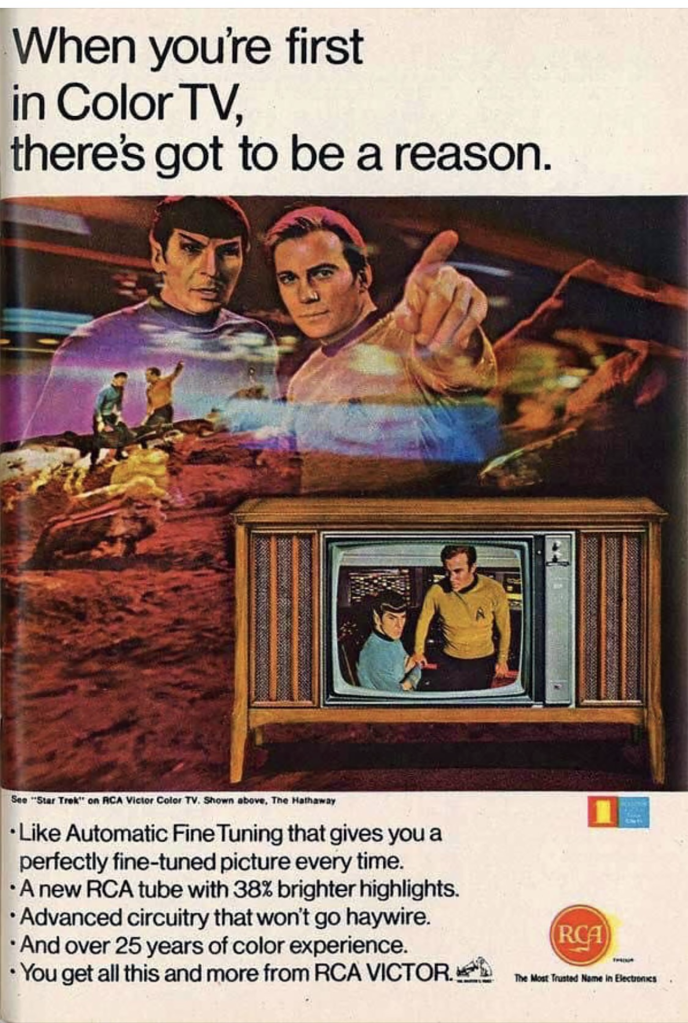
This was the year Star Trek made its quiet debut, not yet the cultural juggernaut it would become—but even then, something about the Enterprise felt different (not to mention the arrival of Leonard Nimoy‘s Mr. Spock). Adam West’s Batman premiered just months earlier, turning weeknights into a comic-book carnival of cliffhangers, camp and supervillains who practically leapt off the screen. And then there were The Monkees, four young guys goofing around between catchy songs and surreal jokes, bringing a little Beatlemania-style energy into America’s Monday nights.
But 1966 wasn’t just about sci-fi, superheroes and pop music. Families tuned in for the warmth of Family Affair, kids woke up early for The New Adventures of Superman, and anyone with a taste for adventure could jump into the desert skirmishes of The Rat Patrol or the jungle heroics of Tarzan. For daytime viewers, Dark Shadows transformed the soap-opera world with a brooding atmosphere—and eventually, a vampire who took over the cultural conversation.
Together, these shows helped define a moment in pop culture history. They reflected the optimism, anxieties, creativity and sheer experimentation that were swirling through the 1960s. Looking back at the television class of 1966 feels less like a history lesson and more like opening a time capsule; one packed with the characters, theme songs and cliffhangers that are still impacting viewers all these decades later.
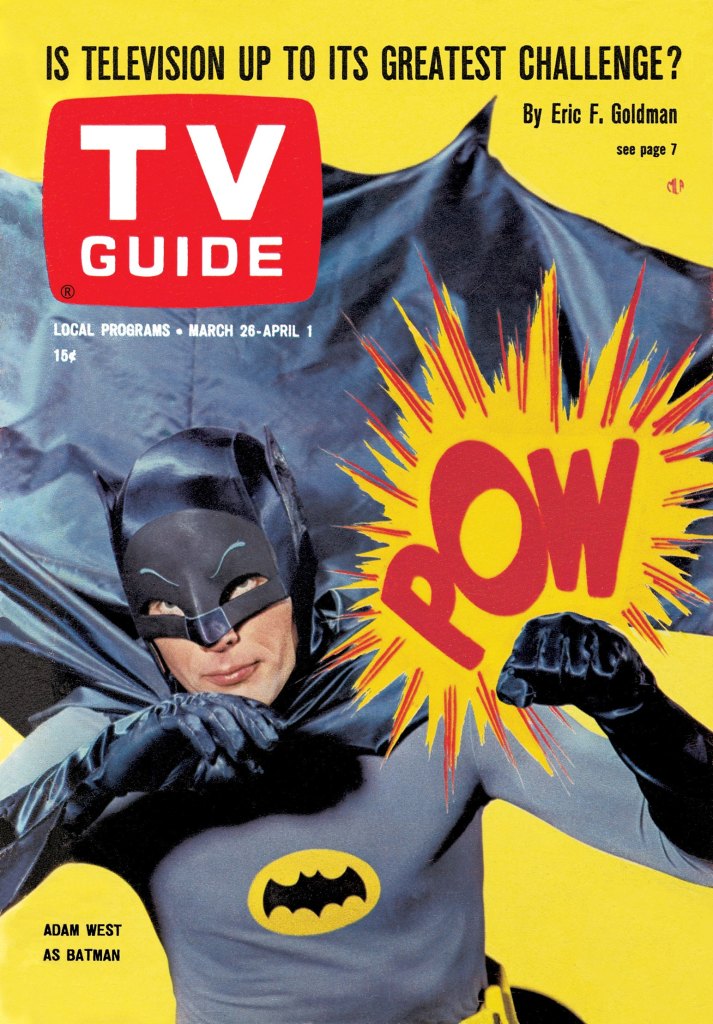
‘Batman’ (1966–1968)
Created by: Developed for television by Lorenzo Semple Jr., based on characters by Bob Kane and Bill Finger
Cast: Adam West (Bruce Wayne/Batman), Burt Ward (Dick Grayson/Robin), Alan Napier (Alfred), Neil Hamilton (Commissioner Gordon), Stafford Repp (Chief O’Hara), Cesar Romero (The Joker), Burgess Meredith (The Penguin), Frank Gorshin/John Astin (The Riddler), Julie Newmar/Eartha Kitt/Lee Meriwether (Catwoman)
Premise: The series presents a colorful, tongue-in-cheek take on Gotham City as millionaire Bruce Wayne and his ward Dick Grayson don their crime-fighting identities to battle an eccentric roster of villains. Embracing comic-book sound effects, dynamic visuals and fast-paced cliffhangers, the show offered a pop-art explosion of superhero adventure aimed at both kids and adults.
Behind-the-scenes: Fueled by the mid-1960s surge in camp culture, Batman was developed quickly to capitalize on comic-book nostalgia. Lorenzo Semple Jr. established its playful tone, treating the material with an earnest absurdity that became its trademark. Production schedules were demanding, often requiring Adam West and Burt Ward to perform many stunts themselves. A rotating cast of guest villains became a key selling point, while Catwoman’s three actresses reflected a mix of scheduling conflicts and marketing needs. The show’s high costs and declining ratings ultimately led to cancellation after three seasons, and a proposed NBC revival fell apart because the Batcave set had already been torn down. Not only did it spawn a brief phenomenon, but a 1966 feature film as well.
‘Dark Shadows’ (1966–1971)
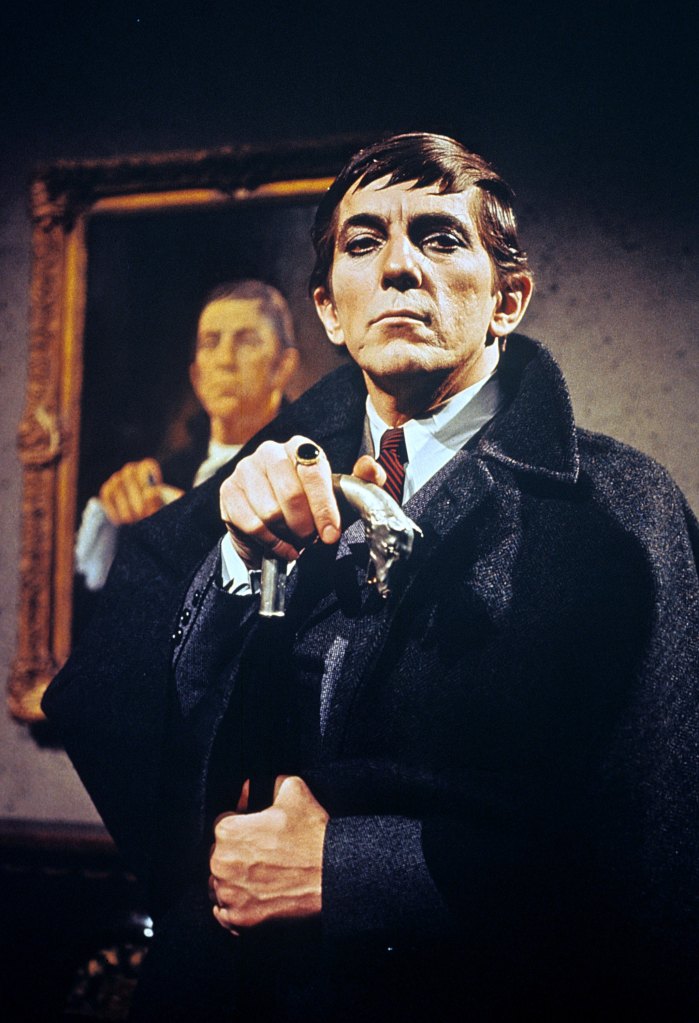
Created by: Dan Curtis
Cast: Joan Bennett (Elizabeth Collins Stoddard), Alexandra Moltke (Victoria Winters), Louis Edmonds (Roger Collins), Jonathan Frid (Barnabas Collins), Grayson Hall (Dr. Julia Hoffman), David Henesy (David Collins), Kathryn Leigh Scott (Maggie Evans)
Premise: Originally a gothic mystery series about governess Victoria Winters uncovering the secrets of the Collins family, Dark Shadows evolved into a supernatural epic featuring vampires, ghosts, witches, werewolves, time travel and parallel worlds. The shift in tone revitalized the show, turning it into a unique blend of daytime drama and horror fantasy.
Behind-the-scenes: Dan Curtis developed the series from a dream-like concept and initially struggled to capture an audience. The turning point arrived with the introduction of vampire Barnabas Collins, played by Jonathan Frid, whose unexpected popularity transformed the show into a cultural sensation. Because the production filmed an episode every weekday, technical mistakes frequently slipped into broadcasts, later becoming part of its cult charm. The show’s success inspired feature films, though ratings declined by the early 1970s, leading to cancellation despite a devoted fanbase.
‘Family Affair’ (1966–1971)

Created by: Edmund L. Hartmann
Cast: Brian Keith (Bill Davis), Sebastian Cabot (Mr. Giles French), Kathy Garver (Cissy), Johnny Whitaker (Jody), Anissa Jones (Buffy)
Premise: The series centers on Bill Davis, a suddenly appointed bachelor guardian to his late brother’s children—teenager Cissy and twins Buffy and Jody. With the help of his distinguished English butler, Mr. French, Bill adjusts to unexpected parenthood as the family navigates emotional challenges with warmth and gentle humor.
Behind-the-scenes: Brian Keith’s initial reluctance gave way to one of his signature roles, while Anissa Jones’ (who would suffer a tragic death as a teenager) Buffy became a merchandising phenomenon thanks to the popularity of the Mrs. Beasley doll. When Sebastian Cabot temporarily left due to illness, John Williams filled in, leading some viewers to think the character had been replaced permanently. Produced in full color during a transitional moment for CBS, the series became a solid ratings performer and a staple of late-’60s family programming.
‘The Girl from U.N.C.L.E.’ (1966–1967)
Created by: Based on characters created by Sam Rolfe
Cast: Stefanie Powers (April Dancer), Noel Harrison (Mark Slate), Leo G. Carroll (Alexander Waverly)
Premise: A spin-off of The Man from U.N.C.L.E., the series follows April Dancer and Mark Slate as they confront the global criminal organization THRUSH. Their assignments combine spy action, high-tech gadgets and occasional comedic touches as part of the larger U.N.C.L.E. universe.
Behind-the-scenes: Created during the height of the 1960s spy craze, the series struggled to balance the more lighthearted tone network executives wanted with the intrigue typical of its parent show. Stefanie Powers’ energetic performance gave the series identity, but inconsistent scripts and a drift toward camp—especially after the success of Batman—hurt its longevity. Despite substantial promotion and strong brand recognition, it was canceled after one season.
‘The Green Hornet’ (1966–1967)
Created by: George W. Trendle and Fran Striker; developed for television by William Dozier
Cast: Van Williams (Britt Reid/The Green Hornet), Bruce Lee (Kato), Wende Wagner (Lenore Case), Lloyd Gough (Mike Axford)
Premise: The series follows publisher Britt Reid, who fights crime undercover as the masked vigilante known as the Green Hornet, aided by his martial-artist chauffeur Kato. Together, they battle mobsters and corruption using sleek technology and their famous car, the Black Beauty.
Behind-the-scenes: Though produced by Batman’s William Dozier, The Green Hornet intentionally avoided camp, opting for a cooler, more serious tone. Bruce Lee’s electrifying screen presence and innovative martial-arts choreography became the show’s defining legacy, with Lee insisting on authenticity rather than stunt fighting. Despite strong performances, the show lasted only one season due to modest ratings. It later gained cult status, especially after Lee became an international star.
‘The King Kong Show’ (1966–1969)
Created by: Produced by Rankin/Bass Productions and Toei Animation
Cast: Billie Lou Watt (Bobby Bond), Corrine Orr (Susan Bond), Carl Banas (Commander Mike), Duke Wright (King Kong – vocal effects)
Premise: An animated adventure series featuring a heroic version of King Kong who befriends the Bond family and battles monsters, robots, mad scientists, and assorted kaiju threats. Combining action and light comedy, the series reimagines Kong not as a menace but as the family’s protector across exotic global locales.
Behind-the-scenes: This series marked the first animated portrayal of King Kong and one of the earliest collaborations between an American studio and Japan’s Toei Animation. Rankin/Bass built the show to capitalize on the creature’s enduring popularity while shifting him into a more child-friendly framework. The animation style bore the hallmarks of Toei’s early work, and several staffers—including future anime legends—cut their teeth on the production. The series premiered just months before Toho launched King Kong Escapes (1967), which was directly inspired by elements from the show.
‘Mission: Impossible’ (1966–1973)
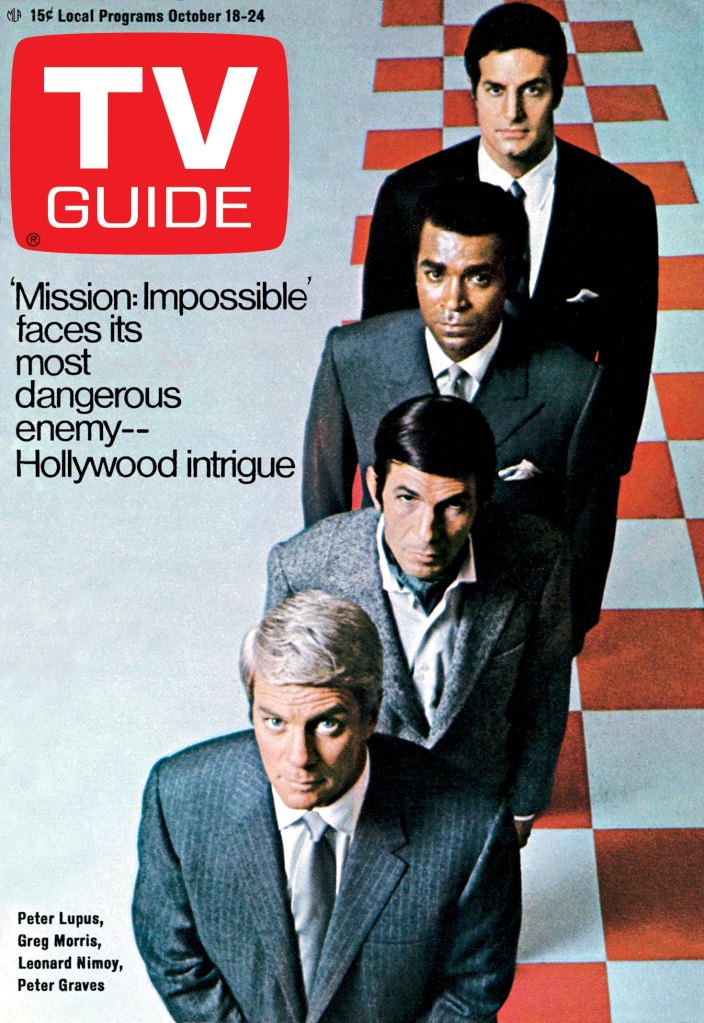
Created by: Bruce Geller
Cast: Steven Hill (Dan Briggs, Season 1), Martin Landau (Rollin Hand), Barbara Bain (Cinnamon Carter), Greg Morris (Barney Collier), Peter Lupus (Willy Armitage), Peter Graves (Jim Phelps – from Season 2 onward)
Premise: Each episode follows the Impossible Missions Force (IMF), an elite covert-operations team performing elaborate, high-risk assignments involving espionage, infiltration, deception and technological trickery. Missions typically begin with the iconic self-destructing tape message, followed by the team’s intricate, precision-executed plan to topple dictators, criminal empires or rogue agents.
Behind-the-Scenes: Bruce Geller envisioned the show as a puzzle-box thriller, focusing on the mechanics of the mission rather than character melodrama. This structure became a trademark: minimal personal backstory and maximum procedural detail. Steven Hill—Orthodox Jewish and unable to work evenings or Saturdays—was written out after one season and replaced by Peter Graves, whose presence helped cement the show’s identity. Martin Landau and Barbara Bain’s real-life marriage added onscreen chemistry but also contract disputes, leading to their eventual departure. The series was expensive for CBS but became a global hit, later inspiring feature films beginning in 1996.
‘The Monkees’ (1966–1968)

Created by: Bob Rafelson and Bert Schneider
Cast: Davy Jones (Davy), Micky Dolenz (Micky), Michael Nesmith (Mike), Peter Tork (Peter)
Premise: A fast-paced, comedic, and frequently surreal look at an aspiring rock band trying to make it big, The Monkees follows the fictionalized misadventures of four musicians as they stumble through gigs, odd jobs, slapstick antics and fourth-wall-breaking hijinks. The show blends music videos, improvisation, and Beatles-inspired comedic rhythm.
Behind-the-Scenes: Inspired by A Hard Day’s Night, the producers cast four young performers and gradually transformed the fictional band into a real-life musical act. The show’s innovative “romp” sequences prefigured modern music videos, and its editing style was revolutionary for TV. Although studio musicians initially performed much of the band’s music, the cast pushed for—and eventually won—creative control, leading to significant tensions with producers. The series won the 1967 Emmy for Outstanding Comedy Series but ended after two seasons when ratings dipped and the cast’s interest shifted toward more serious musical ambitions.
‘The New Adventures of Superman’ (1966–1970)
Created by: Produced by Filmation Associates; based on characters created by Jerry Siegel & Joe Shuster
Cast: Bud Collyer (Superman/Clark Kent), Joan Alexander (Lois Lane), Jackson Beck (Perry White), Jack Grimes (Jimmy Olsen)
Premise: The series presents short animated adventures featuring Superman as he battles classic foes, natural disasters, alien threats and mad scientists while working undercover as reporter Clark Kent. Each episode delivers straightforward superhero action aimed primarily at Saturday morning audiences.
Behind-the-Scenes: Marking Superman’s animated return after the 1940s Fleischer films, this was Filmation’s breakthrough project, created under tight schedules and minimal budgets. Bud Collyer and Joan Alexander reprised their roles from the classic radio series, lending the show historic continuity. Filmation used limited animation techniques typical of the era, but strong voice work and faithful character portrayals helped the series achieve popularity. Broadcast Standards heavily monitored violence due to concerns about children’s programming, resulting in mild, action-lite plots. Nevertheless, the show set the stage for future DC animated adaptations.
‘The Rat Patrol’ (1966–1968)
Created by: Tom Gries
Cast: Christopher George (Sgt. Sam Troy), Gary Raymond (Sgt. Jack Moffitt), Lawrence P. Casey (Pvt. Mark Hitchcock), Justin Tarr (Pvt. Tully Pettigrew), Eric Braeden credited as Hans Gudegast (Captain Dietrich)
Premise: Set during World War II, the series follows a four-man Allied commando squad whose fast, machine-gun–mounted jeeps launch hit-and-run missions against German forces in the North African desert. Action-heavy and serialized in tone, the series emphasizes mobility, sabotage and tactical warfare.
Behind-the-Scenes: Filmed largely in Spain, the production used real military vehicles and pyrotechnics, giving the show an unusually visceral look for 1960s television. The portrayal of German forces and historical liberties drew criticism, particularly from British veterans who objected to the Americanization of the North African campaign. Eric Braeden—then billed under his birth name, Hans Gudegast—became one of the breakout performers. The show’s reliance on rugged stunt work led to frequent on-set injuries, and Christopher George later sued the producers after being hurt during filming. Despite mixed critical reception, the series developed a lasting cult following due to its distinctive desert-war aesthetic.
‘Star Trek’ (1966–1969)

Created by: Gene Roddenberry
Cast: William Shatner (Captain James T. Kirk), Leonard Nimoy (Mr. Spock), DeForest Kelley (Dr. Leonard “Bones” McCoy), James Doohan (Montgomery “Scotty” Scott), Nichelle Nichols (Lt. Uhura), George Takei (Lt. Sulu), Walter Koenig (Ensign Chekov), Majel Barrett (Nurse Chapel)
Premise: Set in the 23rd century, the series follows the starship USS Enterprise on its five-year mission to explore strange new worlds, seek out new life and new civilizations and boldly go where no one has gone before. Blending adventure, allegory and character drama, the show uses futuristic storytelling to explore contemporary social and ethical issues.
Behind-the-Scenes: Gene Roddenberry pitched Star Trek as “Wagon Train to the stars,” a Western-inspired adventure format that would allow for moral parables. Production faced constant budget battles, with NBC repeatedly pushing back on costs, scripts and casting—particularly on Leonard Nimoy, whose Spock makeup and “devil-like” appearance initially worried executives. Desilu Productions, led by Lucille Ball, championed the series and kept it alive during its early struggles. Ratings were modest during the initial run, and declining numbers in Season 3 led to cancellation. However, syndicated reruns in the 1970s ignited a massive fandom, laying the foundation for multiple spinoffs, films and one of the most enduring franchises in television history.
‘Tarzan’ (1966–1968)

Created by: Based on characters created by Edgar Rice Burroughs
Cast: Ron Ely (Tarzan), Manuel Padilla Jr. (Jai), Virgil Richardson (Captain Sampson), Rockne Tarkington (Bwanna Bob, Season 1), Julie Harris (Charity Jones, recurring)
Premise: This modernized take on Edgar Rice Burroughs’ jungle hero presents Tarzan as an educated, articulate man who has left civilization behind to live in Africa, where he protects local tribes, combats poachers and faces various criminal threats. His young companion Jai frequently joins him on his adventures.
Behind-the-Scenes: Ron Ely performed nearly all his own stunts, which led to frequent injuries—including multiple broken bones and animal-related incidents. The production shot in Mexico and Brazil rather than Africa, but location work gave the series a distinctive cinematic feel. Producers intentionally abandoned the traditional “Me Tarzan, you Jane” approach, opting instead for a more sophisticated protagonist. Ely’s commitment to doing his stunts contributed to behind-the-scenes tension with safety personnel, but it also became part of the show’s gritty appeal. Though short-lived, the series’ realistic aesthetic distinguished it from past Tarzan adaptations.
‘That Girl’ (1966–1971)

Created by: Bill Persky and Sam Denoff
Cast: Marlo Thomas (Ann Marie), Ted Bessell (Donald Hollinger), Lew Parker (Lou Marie), Rosemary DeCamp (Helen Marie)
Premise: The series follows Ann Marie, an aspiring actress who moves to New York City to pursue her dreams while juggling part-time jobs, auditions, and a steady relationship with magazine writer Donald Hollinger. The show blends comedy and gentle realism to portray an independent young woman forging her own path.
Behind-the-Scenes: Marlo Thomas played a major creative role in shaping Ann Marie, pushing the show toward a progressive portrayal of single women at a time when few sitcom heroines lived on their own. She insisted that Ann not marry Donald during the series, believing the character should remain career-focused—an idea network executives initially resisted. Thomas’ wardrobe and distinctive fashion sense became a cultural hallmark, influencing late-’60s style. The series broke ground in its depiction of women’s independence and continues to be cited as an early feminist milestone in TV history.
‘The Time Tunnel’ (1966–1967)
Created by: Irwin Allen
Cast: James Darren (Dr. Tony Newman), Robert Colbert (Dr. Doug Phillips), Whit Bissell (Lt. Gen. Heywood Kirk), John Zaremba (Dr. Raymond Swain), Lee Meriwether (Dr. Ann MacGregor)
Premise: The series centers on Project Tic-Toc, a secret government experiment in time travel. After young scientist Tony Newman becomes trapped in the time vortex, fellow researcher Doug Phillips jumps in after him. The two become lost in time, landing in different historical eras—ancient civilizations, famous battles, and catastrophic events—while their colleagues back at the lab attempt to bring them home.
Behind-the-Scenes: Irwin Allen envisioned the show as a blend of science fiction and large-scale historical spectacle, recycling costumes, props and sets from various 20th Century Fox films to keep budgets manageable. Production relied heavily on stock footage, but the series’ imaginative premise and fast pacing gave it a distinctive charm. James Darren and Robert Colbert performed many of their action scenes themselves, and the demanding weekly schedule created technical challenges. Despite solid ratings, ABC found the show too expensive to justify renewal.
Conversation
All comments are subject to our Community Guidelines. Woman's World does not endorse the opinions and views shared by our readers in our comment sections. Our comments section is a place where readers can engage in healthy, productive, lively, and respectful discussions. Offensive language, hate speech, personal attacks, and/or defamatory statements are not permitted. Advertising or spam is also prohibited.