Original ‘Charlie’s Angels’ Stars Reunited At Show’s 50th Anniversary Event—Plus Why Farrah Fawcett Left The Hit Series
Three angels reunited at a 50th year reunion but this one original star will forever be missed

Key Takeaways
AI-generated summary reviewed by our editorial team.- Kate Jackson, Jaclyn Smith and Cheryl Ladd reunited for 'Charlie's Angels' 50th anniversary
- Farrah Fawcett left 'Charlie's Angels' after one extremely successful season
- 'Charlie's Angels' was an undeniable success and is still a legendary series
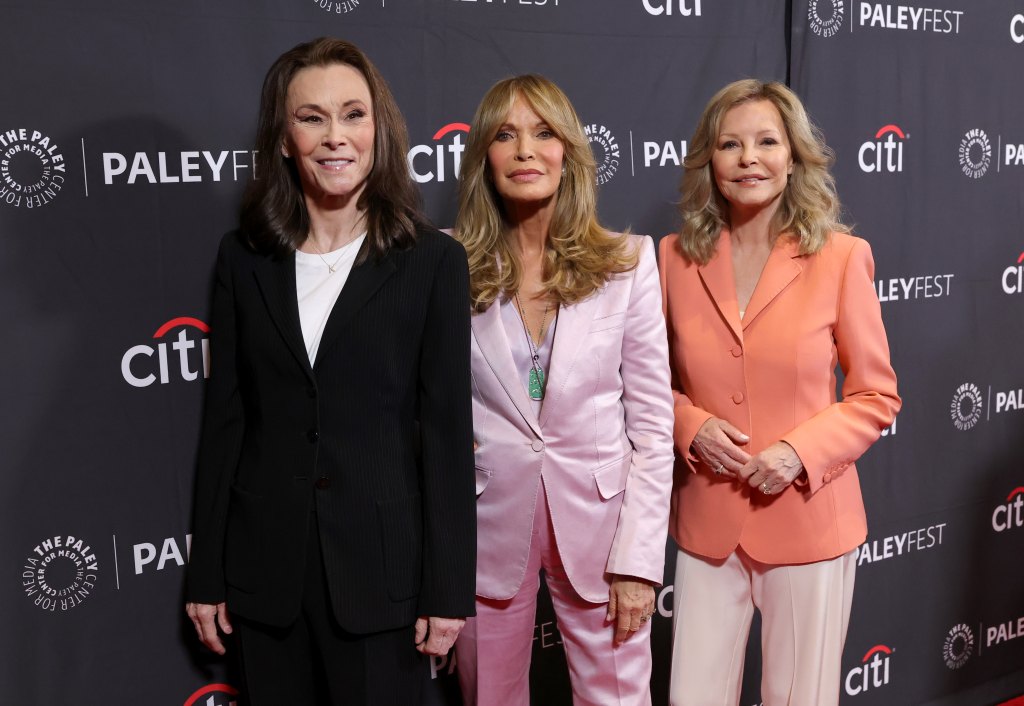
50 years of Charlie’s Angels is nothing to scoff at and the original Angels know that. The original series stars—Kate Jackson, Cheryl Ladd and Jaclyn Smith—recently reunited at a reunion event and had fans in the palm of their hands.
Following the 1976 premiere, Charlie’s Angels became an instant, smashing success, thanks to the blend of female empowerment glamour. Now, five decades later, three of the original stars have come together to celebrate the show and the impact it had.
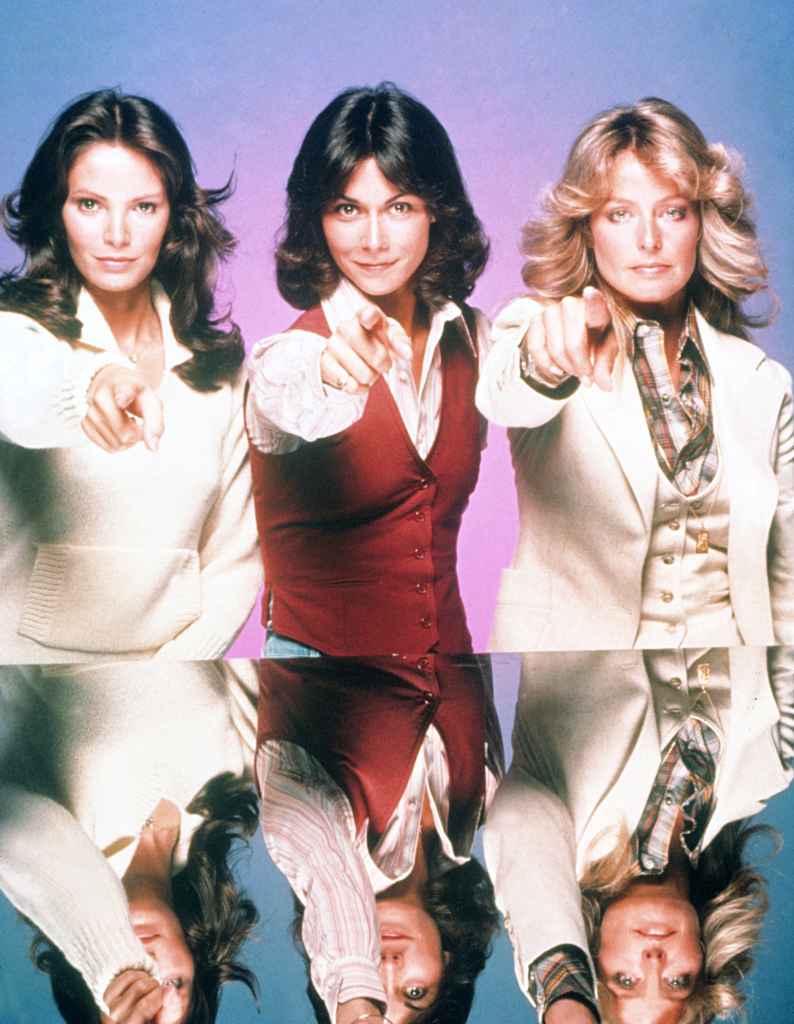
“Charlie’s Angels surprised everyone when Farrah [Fawcett], Jackie and I hit the ground running (thanks, in part, to Farrah’s iconic poster) and the pilot went through the glass ceiling,” Jackson, Smith and Ladd shared with People. “Overnight, we were hailed with something akin to ‘rock star fame.’ When Cheryl joined us in the second season, she added a special element uniquely hers and the crazy went on.”
From the first episode, ratings were strong, with Charlie’s Angels quickly climbing the Nielsen charts and eventually becoming the top-rated show in its second season. The show, which became a pop culture phenomenon, ran for a total of five years until 1981, spawning three feature films, a reboot series and inspired spin-offs in video games, comic books, soundtracks, web series and a mind-blowing amount of memorabilia. It is justifiably credited with redefining the role of women in action television. And it instantly changed the lives of its leading ladies.

“We are proud that we were able to entertain the television viewing audience for an hour each week, let them put their feet up, forget their troubles and, at the same time, inspire and empower young women all over the world,” they said. “We look forward to reuniting on the PaleyFest stage to celebrate Charlie’s Angels milestone anniversary and to reflect on our work in television across the decades.”
The stars will look back at the iconic series during the 50th anniversary celebration and reflect on the impact it’s had on television.
How Farrah Fawcett landed the role of Jill Monroe
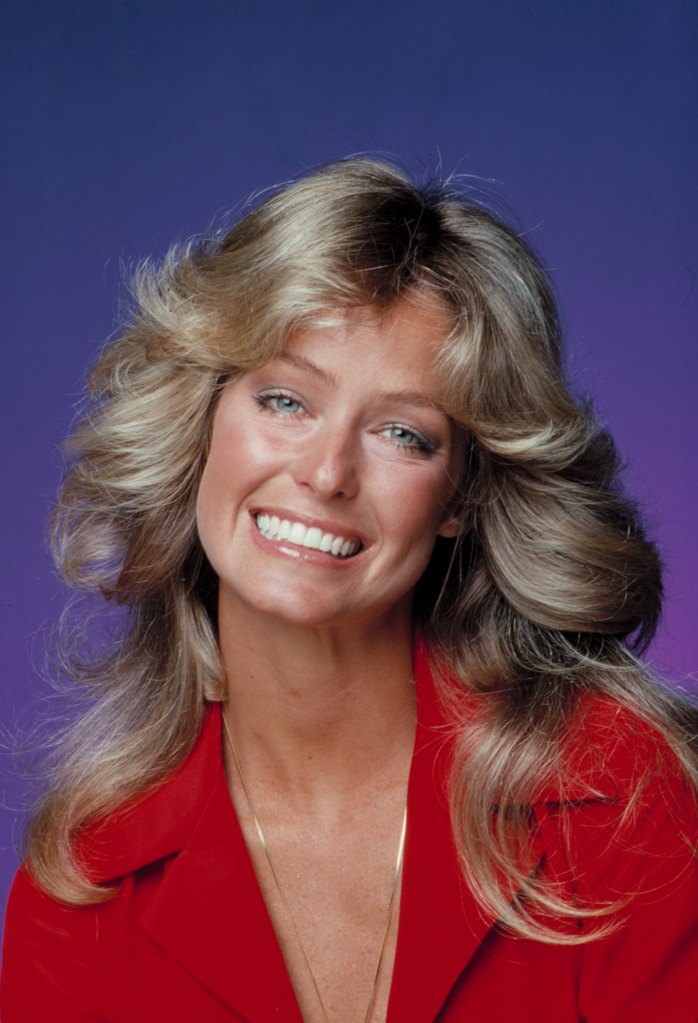
Farrah Fawcett’s path to stardom was unconventional. Producer Aaron Spelling spotted her in the 1976 sci-fi film Logan’s Run, in which she played a supporting role as Holly 13. Impressed with her presence on-screen, Spelling offered her the role of Jill Munroe without a traditional audition, a rare privilege in Hollywood.
But Fawcett wasn’t as quick on the draw when it came to accepting the part. The initial deal gave her only 2% of merchandise profits—an amount she found unacceptable. Because of this, Fawcett never formally signed a long-term contract, which later complicated her legal standing when she decided to leave the series.
Why did Farrah Fawcett leave ‘Charlie’s Angels’?
After completing one highly successful season that helped to launch Fawcett’s career, she decided to pursue other opportunities in film and diverse television roles, citing creative freedom as a key motivator. But multiple factors influenced her departure:
Contract disputes
Beyond merchandise royalties, Fawcett was frustrated by her lower salary compared to co-star Kate Jackson, who was already established in Hollywood. Fawcett earned approximately $5,000 per episode, while Jackson reportedly earned more.
Her personal life
Fawcett married actor Lee Majors in 1973. Both were working long hours on separate sets—Majors on The Six Million Dollar Man and Fawcett on Charlie’s Angels—creating strain on their relationship. “I was under contract at Universal when I was making Six Mill,” Majors told Woman’s World. “Back then they had apartments and I stayed on the lot almost the entire week. I’d go home on weekends, because it was just too far to go—I lived in Malibu—and otherwise I’d be driving back at five or six in the morning after shooting until seven or eight at night. I just didn’t have a life for five years, and I was trying to maintain a marriage there with another popular girl.”
Needless to say, that “popular girl” was Farrah. “I ended up seeing her two weeks in one year,” he says. “She was off doing films and stuff and doing her series. That’s mainly the reason we got divorced; we never saw each other. We stayed great friends, but we just had our own careers going and didn’t have time for each other.”
Creative ambition
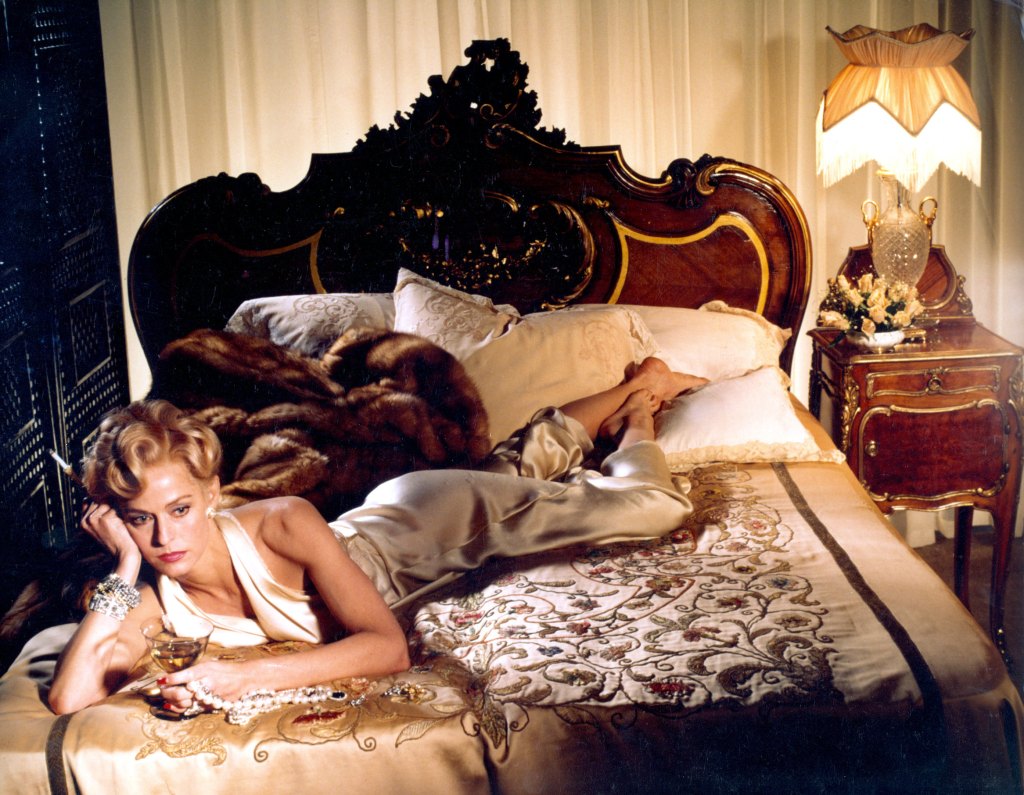
Fawcett wanted to explore film opportunities and roles beyond the action-heroine archetype, seeking greater artistic control. “By the end of the first season,” muses Mike Pingel, author, pop culture historian and ultimate Angelologist, who also spent two years working as the actress’ assistant and runs the ultimate Charlie’s Angels site. “I think she was, like, ‘I’m pretty good at doing something like this.’ Farrah was wanting to expand her acting. The progression came and at the end of the first season she wanted more as an actress. People are going to hate me for saying this, but she was done with the ‘cookie-cutter’ Jill Munroe, the beautiful girl that episode after episode did the same thing. Which was, admittedly, the charm of the episodes.”

Her decision led to a legal dispute with ABC over an alleged breach of contract. Because she had never signed a long-term contract, the case was resolved out of court, allowing her to make select guest appearances (three in Season 3 and a final three in Season 4) while pursuing other projects.
Her salary growth after leaving the show
After leaving the series, Fawcett’s guest appearances came with a significant pay increase—around $100,000 per episode, a twentyfold jump from her first-season salary. This was considerably higher than co-stars Jaclyn Smith and Kate Jackson, who also received raises but not on the same scale. Her negotiation highlighted the value of her star power and marketability beyond the series itself.
And she herself evolved as an actress, frequently surprising audiences. “Farrah went on to do three films right after Charlie’s Angels,” relates Pingel. “Somebody Killed Her Husband, Sunburn and Saturn 3. Not all were huge successes in America, though some were in Europe and Japan. A lot of people said there was a curse on Charlie’s Angels, and when people would leave, their careers would falter. But they all bounced back. Farrah really wanted to do great work. After that, she took a small role in Murder in Texas, a TV movie, and started to take on other roles where she could learn and grow as an actress, and working with writers and directors who could help her. What she started looking for was something in a role that would allow her to bring something different to the screen.”
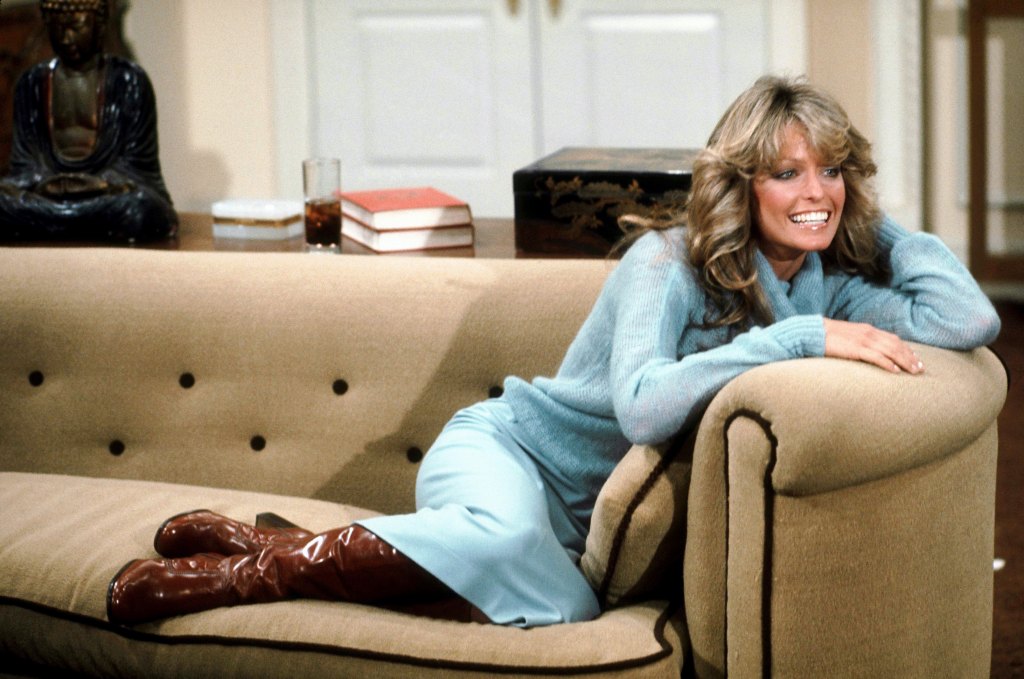

Her post-Angels career didn’t take her back to TV comfort zones — beyond the big screen, it took her straight to the stage. In 1983 she stepped in for Susan Sarandon in the Off-Broadway production of Extremities, playing a woman who turns the tables on her would-be rapist. The performance reset expectations, but as it turned out, that was only the beginning. A year later, she stunned audiences again in the TV movie The Burning Bed as battered wife Francine Hughes, and two years after that, she returned to Extremities for the film version. A steady run of serious roles followed — Nazi Hunter: The Beate Klarsfeld Story, Poor Little Rich Girl, Double Exposure: The Story of Margaret Bourke-White and the miniseries Small Sacrifices — earning the kind of critical respect few would have predicted during her Charlie’s Angels peak.
While Farrah Fawcett would lose a long-waged battle against cancer on June 25, 2009, at the age of 62, pop culture history has shown that her decision—and determination—to leave Charlie’s Angels after a single season, and at the height of her and its success, was the right move to make. Yet her legacy lives on.
“She was the Marilyn Monroe of the ‘70s,” Pingel warmly offers. “She is the ‘70s.”
Conversation
All comments are subject to our Community Guidelines. Woman's World does not endorse the opinions and views shared by our readers in our comment sections. Our comments section is a place where readers can engage in healthy, productive, lively, and respectful discussions. Offensive language, hate speech, personal attacks, and/or defamatory statements are not permitted. Advertising or spam is also prohibited.