‘I Am Spartacus!’ 19 Wild Secrets Behind Kirk Douglas’ Rebellion That Changed Hollywood
'Spartacus is 65!' How Kirk Douglas’ epic broke barriers, launched Kubrick’s legend and helped end Hollywood’s blacklist

When Spartacus hit theaters in 1960, audiences expected another grand sword-and-sandals spectacle with Roman armies, gladiator clashes and chariots thundering across the plains. What they didn’t expect was a film that would help change the course of Hollywood history. Produced by Kirk Douglas at the height of his fame and influence, 1960s Spartacus was more than just an epic of rebellion; it was a rebellion in itself.
Beyond playing a man who defied an empire, Douglas defied Hollywood. By hiring blacklisted screenwriter Dalton Trumbo and insisting his real name appear onscreen, Douglas helped bring an end to one of Hollywood’s darkest eras. “That’s the thing I’m most proud of,” he later said. “It caused me a lot of trouble, but it was worth it.” And it wasn’t just politics. With its blend of personal conviction, groundbreaking cinematography and Stanley Kubrick’s meticulous direction, Spartacus redefined what a studio epic could be.
“As the Thracian slave revolting against Rome a century before the birth of Christ,” comments Darwin Porter, author of the biography Kirk Douglas, More is Never Enough from Blood Moon Productions, “Kirk Douglas immortalized himself for his acting as well as for having boldly hired Trumbo. Kirk said, ‘Never have I worked with such formidable co-stars, the best actors in Britain: Laurence Olivier, Peter Ustinov, Charles Laughton and my character’s love interest, the beautiful, talented Jean Simmons.’

“Fans flocked to see Spartacus, expecting 0rgies and chariot races. Instead, they were treated to one of the biggest battle scenes ever to reach the screen. Its filming required 8,000 ‘soldiers,’ all of them hired in Spain. ‘We did a hell of a job,’ Kirk said, as he sat through what was to become his biggest hit.”
Sixty-five years later, the film stands as both a cinematic triumph and a moral victory. It’s a story of freedom that resonates as deeply today as it did in 1960, and in celebration of its anniversary, here are 24 fascinating behind-the-scenes facts that capture the making of Spartacus: the risks, the artistry and the unforgettable personalities that brought one man’s fight for freedom to the screen.
1. Kirk Douglas took control of his own epic
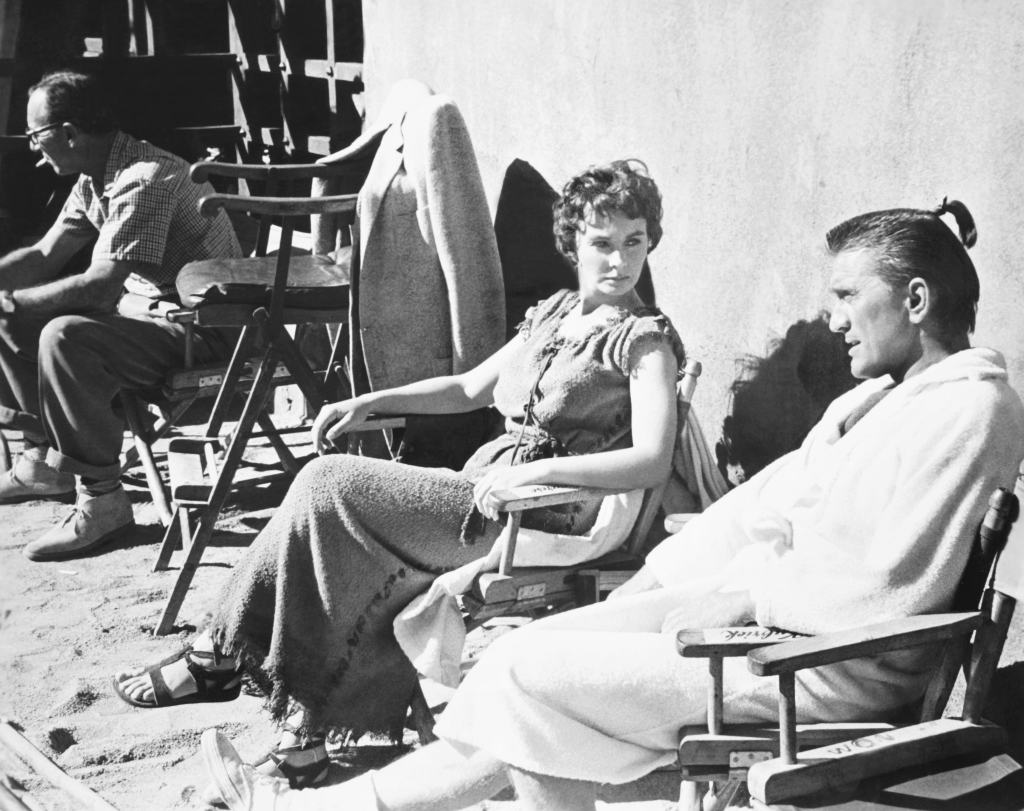
By 1958, Kirk Douglas was no longer content to just star in films—he wanted control. Through his Bryna Productions banner, he secured the rights to Howard Fast’s novel Spartacus and made the bold choice to produce the film himself. He later said, “I’d read Spartacus and I saw myself in him; a man who wanted freedom above all else.”
2. Anthony Mann was fired, but his footage remained
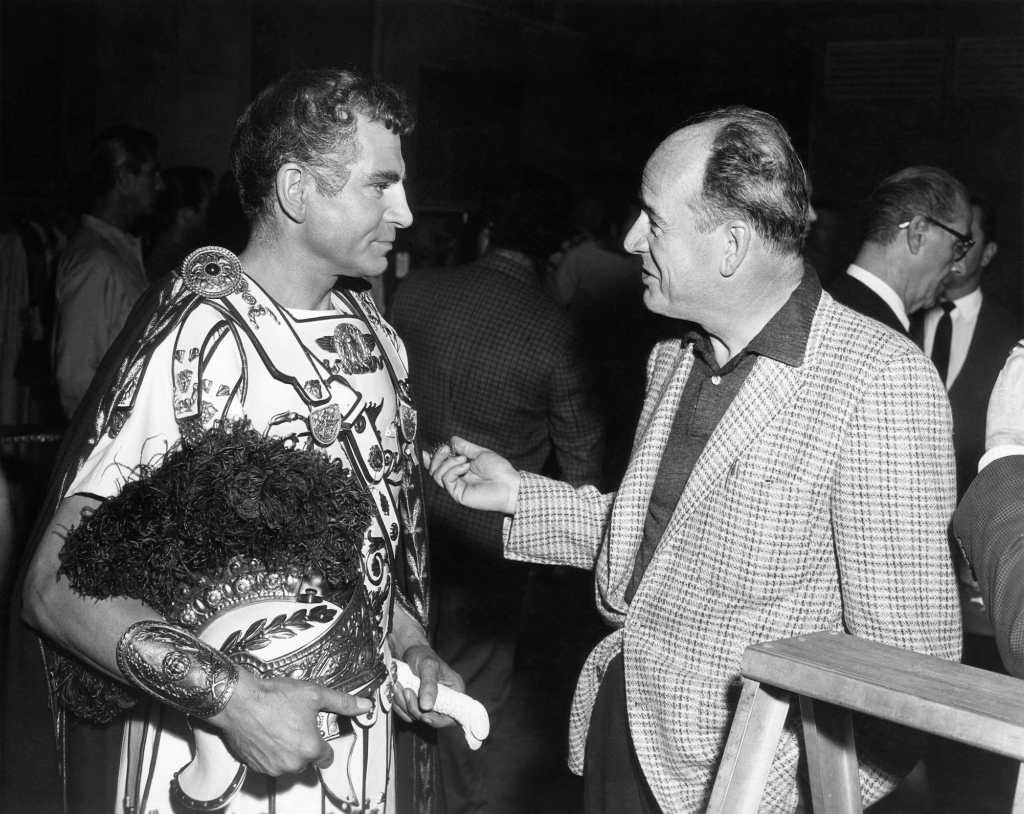
Filming began under acclaimed director Anthony Mann, known for El Cid and Winchester ’73. Yet after only a week of shooting in Death Valley, Douglas felt he was the wrong fit. “He was a wonderful director,” Douglas recalled, “but not for this picture. It needed someone with a more dynamic vision.” Mann’s early quarry and salt-mine sequences remained in the finished film.
3. Stanley Kubrick took over—and fought for every frame
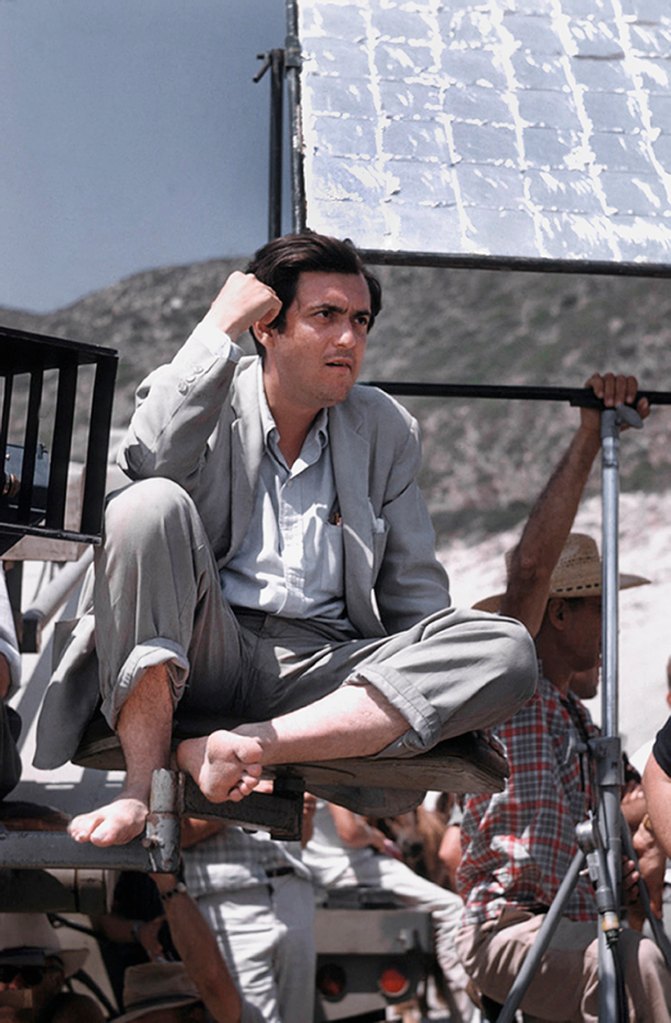
Douglas turned to 31-year-old Stanley Kubrick, who’d directed him in Paths of Glory. Though the two respected each other, they often clashed. Kubrick complained he had little say over the script or casting, telling Cahiers du Cinéma that Spartacus was “the only picture over which I had no control.” Still, his trademark precision shines through, whether it’s the fluid crane shots, geometric compositions or psychological tension that elevate Spartacus beyond the standard sword-and-sandals epic.
4. The film helped shatter Hollywood’s blacklist
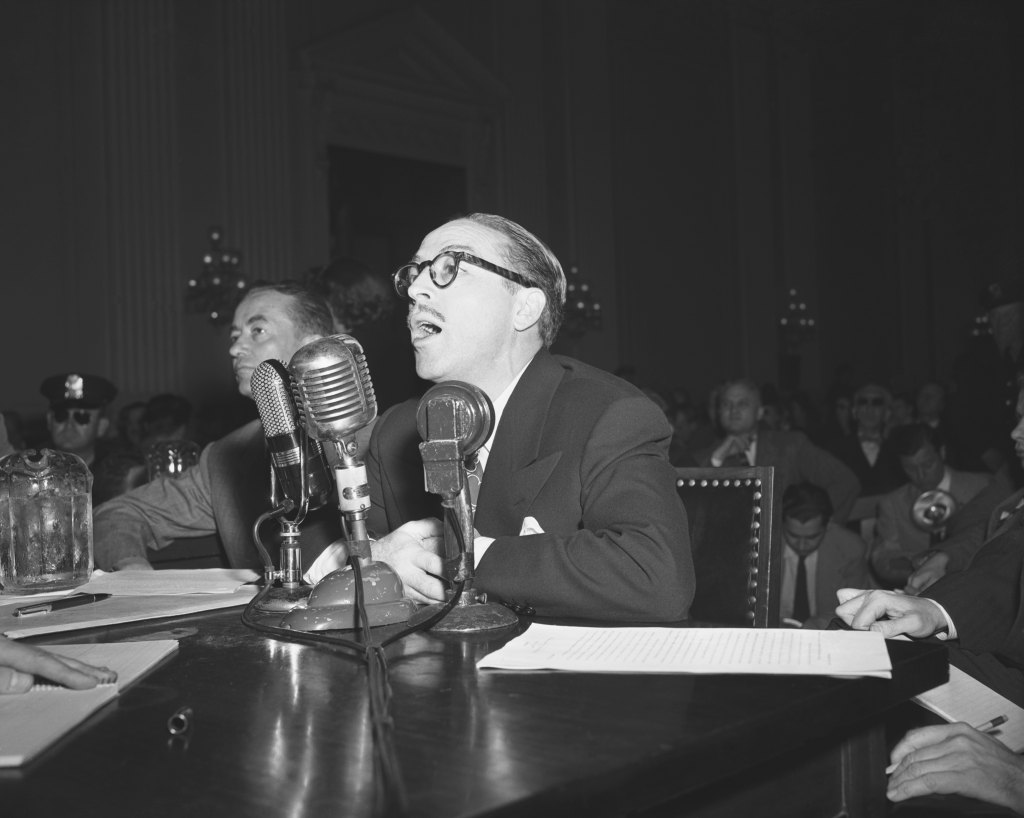
The decision to credit screenwriter Dalton Trumbo, one of the Hollywood Ten, was revolutionary. For more than a decade, Trumbo had been forced to write under pseudonyms. When Douglas insisted on publicly naming him, gossip columnist Hedda Hopper fumed that it was “a disgrace.” But Douglas held firm: “I decided the hell with it! I’m going to put his name on it. That’s the thing I’m most proud of.” The credit on Spartacus helped end the blacklist and restored Trumbo’s rightful place in Hollywood history.
5. ‘Thanks, Kirk, for giving me my name back’
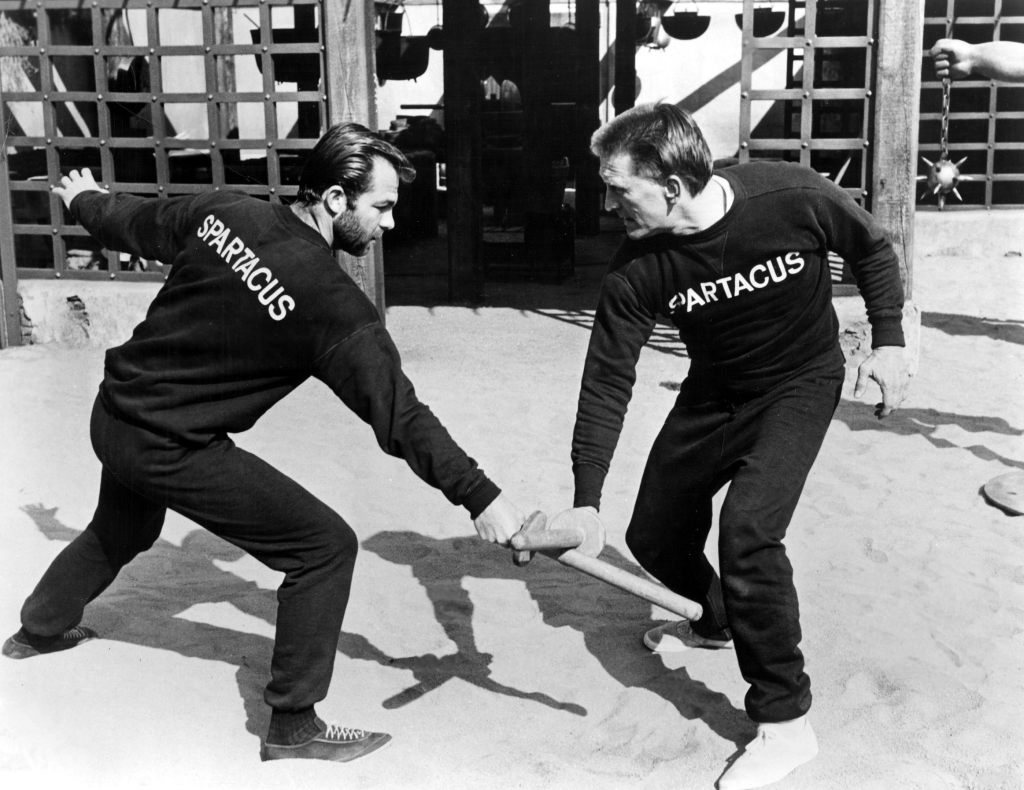
When Trumbo finally walked onto the Universal lot, few dared even speak to him. Douglas remembered the moment vividly: “He came up to me and said, ‘Thanks, Kirk, for giving me back my name.’” It was one of the defining acts of courage in Douglas’ career, and he later titled his memoir I Am Spartacus! in tribute not just to the film, but to the moral stand it represented. As he reflected years later, “You can’t call yourself a free man if you’re afraid to stand up for freedom.”
6. A massive production on the Universal lot
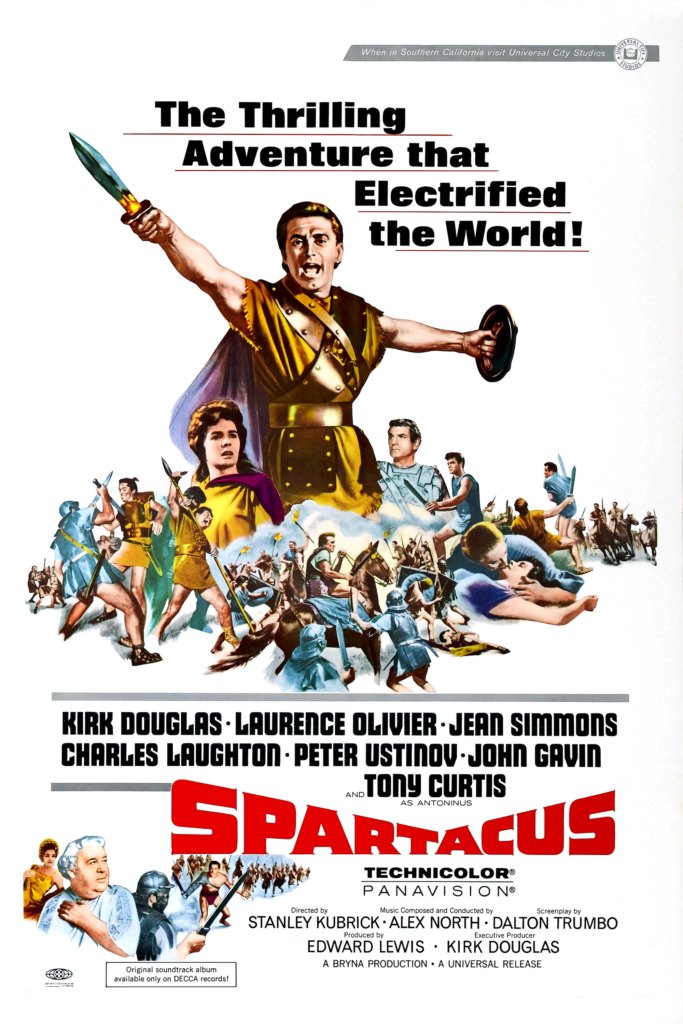
Much of Spartacus was filmed not in Italy or the Middle East but right on the Universal lot in California, where acres of space were transformed into ancient Rome. Art director Alexander Golitzen and production designer Eric Orbom constructed sprawling temples, markets and training grounds, often re-using pieces from other Universal sets. “We practically rebuilt Rome,” Douglas joked years later. The production was one of the largest in the studio’s history, serving as an American answer to Ben-Hur, executed with meticulous studio craftsmanship.
7. Shooting the battle scenes in Spain
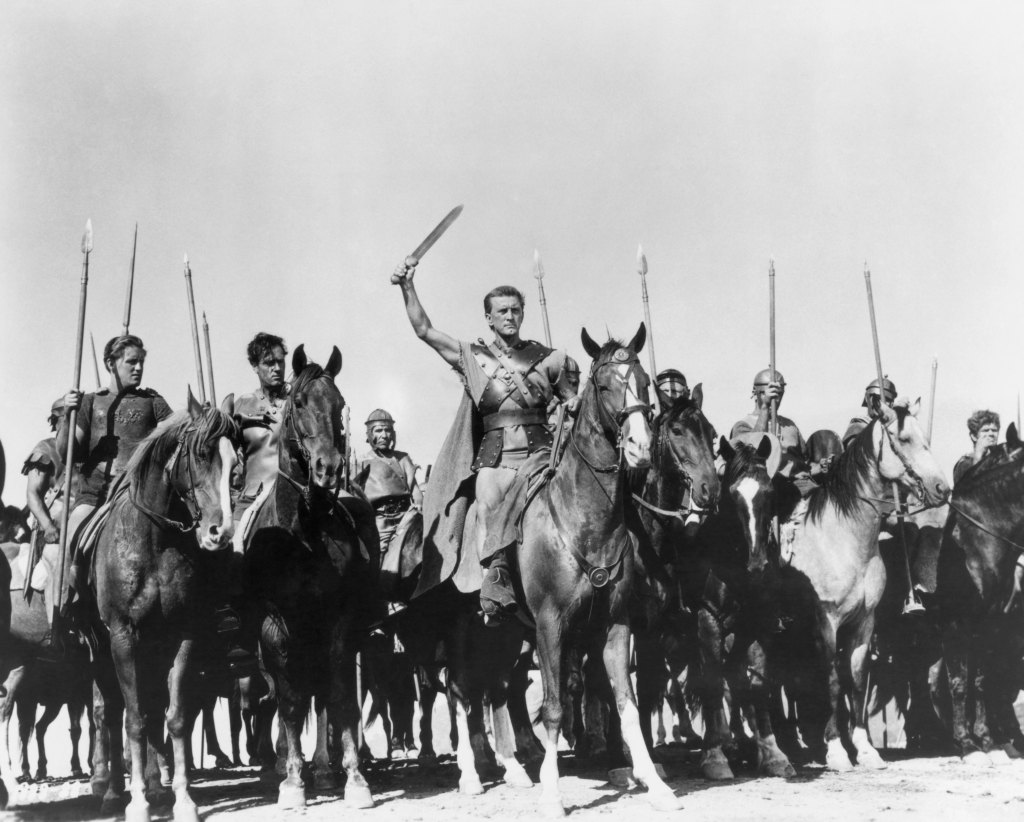
For all its studio grandeur, Spartacus still needed room to stage a full-scale rebellion. The epic battlefield sequences—where Roman legions close in on the slave army—were shot in the Spanish countryside outside Madrid. Thousands of soldiers from the Spanish army volunteered as extras, arranged in perfect geometric formations under Kubrick’s direction. Actor Peter Ustinov marveled, “It was the most disciplined chaos I’d ever seen.” The aerial shots remain among the most impressive in 1960s cinema.
8. Russell Metty’s cinematography won an Oscar
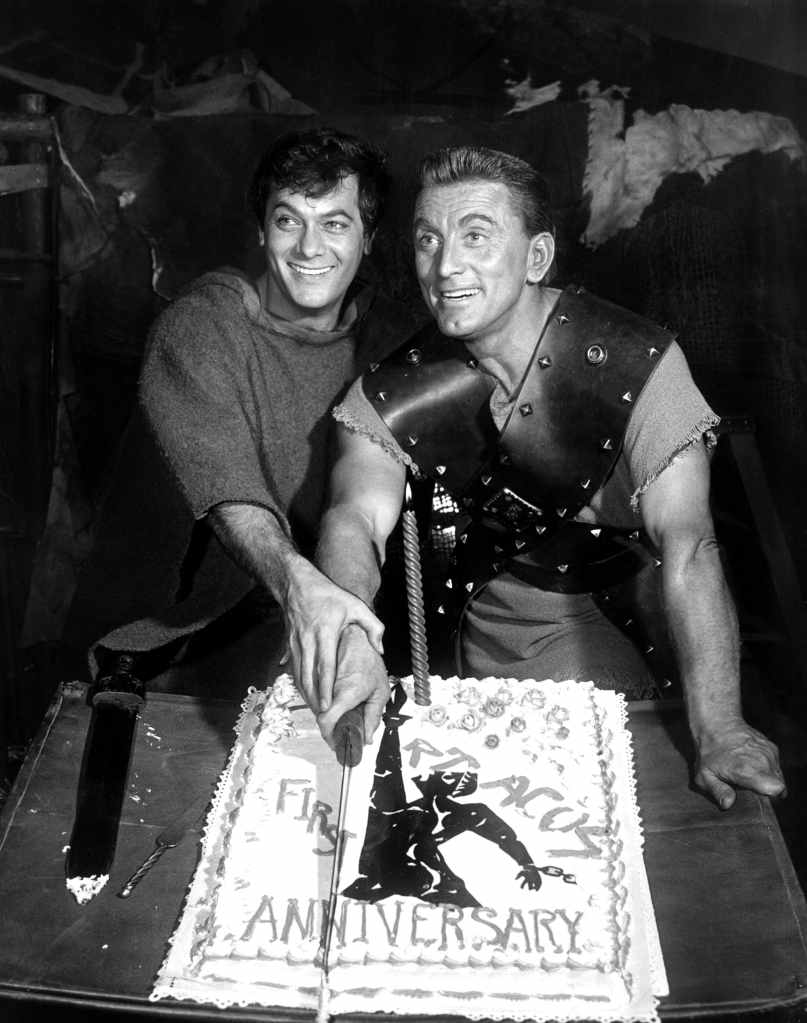
Cinematographer Russell Metty, an industry veteran who had shot All That Heaven Allows, brought painterly beauty to Kubrick’s rigorous framing. Working in the widescreen Super Technirama 70 format, Metty captured glinting blades, dusty amphitheaters and candlelit banquets with stunning clarity. His work earned the film its sole Academy Award for cinematography. Though Kubrick often claimed credit for the film’s look, the American Society of Cinematographers later hailed Metty’s images as “an enduring example of epic composition and light.”
9. Kubrick’s perfectionism stretched the schedule
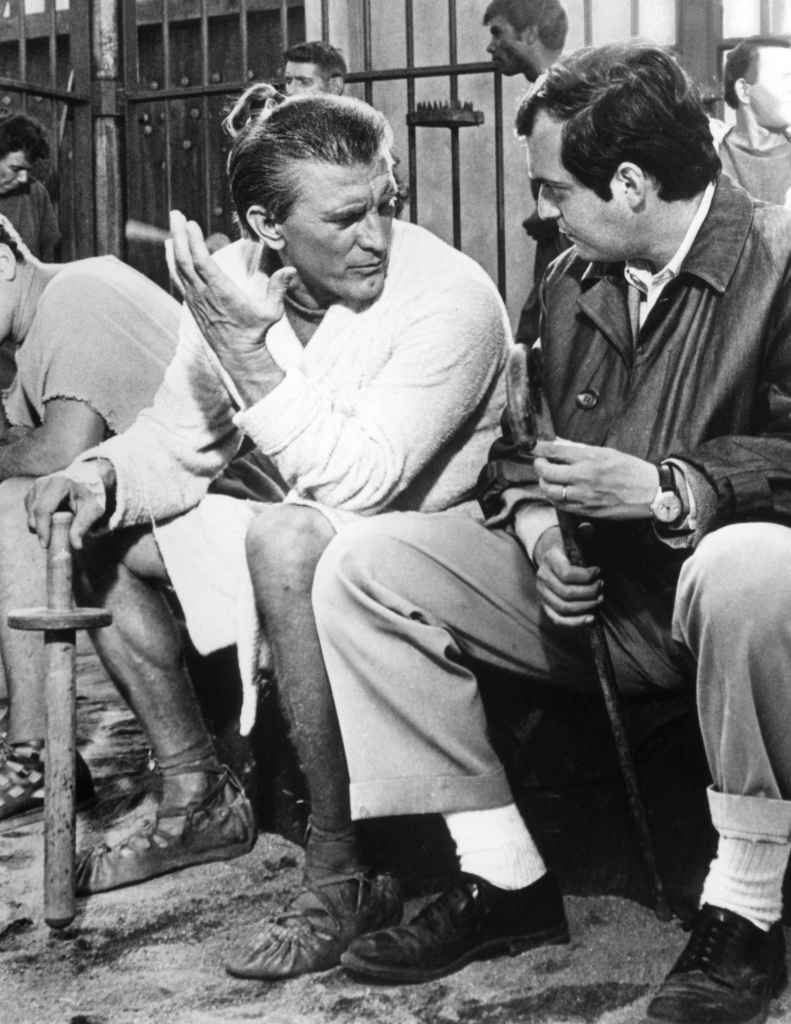
Production lasted nearly 11 months—167 shooting days in total—and Kubrick’s unrelenting standards were partly responsible. He averaged only a handful of setups per day, constantly refining the position of extras or the direction of sunlight. A frustrated Douglas told Variety, “Stanley doesn’t see the day’s work; he sees the perfect shot.” Yet the results speak for themselves: each composition feels monumental, with the scope of myth and the intimacy of human drama. Kubrick may have chafed under the studio’s control, but Spartacus revealed his growing obsession with visual precision.
10. Laurence Olivier’s commanding presence as Crassus
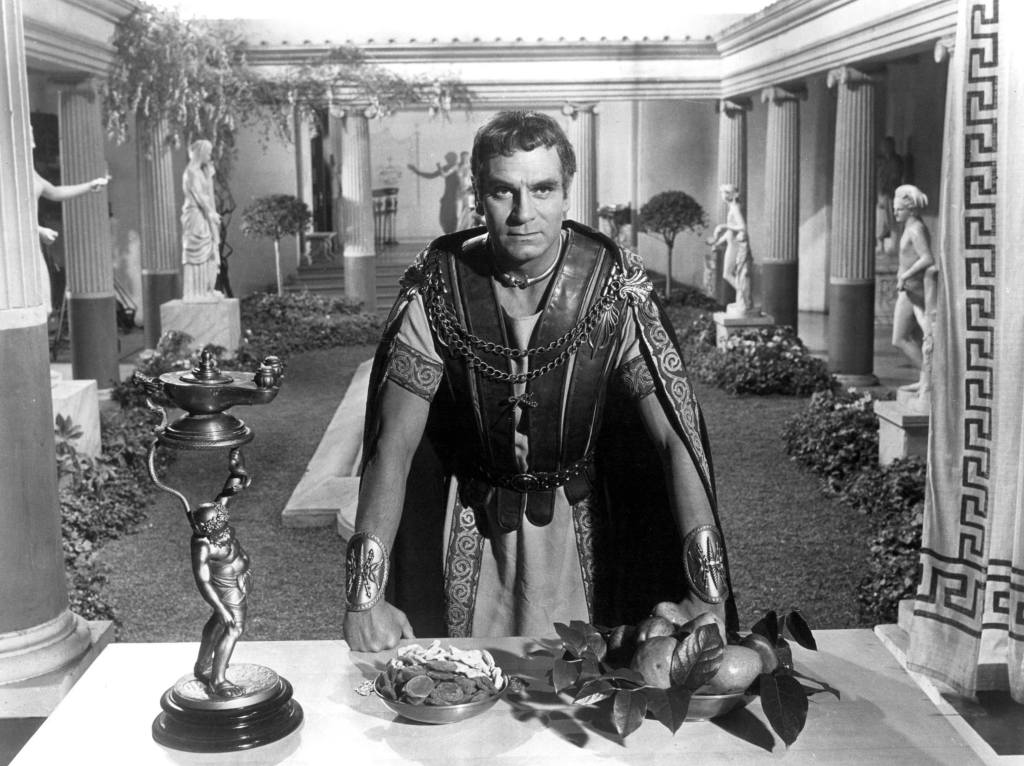
Laurence Olivier’s portrayal of the patrician general Crassus gave the film its chilling intellect. Kubrick encouraged him to underplay cruelty, making him seductive rather than bombastic. “Power is seductive,” Olivier said in interviews while promoting the film. “Crassus believes he owns civilization.” His infamous “oysters and snails” scene with Tony Curtis—coded for bisexual desire—was cut by censors in 1960 and restored decades later, with Anthony Hopkins dubbing Olivier’s missing dialogue for the 1991 restoration. Today, it’s recognized as one of the boldest pre-Code-era moments ever filmed under the Production Code.
11. The most expensive Hollywood film of its day
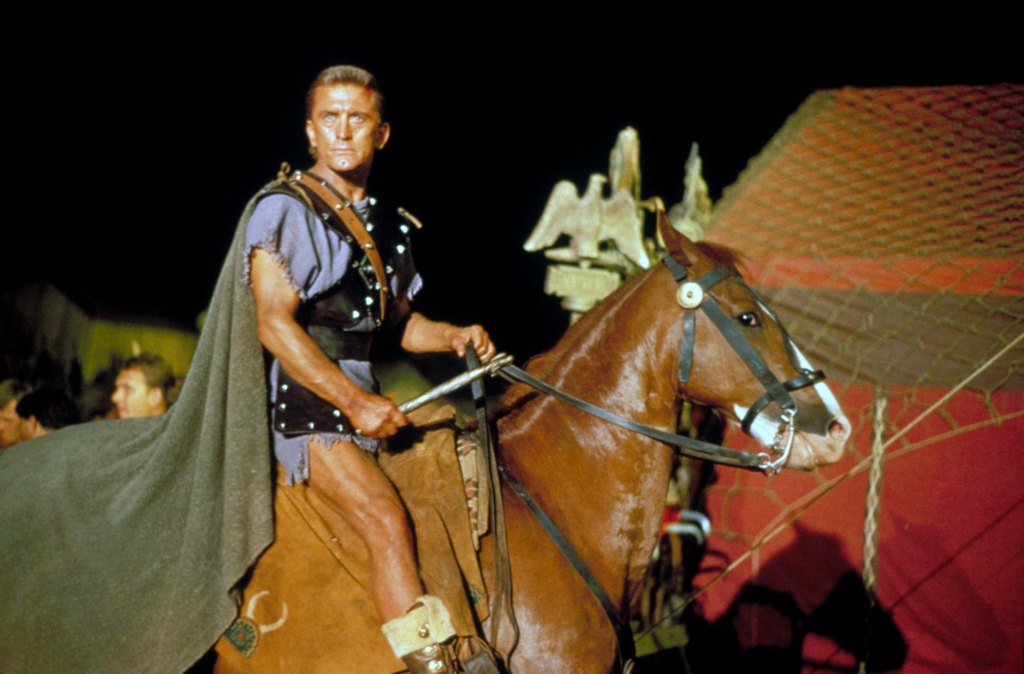
With a final cost of around $12 million, Spartacus was the most expensive film ever produced in Hollywood up to that point. Universal poured enormous resources into the project, including massive backlot sets, thousands of costumes and endless days of extras under a blazing California sun. Douglas once quipped that “every time I looked at the budget, I could hear the sound of a cash register in the distance.” Yet despite its price tag, the film turned a profit and became one of Universal’s biggest hits of the 1960s, proving that Douglas’s gamble as producer had paid off.
12. The “I Am Spartacus” scene was added late
One of the most famous moments in film history—the mass declaration of “I am Spartacus!”—wasn’t in Dalton Trumbo’s early drafts. It emerged late in production as the thematic heart of the film. Douglas encouraged Trumbo to find a way to dramatize collective defiance, and the resulting scene became a symbol far beyond the story’s Roman setting. “That line,” Douglas later wrote, “is what Spartacus was all about: people standing together against tyranny.” The image of hundreds of men refusing to betray their leader resonated deeply during the Cold War and the civil rights era alike.
13. The role of Varinia was recast midstream
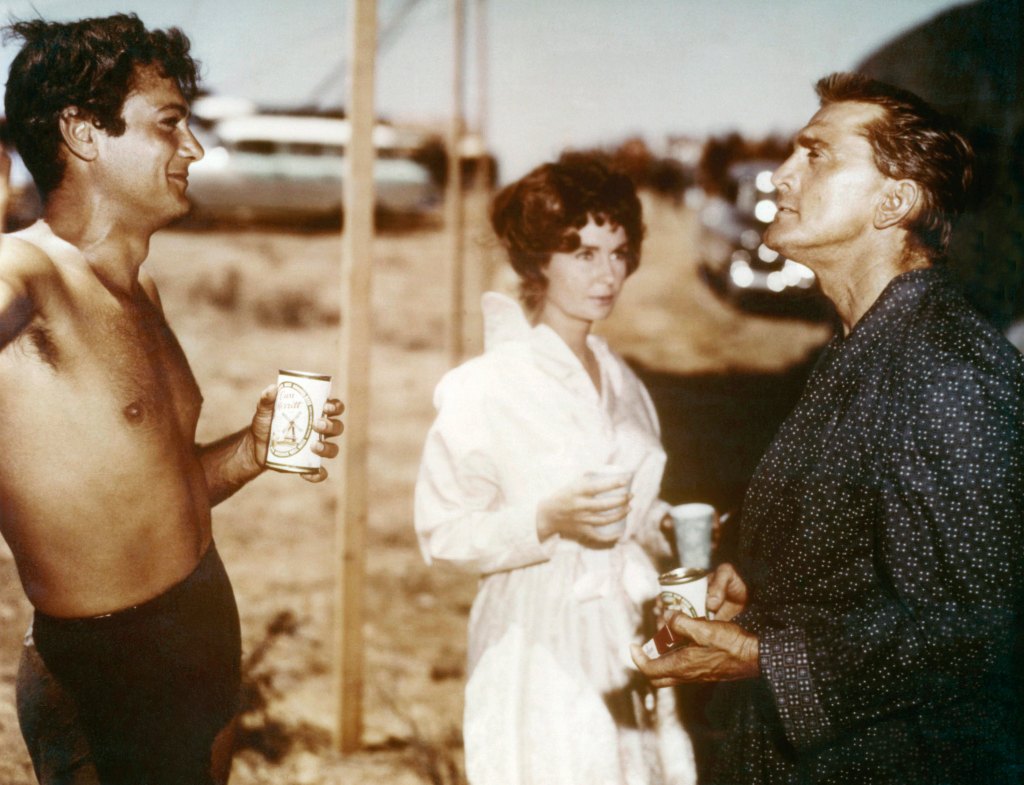
Originally, the role of Varinia—Spartacus’ wife and emotional anchor—was offered to Sabine Bethmann, but Kubrick replaced her early on with British actress Jean Simmons. The director felt Simmons brought “a more honest warmth” to the part. She joined the production just days before shooting her first scenes, yet her performance proved luminous. “Jean made Varinia the soul of the film,” Douglas said. “She gave Spartacus something to live for and something to lose.” Simmons later admitted that working with Kubrick was “intense but exhilarating—he always knew exactly what he wanted.”
14. Peter Ustinov impressed everyone on set
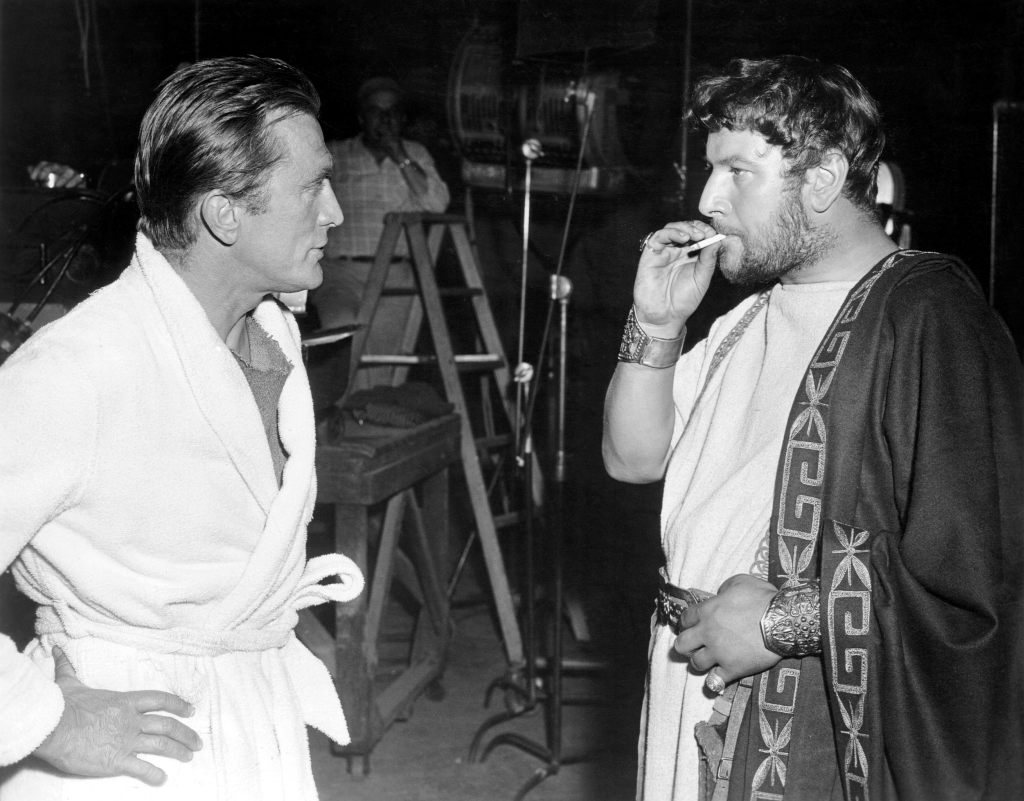
Peter Ustinov, as the scheming slave trader Batiatus, became the film’s comic and moral center. His improvisational wit and command of language earned him the 1961 Academy Award for Best Supporting Actor. “Kubrick was meticulous, but he allowed me freedom,” Ustinov told The Guardian. “Batiatus was corrupt, but charming—a merchant of flesh who occasionally remembered he had one.” His scenes with Charles Laughton’s Senator Gracchus were among the most celebrated, the two veterans sparring verbally in a master class of old-school British acting.
15. Charles Laughton’s performance nearly didn’t happen
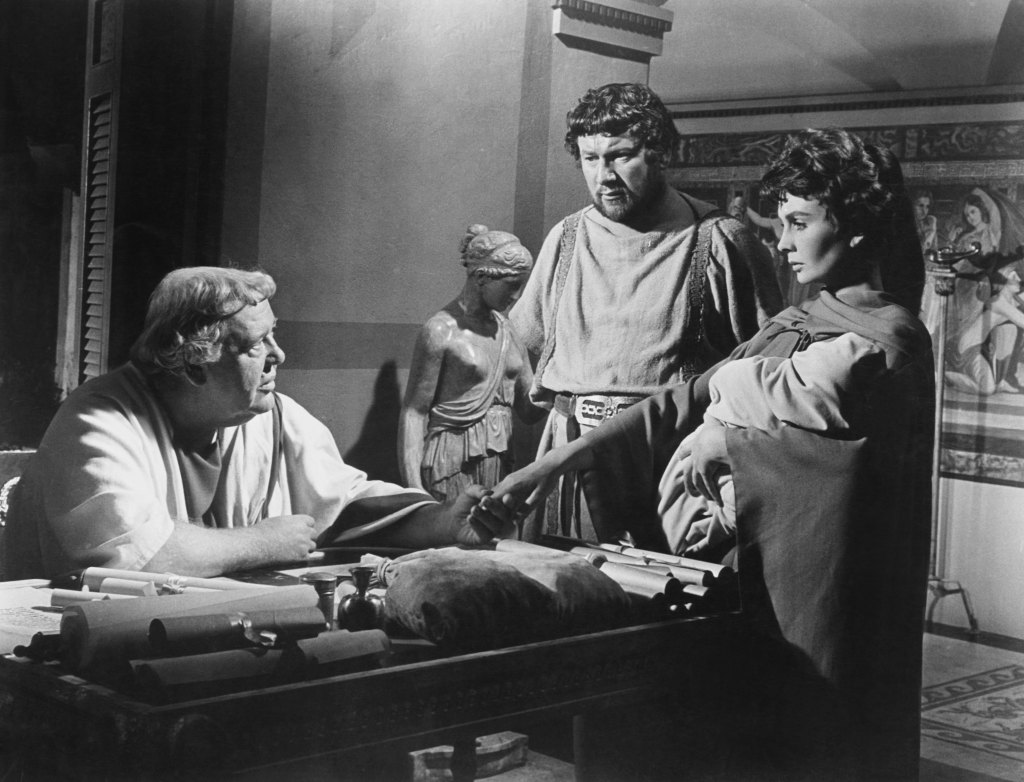
Charles Laughton was cast as the wily Roman senator Gracchus, but he nearly turned down the role after clashing with the production over dialogue changes. It was Peter Ustinov who convinced him to stay, even rewriting parts of their scenes together to better suit Laughton’s delivery. “We adored each other,” Ustinov recalled. “It was like a fencing match—every line had a parry and a riposte.” Laughton’s sly humor and quiet defiance made Gracchus one of the film’s most memorable figures, a decadent politician with just enough conscience to act when history demanded it.
16. The restored cut required extraordinary effort

By the late 1980s, the original Spartacus negative had deteriorated. Film preservationists Robert A. Harris and James C. Katz led a painstaking 1991 restoration that took nearly a year and cost over a million dollars. The project reinstated nearly 12 minutes of footage, remastered the color and restored the full score by Alex North. “We wanted audiences to see Spartacus the way Kubrick intended,” Harris said at the film’s premiere. The restoration won universal acclaim and reintroduced the epic to theaters, where it blew away a new generation of filmgoers.
17. A score that elevated emotion
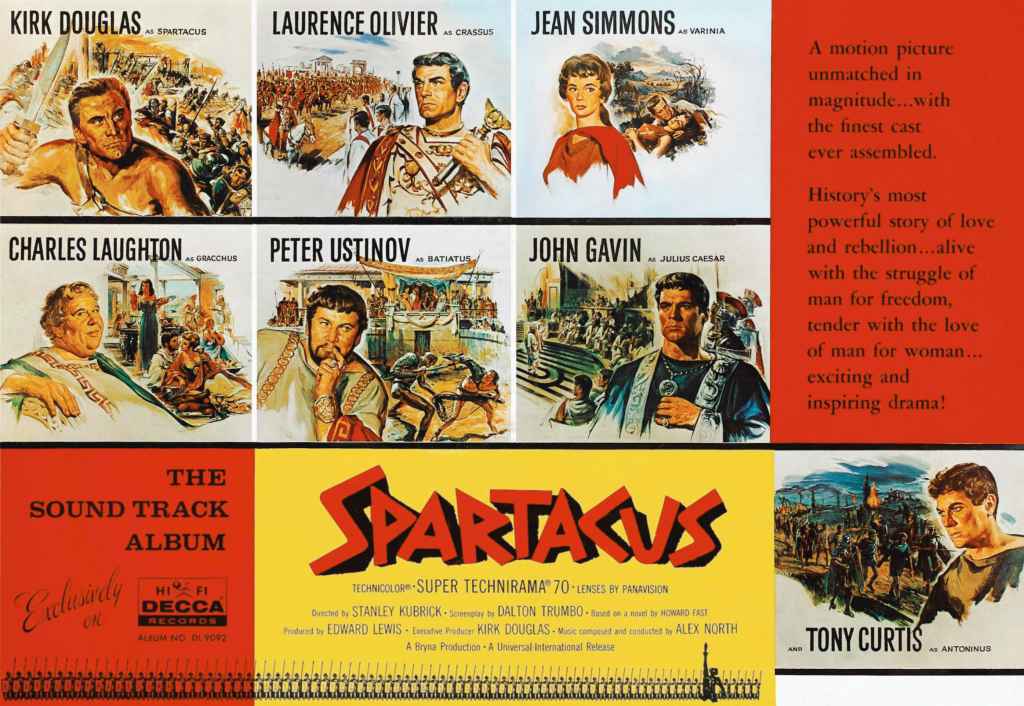
Composer Alex North, fresh off A Streetcar Named Desire, created one of the most sophisticated scores ever written for an epic. His music was romantic yet tragic, mixing ancient rhythms with modern orchestral swells. Kubrick often built entire sequences around North’s cues, using them to underscore the clash between freedom and empire. The main theme was so admired that it became a favorite of later directors like Martin Scorsese and Steven Spielberg. “North gave Spartacus his soul,” Douglas said in 2012, “and gave Rome its menace.”
18. The film’s premiere changed Hollywood’s mood
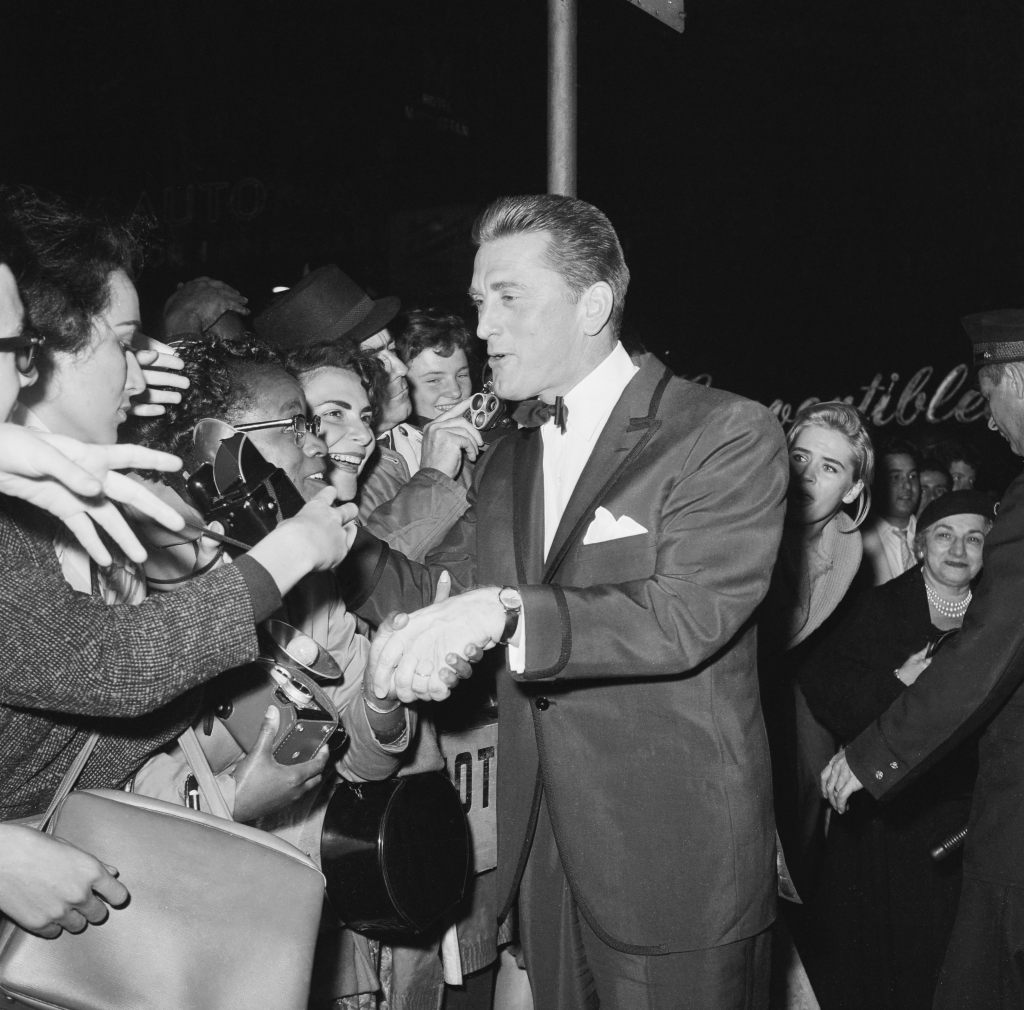
Spartacus premiered on October 6, 1960, at New York’s DeMille Theatre as a roadshow engagement with reserved seating and an intermission. When Dalton Trumbo’s name appeared in the credits, the audience erupted in applause. “That moment,” Douglas wrote in his memoir, “told me Hollywood had grown a conscience.” The success of Spartacus helped open the door for other blacklisted artists to return, signaling the long-overdue end of one of Hollywood’s darkest eras.
19. A legacy that endures 65 years later
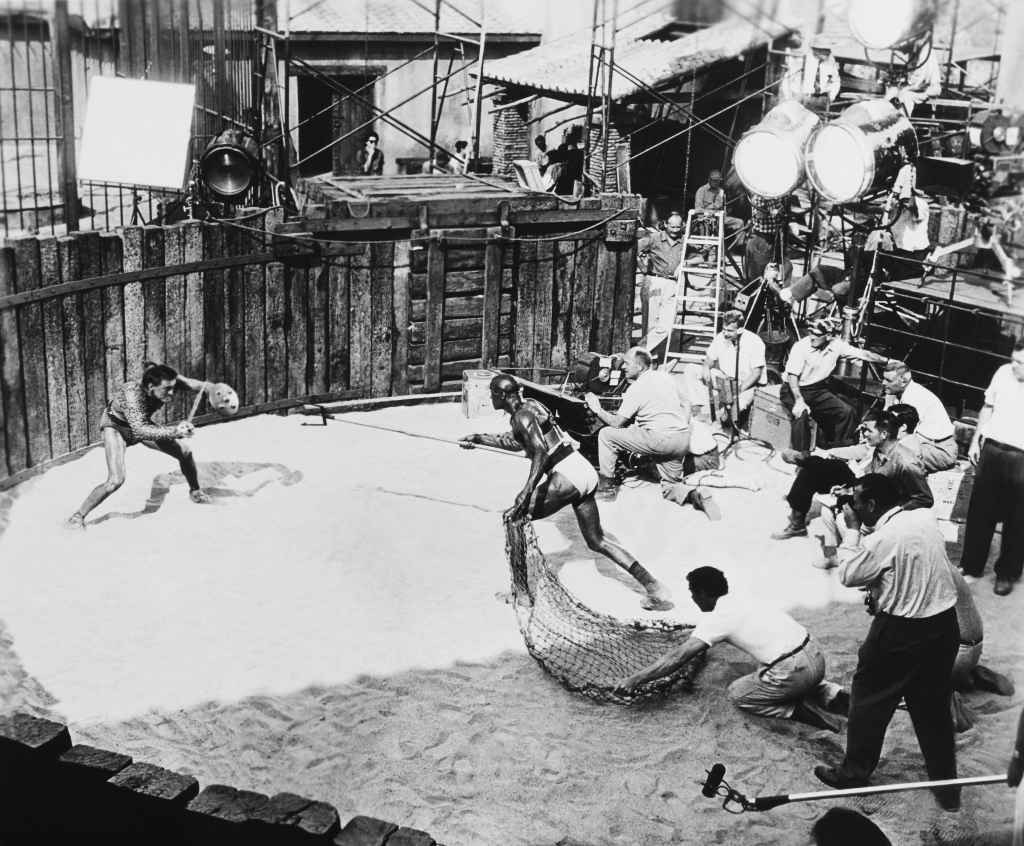
Sixty-five years on, Spartacus remains both an entertainment milestone and a moral touchstone. Douglas—who lived to see the film’s restoration and its recognition by the Library of Congress—said late in life, “If I have to be remembered for one thing, let it be that I broke the blacklist and made Spartacus.”
Conversation
All comments are subject to our Community Guidelines. Woman's World does not endorse the opinions and views shared by our readers in our comment sections. Our comments section is a place where readers can engage in healthy, productive, lively, and respectful discussions. Offensive language, hate speech, personal attacks, and/or defamatory statements are not permitted. Advertising or spam is also prohibited.