Netflix’s ‘Little House on the Prairie’ Just Dropped—How Fans Think It Compares to The Original Series
52 years later, Netflix's retelling adds real history—but not every fan is on board

Key Takeaways
AI-generated summary reviewed by our editorial team.- Watch the new Netflix series: a more historically accurate 'Little House.'
- Spot key changes: expect altered characters and deeper backstories.
- Compare with the original: enjoy nostalgia or explore a more accurate retelling.
A whopping 52 years after the original series premiered on NBC, Netflix has finally released its own adaptation of Little House on the Prairie, told in a slightly different light than the one you know and love. Both the NBC and Netflix versions of the show are based on the novels by Laura Ingalls Wilder, but they follow different paths in telling the story. The 1974 version had a warmth and familiarity to it, allowing fans to enjoy it for its nine-season duration and watch it for years through a nostalgic lens.
Now, fans are getting to experience life on the prairie all over again with the new adaptation. The Netflix series was created to follow the books more closely and to be as historically accurate as possible. Although both stories are retellings of Ingalls Wilder’s life, there are some major differences in the cast, plot and details. Find out what fans have been saying about the new adaptation and how they think it compares to the classic Western series.

More historical accuracy
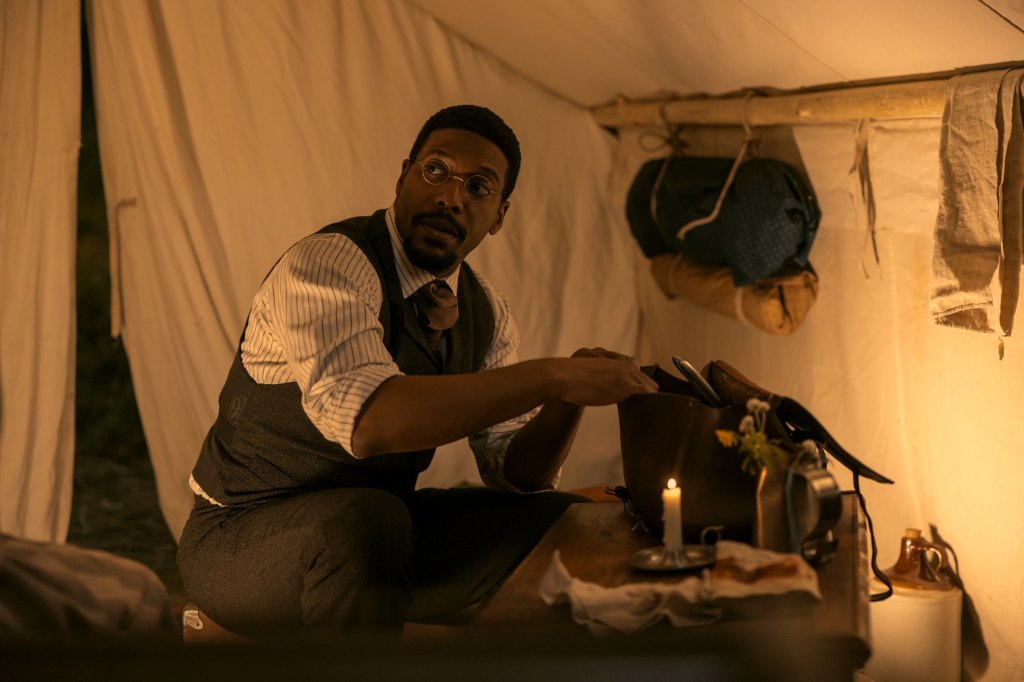
While millions of viewers adored the 1970s show for its comfort and nostalgic feel, there is something refreshing about Netflix’s version. The streaming platform highlights the many hardships of the Ingalls’ lives, which were glossed over in the original show.
Netflix has added characters, such as Dr. George Tann, a Black physician who is credited with saving the Ingalls’ from malaria. Although he had a pivotal role in the family’s story, he was notably absent from the 1970s series. Netflix also included indigenous representation and the harsh realities of being a settler amid the tensions with the Osage Nation.
However, fans’ opinions on the inclusion of this historically accurate details are split. While some appreciate the addition of these details, some are hesitant to accept this new version. Many viewers who adore the original say they like the story how it was portrayed the first time around and that they watched it for a sense of comfort.
One Redditor explained, “I’m so sad to see my childhood reimagined by people who may have little context. I’m hopeful it doesn’t decimate the original, which my inner 8 year old thought was perfection.”
Another Redditor chimed in, saying, “The creators of this adaptation have made it clear that they are expanding the scope from seeing the world mainly through a child’s eyes, to including other elements that absolutely were present although not fully represented in the books. Osage people as fully realized humans with families and lives, Black community members, etc. I love this approach.”

Character differences
Another major difference between the shows are the characters. Not only are historically accurate characters introduced in the Netflix version, but some are notably missing, like Carrie Ingalls. Laura’s younger sister was present in the original series, yet she isn’t in the new one, causing fans to wonder what happened to Carrie.
The reason? Carrie wasn’t born until after the family settled in Kansas, which is how Netflix portrays it. You can expect to see Carrie’s birth later in the season, so keep watching to see the Ingalls’ third daughter make her appearance.
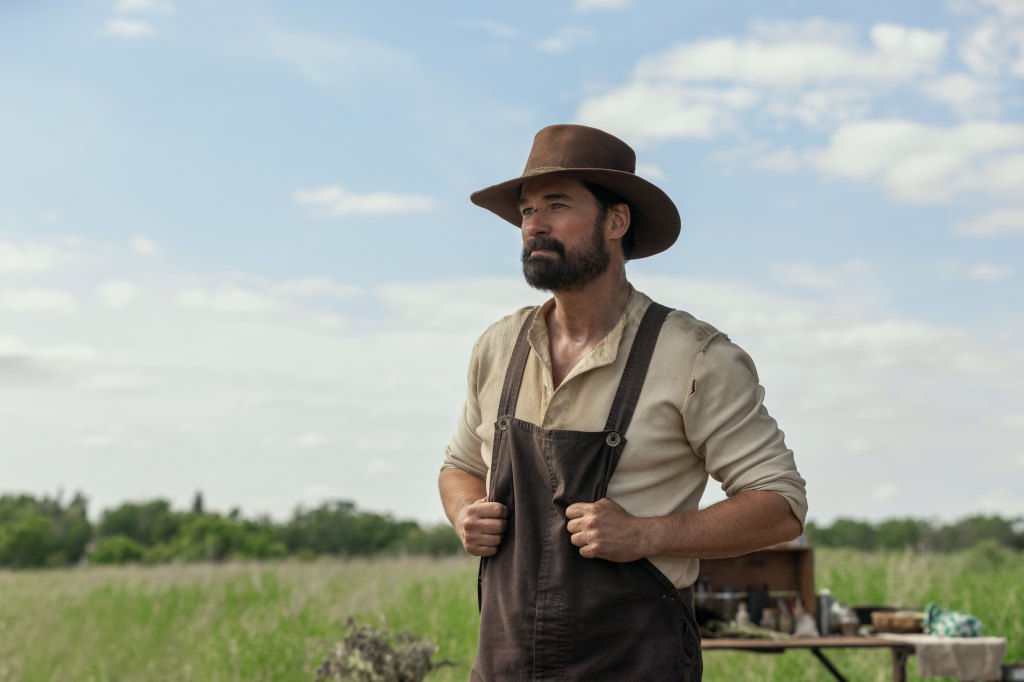
The character of Mr. Edwards is also different in the two shows. While he was a central character in the original, serving as a warm-hearted individual and close friend to the Ingalls, Netflix portrays the character as a bachelor, showing the women of Independence fawning over Mr. Edwards, played by Warren Christie.

The original character was more there for comedic relief, but Netflix focuses more on his tragic backstory, giving him a darker arc than Victor French’s character in the 1974 show. Plus, there is the name change from Isaiah to John (he was only referred to as Mr. Edwards in the books).
Many viewers of the NBC series enjoyed the warmth French brought to the character, while Christie’s Mr. Edwards is a bit more rigid with his approach. One Redditor commented on the changes made, writing, “Edwards should be more scruffy in my opinion.” However, fans have been embracing the changes to Mr. Edwards and hope to see him grow throughout the series.
Although Netflix has made some changes to their adaptation, it seems fans are mostly taking it in stride, understanding many are to do with historical accuracy. If you want to learn more about the plot and character differences, be sure to stream Little House on the Prairie on Netflix now!
Conversation
All comments are subject to our Community Guidelines. Woman's World does not endorse the opinions and views shared by our readers in our comment sections. Our comments section is a place where readers can engage in healthy, productive, lively, and respectful discussions. Offensive language, hate speech, personal attacks, and/or defamatory statements are not permitted. Advertising or spam is also prohibited.