Egg Recall Alert: Costco Brand Organic Eggs Issued Class I Recall Over Salmonella Risk
FDA upgrades recall of Costco's Kirkland eggs to Class I due to potential salmonella risk

Eggs are undoubtedly a staple in the American diet—in 2023, the consumption of eggs in the United States was estimated at 281.3 per person. However, concerns have been raised over the safety of egg production following a Food and Drug Administration (FDA) recall of Costco’s Kirkland brand eggs linked to a salmonella outbreak affecting 25 Costco stores across five U.S. states. Scroll to read more on the outbreak, the state of food safety in the U.S. and what you can do to protect yourself from foodborne illnesses.
FDA issued Class I recall on Costco brand eggs
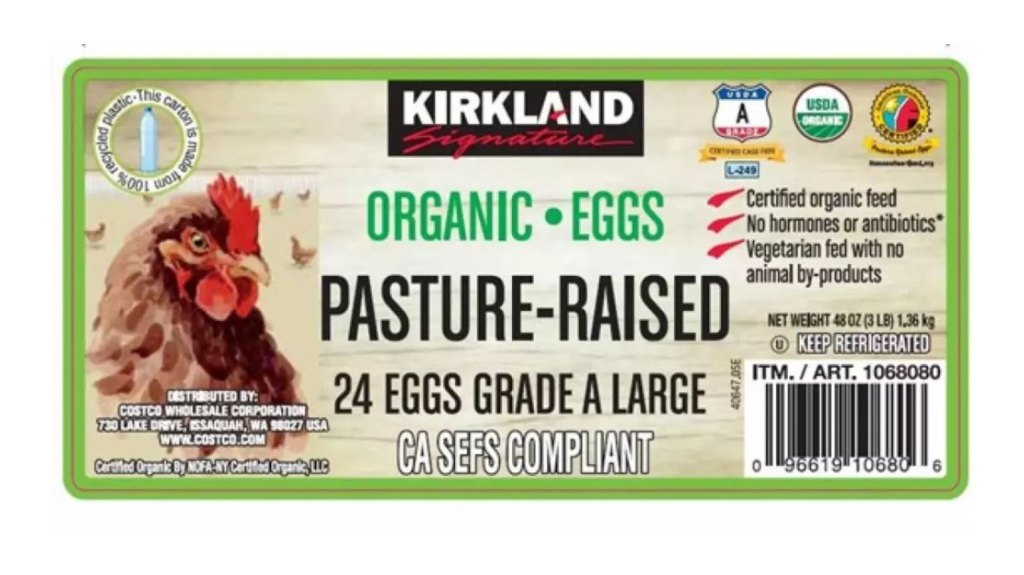
On Dec. 20, the FDA upgraded the recall of Costco’s Kirkland Signature brand eggs to Class I due to potential salmonella contamination.
Class I is the most severe recall under the FDA’s designation. This recall indicates, “a reasonable probability that the use of the product will cause serious adverse health consequences or death.”
The FDA’s Class I recall follows a voluntary recall issued by Handsome Brook Farms on Nov. 27 that pulled 10,800 cartons of the Organic Pasture Raised 24-Count Eggs from store shelves in Alabama, Georgia, North Carolina, South Carolina and Tennessee.
“Eggs from a positive Salmonella environment were shipped into distribution to retail facilities,” the FDA wrote in a statement.
Handsome Brook Farms stated that the eggs were not intended for retail sale but were accidentally packaged and distributed, potentially leading to contamination.
To date, there have been no reports of illness linked to the recalled eggs that were briefly available for purchase in 25 Costco stores in the previously mentioned states.
What to do if you bought the contaminated eggs
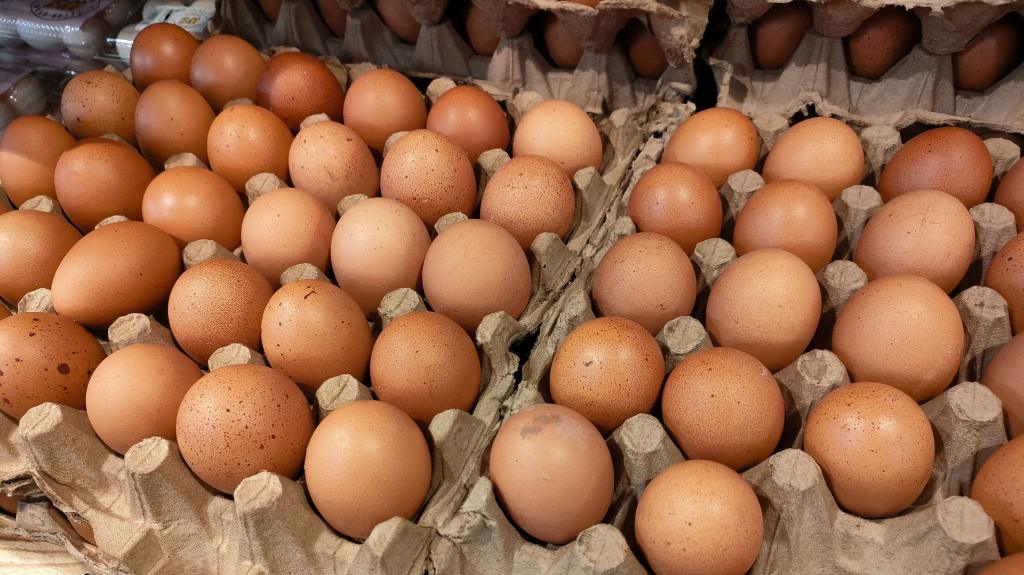
If you purchased the recalled Kirkland Organic Pasture Raised 24-Count Eggs from Costco in Alabama, Georgia, North Carolina, South Carolina or Tennessee, here’s what you should do:
- Check the carton: Look for any product codes or expiration dates listed in the recall notice to confirm if your eggs are affected. You can find these details on the FDA’s website or Costco’s recall announcement.
- Do not consume: If the eggs match the recall, do not eat them. Consuming potentially contaminated eggs can lead to salmonella infection, which can cause symptoms such as fever, diarrhea, abdominal cramps and vomiting.
- Dispose of the eggs safely: Place the eggs in a sealed plastic bag and discard them in the trash to prevent accidental consumption or cross-contamination.
- Request a refund: Return the eggs to your local Costco for a full refund. Costco has stated they will honor refunds for the recalled products.
- Monitor for symptoms: If you or anyone in your household consumed the eggs and begins to show symptoms of salmonella infection, contact a healthcare provider immediately.
The state of food safety in the United States
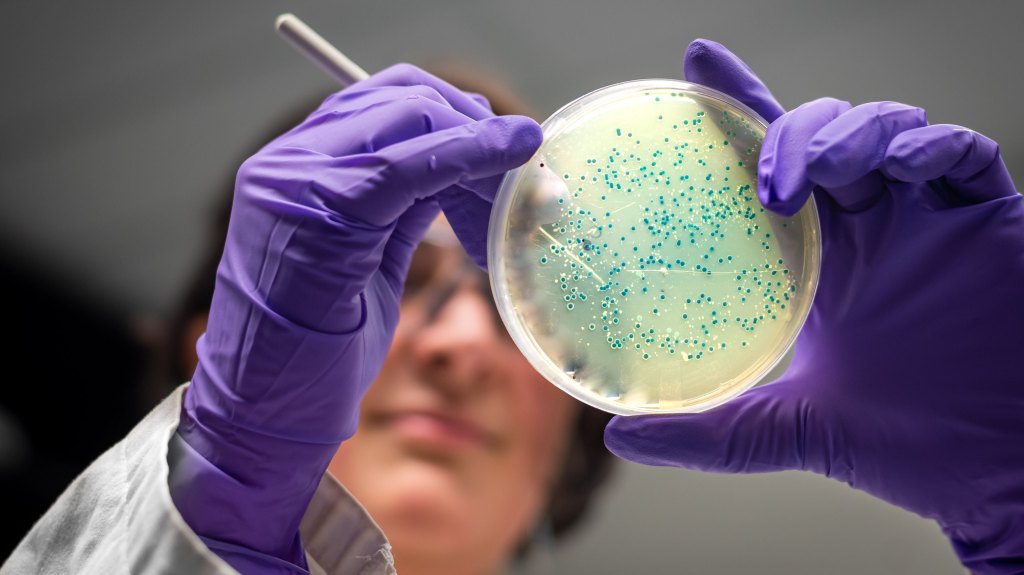
This recent egg recall is one in a growing list of food safety alerts issued by the FDA and CDC this year.
Contaminated food items in 2024 include Boar’s Head deli meat, AW Farms hot dogs, several brands of cinnamon and cucumbers.
Some experts speculate that the increased number of recalls may be rooted in the trend of more large food corporations owning a variety of smaller brands making it more difficult to closely regulate food production.
“You get production operations that are generally larger. And can affect a greater span of the food products that we eat,” Clark County health commissioner Chris Cook told WDTN.com.
Cook also shared that more advanced technology may also be the reason for more food recalls as of late. Better technology may lead to more alerts even if only a small issue is detected.
How to prevent food poisoning


In addition to staying up to date with food recalls in your area and nationwide through the FDA’s website, there are several ways you can prevent food poisoning.
Wash your hands
Not only can food be contaminated by manufacturers, but you can contaminate your own food by not practicing good hygiene in the kitchen. To avoid cross-contamination, wash your hands thoroughly with soap and warm water before handling any food.
Cook your food thoroughly
Raw ground beef, raw chicken and eggs are notorious for containing bacteria and parasites that lead to food poisoning. To prevent contamination, follow the FDA’s internal temperature guidelines when handling these foods.
Consider antimicrobial seasonings
A surprising way to reduce the risk of food poisoning is in your spice cabinet. For example, garlic contains allicin, a compound that is effective against E.coli and other bacteria. Other spices with antimicrobial properties include:
- Cinnamon
- Oregano
- Turmeric
- Thyme
- Cloves
- Lemongrass
- Sage
- Parsley
Conversation
All comments are subject to our Community Guidelines. Woman's World does not endorse the opinions and views shared by our readers in our comment sections. Our comments section is a place where readers can engage in healthy, productive, lively, and respectful discussions. Offensive language, hate speech, personal attacks, and/or defamatory statements are not permitted. Advertising or spam is also prohibited.