The Surprising List of Vaccines Medicare Pays for—And What’s Not Included
From flu shots to RSV, discover which immunizations your Medicare plan covers
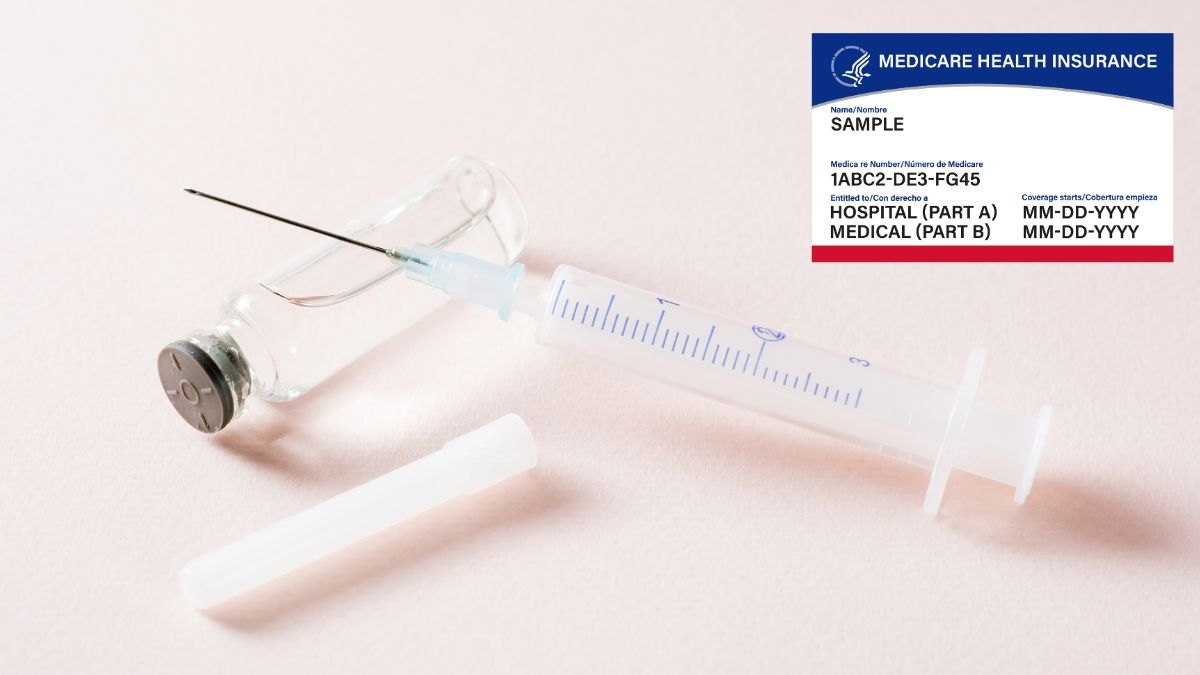
As government and healthcare officials continue discussing vaccines, many Americans are wondering which immunizations are covered by their insurance carrier. This includes people on Medicare, who have reported issues surrounding health insurance coverage and the COVID-19 shot in the past. To make it easier, we have rounded up the most common vaccines covered by Medicare. Read on for more.

A look at Medicare’s vaccine coverage
When it comes to Medicare, vaccine coverage is normally split into two parts: Part B, which covers outpatient procedures, and Part D, which covers medications. Because of that, the kind of vaccines one can get varies based on which Medicare plan they have.

Vaccines Medicare Part B covers
According to the Center for Centers for Medicare & Medicaid Services, 62.9 million Americans were enrolled in a Medicare Part B plan in 2025. This means their Part B vaccines were covered by insurance without any out-of-pocket costs, as long as their provider accepts Medicare. (You can find out if yours does by visiting Medicare.gov’s physician search website.)
The vaccines included in Part B coverage include:
- The flu vaccine
- The COVID-19 vaccine
- The pneumonia vaccine
- The hepatitis B vaccine
Part B also covers vaccines that are directly related to an injury or direct exposure to diseases like rabies or tetanus. One caveat: CMS notes, “If a patient gets a tetanus shot because of an accidental puncture wound, it’s covered by Part B. However, if the patient gets a tetanus booster shot, unrelated to injury or illness, it’s covered by Part D.”
Vaccines Medicare Part D covers
Part D had more than 54.8 million enrollees in 2025, according to the Kaiser Family Foundation (KFF), a nonprofit foundation focused on healthcare issues in the United States. And all received some form of vaccine coverage for the following shots:
- The shingles vaccine
- The respiratory syncytial virus, or RSV, vaccine
- The tetanus vaccine
- The diphtheria vaccine
- The pertussis vaccine
- The measles, mumps and rubella, or MMR, vaccine
- The Hepatitis A vaccine
- The meningococcal vaccine
- The varicella, or chickenpox, vaccine

Getty - The Cholera vaccine
- The Ebola vaccine
- The yellow fever vaccine
- The typhoid vaccine
- The rotavirus vaccine
- The polio vaccine
- The Japanese encephalitis vaccine
- The Haemophilus influenzae type b, or Hib, vaccine
- All three human papillomavirus, or HPV, vaccines

Along with the shots listed above, CMS says all other widely accessible vaccines are covered by Part D, as long as they are needed to prevent or fight an illness.

How to get coverage if your vaccine isn’t automatically covered
If Medicare doesn’t cover the cost of a vaccine, the CMS recommends that “the enrollee or their representative, their prescribing physician or another prescriber acting on behalf of the enrollee request vaccine coverage through the formulary exception process.”
Most of the time that only happens if the vaccine is newer and therefore deemed not as necessary.
Conversation
All comments are subject to our Community Guidelines. Woman's World does not endorse the opinions and views shared by our readers in our comment sections. Our comments section is a place where readers can engage in healthy, productive, lively, and respectful discussions. Offensive language, hate speech, personal attacks, and/or defamatory statements are not permitted. Advertising or spam is also prohibited.