Orphaned Baby Animals Flood Austin Wildlife Rescue: Tiny Lives on the Edge of Survival
“Every time we have rain, we’re all holding our breath.”

Spring in Central Texas has brought a wave of tiny, vulnerable creatures in desperate need of care—and Austin Wildlife Rescue says this baby season is arriving earlier and faster than anything the organization has seen before. If you’re an animal lover looking for a meaningful way to make a difference, this nonprofit’s urgent call for help will move you to action.
Every spring, Austin Wildlife Rescue takes in orphaned and injured young animals from across the region, caring for around 11,000 animals each year. But this year, something is different. Executive Director Jules Maron told the Austin American-Statesman the nonprofit is seeing babies arrive “in larger numbers, faster than we normally do,” a change she believes could be partly due to a warmer winter that may have led to an earlier breeding season.
“It is our busy season,” she said. “The majority of them come in from about March through September, because that is the baby season. And what’s happening is we’re just seeing a little bit of a shift.”
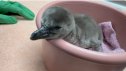
Inside Austin Wildlife Rescue’s record-breaking baby animal season
The shift that Maron describes means tiny animals are arriving from every corner of the region. Austin Wildlife Rescue has already taken in hundreds of baby squirrels and opossums this year, and the seasonal rush has also included some truly unusual arrivals—baby armadillos and, in one especially rare case, a vulture that hatched from an egg brought into the center.
“It’s like the flood gates have pretty much opened,” Maron said. “Especially on opossums.”
Weather plays a major role in the surge. Maron explained that rainstorms can dislodge baby birds from their nests, sweep young animals out of tree hollows and even flood ground nests used by cottontails and skunks. By the time she spoke with the Austin American-Statesman that day, the rescue had already taken in about 30 animals, with more expected before the day ended.
“Every time we have rain, we’re all holding our breath,” Maron said.
Expert explains the long journey from incubator to the wild
For anyone who’s wondered what happens once these babies arrive, the rehabilitation journey is both painstaking and beautiful. Maron said the process can last for months. Young squirrels and opossums usually begin in incubators, then move to heated bins, indoor cages and later large outdoor enclosures where they can practice climbing, running and foraging before release. For these animals, the process typically takes two to three months, while raccoons require even longer—often around six months before they are ready to return to the wild.
The organization’s ultimate goal is to release animals back into their natural habitat as healthy, self-sufficient wildlife. But Maron noted that this final step can be challenging, as the group depends on county assistance and private landowners for suitable release sites—ideally large properties of at least 100 acres with a reliable water source that won’t dry up during the summer.
“Without good release sites, it makes what we do a moot point if we don’t have that end game,” she said.
The effort also carries substantial expenses, including staffing, veterinary care, medication and food. Feeding wildlife creates additional logistical challenges, especially when fresh fruits and vegetables are required but storage space is limited.
“We can only buy so much fresh food at once before it spoils,” Maron said.
What you should know before rescuing a baby animal
If you spot a baby animal that appears to be alone, your first instinct might be to scoop it up. But Maron wanted to share a crucial piece of advice: not every baby found by itself actually needs rescuing. In many cases, rescue staff can evaluate the situation through photos or videos and help determine whether an animal actually needs intervention or simply time and space.
“We love it when people’s first step is to call us first, because not every baby found by itself is actually orphaned,” she said.

She pointed to deer as an example, explaining that fawns are often left alone for much of the day while their mothers stay away until evening. This is normal survival behavior frequently mistaken for abandonment.
How to donate to Austin Wildlife Rescue’s baby animals right now
With hundreds of baby squirrels already in incubators and opossums arriving daily, Austin Wildlife Rescue needs all the help it can get. Jules Maron noted that people who want to support the effort can do so by volunteering their time, giving financial donations or purchasing supplies through the rescue’s Amazon wish list. The organization is also preparing for its yearly spring baby shower fundraiser, which will take place online from May 4 to May 10.
The need is urgent—and every bit of help counts.
Conversation
All comments are subject to our Community Guidelines. Woman's World does not endorse the opinions and views shared by our readers in our comment sections. Our comments section is a place where readers can engage in healthy, productive, lively, and respectful discussions. Offensive language, hate speech, personal attacks, and/or defamatory statements are not permitted. Advertising or spam is also prohibited.