Rats in Vests to Combat Wildlife Trafficking? New Study Finds They Can Sniff Out Illegal Trade
Scientists reveal how trained rats could sniff out illegal wildlife products

It’s a less-discussed but rampant global crime: Wildlife trafficking. The illegal practice involves capturing, killing and selling of wildlife and byproducts including pelts, ivory, plants and furs and more. These illicit products are often traded to be sold as medicine, clothing, accessories, food or pets. Now, new unlikely heroes may come to the rescue: rats. New research finds the rodents could be trained to sniff out endangered plants and animals!
Is wildlife trafficking common?
The May 2024 World Wildlife Crime Report from the UN Office on Drugs and Crime (UNODC) found that seizures between 2015 and 2021 indicate illegal trade in 162 countries and territories affecting approximately 4,000 plant and animal species. Around 3,250 of these species are listed in the Convention on International Trade in Endangered Species of Wild Fauna and Flora (CITES).
“More consistent enforcement to tackle both supply and demand, effective implementation of legislation, including anti-corruption laws and stronger monitoring and research are needed,” according to the UNODC.

Researchers trained rats to sense endangered products
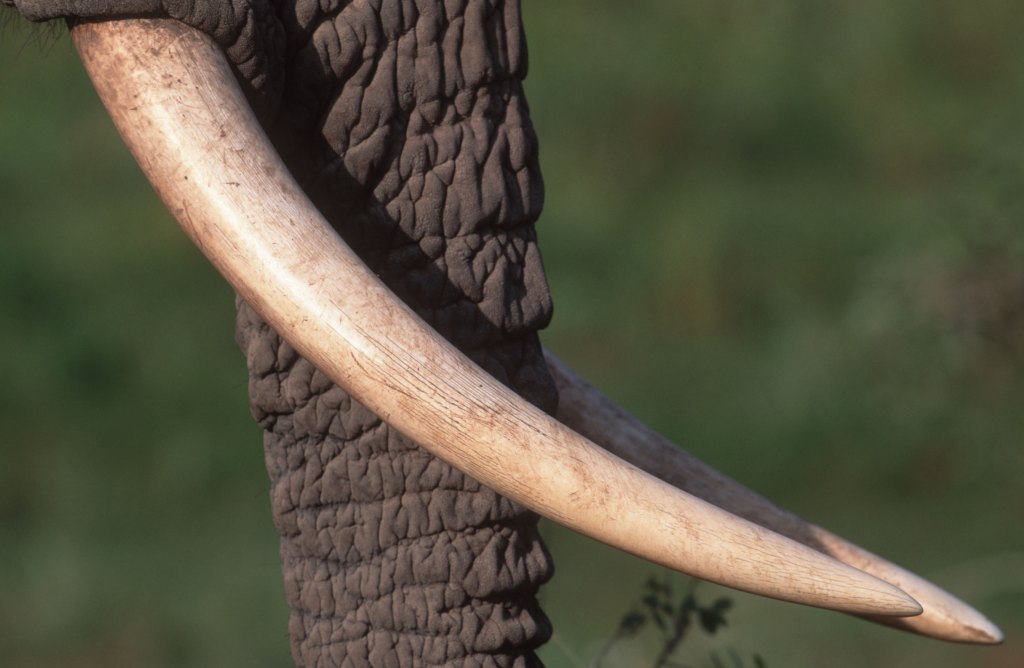
A new study published in Frontiers in Conservation Science found that African giant pouched rats exhibit the capacity to be trained to sniff and detect endangered species. Researchers say they have trained the rats, which have been proven to discern tuberculosis-causing pathogens, to detect pangolin scales, elephant ivory, rhino horn and African blackwood. These mammals and plants all currently face the threat of extinction.
Eleven rats—named Kirsty, Marty, Attenborough, Irwin, Betty, Teddy, Ivory, Ebony, Desmond, Thoreau and Fossey—were involved at the start of the study. Only eight rats completed the tasks as three experienced health issues. The group participated in multiple stages of training, and results demonstrate that eight of them were able to identify four commonly smuggled wildlife species, even when concealed by other substances.
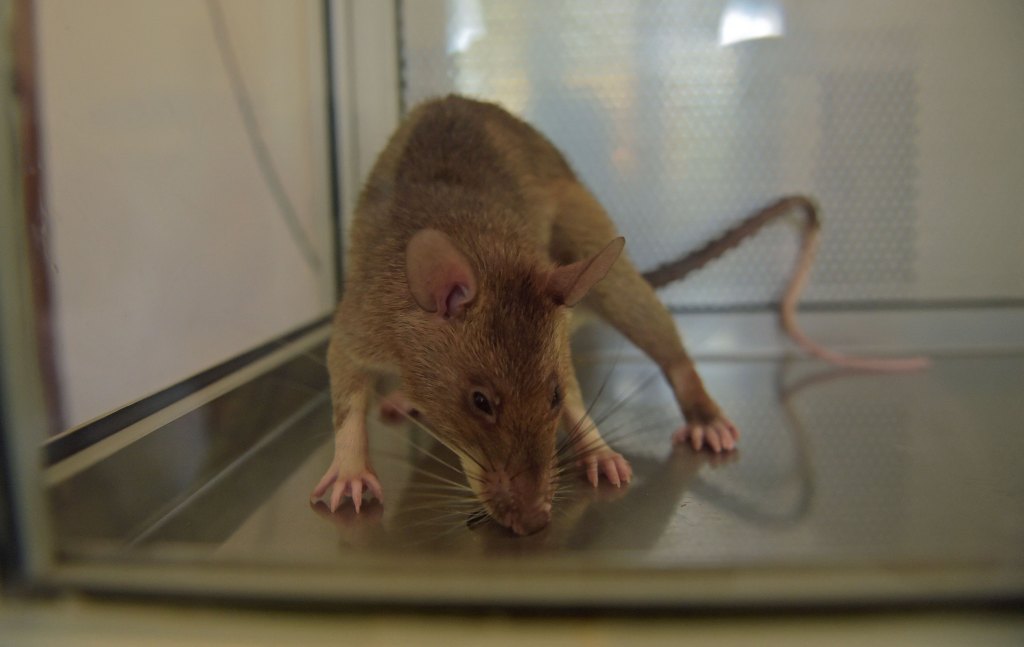
The rats were first taught to hold their noses in a hole to smell a target scent. When they poked their noses inside the holes and held the position for three consecutive seconds, they received positive reinforcement in the form of flavored pellets.
The animals were then exposed to non-target odors including electric cables, coffee beans, washing powder, new socks, synthetic hair (wigs) and cardboard, which researchers say are commonly used to mask scents in real trafficking scenarios.
In the interest of assuring consistency, the rats were re-introduced to scents they had not encountered for five and eight months, and showed “perfect” and “near-perfect” retention rates, researchers reported.
How rats might be able to help combat wildlife trafficking
Scientists did acknowledge a few key limitations with their study, including the fact that training and testing were conducted in a controlled laboratory setting, which makes it challenging to predict real-world outcomes. Still, they said, the findings are encouraging.
“Current screening methods for illegally trafficked wildlife are expensive and time-consuming,” authors said. “With the results presented here, we propose that African giant pouched rats could offer a cost-effective addition to these current methods.”
The cost of training rats for this purpose is also to be determined, but researchers pointed to existing programs established by the non-profit rat-training foundation APOPO, for which there are no up-front purchase costs of rats, housing and maintenance costs for the animals is low and dietary requirements can be fulfilled by locally available produce.
Additionally, rats will work with any trained handler, which benefits flexibility in staffing, wrote researchers, so they could be positioned alongside other screening methods. For example, it may be possible that while rats screen specific items for illegally trafficked wildlife, working canines simultaneously focus on searching larger open areas.


As far as next steps, the study authors recommended more research into how rats may operate in areas like seaports to detect trafficked wildlife. This will involve creating custom vests for the animals that beep when the rats pull a ball attached to the front to alert their handlers of a target smell.
“Illegal wildlife trafficking is a multifaceted threat to biodiversity, economies, and human health and current methods to curtail IWT are limited by high cost and operational demands,” authors conclude. “The results presented here provide substantial evidence for the development of scent detection rats as a tool to fight the illegal wildlife trade and add to existing methods.”
Conversation
All comments are subject to our Community Guidelines. Woman's World does not endorse the opinions and views shared by our readers in our comment sections. Our comments section is a place where readers can engage in healthy, productive, lively, and respectful discussions. Offensive language, hate speech, personal attacks, and/or defamatory statements are not permitted. Advertising or spam is also prohibited.