Experts Share Car Insurance Secrets: Save Money and File Claims Stress-Free
Plus learn about the different terms and understand that each state has different requirements

Without cars, many people would have trouble getting from point A to point B. And if you drive, it’s important to protect yourself from accidents, the elements or any other incident that can happen while on the road. However, looking at plans and determining the best coverage can be overwhelming. Luckily, experts share everything you need to know about car insurance. From basic terms and understanding your plan to saving money and filing a claim, we’ve got you covered. Keep reading to discover the best car insurance tips, so you can drive stress-free.
Car insurance basics: What it is and why you need it
“Car insurance is a critical financial tool that protects you in the event of an accident, theft, or other automobile-related incidents,” explains Sunil Kumar, licensed insurance agent at One Touch Finance.
Without car insurance, any repair, medical or liable damage costs would have to be paid out of pocket, adds Alex Adekola, the CEO and Founder of ReadyAdjuster.

Car insurance terms

Before diving into a plan, Kumar says it’s important to understand the basics of car insurance, which include these terms:
- Premium: The periodic (usually monthly) payment you make to maintain your car insurance policy.
- Deductible: The amount of money you have to incur directly before you are compensated by insurance coverage.
- Coverage limits: The dollar limit set by your insurer for a specific type of loss or for the overall claim.
- Exclusions: Any given conditions that are hence not within your policy.
Other factors that can affect your insurance plan are age, record of traffic violations, credit report, vehicle make and model and state. Basic car insurance coverage is similar across the U.S.; however, “some states may require higher liability limits or mandate certain additional coverages like personal injury protection,” says Kumar. You can typically find insurance requirements on your state’s Department of Insurance website.
Top ways to save money on car insurance
Protecting yourself and having proper coverage is important, but that doesn’t mean you have to break the bank. Also, if you’re considered a “high-risk” driver, your insurance rates will likely be more expensive, explains Adekola. Here, expert tips to help you get more affordable coverage:
Shop around at different insurance companies
Shopping around is key. “Get quotes from at least three different insurance providers because providers offer different discounts and weigh factors differently when calculating premiums,” says Maya Afilalo, lead editor and industry analyst at AutoInsurance.com. “When you get quotes, make sure to compare the same levels of coverage because one company might offer you a better rate.”
Important questions to ask each company
You’ll want a comprehensive list of policies to narrow down your choices. Kumar suggests asking these questions when shopping for insurance:
- What are the minimum coverage requirements in my state, and do I need to add any additional coverage?
- What are the different types of coverage available and how do they work?
- How are my premiums calculated, and what can influence the cost?
- What discounts or savings opportunities are available to me?
- What is the claims process, and how quickly can I expect a response if I need to file a claim?
- Are there any exclusions or limitations in the policy that I should be aware of?

Take a defensive driving course
You can save a lot of money on insurance by completing a defensive driving course. “These are often four-hour courses and after completing it, your car insurer can apply your discount which is effective for several years,” says Adekola. If it expires, you can simply retake the course to continue saving.
Consider higher deductibles
“Opting for a higher deductible (the amount you pay out-of-pocket before coverage kicks in) can lower your monthly premium,” says Kumar. “Just be sure you have the financial means to cover the higher deductible if needed.”
Look for discounts
Each provider will have discount options, and most providers offer savings for bundling auto and home insurance or having a clean driving record, explains Afilalo. “Whether you rent or own, you can save money when you buy multiple policies from the same provider,” she says.
Another option to try is a telematics program that tracks driving behavior. This can also provide savings if you’re a safe driver. “If you have an at-fault accident or a speeding ticket on your record, but you are generally a safe driver, a telematics discount is an especially good way to save,” says Afilalo.
Filing a car insurance claim: What to do after an accident

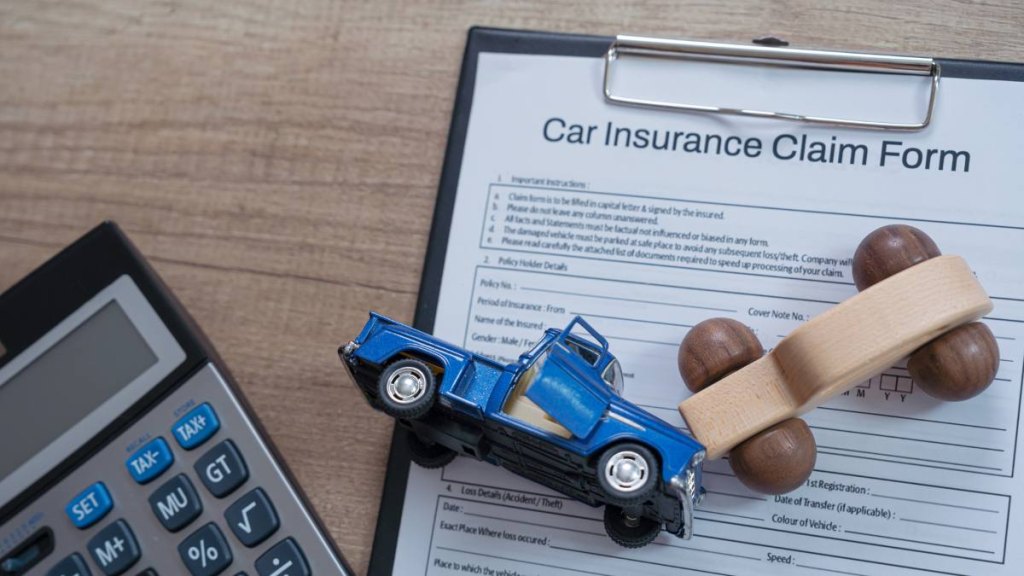
If you were in an accident and need to file a claim, Adekola says the first thing you should do is talk to the police. “A police report helps prove what truly happened during the incident, as it will include the time, date and place of the accident and any identifying details that reveal facts and specifics.” These details will help your insurance provider come to a faster conclusion.
You’ll also want to call your insurance provider as soon as you can. Any paperwork goes to them and you’ll talk with your claims adjuster as they investigate the details of the incident. “Once your claim is approved, your insurer will either issue a payment or arrange for the necessary repairs,” says Kumar. “Typical claim processing times range from a few days to a few weeks, depending on the complexity of the incident.”
Conversation
All comments are subject to our Community Guidelines. Woman's World does not endorse the opinions and views shared by our readers in our comment sections. Our comments section is a place where readers can engage in healthy, productive, lively, and respectful discussions. Offensive language, hate speech, personal attacks, and/or defamatory statements are not permitted. Advertising or spam is also prohibited.