Halley’s Comet Meteor Shower Starts Now: Learn More About the Most Famous Space Rock
The event began on September 26, with peak viewing times coming in mid-October
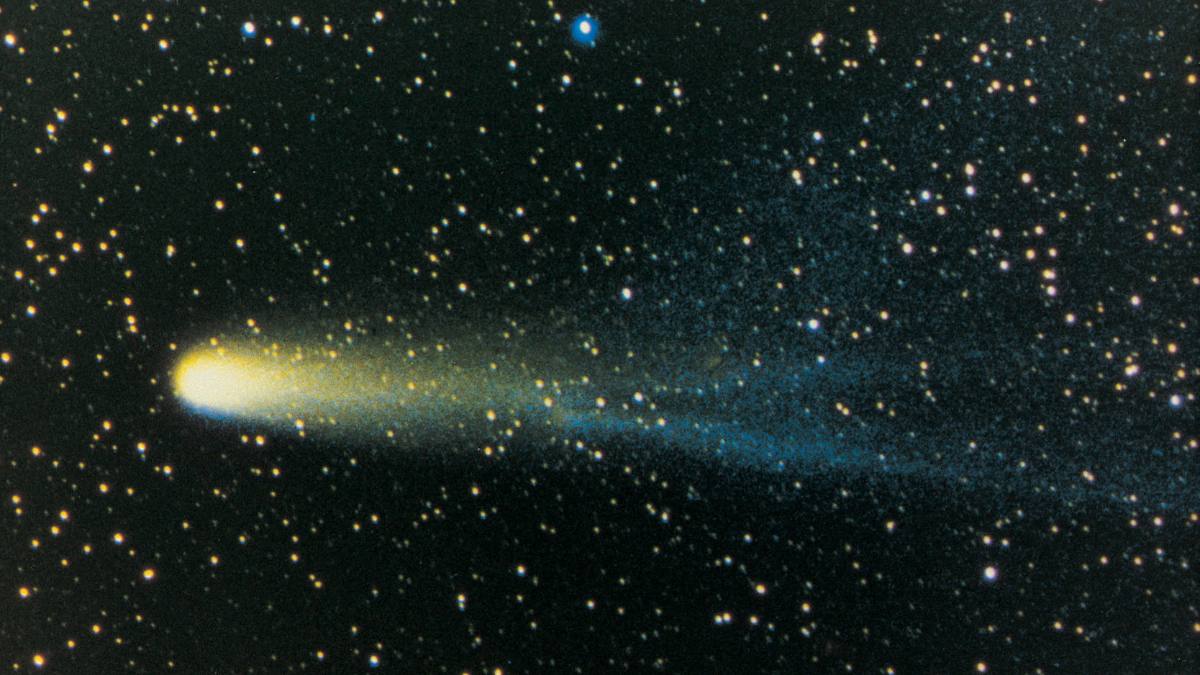
Halley’s Comet is still leaving its mark on our solar system as one of the most well-known celestial bodies or space rocks. September 26 marked the start of the annual Orionids meteor shower—an event caused by Halley’s Comet—and with the peak night a few weeks out, you’ll want to stargaze as much as possible. But does this mean that Halley’s comet is visible, too? Keep reading to learn more about the most famous comet, the meteor shower and the best tips for watching the event.
What is Halley’s Comet?
Halley is known as the most famous comet because it was the first time astronomers understood that comets could reappear in our sky. It was discovered by Edmond Halley in 1705 when he found similarities in the orbits of three comets, which he later concluded were the same comet.
The comet was last seen in 1986 and isn’t expected to return until 2061. According to NASA, this is because it has a regular 76-year journey around the Sun. It’s also a periodic comet because its orbital time is less than 200 years.

How is Halley’s Comet connected to the Orionids?

While Halley’s Comet won’t be visible for another 37 years, thanks to the comet, you can still witness the meteor shower or this year’s Orionids. Meteors or ‘shooting stars’ are small pieces of rocks or dust that burn up when they touch Earth’s atmosphere.
The Orionid meteor shower directly results from Halley’s Comet, as it is the dust and debris left in the solar system from the last sighting.
According to NASA, “Meteor showers occur annually or at regular intervals as the Earth passes through the trail of dusty debris left by a comet. Meteor showers are usually named after a star or constellation that is close to where the meteors appear in the sky.”
This meteor shower gets its name from the constellation Orion, located in different parts of the sky, depending on your location and the time of year. However, you’ll be able to witness the meteor shower from anywhere.
When is peak night for the Orionids?
The meteor shower began on September 26, 2024, and will run until November 22, 2024. This year’s peak night is overnight on October 20, 2024, through October 21, 2024. You can see the meteors at any point during these two months, but they’ll be the most visible on peak night.

According to the American Meteor Society, this means that on peak night, you’ll be able to see 20 shooting stars, if not more. The Orionids are a medium strength and can intensify depending on the year. It’s possible that the number of shooting stars can get up to between 50 and 75.
This year, a waning gibbous moon will accompany peak night, making it harder to see the shooting stars. It’s best to start looking for them as soon as it gets dark.

Tips for seeing the most Orionids

When it comes to viewing celestial events, NASA has a few essential pointers:
- Get as far away from light pollution as possible.
- Find a location with a clear, unblocked view of the sky.
- Viewing time is best in the late hours of the night.
- Dress appropriately for weather conditions.
- Bring something comfortable to sit on and be prepared to wait at least half an hour before seeing anything.
- Avoid using binoculars or a telescope as these reduce the amount of sky you’ll see.
- Put your phone away— the white light messes with night vision.
Conversation
All comments are subject to our Community Guidelines. Woman's World does not endorse the opinions and views shared by our readers in our comment sections. Our comments section is a place where readers can engage in healthy, productive, lively, and respectful discussions. Offensive language, hate speech, personal attacks, and/or defamatory statements are not permitted. Advertising or spam is also prohibited.