I Sailed the Mediterranean With Viking Cruises—and These Were My 6 Favorite Stops
I sailed with Viking through Greece and Türkiye, exploring ancient ruins, medieval cities and Istanbul's spectacular underground cistern

Key Takeaways
- My eight-day Viking cruise explored historic ports in Greece and Türkiye, from Athens to Troy.
- Ancient ruins, medieval fortresses and Ottoman treasures made every stop memorable.
- An Istanbul extension gave us time to explore Topkapı Palace and sample Turkish food.
Last April, my husband, Steve, and I boarded the Viking Vesta in Athens for Viking Ocean Cruises’ Ancient Mediterranean Treasures, an eight-day voyage through Greece and Türkiye that took us from Athens to Crete, Rhodes, Ephesus and Troy before ending in Istanbul.
The itinerary is a history lover’s dream: Greek temples, Roman cities, medieval fortresses and Ottoman palaces, with a new port waiting almost every morning. We added two extra nights in Istanbul at the end—and were very glad we did.
Here are the highlights.
Athens: Ancient treasures
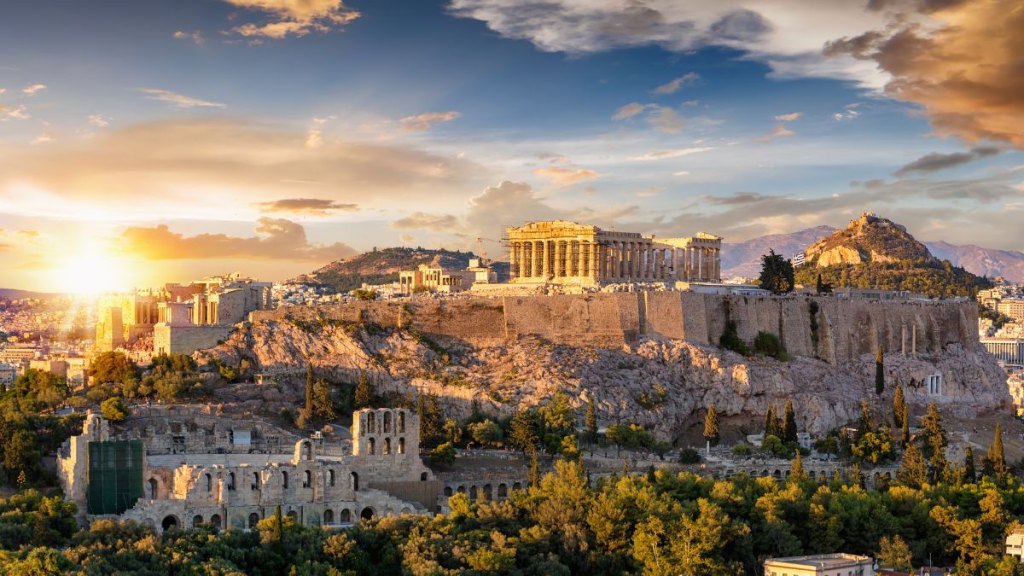
Our trip began in Athens, where the Acropolis and Parthenon rise above a sprawling modern city. But one of our favorite stops turned out to be at the bottom of the hill: the Acropolis Museum.
Our excursion took us through central Athens, past the Panathenaic Stadium, Syntagma Square and the Tomb of the Unknown Soldier, before ending at the museum. Inside are thousands of objects, including mammoth marble sculptures that once decorated the temples above. Seeing these figures at eye level—and looking through the museum’s enormous windows at the Acropolis looming over us—put the pieces together in a way photographs never could.
Parts of the museum floor are even transparent, revealing remains of an ancient Athenian neighborhood below. Afterward, we walked the cobblestone streets of the Plaka district before returning to the ship.
Crete: Historic monasteries
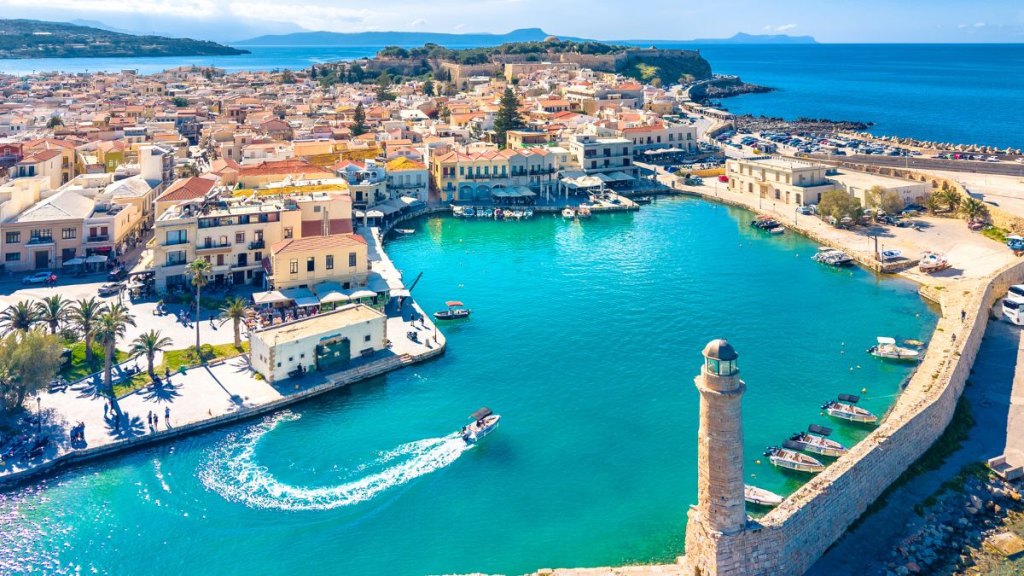
In Heraklion, we left the coast for the Cretan countryside and Kera Monastery, a fortified stone monastery on the northern slopes of Mount Dikti. We toured its church, saw Venetian-era frescoes and learned about the monastery’s role as a base for the Greek resistance during World War II.
From there, we continued into the Lasithi Plateau, passing open fields, mountain villages and some of the region’s famous windmills. In picturesque Tzermiado, we stopped for a traditional Cretan lunch.
Rhodes: Medieval marvels
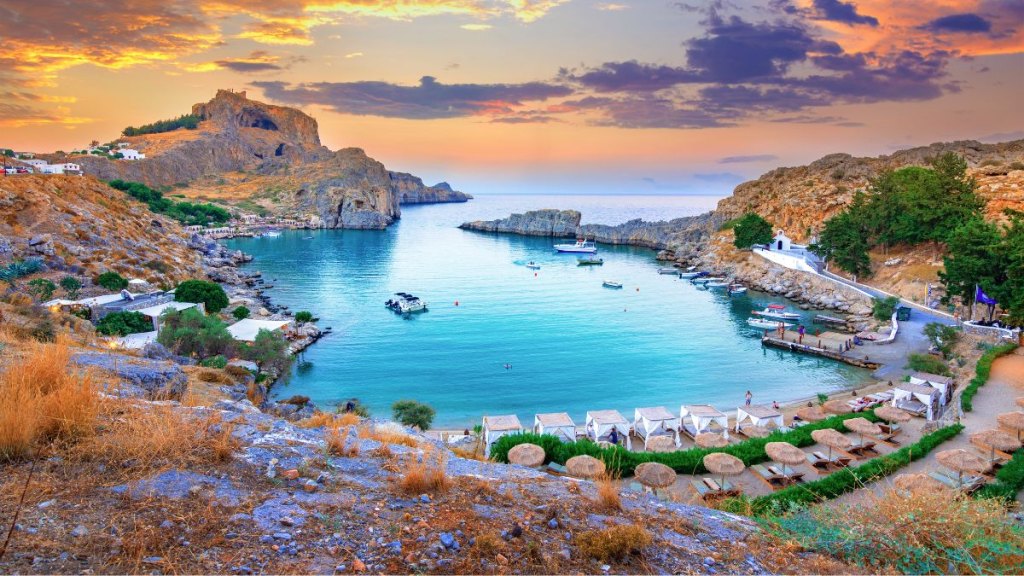
Rhodes offered a completely different period of history. The Knights of Saint John conquered the island in the 14th century, and much of their medieval city remains. We walked within its enormous stone fortifications, along cobbled lanes and past buildings dating back centuries.
Istanbul: East meets West
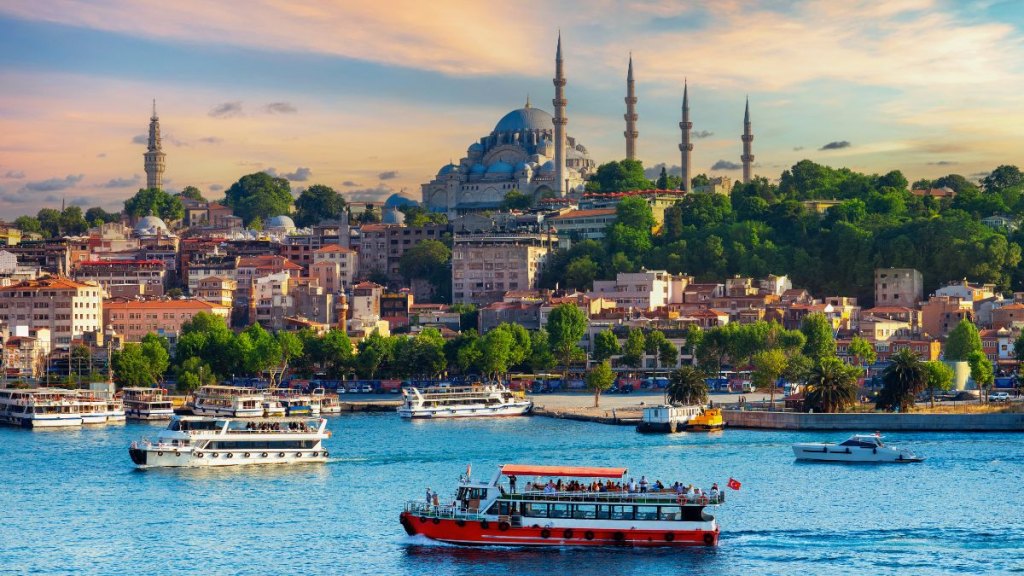
Our approach to Istanbul was part of the experience. As we sailed through the Bosphorus Strait, the narrow waterway separating Europe and Asia, East quite literally met West: One shore is European, the other Asian.
We added a two-night extension, which gave us time to explore a city that could easily fill an entire trip.
At Topkapı Palace, home to Ottoman sultans for four centuries, we toured lavish rooms and galleries filled with imperial treasures, including ornate garments worn by the royal family.
Then came the jewels. The famous Spoonmaker’s Diamond, an enormous pear-shaped diamond surrounded by smaller stones, is displayed in the Imperial Treasury. Nearby is the Topkapı Dagger, adorned with three massive emeralds.
We also took a walking food tour. Istanbul is a city to eat your way through: Markets, bakeries and food stalls offered an introduction to Turkish flavors while we explored its neighborhoods on foot. But our favorite part of the entire trip was underground.
Ephesus: The past preserved
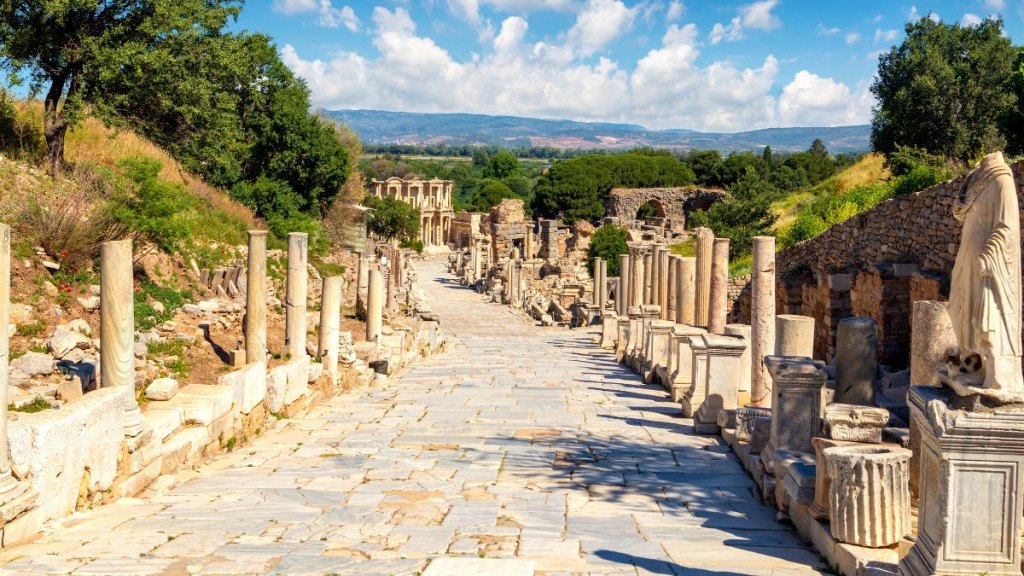
Our next stop in Türkiye was Ephesus, one of antiquity’s great cities. Our three-hour excursion began at the upper gate and followed a gently descending route along ancient Kuretes Street. We passed the second-century Temple of Hadrian and continued to the Library of Celsus (shown in the opening image on page 38), whose columned façade has become the signature image of Ephesus. Nearby, the Great Theatre once held 25,000 spectators.
The scale is what makes Ephesus impressive. Rather than viewing a handful of isolated ruins, you’re walking through the remains of streets, buildings and gathering places that formed an entire city.
Troy: Legends
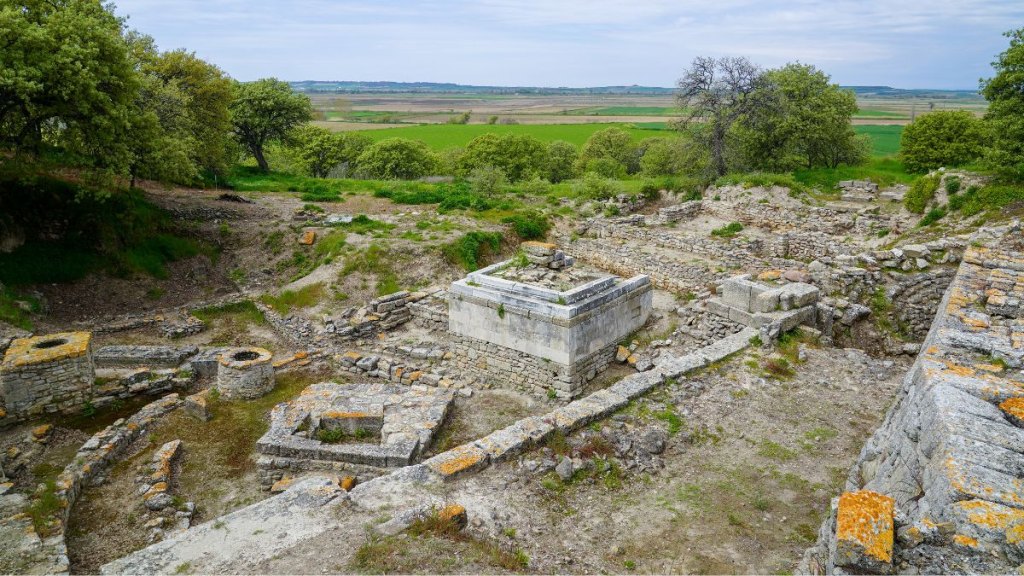
From Çanakkale, we traveled into Anatolia to the archaeological site of Troy, immortalized by Homer in The Iliad.
Excavations have revealed evidence of multiple settlements built on this site over thousands of years. We walked among the remaining structures while our guide explained Troy’s changing fortunes, from its ancient beginnings to the Roman Empire. And, of course, there’s the legend everyone comes knowing: Helen of Troy, the Trojan War and the wooden horse the Greeks supposedly used to enter the city.
We then returned to Çanakkale, where there was one more Trojan Horse waiting for us—this one from Hollywood. The enormous wooden horse used in the 2004 movie Troy, starring Brad Pitt, was donated to Çanakkale and now stands along the waterfront.
Our #1: The Basilica Cistern
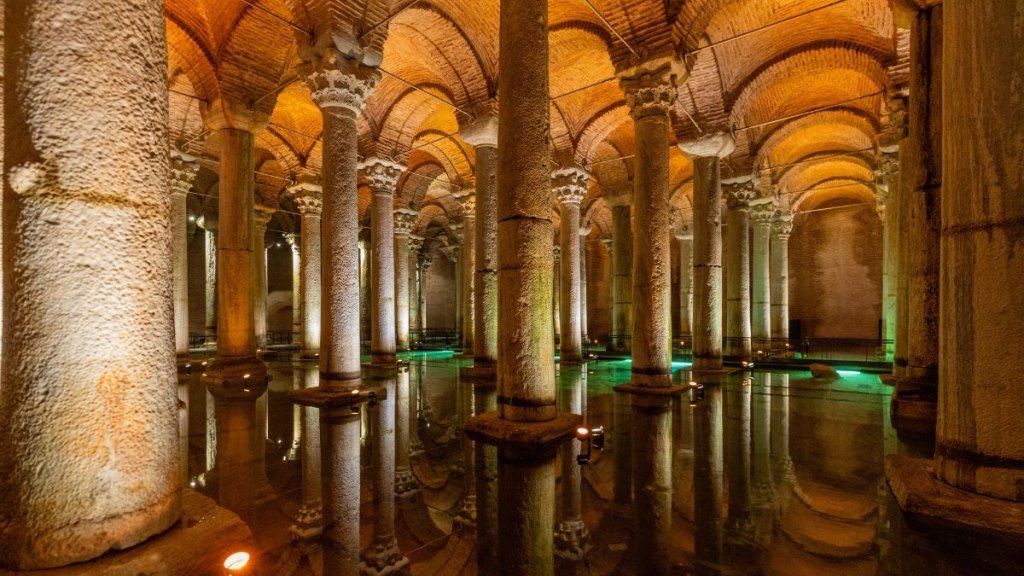
Not far from Hagia Sophia, we descended into the Basilica Cistern, a vast underground reservoir constructed in the sixth century that once stored water for Constantinople’s Great Palace.
The enormous chamber is supported by 336 marble columns, each roughly 30 feet tall. Water lies beneath them, reflecting the columns and lighting. It looks like the set of Raiders of the Lost Ark. Except it’s real. After a week of seeing treasures unearthed from ancient civilizations, we ended the journey standing inside one that had been hidden beneath a modern city.
It was spectacular.
Aboard Viking Vesta
The Viking Vesta was launched in 2025 and carries 998 guests, making it much smaller than today’s mega cruise ships. The décor is Scandinavian: pale woods, clean lines, comfortable seating and walls of windows. There are no casinos, waterslides or children aboard—Viking’s ocean cruises are adults-only—and the atmosphere is quiet and relaxed.
Three main dinner options gave us plenty of variety: The Restaurant, the main dining room; Manfredi’s Italian Restaurant; and The Chef’s Table, which serves a rotating multicourse tasting menu with wine pairings. One of our favorite parts of being aboard came after dinner.

Viking places a strong emphasis on enrichment tied to the destinations you’re visiting. Hearing experts explain the civilizations that created the temples and sites made for a fitting end to the day. The next morning, we’d go see another chapter.
A version of this article originally appeared in the November 2, 2026 print issue of Woman’s World.
Ready for more? Subscribe to our YouTube channel for video podcasts, health tips and uplifting stories designed for women 40, 50, 60 and beyond.
Conversation
All comments are subject to our Community Guidelines. Woman's World does not endorse the opinions and views shared by our readers in our comment sections. Our comments section is a place where readers can engage in healthy, productive, lively, and respectful discussions. Offensive language, hate speech, personal attacks, and/or defamatory statements are not permitted. Advertising or spam is also prohibited.