Life After Caregiving: Wife Dedicated to Caring for Husband Shares Her Journey of Healing & Purpose
Discover one former caregiver’s story of finding new purpose after 24 years—and expert tips for healing

The physical, mental and emotional fervor required to be a caregiver is widely understood, but how often do we think about being a caregiver who has retired or decided to take a break? Here, a former spousal caregiver shares her story of Parkinson’s disease intruding on her family, and life after caregiving.
Real-life caregiver: Edna Culp’s story of caring for her husband
Edna Culp’s husband was diagnosed with Parkinson’s disease in 2000, the tenth year of their marriage. Their daughters were two, six and eight years old at the time.
As the family dealt with the progressive loss of movement and coordination control, mood changes, low blood pressure, obsessive compulsive behavior and dementia, they surrounded themselves with a support system.
“It takes a village,” says Culp.
This included a primary care doctor, movement disorder specialist, physical therapist, occupational therapist, care managers, caregivers, the Parkinson’s Association of San Diego and PMD Alliance.
“This is so important because I was not just a wife but also a mother, a sister and an employee,” Culp recalls.

The beginning of most marriages is a 50/50 partnership, but when one person gets sick, the other takes on more and it becomes 70/30, 80/20, and as the disease gets closer to the end stage, the spousal caregiver takes on 100 percent, Culp explains.
“This means that you also become a single Mom, main provider, and caregiver to your sick spouse,” she says. “For me, it meant having to take on two or three jobs to provide for the basic needs of my family, support my three girls through college, and pay for in-home caregivers to care for my husband while I go to work. At night, I am the caregiver which means that I have to get up three to four times to turn him and change his incontinent briefs. Then, go to work in the morning and do it all over again. If I get four hours of sleep at night, I am lucky. I am also the caregiver on weekends because I cannot afford to pay more for caregivers. We did this for years.”
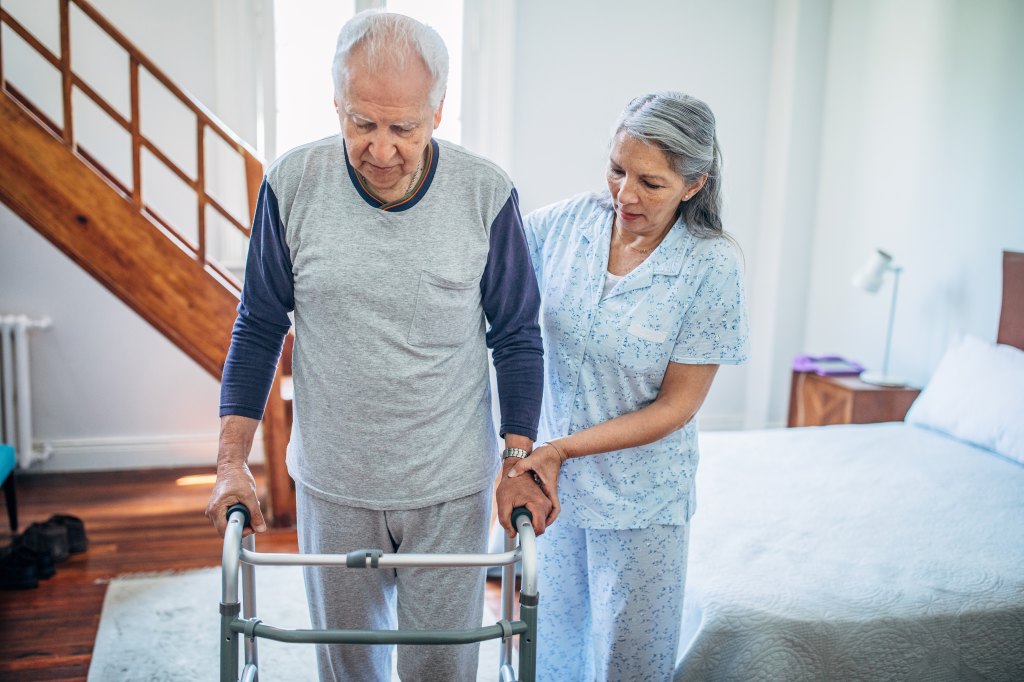
For their daughters, it meant growing up in a household where “Parkinson’s is everywhere and present in everything we do,” she adds. This became the new normal, and Culp’s husband was included in all family activities until he could not do it anymore physically, she says.
Culp’s husband would have hallucinations that caused him to be very scared, appearing like he is fighting with someone or something with obvious fear in his eyes, she recalls. At times, he was able to verbalize what was frightening him. These episodes happened both during the day and night. He had become miserable, sleep deprived and the family was “troubled and chaotic,” Culp says.

While attending a Parkinson’s conference one day, Culp shared her husband’s condition, and a lady recommended she talk to the Acadia Pharmaceuticals representative present at the event. She did, and she learned about Nuplazid, a medication that treated her husband’s hallucinations, she says. It helped to bring back peace and quiet to the household (especially in the middle of the night), and calmed the fears in the hearts of their girls.
“He was physically present, but the girls missed out on growing up with a strong father figure,” Culp says. “And, what about role reversal? My youngest daughter had to take away the car keys when one day he wanted to go drive to the store. What was life like? It was just surviving every day.”
Culp’s life after caring for her husband
Culp was 36 years old when her husband was diagnosed with Parkinson’s disease, and he passed away when she turned 60. At this point, she was exhausted, depleted, lonely, at times angry, resentful and maybe even full of “self-pity,” she says. She found herself wondering: “He was the one sick, but what happened to my life?”
Over the course of those 24 years, she passed up countless career advancement opportunities, she says. Still, she remembered to look for blessings to keep herself going.
“I relish the joy seeing the girls succeed and become beautiful young women despite the losses and circumstances of their growing up,” she says. “That was my reward.”
It has been one year and 10 months since Culp’s husband passed, and she misses him every day. There are also daily life changes that are hard to get accustomed to. When her husband was sick but alive, Culp was still a married wife. She says she felt numb the first time she had to check a box labeled “widow.” There’s a deafening silence when she enters their home. There’s guilt related to feeling relieved that his suffering is over, and that she is now free of the “back-breaking physical demands of caregiving.”

The identity of being a caregiver vanished, she says, and the question of whether she could have done more nagged. About the same time, she became an empty nester. Just when she was ready to finally be a full time Mom, her girls grew up, and she realized that they missed out on so much as a family.
Now, Culp continues to run a support group for those caring for sick spouses. Many times, she has arrived at the decision to step down since she is not a spousal caregiver anymore, she admits. Each time she readies herself to announce it to the group, though, she gets a phone call or an email from another spousal caregiver frantically reaching out because the demands of the role and journey are too much to bear alone, she says.
“I thought and asked myself: ‘How many people are on their deathbed and never figured out their purpose in life or one of their purposes in life?’ Then, I feel lucky that I identified and believed that this has become my purpose in life. After 23 years of spousal caregiving, learning caregiving skills, knowing community resources, having the heart to connect with others caring for sick spouses, facilitating caregiver support groups, knowing what it was like to be in the trenches of caregiving, then I know that I can’t let all these go to waste.”
She was a caregiver “out of love, responsibility and obligation” when she cared for her husband, Culp says. Now, she is a caregiver to her community and those who will need her, because it has become a service and ministry for life.
The challenges of life after caregiving
Mental health experts agree that there are a range of emotions at play both during and after life as a caregiver.
“The shift in a routine away from caregiving can create a significant amount of emotional dissonance, leading to feelings of guilt, worry and even sadness,” explains Patty Johnson, PsyD, Owner and Clinical Psychologist at Nia Integrative Healing. She has worked with in-home caregivers and those supporting loved ones in long-term nursing facilities.
“Even if caregiving took a mental and emotional toll, it is an important responsibility and one that creates a sense of being needed. Therefore, a sense of emptiness may set in as well.”
It can also be trying to shift away from the caregiving role, even in a physical sense, because the unpredictable role of caregiving took up so much space in a person’s life, she adds.
“Many in a caregiving role feel they are on call, so their nervous systems are revved up for any given emergency or urgent schedule shift.”
How to cope with caregiver burnout
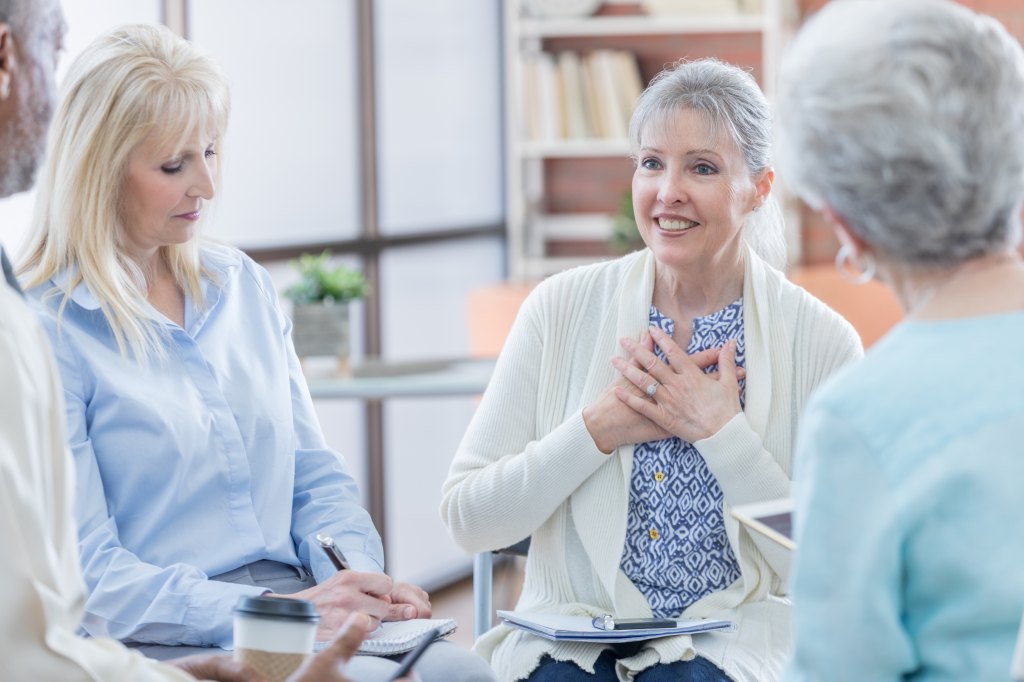
Reprogramming to treat caring for yourself as more of a priority after caregiving requires time, intention and dedication, says Johnson. The first step in nurturing oneself is to reverse that perpetual need to be on standby, she explains, so the mind can soothe itself and accept that there is nothing that needs immediate attention.
“Techniques toward shifting in this direction are focused around creating affirmations as reminders that it is now alright to relax,” Johnson offers. “Meditation, breath work and exercise can be a nice pairing with affirmations to re-engage both mind and body into a more relaxed state.”
You might also decide to engage in an activity that you haven’t done in quite some time, take a group class which may encourage a routine around self-care, attend therapy to address any strong emotions that may arise from the shift away from caregiving and in transitioning into a different lifestyle, she says.
Caregivers are also particularly susceptible to burnout, says Emily Guarnotta, Psy.D, psychologist and owner of Phoenix Health. This is why one productive measure during a transition is to take a step back and assess whether you are experiencing or close to burnout, she advises.

“You will also want to find activities and hobbies that bring you pleasure and joy and help counteract the stress of your previous role,” Guarnotta explains. “For example, taking a yoga class, joining a book club or gardening can be good ways to enhance your quality of life.”
Additionally, caregivers typically derive a strong sense of purpose from what they do, so it’s important to find another source of purpose in your life after giving, she says. This can be anything from volunteering for a charity to connecting with your faith.
Conversation
All comments are subject to our Community Guidelines. Woman's World does not endorse the opinions and views shared by our readers in our comment sections. Our comments section is a place where readers can engage in healthy, productive, lively, and respectful discussions. Offensive language, hate speech, personal attacks, and/or defamatory statements are not permitted. Advertising or spam is also prohibited.