Helpful Tricks to Improve Your Credit Score Quickly and Save Thousands of Dollars
Learn the simple techniques that experts say can have you seeing your credit score go up in no time

Soaring interest rates mean that you’re likely paying more in loans and credit card interest. But you can lower those fees, saving hundreds or even thousands of dollars, simply by having a higher credit score. You don’t even need to wait years to raise it! Depending on your credit history, your score can jump as much as 100 points in just a few months—you could even see improvement as soon as today. Here are easy ways to boost your credit score
How to check your credit score
Raising your credit score makes banks more likely to approve you for a mortgage, car loan or credit card. Plus, you could qualify for a lower interest rate that saves you thousands of dollars.
Getting started is simple: Check your current score at the three major credit reporting bureaus for free. For TransUnion and Equifax, sign up at CreditKarma.com, and for Experian, go to Experian.com. You can also log on to your credit card’s website — many offer the information at no charge. Then use these pro tips to raise your score in no time at all!
Tricks to improve your credit score
Check for errors
In a Consumer Reports survey of nearly 6,000 folks, 34 percent found at least one error on their credit report, such as a credit card account that wasn’t theirs. Unfortunately, mistakes can keep your credit score low and your loan or credit card interest high.
That’s because credit bureaus use the information in your credit report to assess your credit score, then lenders use that number to decide whether to approve a loan and how much interest they’ll charge. The higher your credit score, the more creditworthy you appear and the more likely you are to receive a line of credit and get offered lower interest.
Simply request a free credit report from each of the three credit reporting bureaus, Equifax, Experian, and TransUnion; just log on to AnnualCreditReport.com or call 877-322- 8228. If you spot a mistake, you can fill out a dispute form for free at Equifax.com, Experian.com, or TransUnion.com.

Pay overdue medical bills
Believe it or not, your credit score may be about to rise all on its own! Thanks to recent changes in debt reporting, medical bills that went into collections will now get erased from credit reports once they’ve been paid rather than staying on your report for seven years.
This means that all overdue medical debt of less than $500 won’t ever end up on your credit report. This is a big deal since payment histories make up the biggest portion of your credit report — 35 percent — so fewer late payments drive up your credit score.
Use a certain payment option
Love the convenience of the new “buy now, pay later” (BNPL) option offered by many businesses (like Expedia.com, Overstock.com, and Walmart.com) that allows you to split the cost of purchases into four to six payments without added interest?
Here’s another reason to use it: Two credit reporting bureaus, Equifax and Experian, are now counting BNPL purchases toward your credit score. And TransUnion will likely follow. This means that your on-time BNPL payments will improve your payment history on your credit report. Plus, because BNPL is short-term financing, it shows lenders that you’re capable of handling different types of credit responsibly, which makes up 10 percent of your credit score.
Choose this line of credit
If your TransUnion score is 619 or below, consider using Credit Karma Money’s free Credit Builder tool to help raise it, says Courtney Alev, consumer financial advocate at Credit Karma. You can expect a spike of 17 points on average in your TransUnion score in as few as three days. Just follow four easy steps:
- Open a free checking account
Visit CreditKarma.com/ck-money/checking to sign up for the Credit Karma Money Spend checking account—you’ll be able to link it to a bank account to fund it.
- Enroll in Credit Builder
At CreditKarma.com/credit-builder, sign up for a $500 line of credit that’s reported to TransUnion like a credit card. Instead of giving you the money to spend, Credit Karma sets it aside for you in a locked savings account.
- Make monthly payments
Use the money in the account to pay back the credit line, starting with as little as $20 a month. It’s like giving yourself a loan, then paying it off in installments. The benefit is that Credit Karma reports each payment to TransUnion, building positive credit history fast.
- Unlock your savings
Once you’ve repaid the $500, Credit Karma deposits this money into your Spend account, giving you full access to it. So not only do you increase your credit score but you end up saving $500!
Avoid scams
Get an email from a company that promises to raise your credit score for a fee? While there are legitimate businesses that offer to help repair your credit, some are scammers posing as credit repair companies, hoping to take your cash and then do nothing for you. Warning signs include: asking you for an upfront fee (by law, credit repair companies can’t ask for payment before services are rendered) and promising results (it’s illegal for these businesses to guarantee outcomes).

Share your good news
If you experienced an increase in income, report it to your banks and credit card lenders by updating your online account profile on their websites or by giving them a call. Sharing your higher income raises the likelihood that you’ll qualify for a higher credit limit on your current credit cards automatically or when you call and request it.
That’s key since this improves your credit utilization, which is the ratio of debt to available credit that you carry — a factor that impacts 30 percent of your credit score. When you have lower debt compared to available credit, your credit score rises.
Use all your credit cards
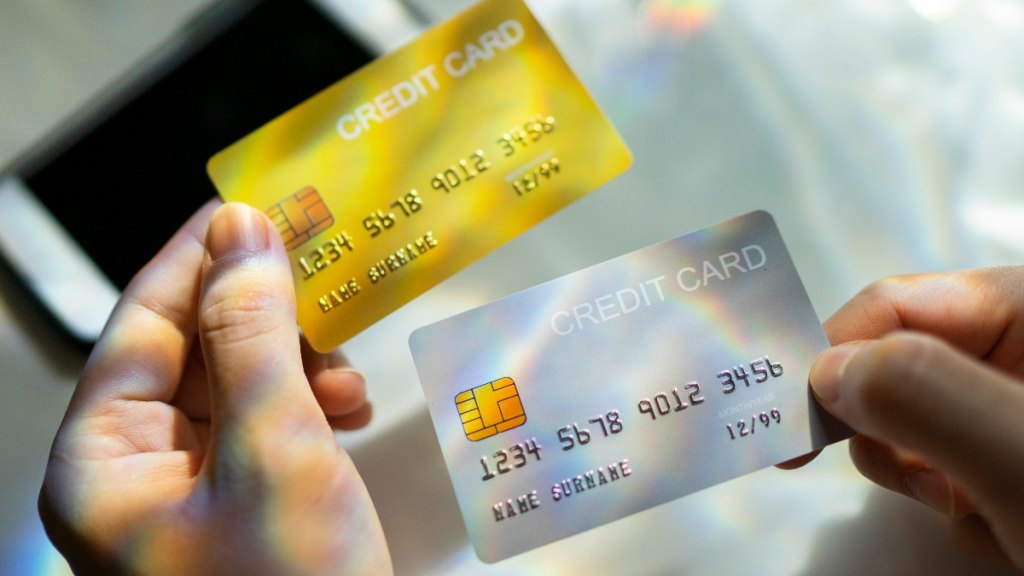

About one in four credit cards sits unused, often because other cards earn you better rewards. But putting idle accounts to work can raise your score. “Credit reporting bureaus ignore cards that haven’t had activity for 6 to 12 months,” explains Griffin. When that happens, your total available credit looks smaller than it really is, which can hurt your score.
That’s because credit scores factor in your credit utilization—the ratio of how much you owe versus the total credit you have. If your reported credit limits drop but your balances don’t, it makes that ratio less favorable.
By reactivating a dormant card with a small recurring charge (say, a monthly pedicure) and paying it off each month, the card gets factored in again, says Griffin. This makes your available credit higher, triggering a recalculation that can increase your credit score in 30 to 60 days.
A version of this article originally appeared in our print magazine, Woman’s World.
Conversation
All comments are subject to our Community Guidelines. Woman's World does not endorse the opinions and views shared by our readers in our comment sections. Our comments section is a place where readers can engage in healthy, productive, lively, and respectful discussions. Offensive language, hate speech, personal attacks, and/or defamatory statements are not permitted. Advertising or spam is also prohibited.