What to Do If You Made a Mistake on Your Taxes, According to a Top Financial Pro
Don't let a tax filing error derail your finances. Here's how to fix slip-ups quickly and get back on track

Key Takeaways
- If you find a tax error, use Form 1040X to file an amended return and fix the mistake.
- The IRS generally has a three-year limit to audit or challenge a filed tax return.
- Addressing errors early can help you avoid compounding interest and expensive penalties.
Tax season can be stressful. Between tracking down every W-2 and 1099, decoding deductions and credits and making sure it’s all submitted by the April 15 deadline, it can be a lot. Add in the fear of owing more than you can afford, scam worries and refund delays and tax season can feel like a neverending marathon! In fact, some people find it so overwhelming that oftentimes they end up with a mistake or two on their tax return and don’t even realize it until the Internal Revenue Service (IRS) reaches out and tells them about it. This can lead to more worries over what to do and how to fix it. To help take some of the stress out of the season, we spoke to a top financial expert who shared what to do if you made a mistake on your taxes and how you can fix it. Read on for more.
What happens if I make a mistake on my taxes?
If you make a mistake on your taxes, in most cases the IRS will send you a letter explaining what happened, so you can fix it.
“If you realize you made a mistake on your federal 1040 tax return, it’s important not to ignore it. Taxes have a significant impact on your broader financial picture, and even small errors can have downstream implications,” says Eric Bronnenkant, CPA, head of tax at Edelman Financial Engines.
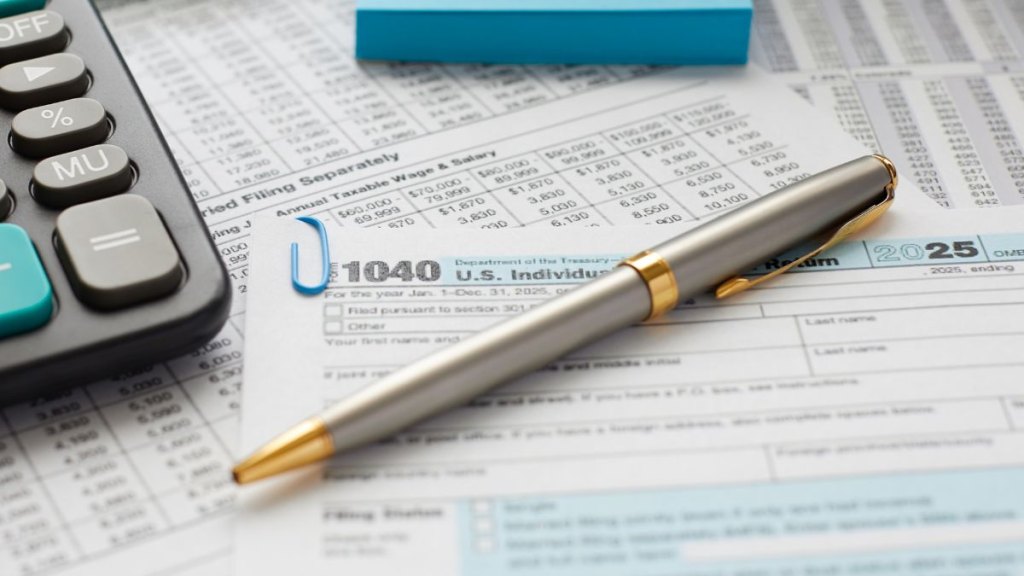
Some of the more common mistakes on tax returns include omitting income, overstating deductions and claiming tax credits you’re not entitled to. Other mistakes include messing up your salary, not reporting an address change or not filing under the correct state.
“To minimize the likelihood of unreported income, the IRS has an online portal where taxpayers can see all the income, before they file their tax return, that has been reported to the IRS on their behalf,” Bronnenkant says. “Deductions and credits should be thoroughly evaluated to ensure compliance with the tax law.”
Can I refile my taxes if I made a mistake?
If you make a mistake on your taxes, the short answer is that you can and should refile to avoid any financial issues.
“In most cases, the right next step is to work with a qualified tax professional who can help you review what happened and determine the appropriate way to correct it using an amended tax return Form 1040X. They can help ensure everything is handled properly and in line with current tax law,” Bronnenkant says, adding, “Since the 2019 tax year, federal amended tax returns can be electronically filed. This is a breath of fresh air after standing in line at the post office to physically mail the tax returns previously.”
He also notes that “the IRS generally has a three-year limit to audit/challenge what is on a tax return.”
“Tax mistakes can happen, particularly as financial situations evolve. What matters most is how you respond,” Bronnenkant continues. “Addressing the issue can help ensure you avoid potential consequences such as penalty, audit, reduced refund or higher tax bill.”
Of course, you can also address the issues on your own, but if you do it’s important that you double check everything to make sure that it’s mistake-free.

What happens if I don’t fix the mistake?
If you filed your taxes and made a mistake, you could always choose to ignore it, but Bronnenkant warns that doing so could lead to long-term repercussions.
“Leaving a tax mistake unaddressed can create complications as interest and penalties can compound quickly over time,” he says. “Since taxes are closely tied to your overall financial strategy, resolving issues early can help you avoid unnecessary stress and keep your plan on track.”
“If a mistake happened where tax was overpaid, the IRS will not be upset if it is never corrected. Generally, there is a 3-year statute of limitations on claiming a refund. If a mistake happened where not enough tax was paid, there can be interest/penalties for being assessed and paying late,” Bronnenkant continues. “The IRS is typically more flexible if the taxpayer identifies and corrects the mistake on their own—rather than waiting for an IRS notice.”

What to do if you can’t afford to pay your taxes
If you fix your mistake and learn that you owe the IRS money, there are programs that can help you cover the cost.


“The IRS has payment plan options which allow you to pay over time,”says Bronnenkant. “The plans do come with interest and fees, but these are usually much less than other unsecured loan options. If you are already on one payment plan, the IRS does not typically allow you to be on a second payment plan at the same time,” he explains. “However, the IRS may allow someone to consolidate a new tax debt with an existing payment plan. Thoughtful planning and working with an expert can help you manage current obligations while staying focused on long-term financial stability.”
Ready for more? Subscribe to our YouTube channel for video podcasts, health tips and uplifting stories designed for women 40, 50, 60 and beyond.
Conversation
All comments are subject to our Community Guidelines. Woman's World does not endorse the opinions and views shared by our readers in our comment sections. Our comments section is a place where readers can engage in healthy, productive, lively, and respectful discussions. Offensive language, hate speech, personal attacks, and/or defamatory statements are not permitted. Advertising or spam is also prohibited.