‘I Felt Whole Again’: The Scuba Diving Hero Helping Wounded Veterans Find Healing Underwater
Adaptive scuba diving is helping veterans with PTSD and injuries feel free and confident again

Key Takeaways
- Recreational therapist Charley Wright founded LifeWaters to teach vets how to scuba dive.
- The adaptive underwater program helps wounded heroes reduce pain, anxiety, and PTSD.
- LifeWaters has grown into a volunteer network providing free gear and dive trips.
For VA recreational therapist Charley Wright, healing doesn’t always take place in the clinic. Sometimes it happens on a boat, where Charley and a growing network of volunteer divers help countless veterans and wounded warriors rediscover peace, joy and healing underwater. Here, he shares his story with Woman’s World.
“Would you like to go scuba diving?” Charley Wright asked Phil, a quadriplegic in the spinal cord unit of the Arizona hospital where Charley worked.
“Are you kidding me?” asked Phil.
“No, I’m not,” Charley said, and then he explained exactly how it could work.

Charley had recently graduated as a recreational therapist. But he also had another passion — scuba diving — and he’d followed that passion all the way to becoming a fully-certified dive instructor. It wasn’t long before the two worlds began to merge.
It began when a friend of a friend told Charley about his son, Nello Tanner, who has Down syndrome.
“He’s always been fascinated by sharks,” Nello’s dad explained. “It’s always been his dream to do a shark dive.”
“Let’s make that happen,” Charley offered without hesitation.
A Phoenix dive shop opened their facilities to Charley, and he began training Nello and his parents to receive a dive certification, so they could visit the undersea world anytime.
“This is a dream come true,” Nello said, after spending a few days diving with gentle nurse sharks on a dive trip he took with his parents.
Nello’s excitement lit a fire under Charley. He couldn’t wait to offer underwater freedoms to others who never imagined it to be possible for them.
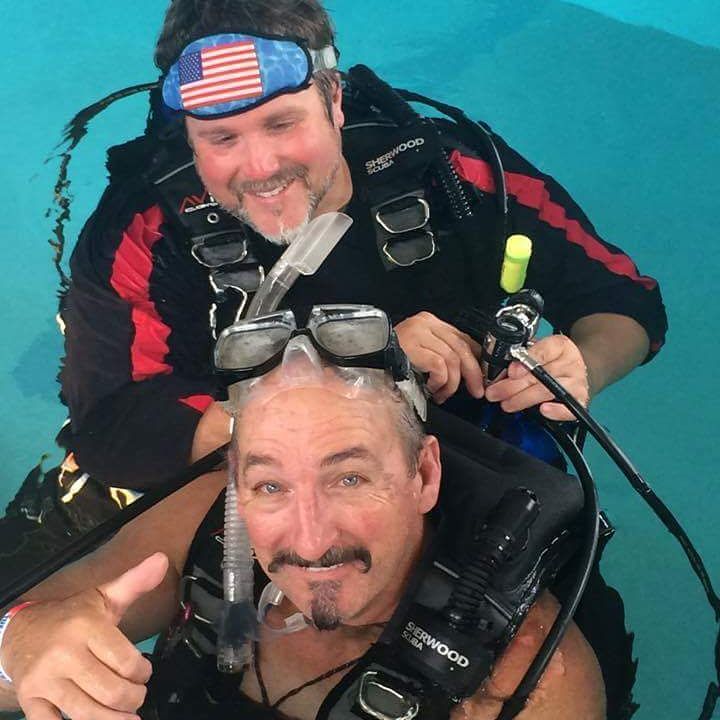
A new dream
Now, for Phil, Charley knew he would need a team of dive buddies with medical expertise. He recruited therapists, doctors and nurses — and certified all of them to dive.
Then, the entire group headed to Mexico, where Charley and the others gently lowered Phil into the water for several sessions amid a group of playful harbor seals.
When they hoisted Phil back onto the boat his face was radiant. “I felt more relaxed than I have in years,” he said. “The whole dive was incredible!”
Soon after, Charley moved to St. Louis to work as a VA recreational therapist. He also brought along his dive equipment, and soon, he was setting up a nonprofit, LifeWaters, and used his credit card to buy enough equipment to get his foundation off the ground.
The VA allowed Charley to use their therapeutic pool to offer lessons to veterans with injuries and PTSD. He also trained their family members so they could continue adaptive diving together using borrowed LifeWaters gear.
“No words can describe how much freedom there is below the waves,” says USMC paraplegic Hack Albertson. And many others echo his sentiment.
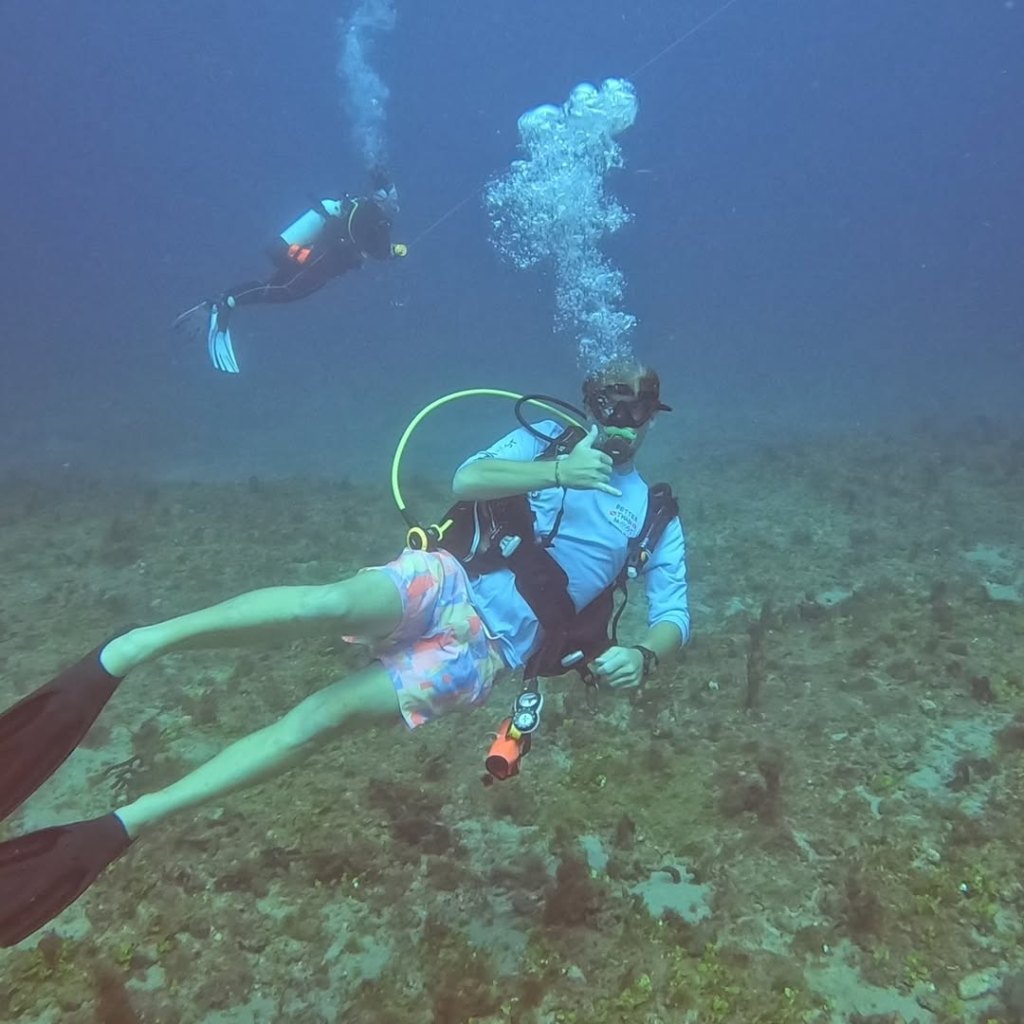

Hope restored underwater

Today, LifeWaters has grown into a coast-to-coast network of volunteer instructors and dive buddies, along with an entire building full of equipment that divers and their families can borrow.
Charley even created the Hero Dive Project for persons with ALS. “Getting back in the water keeps me going,” says Air Force veteran Bill Chase. “I feel like my old self again under the water.”
According to Charley, the weightless underwater world offers a fun escape from daily struggles and a chance to feel whole again.
“It helps reduce anxiety, depression and pain while boosting self-confidence and social connection,” he says. “We focus on abilities and work around the limitations. It’s a real joy using something I love as much as scuba diving to help so many others.”
Conversation
All comments are subject to our Community Guidelines. Woman's World does not endorse the opinions and views shared by our readers in our comment sections. Our comments section is a place where readers can engage in healthy, productive, lively, and respectful discussions. Offensive language, hate speech, personal attacks, and/or defamatory statements are not permitted. Advertising or spam is also prohibited.