A Frightened German Shepherd Changed One Man’s Life—and Helped Heal Traumatized K9s
A terrified former police dog helped one man discover healing, hope and a new purpose

Key Takeaways
- A "dangerous" German shepherd was saved from being put down by a researcher's compassion.
- Heroic K9 veterans can suffer from PTSD just like humans, requiring specialized love and care.
- Saving a traumatized dog helped Jim LaMonte overcome his own struggle with severe anxiety.
When Jim LaMonte saw a German shepherd named Dakota pacing in panic, he decided to help the traumatized dog. But simply opening the door to his kennel also opened Jim’s heart to healing. Here, he shares his story with Woman’s World.
After meeting Dakota, Jim LaMonte knew he needed to help K9s with PTSD.
The German shepherd named Dakota paced frantically in the back of the squad car. He was barking so loudly that his whole body shook.
He growled when anyone stepped near him, and his legs trembled in utter fear.

“Either you take him or he’s going to have to be put down,” the deputy told Jim LaMonte, a Wheaton College researcher studying positive reinforcement training for military and law enforcement dogs.
Jim’s heart broke as he watched the struggle happening inside the traumatized shepherd. The minute he looked into Dakota’s frightened eyes, he knew he couldn’t turn him away.
I have to do whatever I can to help this poor dog, Jim thought as he realized he wouldn’t be able to get Dakota out of his mind if he chose to leave him.
“Bring him in,” he said, already opening the kennel door.
Dakota had served for two years in the Czech Republic, where he was exposed to flash grenades and the relentless stress of combat. Later, as a K9 officer, he’d been thrown through a window — his leg was slashed and it had taken months to heal. He was no longer able to work because he was terrified of everything and everyone.
Dakota circled inside his kennel constantly. He soiled himself regularly, and rarely slept or laid down.
Most people saw a dangerous dog. Jim saw a wounded warrior.
“Is it possible for a dog to suffer from PTSD?” he asked a faculty advisor.
“I don’t know,” she replied, but Jim was determined to find out.
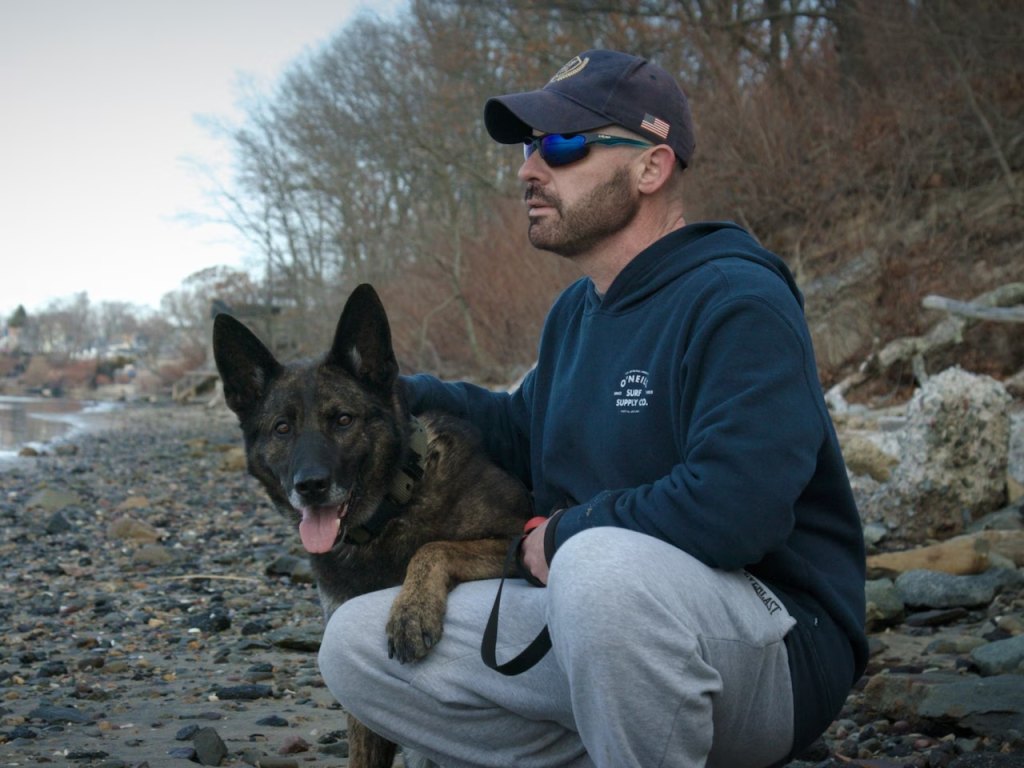
A journey to love
Jim knew Dakota’s healing wouldn’t come from force or training — it would only come from patience and love. So the first thing he did was remove Dakota’s work collar and harness and change his diet—outward symbols that it was time for a bigger change.
“You ready, boy?” he asked gently every two hours when he and Dakota prepared for a walk through nearby woods. Jim didn’t direct the walk — he let Dakota investigate and explore.
He didn’t demand obedience. He knew Dakota’s behavior was a symptom of prolonged stress. Instead, Jim offered Dakota something he hadn’t had in years — the chance to just be a dog.
Slowly, something shifted. Their walks grew longer and they started jogging. Dakota stood calmly waiting whenever Jim approached with his walking leash. Then, one morning, Jim’s heart did a happy somersault when Dakota didn’t have any accidents in his kennel overnight.
We’re both healing, Jim thought, because Jim, too, carried invisible wounds—severe anxiety and agoraphobia. But with Dakota depending on him, Jim had to step outside, breathe the fresh air and face the world.
How can I expect him to face his demons if I can’t face mine? he understood.
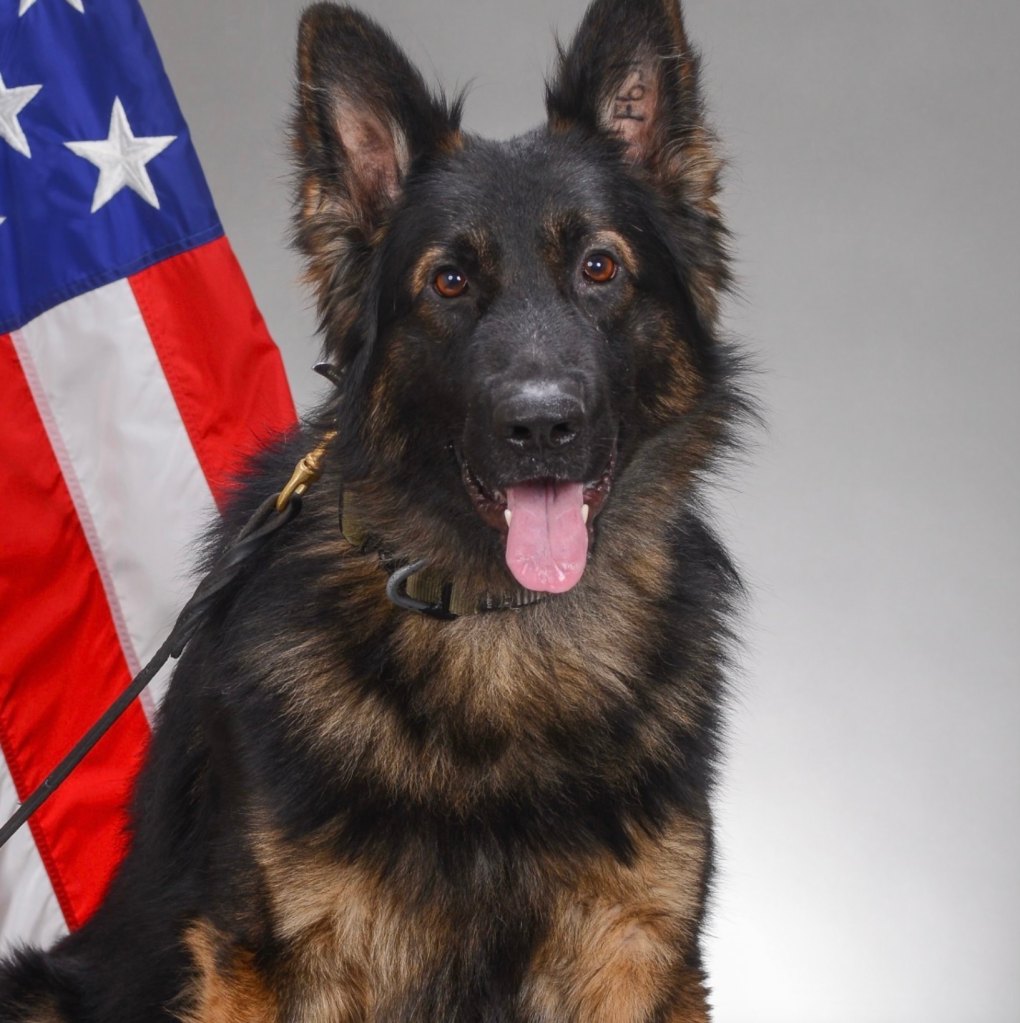
Forever friends
It took nearly eight months, but one morning, it happened…
Jim opened Dakota’s kennel door, and he trotted right out, stretched, then lay down and rolled onto his back for a belly rub. Jim’s eyes filled with tears.
We’re going to make it…both of us, he marveled.
Dakota’s transformation didn’t just save his life. It also gave Jim a new sense of purpose. Instead of just working on training military and police dogs, Jim quickly shifted his research.
I’m going to start studying how to recognize PTSD in K9s, and develop treatment protocols to help our wounded four-legged veterans, he thought as he defined his new mission.

Soon, another traumatized dog, K9 Dex, arrived after spending most of his life serving in both the military and the Indiana police. Jim used the same gentle, patient methods to help this dog understand that he could relax, and show him that his days of fighting were over.

Jim decided to start an official center, where he now cares for 16 traumatized pup veterans at the K9 PTSD Research Center. He also teaches trainers and handlers across the country to recognize the signs of PTSD in police and military dogs.
Dakota spent his remaining years exuberantly chasing balls and riding shotgun with Jim around their Massachusetts town, running errands and living the carefree life he’d been denied for so long.
“If a dog ends his service with an injured hip, we spare no expense to treat the injury. We need to show the same compassion and dedication to treating their emotional injuries as well,” says Jim.
Thanks to Jim and Dakota, countless other K9 warriors will get the chance to rest, recover and rediscover the simple joys of being a dog.
Conversation
All comments are subject to our Community Guidelines. Woman's World does not endorse the opinions and views shared by our readers in our comment sections. Our comments section is a place where readers can engage in healthy, productive, lively, and respectful discussions. Offensive language, hate speech, personal attacks, and/or defamatory statements are not permitted. Advertising or spam is also prohibited.