Widowed Twice by 31, She Founded a Global Sisterhood of Widows Helping Widows: ‘No One Should Walk This Road Alone’
After losing two husbands, Rachel Faulkner Brown now helps widows find faith, healing and hope

Key Takeaways
- Rachel Faulkner Brown survived losing two husbands by age 31, turning pain into a mission.
- Her nonprofit, Never Alone Widows, connects grieving women globally for community healing.
- Shifting from "Why me?" to "Who can I help?" can powerfully unlock your path to healing.
Rachel Faulkner Brown had lost two husbands by age 31. First at 23, then again while raising two young children. For years, she asked herself why. But when a friend invited her to pray over nine grieving widows in Birmingham, Alabama, everything changed. Rachel finally understood that her pain had a purpose.
Today, her nonprofit Never Alone Widows has helped thousands of women discover that healing begins when you realize you’re not going through hardship all by yourself.
A widow on a mission
Rachel’s work helping the grieving began when, in 2018, her friend Suzanne Owens couldn’t stop thinking about nine widows she’d met in her Birmingham community. She knew her friend understood a widow’s grief in ways few others could.
“Rachel, my heart is breaking for these women,” Suzanne told her. “I want to help them, but I can’t give them what they need—someone who truly understands. Would you come share your story and pray with them?”
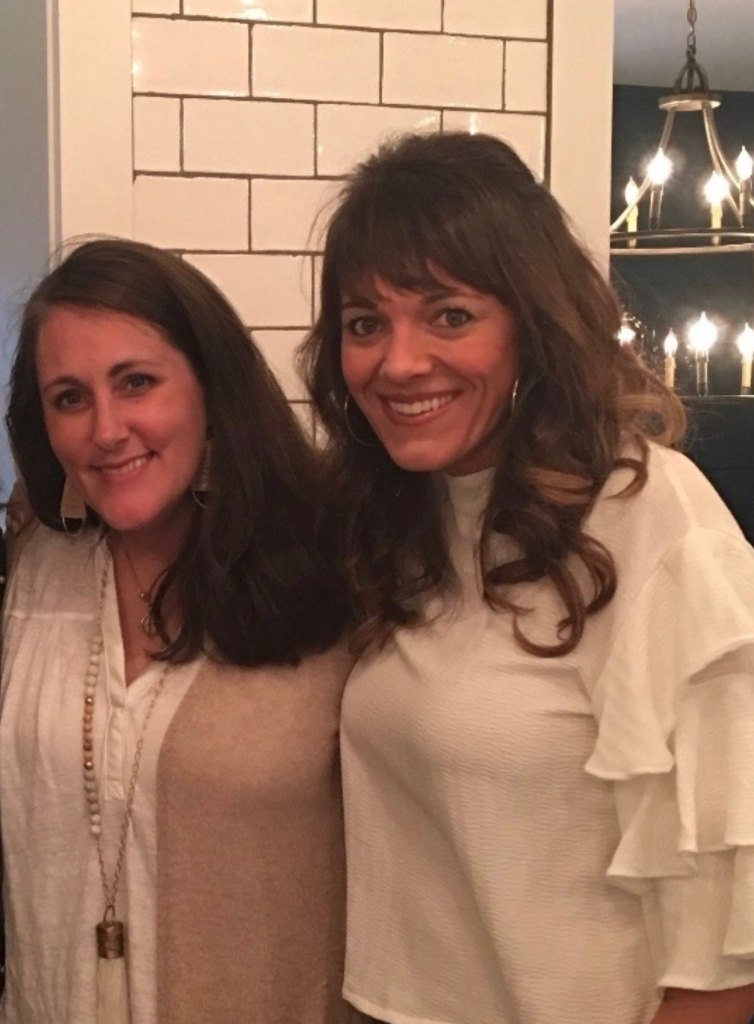
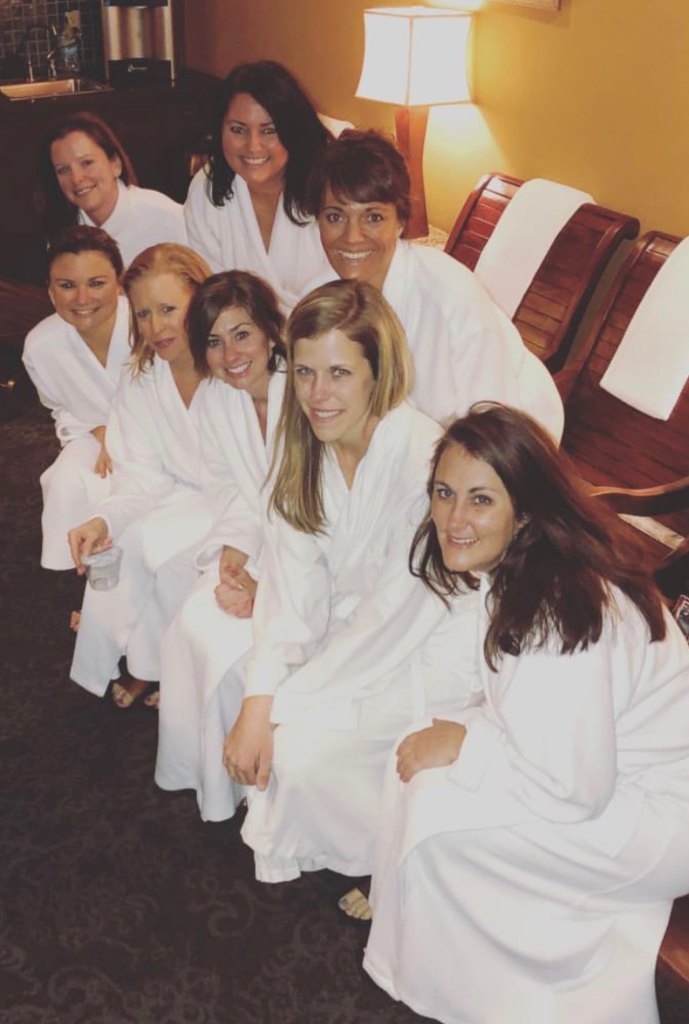
Suzanne planned a nurturing weekend—massages to ease tension, home-cooked meals shared around the table and unhurried time to simply be together. Rachel eagerly agreed and drove down from her home in Atlanta.
As the weekend unfolded, Rachel listened to each woman’s story, then she prayed over them, one by one.
Something remarkable happened in that room. As the women shared their grief openly, without judgment or time limits, healing began. They weren’t alone anymore.

A calling born from loss
On the drive home to Atlanta, Rachel’s mind kept replaying the weekend. For years, she’d asked herself why she experienced so much loss and pain.
But Suzanne’s gathering helped her see things differently. For the first time, Rachel asked herself a different question: Who needs what I’ve learned through this pain?
Then, a phrase her pastor always told her echoed in her mind: “Do for one what you wish you could do for the whole world.”
I don’t want anybody to be alone in their pain, Rachel thought.
She had seen the healing that happened in Birmingham, and she knew it could happen again.
Rachel returned home with a fire in her spirit she hadn’t felt in years. God was stirring a passion in her heart to help widows find their way through grief.
Rachel reached out to two fellow widows who had been courageously sharing their grief journeys online, building communities of thousands. “Let’s do this together,” Rachel told them. “Y’all invite the women, I’ll raise the money.” Within days, their social media posts were connecting widows across the country.
Just six weeks later, widows from across the country were booking flights to Atlanta. They were coming for a retreat unlike anything they’d experienced before, and Rachel was opening her own home to welcome them.
Rachel threw open the doors of her own home, tucking women into every bedroom and even her children’s bunk beds. Friends throughout Atlanta did the same, transforming their homes into havens of healing. Together, they wrapped these grieving women in comfort with home-cooked meals, thoughtful gifts, and most importantly, time to talk, cry and begin to heal. The experience was transformative.

Rachel shared something powerful with the women: “I’ve learned that trauma deepens when you’re alone in your pain. That’s why we’re here, so none of you have to walk this road alone.”
The retreat became the foundation for Never Alone Widows, a nonprofit dedicated to helping women navigate grief while finding hope and purpose again.
Rachel discovered just how great the need was when she learned that every 31 seconds, a woman becomes a widow.
So many women out there need this, she realized after the first gathering. Let’s keep going.
And that’s exactly what she and the Never Alone Widows team did.
Building a worldwide sisterhood
What started as a small retreat has blossomed into a thriving ministry serving thousands of widows.
Today, Never Alone Widows has blossomed into a thriving ministry. Women gather at retreats and conferences, meet in local support groups, study Scripture together, and connect online to create a worldwide sisterhood of healing.
The sisterhood now spans continents. Widows in Germany and Canada attend in-person gatherings, while women from around the world connect through online groups and virtual Bible studies.
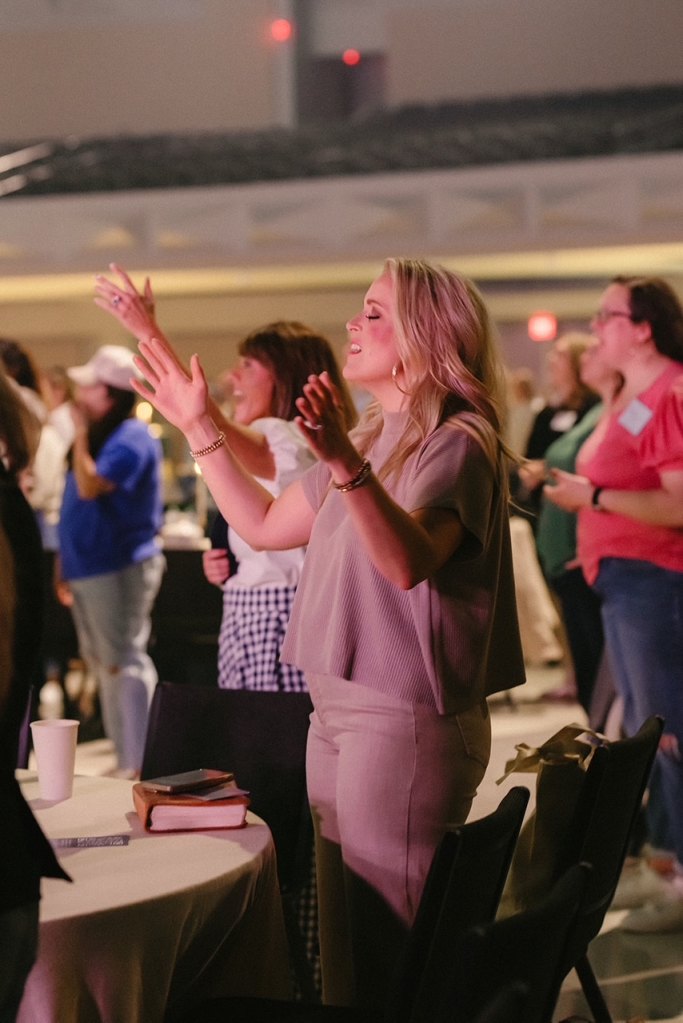
At conferences, women gather for inspiring main sessions, then break into smaller circles where real conversations happen over shared meals. The most powerful moments come when women stand up and tell their stories—sometimes for the first time—in a room full of people who truly understand.
“You’ve got to share your story to feel known,” Rachel tells them. It’s a simple truth with profound power: When you speak your pain aloud and someone truly hears it, healing begins.
One military widow wrote to Rachel afterward, “Knowing that I did not have to walk this path alone helped me find strength on days when the weight of loss felt especially heavy.”
Another woman shared through tears, “For the first time, I was surrounded by women who truly understood and who were not only walking through the same kind of loss but who were also deeply rooted in their faith.”
Rachel shares the question that transformed her own grief: Instead of asking “Why did this happen to me?” ask “Who can I help because this happened to me?” It’s a simple shift in perspective that changes everything and turns pain into purpose.
Last year, Never Alone Widows reached a milestone of having 550 widows come together for a conference overflowing with encouragement, friendship and faith.
And Suzanne, the friend whose compassion started it all, remains part of the mission. Through her company, Holland & Birch, she provides a special bracelet for every widow who attends, a tangible reminder that they’re never alone. It’s a perfect symbol of how one woman’s concern for nine grieving women grew into a worldwide sisterhood.

Looking back at that first weekend in Birmingham, Rachel is amazed by what God has built from her pain. “I’ve learned that all we have is today,” Rachel says. “And I’m so grateful for every woman we’ve been able to reach. What gets me up every morning is knowing that right now, somewhere, a woman is becoming a widow—and we’re here to make sure she doesn’t have to walk that road alone.”
For Rachel, the question is no longer “Why did this happen to me?” It’s “How many women can we help today?” And the answer keeps growing.
If you or someone you know is grieving the loss of a spouse, visit NeverAloneWidows.com to find support, community and hope. Because no one should have to walk through grief alone.
Conversation
All comments are subject to our Community Guidelines. Woman's World does not endorse the opinions and views shared by our readers in our comment sections. Our comments section is a place where readers can engage in healthy, productive, lively, and respectful discussions. Offensive language, hate speech, personal attacks, and/or defamatory statements are not permitted. Advertising or spam is also prohibited.