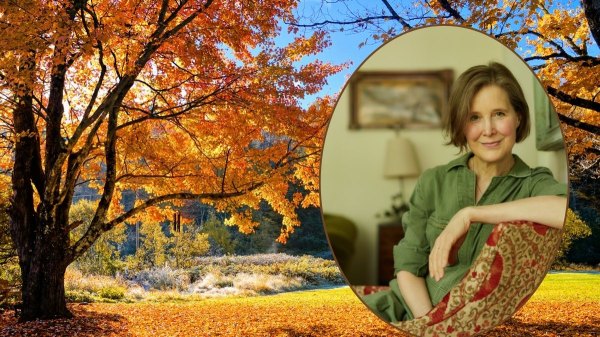
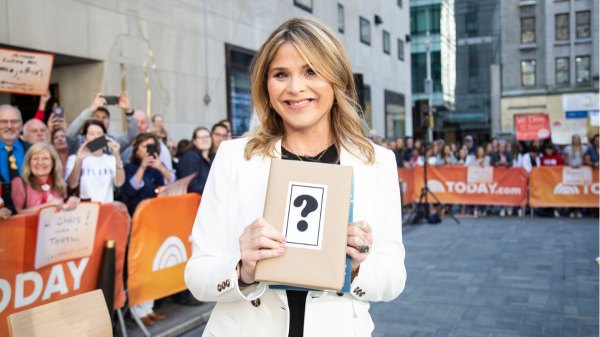
The Joy vs. Happiness Distinction: Why Kate Bowler Says One Matters More in Midlife
The bestselling author reveals why joy—not happiness—is the key to midlife peace
Key Takeaways
- Joy vs happiness: happiness needs ease, but joy can show up in messy, real life.
- 'The ache' isn’t ungratefulness—it’s a normal longing that can guide your next step.
- Toxic positivity blocks joy; 'ruthless honesty' makes oxygen for what you really feel.
If you’ve ever sat in a quiet moment of your life — kids grown, marriage shifting, career pivoting, or grief still settling — and felt a small voice ask, Is this it?, you’re not broken. You’re not ungrateful. According to Kate Bowler, you’re simply human.
The five-time New York Times bestselling author, Duke University professor and host of the podcast Everything Happens sat down on the What Matters with Liz podcast to talk about her new book, Joyful Anyway. At 35, with a young son and her dream job, Kate was diagnosed with Stage IV colon cancer. Now ten years into durable remission, she’s still living inside the question that haunts so many women in midlife: How do you hold joy and grief at the same time?
Her answer is liberating — and quietly radical.
The difference between happiness and joy
For years, Kate assumed joy was just happiness leveled up. A bonus round you unlocked once you got your life sorted. Her research changed her mind.
“I didn’t know the difference at all until doing this research,” she told Liz. “I thought maybe that joy was like a bonus level to happiness.”
Happiness, she explains, is a sense of ease. It’s the wind in your hair, the coffee at the right temperature, the friend who makes you laugh. “It really is what feeling lucky feels like all in a row,” she said. “The problem is that it takes a lot of organization and a lot of good things happening all at once.”
Joy is something else entirely.
“Joy, on the other hand, doesn’t feel like ease. It feels big and bright. It’s very psychologically enlivening,” Kate said. “Weirdly, it hits our same reward systems much like happiness, but it also engages our stress systems, which means that it’s almost like your ability to take in your reality is somehow widened.”
In other words, happiness needs your life to cooperate. Joy doesn’t.
That’s why Kate landed on the line that’s become a kind of mantra for readers who feel they’ve outgrown the live-laugh-love version of contentment: “Happiness is great, but joy is for the rest of us.”
For women navigating divorce, caregiving, loss or simply the strange disorientation of midlife, that distinction matters. You don’t have to wait for everything to fall into place. Joy, Kate says, is available anyway.
Watch Episode 11 right here! ‘What Matters with Kate Bowler: Aching, Hoping & Finding Joy Anyway’
Meet ‘the ache’—and stop apologizing for it
If joy is one half of Kate’s message, “the ache” is the other.
She defines the ache as that bittersweet longing, the quiet dissatisfaction so many of us carry but rarely name. After surviving cancer and being given so much back, Kate felt guilty even admitting it existed.
“I felt really ungrateful to say that there was any kind of ache at all,” she said. “And I really went looking for what the right language should be because we don’t have a lot of cultural language for the ache.”
She found that German has a word for it — Sehnsucht — a bittersweet wanting. And she found something even more important: the ache isn’t a flaw.
“I thought frankly that the ache meant that there was something wrong with me or maybe every person who hits middle age,” Kate said. “But it was nice to realize this isn’t a glitch in the programming. The ache is part of our hunger of what our desire to be alive.”
When Liz asked whether the ache makes someone a bad woman, ungrateful, or — for those of faith — not faithful enough, Kate pushed back gently.
“That restless feeling, that need for something, it is like an arrow. It can point us to things,” she said. “If we were satisfied on our own, like I mean, I’m a researcher. I would do fine in a tower, but this hunger is what will make us… It sets us on a journey.”
The ache, in other words, is not a problem to fix. It’s the engine that keeps you reaching toward love, meaning and the next chapter.
Why toxic positivity blocks real joy
Kate has spent her academic career studying American optimism. (She wrote the first history of positive thinking.) So when she warns about the dangers of “good vibes only” culture, she knows exactly what she’s talking about.
“Our culture of happiness has strict social rules which make expressing negative emotions unacceptable,” she writes in Joyful Anyway. The problem? Pretending we’re fine doesn’t just exhaust us — it actually blocks the joy we’re trying to manufacture.
“If we’re not allowing the reality of our situation to be processed, be shared with our friends… we might very likely feel like we can only script ourselves into saying, ‘Thanks, I’m great. Tomorrow’s a better day,'” Kate said.
She admits she did it herself during cancer treatment. “I basically was pretending to be starring in a reality show about a woman who gets cancer, but she’s pretty grateful,” she told Liz.
Performing resilience, she says, makes us “very confused about frankly what’s real and what’s not — and make the ones closest to us confused about it too.” It also keeps the people who love us from knowing how to show up.
The first step toward joy, then, is what Kate calls being “ruthlessly honest” about what is. Resentment? Bitterness? Disappointment about the way life turned out? Don’t censor it. Make a little space. Let the oxygen in.
Joy is for everyone — anyway
Kate doesn’t want women to blow up their lives chasing some Instagram version of fulfillment. A third of Americans, she notes, are caregivers, often women, tangled in webs of love and obligation they can’t simply walk away from.
“If we’re stuck for a million reasons in the lives we actually have, what is for us, I think the real answer is joy,” she said.
Her hope for readers is the message she had to learn the hard way:
“I thought I had to have a lucky life to have it be deeply beautiful, and I don’t believe that anymore,” Kate said. “I think that joy is made for everyone — no matter what — and I think it will chase us down.”

So if you’re aching today, take heart. You don’t have to perform gratitude. You don’t have to skip to the good part. You just have to whisper yes, and let joy find you.
What Matters With Liz airs every Wednesday on YouTube, Spotify, Amazon Music and Apple Podcasts, with highlights and behind-the-scenes clips shared on Instagram and Facebook.
Also, be sure to subscribe to the What Matters With Liz free newsletter. Every week, you’ll get real talk about health, money and entertainment, plus uplifting stories, practical tips and exclusive updates on the video series and podcast.
Conversation
All comments are subject to our Community Guidelines. Woman's World does not endorse the opinions and views shared by our readers in our comment sections. Our comments section is a place where readers can engage in healthy, productive, lively, and respectful discussions. Offensive language, hate speech, personal attacks, and/or defamatory statements are not permitted. Advertising or spam is also prohibited.