What To Do After a Data Breach: 4 Free Steps To Protect Your Money and Identity
Expert-approved tactics help you safeguard your finances and identity at zero cost

That sinking feeling when you open your email and see: “Your information may have been exposed.” If you’ve gotten a data breach notice from your bank, medical office, or another business you trust, you’re not alone—and you don’t have to feel helpless. The good news? You can take 4 simple steps right now to protect your money and reclaim your peace of mind. Even better: They’re completely free.
Step 1: Go to the source
First, verify that the notice you received is actually real, advises Cliff Steinhauer, director of information security and engagement for the National Cybersecurity Alliance. “Scammers often take advantage of data breach news to send fake alerts designed to steal even more information.” Head directly to the company’s official website, then look for a notice posted about a breach.

Step 2: Beef up security
Once you’ve confirmed the data breach, log into the account affected and change your password immediately. But don’t stop there:
Change other passwords
“Update any accounts that use the same or similar passwords,” urges Steinhauer. Hackers will try your login credentials on other websites and apps.
Add another layer
“Turn on two-factor authentication for accounts with financial and health information,” recommends cyber expert John Sileo, president and CEO of The Sileo Group, a Colorado-based technology think tank. This adds a second step—such as a code or sign-in prompt—before you can access your account, making it more difficult for thieves to get in even if they have your password.
Activate alerts
“Turn on notifications from your bank and other financial institutions,” advises Sileo. Then they will let you know if someone withdraws funds or changes your address so you can take quick action.

Step 3: Control your credit
Scammers also use your stolen personal information to take out fraudulent credit cards and loans. Fortunately, there are ways to thwart them:
Request a freeze
“Freezing your credit prevents new accounts from being opened in your name without your approval, and it’s free to do,” says Steinhauer. Just visit each of the three major consumer credit bureaus—Equifax.com, Experian.com and TransUnion.com—to activate it.
Add monitoring
“Companies hit by data breaches often cover a free year of identity theft protection or credit monitoring for those impacted,” says Sileo. But it’s not automatic—you have to sign up for it using a unique code they often mail to you.
Step 4: Keep your guard up
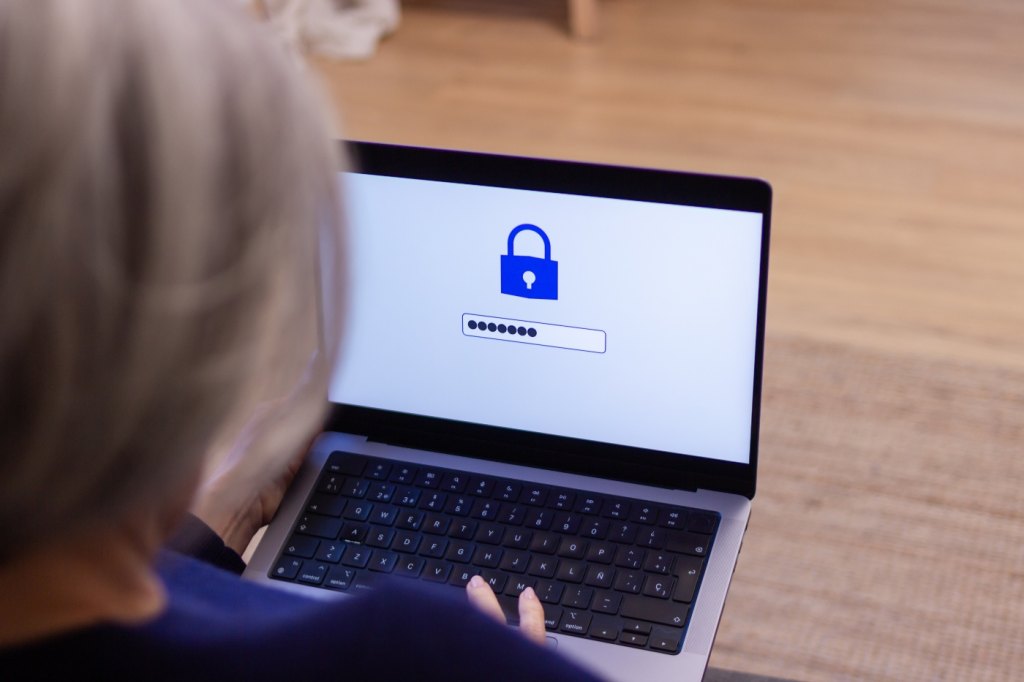
After a breach, swindlers are more likely to target you by crafting convincing scam messages. You can stay safe with these simple tactics:
Be skeptical of speed
When an email, text or caller insists that you take immediate action, consider it a red flag. “Scammers rely on urgency to trick people,” Steinhauer says.
Keep log-ins private

“Never share one-time passcodes, passwords or security codes with anyone,” cautions Steinhauer. Real businesses don’t ask for private sign-in codes when assisting you.
While getting a data breach notification can feel unsettling, remember this: You have the power to protect yourself. By taking these four simple, free steps, you’re putting strong safeguards in place to keep your money and identity secure.
This story first appeared in the March 30, 2026, issue of Woman’s World magazine.
Conversation
All comments are subject to our Community Guidelines. Woman's World does not endorse the opinions and views shared by our readers in our comment sections. Our comments section is a place where readers can engage in healthy, productive, lively, and respectful discussions. Offensive language, hate speech, personal attacks, and/or defamatory statements are not permitted. Advertising or spam is also prohibited.