GLP-1 Users’ Guide to Protein Snacks: Here’s What a Dietitian Actually Recommends
From convenient grab-and-go options to whole-food choices, these are the protein snacks worth keeping on hand.
As GLP-1 medications like Ozempic, Wegovy and Mounjaro reshape how millions of Americans approach weight loss, one nutrition question keeps surfacing how do you get enough protein when your appetite has all but disappeared? For people taking these drugs, protein isn’t optional it’s essential for preserving muscle, supporting metabolism and staying nourished when meals feel like a chore.
Dietitians are increasingly focused on snack strategy for GLP-1 users, because small, protein-dense bites often go down easier than full meals. Below, a guide to what registered dietitians actually recommend and why the right protein snack matters more than you might think.
Why protein matters so much on a GLP-1
GLP-1 medications work by slowing digestion and reducing appetite, which can make it genuinely difficult to hit daily nutrition targets. Muscle loss is one of the biggest concerns clinicians flag, and protein is the nutrient most closely tied to keeping that lean tissue intact during rapid weight loss.
Samantha Cassetty, M.S., RD, a nutrition expert and founder of Sam’s Plate, told Eating Well, “It’s crucial to get adequate protein about 1.2 to 1.5 grams of protein per kilogram of your ideal body weight per day while taking a GLP-1 [medication].”
That’s a meaningful amount and hitting it when you’re barely hungry requires planning. Snacks become a practical tool, not an indulgence.
Cottage cheese the fridge staple worth keeping stocked
Cottage cheese has quietly become one of the most talked-about protein snacks for GLP-1 users, and dietitians say the hype is warranted. It’s high in protein, calcium-rich and free of added sugar a combination that’s tough to beat when your calorie budget is small and every bite needs to count.
Kelli McGrane, MS, RD, writing for Yahoo Health, noted that if there’s one high-protein staple worth keeping in your fridge, it’s cottage cheese. She points to its versatility as a major selling point it can be eaten with fruit, blended into smoothies or stirred into pancake and muffin batter to quietly boost protein content without changing the flavor much.
For anyone dealing with taste changes or food fatigue on a GLP-1, that flexibility matters. Cottage cheese can shape-shift depending on what sounds tolerable that day.
Greek yogurt for sensitive stomachs
Nausea and early fullness are among the most common side effects of GLP-1 medications, and dense foods can be tough to stomach. Greek yogurt tends to be an easier sell it’s smooth, cool and delivers a significant protein hit in a small volume.
“Greek yogurt is high-protein, easy to digest and gentle on the stomach, especially helpful for people experiencing nausea or early fullness,” Erin Jowett, M.S., RD, LDN told Eating Well.
Plain Greek yogurt is the most flexible base sweeten it with fruit if that’s appealing, or use it as a savory dip. On days when solid food isn’t happening, a small container can carry the load of a full snack.
Nuts and simple pairings
Nuts pack protein, healthy fats and fiber into a small package, which makes them a go-to for GLP-1 users who need calories and nutrients without a lot of volume. Where they really shine is in combinations that stretch the nutritional value further.
A few pairings dietitians commonly suggest:
- Almonds with Greek yogurt
- Peanut butter with apple slices
- Nuts alongside a cheese stick
These combinations pair protein with either fiber or additional protein, helping stabilize energy and keep hunger predictable useful when your appetite signals are already muted by medication.
Jerky and meat sticks for portable protein
When you need protein you can toss in a bag and forget about, jerky earns its place. It’s shelf-stable, requires zero prep and delivers a concentrated dose of protein per serving which is exactly what GLP-1 users often need between meals that keep getting smaller.
Options worth considering include turkey jerky, beef jerky and meat sticks with simple ingredient lists. The ingredient-label check matters here many jerky products load up on sugar and preservatives, so scanning for shorter, cleaner labels helps you get the protein benefit without unnecessary additives.
Meat sticks in particular have grown in popularity as a grab-and-go option that fits neatly into a purse, car console or desk drawer for the moments when eating a full snack feels like too much.
Protein shakes when appetite disappears
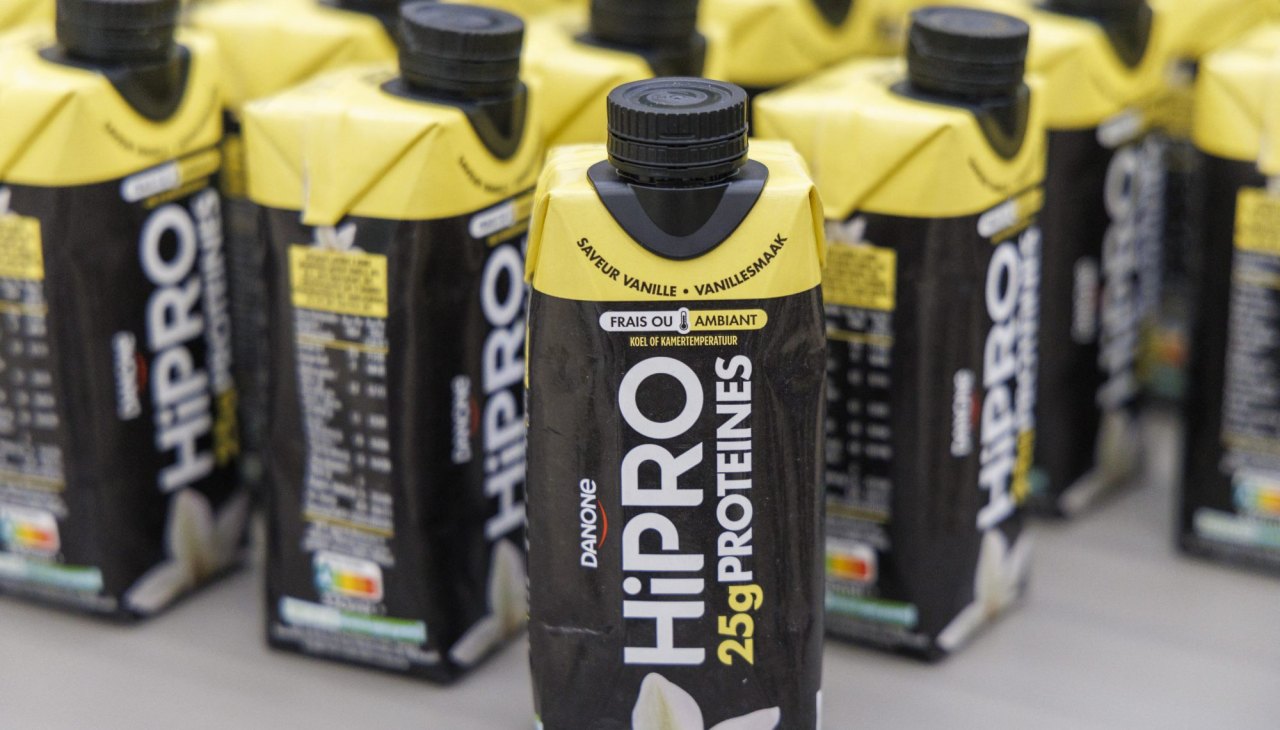
Some days on a GLP-1, chewing itself feels like effort. That’s where liquid protein comes in. Protein shakes can be appealing when appetite is low, offering a way to hit protein targets without navigating the mechanics of a solid meal.

Shakes also give you room to customize blend one with Greek yogurt, a spoonful of peanut butter or a handful of berries to layer in additional nutrition. For users whose appetite fluctuates day to day, having a shake option in the rotation means there’s always a fallback that goes down easy.
Building a snack strategy that actually works
The through-line across dietitian recommendations is simple variety and preparation. GLP-1 users often find that what sounded good yesterday feels unappetizing today, so having several protein options on hand cottage cheese in the fridge, jerky in the bag, shakes in the pantry makes it easier to hit daily targets without willpower entering the equation.
Small, protein-dense snacks aren’t a workaround. For many people on these medications, they’re the practical foundation of staying nourished while the drug does its work.
Conversation
All comments are subject to our Community Guidelines. Woman's World does not endorse the opinions and views shared by our readers in our comment sections. Our comments section is a place where readers can engage in healthy, productive, lively, and respectful discussions. Offensive language, hate speech, personal attacks, and/or defamatory statements are not permitted. Advertising or spam is also prohibited.