Other Uses for Ozempic and GLP-1s? Experts On Treating Diseases Including Arthritis, Alzheimer’s, and More
Research shows that GLP-1 receptor agonists like semaglutide and tirzepatide may help with cardiovascular disease, drug addictions, and dementia
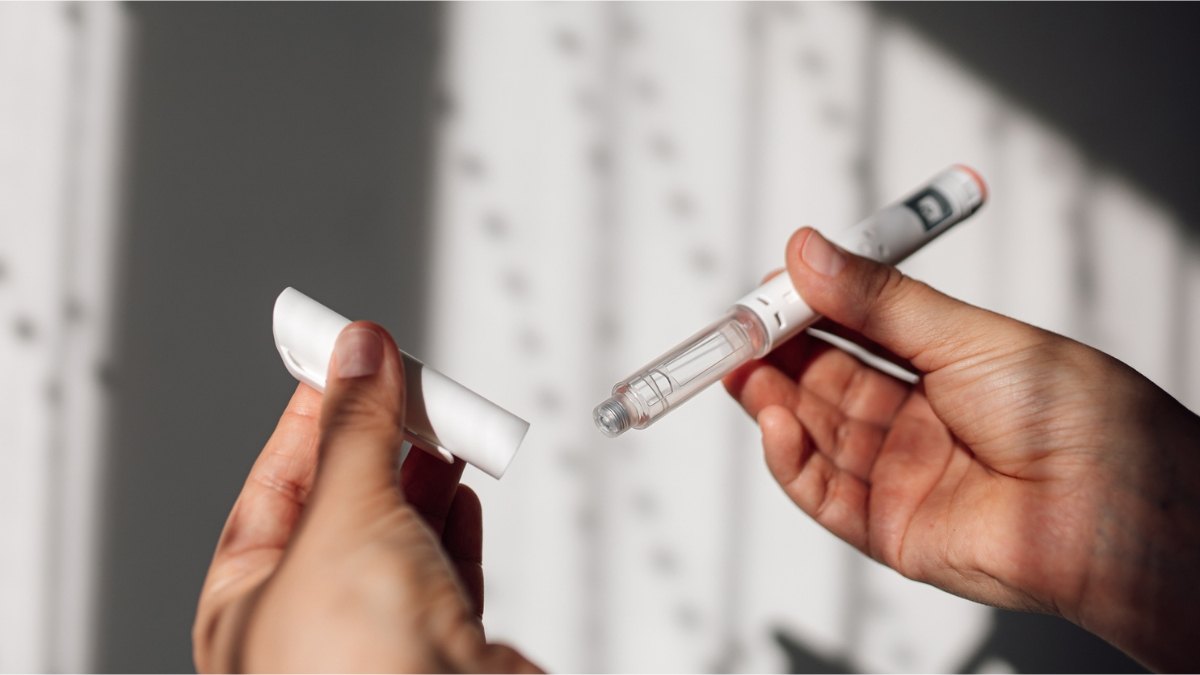
It’s no secret that doctors are helping many people lose weight by prescribing GLP-1 medications like Ozempic, Wegovy, Zepbound and compounded generic versions. Even celebrities like Sharon Osborne have achieved incredible weight loss transformations by using Ozempic and other GLP-1 medications.
With that in mind, medical professionals are discovering additional benefits for their patients beyond its intended use for diabetes and obesity. Woman’s World spoke to several medical experts and found Ozempic and GLP-1 medications could be more than just a weight loss tool.

In This Article
GLP-1 Receptor Agonists Intended Uses
While many doctors and telehealth providers prescribe semaglutide or tirzepatide for weight loss, the primary use of glucagon-like peptide-1 receptor agonists (GLP-1 RAs) is to help manage blood sugar levels in patients with type 2 diabetes or treat obesity. This is also why getting insurance coverage for GLP-1 medication can be difficult unless you have one of those preexisting conditions.
As more doctors prescribe GLP-1 medication, they are discovering more “off-label” uses. Many of these benefits could be a positive side effect of the patient losing weight, but there’s no denying that the GLP-1 treatment is a contributing factor.
Experts Agree, GLP-1 Can Help Cardiovascular Health
One of the common side benefits that the experts agree on is improvement in cardiovascular health. Nina Paddu, DO, a primary care physician and Obesity Medicine Specialist at Maimonides Medical Center in Brooklyn, NY, says, “I have also used semaglutide to treat patients who have known cardiovascular disease (history of non-fatal stroke or myocardial infarction) in order to help reduce risk for a repeat cardiovascular event.”
“Data from the SELECT Trial published last year shows that semaglutide can lower the incidence of a major adverse cardiovascular event (death from cardiovascular causes, nonfatal myocardial infarction, or nonfatal stroke) at a mean follow-up of 39.8 months by 20%.”
Dr. Daniel Atkinson, Clinical Lead at Treated.com, says “Because of the way semaglutide helps manage your blood sugars and promote weight loss, studies suggest it can also reduce your risk of metabolic syndrome. Metabolic syndrome is what we call a group of health conditions that can affect your cardiovascular system, and increase your risk of type 2 diabetes. These conditions can include high blood pressure, low HDL (or “good”) cholesterol, high triglyceride levels, and high blood sugar levels eight hours after eating.”
Dr. Jennie Stanford, a double board-certified physician specializing in family medicine and obesity medicine, came to the same conclusion as Dr. Atkinson. “The diagnosis of metabolic syndrome includes at least three of the following, with specific criteria for each: High blood pressure or on blood pressure medication, elevated blood glucose, increased waist circumference, and dyslipidemia (abnormal cholesterol). Semaglutide has been shown to potentially improve each of the parameters of metabolic syndrome.”
Non-Alcoholic Fatty Liver Disease Improves With GLP-1
Mayo Clinic defines nonalcoholic fatty liver disease, or NAFLD, as a disease affecting people who drink little to no alcohol. Because of the fat build-up in the liver, it is common for people who are overweight or obese. Dr. Daniel Atkinson told us that “Semaglutide has also shown to help reduce the buildup of fat in the liver, which can result in nonalcoholic fatty liver disease (NAFLD)”.
However, Dr. Atkinson does not recommend GLP-1 medication specifically for the disease. “It’s thought that semaglutide helps treat NAFLD by encouraging weight loss, and improving blood sugar control – but it isn’t currently licensed for this purpose. More research is still being carried out on the safety and effectiveness of using semaglutide for NAFLD.”

Research Shows Improved Lymphedema, but Not a Cure
Lymphedema is a condition where tissue swells in the body due to an accumulation of fluid drained from the lymphatic system. While this typically occurs in a patient’s legs, it may also cause swelling in the chest, abdomen, neck and genitals. Woman’s World spoke to Dr. Joseph H. Dayan, director of the Institute for Lymphatic Surgery and Innovation, about using GLP-1 medication to help treat this condition.
“We recently published the first two papers on GLP-1 receptor agonists in treating lymphedema and reducing the risk of lymphedema in patients undergoing removal of their lymph nodes. GLP-1 receptor agonists are now widely used to treat obesity and diabetes. Because elevated BMI, weight gain, and insulin resistance can worsen lymphedema and increase the risk of developing lymphedema, GLP-1 RA’s may be beneficial.”
Dr. Dayan found success with a patient he was treating for Lymphedema. “After receiving chemo and hormonal therapy, she gained significant weight which is quite common after treatment. Her lymphedema became much worse as a result of the weight gain and despite around the clock compression and lymphatic therapy her arm became more swollen. She was not obese and did not have diabetes.”
“In coordination with her endocrinologist, she was started on semaglutide, lost the weight she gained, and her lymphedema had appeared to resolve. Her arm is back to her baseline, and she no longer requires compression.”
While Dr. Dayan appears optimistic about this success, he notes, “This was a single case report, so it is just anecdotal, but we have seen improvements (not a cure) in about a dozen patients now that have been treated with GLP-1 RAs with limb volume reduction, improved bioimpedance scores and improved quality of life scores.”
“We always have to proceed with safety and caution with any new intervention and study rigorously. That being said, lymphedema is an extremely difficult, misunderstood, incurable and relentlessly progressive disease affecting millions of women. ”
Improvements in Polycystic Ovarian Syndrome
According to Mayo Clinic, Polycystic Ovarian Syndrome or (PCOS), is a reproductive condition in women that can prevent the body from releasing eggs and leads to infertility. Semaglutide treatment may also help with this condition.
Dr. Brynna Connor, Healthcare Ambassador at NorthWestPharmacy.com, cites a study from 2023 on the use of semaglutide treatment for patients suffering from Polycystic ovary syndrome (PCOS). “Some studies and anecdotal evidence (including in my practice) suggest that semaglutide may help with symptoms of PCOS, such as excess hair and also irregular menstrual cycles.”
Dr. Janette Nesheiwat, Board Certified M.D. and Author of Beyond the Stethoscope: Miracles in Medicine says:
“Semaglutide could help manage insulin resistance, which is quite a common problem in women with PCOS, so this med can improve symptoms like weight gain and metabolic dysfunction.”
GLP-1 May Help With Drug and Alcohol Addiction
Because GLP-1 medications assist with food cravings, it makes logical sense that they may help with drug and alcohol additions as well. According to Yale University, the brain responds similarly to drug and food cravings.
Dr. Jennie Stanford agrees but cautions potential GLP-1 patients who also suffer from alcohol abuse disorder. “Both heavy alcohol use and GLP-1 receptor agonists like semaglutide can independently increase the risk of pancreatitis, and semaglutide may lower alcohol tolerance thresholds, so people should be counseled to either abstain from alcohol or minimize their alcohol consumption while taking semaglutide.”
Dr. Danielle Kelvas, MD of the HCG Institute told Woman’s World that it may help with more than just alcohol cravings. “Semaglutide seems to curb cravings for things across the board: THC, alcohol, food, etc. So this is highly beneficial in cases like alcohol or THC use disorder and eating disorders. I haven’t seen any studies done yet on smoking cessation, but it wouldn’t surprise me if it helps here, too.”

Ozempic and GLP-1 May Help With Dementia and Alzheimer's
In late July of this year, the Alzheimer’s Association International Conference reported that a Phase 2b clinical trial showed GLP-1 medication may protect the brain and slow cognitive decline. GLP-1s (and more specifically, Liraglutide by Novo Nordisk) may also reduce early forms of amyloid, normalize the brain’s ability to process glucose and improve both memory and learning.
Dr. Jennie Stanford notes the connection between diabetes and dementia. “Insulin resistance and dementia have similar cellular changes at the basic level, so much so that dementia has been commonly called “insulin resistance of the brain” or “type 3 diabetes.” Semaglutide may prove to be beneficial in neuroprotection from neurodegenerative diseases, like dementia.”
New Study Shows Semaglutide Helps With Arthritis
On October 30, 2024, The New England Journal of Medicine released a study showing that patients with knee osteoarthritis who supplemented with semaglutide significantly reduced pain. While this is encouraging, the decrease in pain could simply be a side benefit of losing weight, not necessarily from the semaglutide medication itself.
Ozempic May Reduce Stroke Risk By 20%
While many of the doctors we spoke to agreed that GLP-1 medications like Ozempic can help improve metabolic syndrome, a study from 2023 specifically showed a reduction of stroke risk by 20% for diabetic and obese patients taking semaglutide. However, Dr. Brynna Connor recently told Woman’s World that more research needs to back up this claim:
Medications for both diabetes and obesity such as the glucagon-like protein-1 (GLP-1) receptor agonists … should be tested in trials and other research to determine their safety and efficacy for primary stroke prevention.
GLP1 Medication for Off-Label Use Is Still Very New
If there is one area that experts agree on is that GLP1 medication for off-label use still requires a lot of additional research. From a liability perspective, doctors will not prescribe Ozempic or other GLP-1 medication for anything other than diabetes or weight loss until it is officially approved by the FDA.
Dr. Jennie Stanford went on to say that, “GLP-1 receptor agonists are still relatively new, as we have only been using them clinically for about five years. As time continues, we are continuing to learn more about the things they potentially benefit beyond diabetes control and weight loss.”
According to Innovative Rx Strategies, prescriptions for GLP-1 medication have increased by 300% from 2018 to 2023, with no signs of slowing down. With that in mind, it is encouraging that doctors and researchers are finding potential medical benefits outside of diabetes and weight loss, even if most of the evidence is anecdotal at this point.
FAQs
-
What does semaglutide do for non-diabetics?
In addition to weight loss, semaglutide may also help with strokes, polycystic ovarian syndrome, lymphedema, drug/alcohol non-alcoholic fatty liver disease, arthritis and improve the parameters of metabolic syndrome.
-
What are the potential benefits of semaglutide?
While regulating glucose levels, improving lipid profiles and promoting weight loss are the main benefits of semaglutide, studies show other potential benefits that include improvements in the parameters of metabolic syndrome, polycystic ovarian syndrome, lymphedema, drug/alcohol additions, non-alcoholic fatty liver disease and arthritis.

