Going Sober Helped One Woman Lose 62 Pounds and Transform Her Life: ‘Little Choices Add Up!’
Learn how to try it for yourself—plus whip up one of our easy (and delicious!) mocktail recipes

Key Takeaways
- Jennifer Taggart lost 62 pounds after quitting alcohol and making gradual nutrition changes.
- Better sleep, more energy and a new fitness routine helped Jennifer maintain her lifestyle.
- Cutting alcohol can reduce calorie intake, and alcohol-free mocktails can help.
One type of health-related challenge keeps popping up lately. Whether you know it as Sober October or Dry January, people are increasingly taking a break from drinking to save money and score health rewards. The numbers back it up: The alcohol industry’s stock market value is down a whopping $830 billion over the past four years, according to Bloomberg. And new research finds that women’s bodies benefit the most from cutting back or cutting out alcohol. Here’s why making a sober shift, even for a short period, can speed weight loss. Case in point: Going sober worked for Woman’s World reader Jennifer Taggart, who says, “My whole life changed!” Keep reading for everything you need to know to give it a go!
Why going sober works better for women’s weight loss after 40
For generations we’ve heard about the health benefits of alcohol—like how red wine supports anti-aging. But new research is giving us a broader picture on what alcohol does to a woman’s aging body—and there’s no denying it can sabotage our health goals. Estrogen helps protect the liver from the toxins in alcohol. But once that hormone diminishes during menopause, the liver—which plays a major role in fat metabolism—comes under attack. And that’s precisely when losing weight feels like more of an uphill battle.
“Taking alcohol off the table is a great way to help meet weight-loss goals,” assures Yale-trained internal medicine physician Jasleen Salwan, MD, an addiction medicine specialist in Maryland. “It’s amazing how fast I’ve seen my patients’ pounds come off when they lose the empty calories of beer and wine.”
In an Obesity study of overweight adults, those who gave up alcohol lost more than double the weight of those who kept drinks in their diet. Even a short break can help the body: A BMJ Open study revealed that when people skipped alcohol for 30 days, they experienced a 28 percent drop in insulin resistance, a condition where the body struggles to recognize the hormone insulin, leading to unnecessary fat storage.
6 sneaky ways alcohol sabotages your weight-loss goals
Cutting out or cutting back has proven health benefits. Consider these six ways alcohol influences our weight:
Liquid calories lead to weight gain
Nutrition experts agree we should eat our calories, not drink them. Sugars from liquids like soda and cocktails absorb quickly in the gut, triggering blood sugar spikes that lead to mindless snacking and energy crashes. And those empty calories add up. Many alcoholic drinks run around 150 calories and can be as high as 500+ calories with added mixers and syrups. “Removing multiple servings of this beverage from your weekly routine can lead to a significant reduction in caloric consumption,” says Stanford-trained physician Mia Kazanjian, MD.
Extra food cravings can be costly
“Since alcohol lowers inhibitions, it tempts you to keep eating after you are full, indulge in dessert or snack at night,” adds Dr. Salwan. Nutritionists sometimes call this extra spending on food the “drunk food tax.” In fact, households can save an average of $643 a year by cutting out alcohol, according to the U.S. Bureau of Labor Statistics.
Mood dips lead to mindless snacking
“Alcohol is a depressant, so avoiding it this fall and winter is a proactive step to protect your mental health,” explains Dr. Salwan, adding that seasonal affective disorder (SAD) is more common in women than men. We know it’s common to self-medicate our moods with snacks. But with a brighter mood, women report having more energy to make healthier choices like meal prepping or exercising regularly.
Liver stress slows metabolism
Not only does menopause make the liver less able to defend against alcohol, but liver health is already under attack for many Americans, due to sugary diets fueling an epidemic of fatty liver disease.
Alcohol triggers inflammation
There’s a reason drinking often comes with a headache or puffiness. “Alcohol causes inflammation and dehydration,” says Dr. Kazanjian. And chronic inflammation is linked to weight gain and illness.
Drinking damages our sleep
“Getting a good night’s sleep helps keep our metabolism working for us,” says Dr. Salwan. “Alcohol disrupts sleep architecture”—the phases of sleep we experience at night. Indeed, in research on people wearing sleep trackers, those who consumed alcohol reduced brain-supporting REM sleep by 14.2 percent.
One woman’s sober weight-loss success story: ‘I got my life back’
Back in December 2021, Jennifer Taggart challenged herself to learn to navigate her days without the alcohol she’d relied on for years. The Ohio mom, 40, reveals, “It didn’t just change my body. It gave me my life back.”
It wasn’t easy at first. She reached for too much caffeine and ice cream. But slowly she found, “I had more mental clarity, energy and confidence. I became more intentional about how I treated my body.” Plus, “in that first year, I lost a significant amount of weight. It became less about what I had given up and more about everything I was gaining,” like more quality time with her daughter.
With better sleep and more energy, Jennifer joined a fun adult rec soccer league. She also found community at a Life Time fitness center. “It became the place I went to clear my head and be around people who were also working towards something,” she says. “The gym basically became my nightclub!”
Small changes, big results
Before giving up alcohol, she admits, “Nutrition was the piece I had never really mastered.” But with the empty calories gone from cocktails, she finally fine-tuned her food choices. “I did not need to work harder. I needed to make my nutrition work as hard as I did.” She asked ChatGPT for a 60-day food plan and shopping list. She built meals around protein and reduced the sugar in her almond milk. She also traded sugary trail mix for satisfying almonds. Dropping from size 12/14 to 2/4, she says, “This made me realize how much the little choices added up!”
In 60 days, Jennifer shed 14 pounds. “I got leaner and stronger.” Now sticking with this change for life, she is a total of 62 pounds lighter and weighs what she did back in her 20s. “I got abs!” Jennifer didn’t know how sobriety would go when it started. “I did not have some perfect plan. I just kept making one better choice, then another, and eventually those choices became a different life!”

3 mocktails that make sober weight loss easy (and delicious)
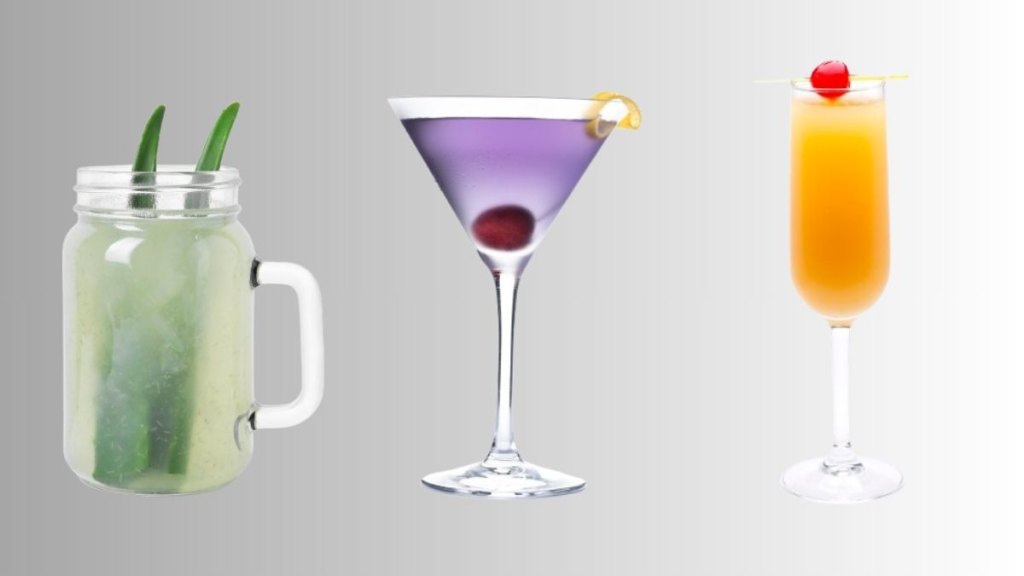
Try these ideas for low-sugar, hydrating sips mixed up by the pros in the Woman’s World test kitchen!
- Aloe ‘nojito’: Blend aloe juice, lime juice and ice, to taste. Add mint sprigs, if desired.
- Fruit spritzer: Mix purple acai juice and bubbly lemon seltzer. Toss in a cherry or blueberry.
- Sunrise ‘fauxmosa’: Mix orange juice and alcohol-free champagne. Top with a cherry, if desired.
Looking for a novel way to quit drinking? Consider GLP-1s

Women taking GLP-1 medications have noticed a side effect—they crave less alcohol. “I see this all the time in my practice—usually by week four. They didn’t make a conscious decision to drink less, they just didn’t want to,” finds Carol Eisenstat, MD, founder of SlimMD medical weight loss. “This makes sense because GLP-1s have receptors in the brain that help control our cravings for food. So when we take a GLP-1 drug, we are also decreasing our desire to drink alcohol.” This phenomenon is proven in a study in JAMA Psychiatry.
Additional reporting by Cailey Griffin
This story originally appeared in the November 2, 2026, issue of Woman’s World.
Conversation
All comments are subject to our Community Guidelines. Woman's World does not endorse the opinions and views shared by our readers in our comment sections. Our comments section is a place where readers can engage in healthy, productive, lively, and respectful discussions. Offensive language, hate speech, personal attacks, and/or defamatory statements are not permitted. Advertising or spam is also prohibited.