How To Reverse Fatty Liver Disease Naturally and Lose Weight Within Weeks
Plus learn how quickly you can drop liver fat and transform your health

Key Takeaways
- Fatty liver disease is often reversible with simple lifestyle changes.
- Losing just 5 to 10 percent of your body weight can remove trapped liver fat.
- Fatty liver often has no symptoms, so at-risk people may need blood tests or imaging.
If you were told at your last physical exam that your liver enzymes looked elevated or your liver contains harmful fat deposits, don’t panic. While the condition nicknamed “fatty liver” is real, gastroenterologist Pradnya Mitroo, MD, assures it is completely treatable. “One of the most important things I want women to know is that fatty liver is reversible.” And it turns out, weight loss—even a tiny bit—can be the key to healing. Keep reading to learn how to reverse fatty liver disease and lose weight in the process.
Why fatty liver’s new name is good news for your health
In the last 18 years, Dr. Mitroo has seen rates of nonalcoholic fatty liver disease (NAFLD) skyrocket. “It’s now the leading cause of cirrhosis and liver transplantation in women,” she says. But we’re learning more about it every day. Case in point: Scientists discovered it’s actually a metabolic condition more than a liver problem. Its name recently changed—to metabolic dysfunction-associated steatotic liver disease (MASLD)—to reflect that metabolism link.
That reclassification means it’s fixable with simple lifestyle tweaks. The right diet and exercise tweaks can deliver a powerful one-two punch, leading to the weight loss many people want and the healing they need to protect this amazing multitasking organ, which performs 500 vital jobs for your body, according to Johns Hopkins research.
What causes fatty liver?
Age is a factor. As women experience midlife hormone changes, they often accumulate belly fat. “This visceral fat leads to fat deposits in the liver,” explains Dr. Mitroo. Diet plays a critical role too. But the damage isn’t caused by alcohol use or fat intake. The real culprit, says Dr. Mitroo, is processed sugar. And it’s more common than you may think.
World-renowned sugar researcher Robert Lustig, MD, author of Metabolical, says just half a pound of fat in the liver, not enough to notice on a bathroom scale, can lead to health trouble. This condition affects around 34 percent of postmenopausal women. The tricky part: It often has no symptoms. “There are people who have liver fat and they don’t even know it,” says Dr. Lustig.
Weight loss is key to reversing fatty liver
If you’re looking for a reason to clean up your diet and shed a little weight, here it is: Research shows losing just three to five percent of your body weight can remove trapped liver fat. For a 200-pound person, that’s shedding just six to 10 pounds. And losing 10 percent or more can dial down inflammation and may even halt liver scarring and damage.
How to reverse fatty liver disease naturally
Ready to start healing today? These four secrets can protect your liver health.
Skip these foods
Cut out excess ultra-processed foods and drinks such as soda and dessert coffees that are full of hidden sugars.
Go Mediterranean
“The Mediterranean diet has the strongest evidence for improving liver health,” says Dr. Mitroo. Reach for foods rich in protein and healthy fat, including fish, chicken, eggs, nuts, olive oil and avocado. Also increase your fiber through fruits, veggies, legumes and whole grains like quinoa and oats—all part of a healthy diet.
Bonus mealtime tip: Nutrition expert Ann Louise Gittleman, PhD, says supplementing with choline, 500 mg per meal, helps reverse fatty liver too.
Strength train
Exercise can also help reduce liver fat. Aim to strengthen muscles since lean muscle tissue becomes a metabolically active organ, working to burn trapped fat. Dr. Mitroo recommends getting 150 minutes per week of moderate exercise. Two especially effective strategies: resistance training and walking after meals.
Prioritize quality sleep
Get deep sleep at night and practice stress management during the day to reduce inflammation and encourage cellular repair, advises Dr. Mitroo.
How long does it take to reverse fatty liver?
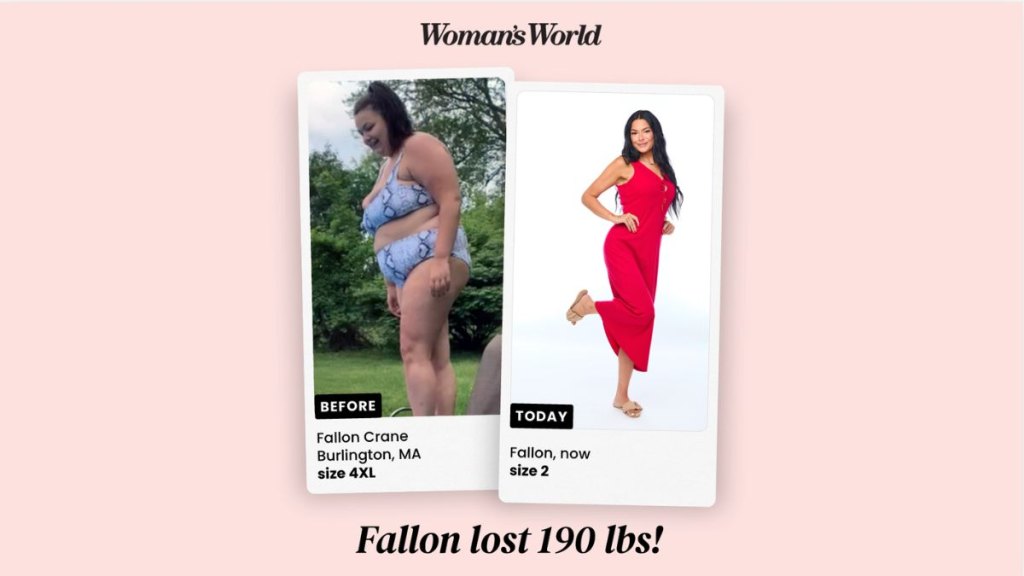
“I have had many women reverse fibrosis and normalize their liver function tests,” says Dr. Mitroo who sees fatty liver patients on a daily basis. “This is a lifestyle-related disease and can be completely treated by lifestyle changes.”
Could you have fatty liver disease and not know it?
Wondering if these strategies apply to you? They can help everyone, but you’re more likely to benefit from liver-protective lifestyle changes if you have any of these common health conditions:
- Carrying extra weight, especially around your middle
- Prediabetes or type 2 diabetes
- High blood pressure
- High cholesterol levels

Doctors can diagnose fatty liver with blood tests or a noninvasive scan of your liver. And no matter your status, start soothing your liver today with the key habits outlined here, all proven to support weight loss.
Bottom line: Fatty liver is treatable, especially if you catch it early. Weight loss is the best known strategy to reverse the condition. So use the experts’ four tips—reducing sugar, eating protein, increasing movement and getting plenty of sleep—to help your liver health and lose weight along the way!
This story originally appeared in the August 31, 2026, issue of Woman’s World.
Conversation
All comments are subject to our Community Guidelines. Woman's World does not endorse the opinions and views shared by our readers in our comment sections. Our comments section is a place where readers can engage in healthy, productive, lively, and respectful discussions. Offensive language, hate speech, personal attacks, and/or defamatory statements are not permitted. Advertising or spam is also prohibited.