The Best Potassium-Rich Foods for Lowering Blood Pressure Work Faster Than Cutting Salt Alone
Putting down the salt shaker is only one part of the puzzle, a dietitian says

Key Takeaways
- Potassium helps blood vessels relax and supports healthy blood pressure by balancing sodium.
- Bananas, potatoes, lentils and dried apricots are among the foods rich in potassium.
- Women need 2,600 mg of potassium daily, but some meds and kidney conditions require caution.
Over 42 percent of American women have high blood pressure, according to the Centers for Disease Control and Prevention. And yet, there are simple changes you can make to your daily habits that can have a powerful impact on your blood pressure, starting with what you put on your plate. More specifically, making sure that you’re getting enough potassium-rich foods for lowering blood pressure may help keep your numbers in a healthy range.
“To support healthy blood pressure, it’s just as important to include potassium-rich foods as it is to limit foods that are excessively high in sodium,” says Kendra Haire, RDN, LD, a registered dietitian nutritionist in Leander, TX. Here, discover how increasing your potassium intake (and reducing your sodium intake) can support healthy blood pressure, plus the best potassium-rich foods to add to your daily diet.
The importance of potassium for healthy blood pressure
“Potassium in food plays an important role in keeping blood pressure in a healthy range,” explains Haire. That’s because the mineral helps support the health of your blood vessels. Haire compares your blood vessels to a water hose; you want it to be relaxed with a moderate amount of water flowing through, not totally rigid with too much water gushing down, which increases the pressure against the sides of the hose. “Potassium helps our cells relax, allowing the blood vessel lining to expand. A wider blood vessel allows for easier blood flow through the body,” Haire says.
She adds that potassium also supports healthy kidney function, ensuring that the kidneys are able to excrete any excess sodium or water in the body that could contribute to a higher blood pressure. All told, research published in Hypertension notes that multiple studies have demonstrated a link between high potassium intake and lower blood pressure.
And of course, cutting back on added salt and following a balanced diet, such as the Dietary Approaches to Stop Hypertension (DASH) eating plan, can help keep lower high blood pressure over time.

How much potassium do you really need?
According to the National Institutes of Health (NIH), the recommended daily intake of potassium is 2,600 mg for adult women. Severe potassium deficiency (hypokalemia) is rare, but most people aren’t getting enough.
Before you start loading your plate with potassium-rich foods, though, beware that if you have chronic kidney disease or are already taking medication to reduce your blood pressure, consuming too much potassium can be dangerous.

“Our kidneys are in charge of discarding excess potassium that might build up in the body,” Haire explains. “If the kidneys are impaired, there is a risk that potassium could become dangerously high and damage the heart.” Per the NIH, medications like ACE inhibitors and some diuretics can block the kidneys from excreting excess potassium, leading to the same result. So if you fall into either of these categories, talk to your doctor before making any changes to your diet.
The best potassium-rich foods for lowering blood pressure
If your doctor has advised you to make some dietary tweaks in order to prevent high blood pressure, making sure you’re getting enough potassium-rich foods is an excellent place to start. “Foods from a variety of food groups can be good sources of potassium,” says Haire. Here are 15 of the best ones rich in potassium, according to the NIH:
- Dried apricots, 755 mg per ½-cup serving
- Cooked lentils, 731 mg per 1-cup serving
- Prunes, 635 mg per ½-cup serving
- Raisins, 618 mg per ½-cup serving
- Baked potato, 610 mg in 1 medium
- Canned kidney beans, 607 mg per 1-cup serving
- Orange juice, 496 mg per 1-cup serving
- Banana, 422 mg in 1 medium
- 1% milk, 366 mg per 1-cup serving
- Raw spinach, 334 mg per 2-cup serving
- Grilled chicken breast, 332 mg per 3-oz. serving
- Nonfat yogurt, 300 mg per 6-oz. serving
- Cooked salmon, 326 mg per 3-oz. serving
- Grilled sirloin, 315 mg per 3-oz. serving
- Raw tomato, 292 mg in 1 medium
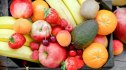
“I encourage my patients to eat a variety of these foods, as they all contribute unique health benefits,” says Haire. That includes the heart-protective benefits of potassium.
Ready for more inspiration? Subscribe to our YouTube channel for video podcasts, health tips and uplifting stories designed for women 40, 50, 60 and beyond.
Conversation
All comments are subject to our Community Guidelines. Woman's World does not endorse the opinions and views shared by our readers in our comment sections. Our comments section is a place where readers can engage in healthy, productive, lively, and respectful discussions. Offensive language, hate speech, personal attacks, and/or defamatory statements are not permitted. Advertising or spam is also prohibited.