How To Prevent Hair Loss After 40: These 7 Habits Stop Shedding and Boost Healthy New Growth
Plus learn how much protein you really need to eat for thicker strands

Key Takeaways
- Doctors say menopause-related hair loss often improves with targeted nutrition and treatment.
- Daily habits like scalp massage and more protein can help reduce hair shedding.
- Learning what's causing your hair thinning is the fastest path to healthier, fuller hair.
Notice more strands in your brush lately or your ponytail falling flat? Us too. About 40 percent of women in their 40s notice hair thinning, and roughly 50 percent of us see it by our 50s, reveals Christina Han, MD, dermatologist and medical director at XYON Health Inc. The good news? Learning how to prevent hair loss is more doable than you might think, and a few simple changes can add up to visibly thicker, healthier strands.
What causes hair loss in midlife?
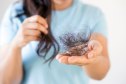
Hair naturally cycles through growth, resting and shedding phases, and losing up to 100 strands a day is completely normal. What’s not normal is a widening part, a shrinking ponytail or shedding that lingers for months.
“As women age and approach menopause, the levels of estrogen and progesterone decrease,” says Ross Kopelman, MD, a Cornell-trained hair transplant surgeon. “These hormones play a crucial role in maintaining hair growth. So when their levels drop, hair growth slows down and the hair can become thinner.”
Genetics, thyroid issues, PCOS (now known as PMOS), low iron, low vitamin D, stress and even tight hairstyles can also throw off the cycle and contribute to thinning hair. The upside: There are plenty of ways to boost healthy hair regrowth.

How to prevent hair loss after 40
In addition to treating any underlying medical condition (such as thyroid problems or PMOS) that may contribute to hair shedding, give these expert-backed tips a try:
Try rosemary oil
Rosemary oil blocks DHT, a hormone that contributes to a type of hair loss known as female pattern hair loss. In a Skinmed study, rosemary lotion applied to the scalp for six months boosted hair growth just as effectively as topical minoxidil (more on that later). Do a patch test on your inner forearm first, since some scalps can react to essential oils.
Give yourself a scalp massage
It sounds almost too simple, but it works. Japanese researchers found that a daily four-minute scalp massage significantly increased hair thickness within 24 weeks. Gentle circular pressure wakes up cells at the base of hair follicles and switches on genes that speed up growth.
Use your fingertips—never your nails—and move in small circles from your hairline back to the base of your skull. Dermatologist Shamsa Kanwal, MD, suggests aiming for five minutes daily, or at least three to four times a week. Try pairing it with rosemary oil to boost the benefits.
Load up on protein
Hair is built largely from keratin, a protein your body creates from the amino acids in your food. Skimp on protein and shedding often follows. Dietitian Erin Palinski-Wade, RD, recommends 1 to 1.6 grams of protein per kilogram of body weight daily from high-quality sources. For a 150-pound woman, that lands around 68 to 109 grams a day.
Her favorites: eggs (loaded with biotin and choline), Greek yogurt, salmon, cottage cheese, poultry and legumes. Or simply stir a protein power like Factor Form Chocolate Whey Protein Powder into your morning smoothie. Arjun Dupati, MD, founder of Apollo Dermatology, suggests aiming for at least 70 grams daily and notes that “tempeh, tofu and plant-based protein shakes are great choices if meat is not an option.”
Tip: Need an easy protein boost on the go? Snack on Perfect Bar Oaties Oatmeal Cookie Dough bars, which have 8 grams of protein. (Discover more protein-rich foods that help prevent hair loss.)
Check your vitamin D levels
Research shows vitamin D3 supports hair follicles, and supplementing for three months helped reduce shedding in one International Journal of Trichology study. Dr. Dupati generally recommends 2,000 to 4,000 IUs a day, though a simple blood test is the smartest way to pinpoint your exact needs and confirm you have a deficiency in this key hair-health nutrient.
Add fish oil
Fish oil is another powerhouse. In a Journal of Cosmetic Dermatology study, nearly 90 percent of women taking a supplement with 460 mg of fish oil daily saw less shedding, and 86 percent reported thicker hair within six months.
Get serious about stress
When cortisol stays elevated, your hair follicles feel it. Regular meditation reduced cortisol in hair by up to 25 percent in one Psychosomatic Medicine study. Yoga, deep breathing, quality sleep and daily walks all help. As Dr. Dupati puts it, exercise “can be as simple as taking a 15-minute walk every day.”
Ask your doctor about minoxidil or laser therapy
If lifestyle tweaks aren’t quite enough, over-the-counter minoxidil (Rogaine) is a gold-standard hair-loss treatment, available as a topical foam, drops or oral tablet. Low-light laser therapy caps and headbands, used a few minutes three times a week, have clinical evidence behind them too—especially paired with minoxidil.
One important heads-up from ob-gyn Lauren Streicher, MD: “You need to be prepared to lose hair before you grow it. There’s a shedding period before any new growth occurs and that freaks some people out.”
How soon will you see results?

Patience is part of the plan. “It typically takes a good six months after trying any of these treatments before we really start seeing changes in the hair,” said Bruce Dorr, MD, senior medical advisor at Biote. He recommends starting one treatment at a time so you can tell what’s working.
If your part keeps widening or shedding drags for longer than a few months, check in with your doctor about your thyroid, ferritin, vitamin D and hormone levels. Hair loss is rarely one single thing—and that’s actually wonderful news, because it means you have more than one way to fix it.
Ready for more inspiration? Subscribe to our YouTube channel for video podcasts, health tips and uplifting stories designed for women 40, 50, 60 and beyond.
Conversation
All comments are subject to our Community Guidelines. Woman's World does not endorse the opinions and views shared by our readers in our comment sections. Our comments section is a place where readers can engage in healthy, productive, lively, and respectful discussions. Offensive language, hate speech, personal attacks, and/or defamatory statements are not permitted. Advertising or spam is also prohibited.