What Causes Hair Loss in Women Over 50—and Easy Ways To Boost Hair Growth Fast
From insulin resistance to a sneaky iron deficiency to GLP-1 use, see what can trigger shedding

Key Takeaways
- Hormone shifts, low iron and stress are top causes of hair loss in women over 50.
- Hair shedding from rapid weight loss or medications is often temporary and reversible.
- Simple fixes like eating more protein, scalp massage and supplements can boost regrowth.
Noticing more strands in your brush or a wider part in the mirror can feel alarming—but you’re far from alone. Understanding what causes hair loss in women is the first step toward solving it, and the good news is that many common triggers are treatable or even reversible. From hormonal shifts and nutritional gaps to medications and stress, here’s what you need to know to start growing thicker, healthier strands.
What causes hair loss in women over 50?
Experts break down common—and unexpected—reasons you may notice sparse spots or thinning.
Hormone changes
The most common cause of hair loss in women is androgenetic alopecia, also known as female-pattern baldness. You may notice your part becoming wider and your hair thinning near the top of your scalp.
“With this condition, hair follicle size naturally decreases and the hair becomes thinner,” says Michele Green, MD, a board-certified cosmetic dermatologist in NYC. Fluctuating hormones during menopause can contribute to this type of hair thinning, she adds. As protective estrogen levels decline, a type of androgen hormone known as dihydrotestosterone (DHT) can become more prominent, triggering hair loss.

Chronic stress
Sometimes what causes hair loss isn’t immediately obvious. Stress can quietly thin your hair without you realizing the connection. This trigger is especially common in women between 30 and 60—and the reassuring news is it’s usually temporary.
If you’ve been under a lot of stress, your shedding may be caused by a condition called telogen effluvium. After a major physical or emotional stressor, up to 70 percent of your hair can enter the shedding phase prematurely, and you may lose up to 300 strands each day—about double or triple the normal amount. It typically resolves within a few months.
Low iron levels
Low iron is another sneaky culprit. “People, most especially peri-menopausal women, can have hair loss at ferritin levels any less than 50 to 70 ng/mL,” Emi Hosoda, MD, a board-certified internal medicine specialist. That’s well within the “normal” ferritin range of 15 to 150 ng/mL for adult women. Research in the journal Nutrients found that participants’ bodies began to behave like they were deficient as early as dropping below 50 ng/mL.
Dr. Hosoda’s goal for patients: Build ferritin up to 70 to 100 ng/mL through supplementation and iron-rich foods such as beans, spinach, pumpkin seeds, lean red meat and shellfish.
Diabetes and insulin resistance
Several medical factors can cause hair loss too. Diabetes affects blood circulation and leads to inflammation that can damage hair follicles, and insulin resistance hampers healthy hair growth too.
“Insulin resistance may contribute to hair loss by constricting blood vessels, impairing nutrient delivery to hair follicles and enhancing androgen activity—especially DHT, which plays a key role in shrinking hair follicles,” explains Pooja H. Rambhia, MD, a board-certified dermatologist. A study published in JAAD Case Reports described a patient who experienced a significant increase in hair density after six months of type 2 diabetes medication tirzepatide monotherapy for insulin resistance.
Prescription medications
Many common prescriptions can push hair into the shedding phase. “Most medications that have a side effect of hair loss do so because they interrupt the natural growth cycle of your hair,” says Jason Murphy, PharmD, a hair loss expert. The most common culprits include diet drugs and GLP-1s, antidepressants, hormone replacement therapy (HRT), birth control pills, blood pressure medications, acne treatments and anti-inflammatory drugs like methotrexate. This type of hair loss is usually reversible, but talk to your doctor before stopping any medication.
Rapid weight loss
Any form of rapid weight loss—whether from GLP-1 medications like Ozempic, surgery or an all-natural diet plan—can cause hair loss in women. “Hair is a ‘non-essential’ tissue, so when the body is under stress or under-fueled, it diverts resources away from hair growth first,” explains Dawn Queen, MD, a board-certified dermatologist and hair loss specialist.
“Generally, hair loss due to rapid weight loss is not permanent and is fully reversible,” adds Farhan Abdullah, DO. “It takes anywhere between three to six months for the average woman to see hair regrowth.”
The best hair loss treatments to boost new growth
Now for the part you’ve been waiting for—what you can actually do about it. Whether your hair loss is caused by hormones, stress or a medical condition, there are real steps you can take starting today. From simple dietary changes to a quick massage technique, these expert-backed strategies help support new growth.
Eat more protein
“Hair follicles need amino acids to grow hair, and dietary protein is the best source,” reveals Dr. Abdullah. Also check for deficiencies in vitamin D, zinc, B12 and vitamin C.
Try scalp massages
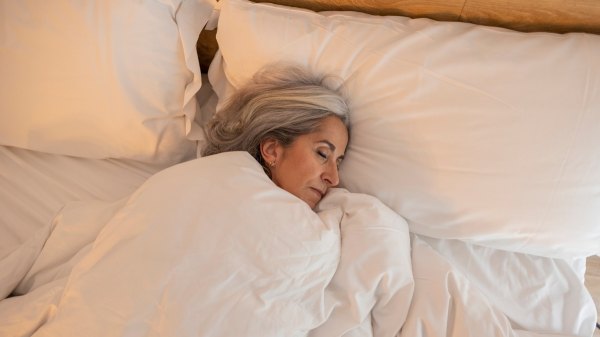
Even a four-minute daily session can make a difference in hair thickness. “A scalp massage is thought to stimulate circulation, widening the blood vessels and allowing for more nutrients and oxygen to reach the hair follicles to encourage hair growth,” Dr. Green says. Reducing stress through mindfulness, gentle yoga and quality sleep also helps regulate the hormones that support healthy hair.
Consider supplements
Board-certified dermatologist Jennifer Gordon, MD, personally swears by Nutrafol, a hair growth supplement designed for women over 45 that targets the main causes of hair loss, including hormonal changes, stress and aging. The formula includes adaptogens to balance stress hormones, antioxidants to minimize environmental stress and peptides for stronger hair.
Pop a pumpkin seed pill
A study in Evidence-Based Complementary and Alternative Medicine showed that participants who took 400 mg daily of pumpkin seed oil for 24 weeks experienced a 40 percent increase in hair count. Board-certified dermatologist Dr. Rambhia notes this is potentially due to the oil’s ability to reduce DHT levels.
Skip hair stressors

Be gentle with your hair too—avoid too much heat, tight hairstyles or chemical treatments while it’s recovering. Washing every three days helps prevent buildup without stripping natural oils.
The reassuring bottom line on what causes hair loss
Some shedding is perfectly normal—up to 100 to 150 hairs a day, in fact. But when you start noticing visible changes in your hair’s thickness or your part, it may be time to pay attention. Knowing what to look for can help you decide when it’s worth scheduling an appointment to figure out what’s causing your hair loss and the best treatment options.
Ready for more inspiration? Subscribe to our YouTube channel for video podcasts, health tips and uplifting stories designed for women 40, 50, 60 and beyond.
Conversation
All comments are subject to our Community Guidelines. Woman's World does not endorse the opinions and views shared by our readers in our comment sections. Our comments section is a place where readers can engage in healthy, productive, lively, and respectful discussions. Offensive language, hate speech, personal attacks, and/or defamatory statements are not permitted. Advertising or spam is also prohibited.