Have Vertical Ridges in Your Nails? What Your Body Is Trying To Tell You—Plus How To Smooth Them
A dermatologist reveals the nutrient deficiency that may be to blame and the much more likely cause

Key Takeaways
- Vertical ridges in nails affect up to 85 percent of women over the age 50.
- Though widely blamed on a nutrient deficiency, they’re typically caused by aging.
- See a doctor right away if pigmented or painful ridges appear suddenly.
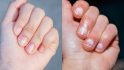
The next time you’re polish-free, take a quick peek at your fingertips. Up to 85 percent of us over age 50 will see a few little ridges in our nails running from cuticle to tip—and almost all of us will blame them on the wrong thing. “There is a lot of misinformation out there,” says Melanie Palm, MD, a board-certified dermatologist at Art of Skin MD in San Diego and assistant clinical professor at UC San Diego. So what’s really behind these ridges? Dr. Palm is revealing the answer—plus five easy home remedies and a prescription fix that can help make vertical ridges in nails disappear.
What really causes ridges in nails—and when to worry
Most of us think vertical ridges are signs of a nutrient or vitamin deficiency, and it’s true that they can signal low iron if accompanied by fatigue, pale skin and shortness of breath. But for the vast majority, vertical ridges are strictly cosmetic and a normal sign of aging. “As we get older, cells that produce the nail plate may not turn over quite as evenly or efficiently, which can result in fine vertical lines,” explains Dr. Palm. “They’re comparable to fine lines on the face.”
It’s worth noting that horizontal ridges that run across the nail are a different story. Called Beau’s lines, they can form when nail growth is temporarily interrupted by factors like intense stress or as the body fights a serious illness or injury, so definitely point them out to a doctor, says Dr. Palm.
Do you ever need to worry about vertical ridges? Yes. See a dermatologist if a ridge comes on suddenly, affects only one nail, causes significant splitting and/or is accompanied by swelling or pain. You may have a cyst, fungal infection or even melanoma. Particularly concerning: A new brown or black streak that is widening or extending onto the surrounding skin should always be evaluated. “Nail melanoma is uncommon, but it’s important not to dismiss a changing pigmented band,” she says. (Discover more secrets dermatologists wish women knew.)
If your nail ridges are the typical harmless kind, here’s what you can do about ‘em.

How to smooth ridges in nails
If you’re looking for really quick fixes, we’ve got you covered. We have long-term fixes too, though they require a smidge of patience. “You can’t permanently smooth out the part of the nail that has already grown, so any improvement has to occur as a healthier nail grows,” explains Dr. Palm. “Fingernails generally take several months to replace themselves.” So consider using the first couple tips in combination with those that follow.
Grab an $11 base coat
“For an immediate cosmetic improvement, a ridge-filling base coat is probably the quickest and safest option,” says Dr. Palm. “It settles into the uneven areas and creates a smoother surface before polish is applied.” Some options include: Sally Hansen Repair + Rescue Insta-Smooth Ridge Filler, Olive & June Ridge Filler and Nail Tek Foundation.
Gently buff nails
“Very light buffing can soften the appearance of ridges,” Dr. Palm notes. A caution: “Aggressive or frequent buffing thins the nail plate and can ultimately make the nail weaker and ridging more noticeable.” So don’t try to completely sand the ridges away.
Massage with jojoba oil
“Dryness also tends to make ridges stand out more,” says Dr. Palm, who recommends moisturizing often. “Consistency is more important than choosing one particular product,” and even Vaseline can work if you make it a habit.
That said, jojoba oil may have an edge. Jojoba molecules have a long, sleek shape, which allows them to sneak a bit deeper into the nail plate compared to typical hand cream. Just massage a small amount into your nails and cuticles each night before bed.
Put on rubber gloves before cleaning
“Nails repeatedly expand and contract when exposed to water, soap and cleaning products, which can make the nail plate more brittle and uneven,” notes Dr. Palm. Slipping on rubber gloves before you do dishes or scrub the tub is so simple, and it can encourage the growth of healthy ridge-free nails.
Let nails detox

Prolonged exposure to harsh chemicals can also impact nail beds and lead to pronounced ridges. This includes chemicals in manicure supplies. “I would be cautious with repeated gel manicures, acrylics and frequent polish removal if your nails are already fragile,” says the doc.
Ask about an Rx
If your nail ridges are pronounced and bothersome, “there is a prescription product called Jublia that can strengthen weakened nails,” says Dr. Palm. The potential drawback: It’s a toe fungus medication, so insurance may not pay. Manufacturer Ortho Dermatologics has a savings program that can bring the out-of-pocket expense down to $75 per refill. If you qualify and can swing it, it can be worth discussing with your dermatologist.
The bottom line on smoothing ridges in nails
“In most cases, nail ridges are normal, harmless and manageable,” says Dr. Palm. So there’s zero reason to worry. Instead, take ridges as a sign to lavish your nails with TLC. Go ahead and give your hardworking hands the love they’ve earned. It’ll feel great and help ridges gradually fade away!
Conversation
All comments are subject to our Community Guidelines. Woman's World does not endorse the opinions and views shared by our readers in our comment sections. Our comments section is a place where readers can engage in healthy, productive, lively, and respectful discussions. Offensive language, hate speech, personal attacks, and/or defamatory statements are not permitted. Advertising or spam is also prohibited.