CPAP Alternatives Doctors Recommend To Help You Manage Sleep Apnea and Snooze Soundly
CPAP is the gold standard treatment, but it's not without side effects

Key Takeaways
- CPAP machines are a go-to treatment, but many users struggle with comfort and side effects.
- Simple fixes like mask adjustments and humidifiers can improve CPAP tolerance fast.
- Alternatives to CPAP—from oral devices to weight loss—can ease sleep apnea symptoms.
If you’ve been diagnosed with obstructive sleep apnea (OSA), you know that a continuous positive airway pressure (CPAP) machine is supposed to be your best friend at bedtime. But for many of us, it feels more like an unwelcome guest. Between the mask discomfort and dry mouth and disrupted sleep, it’s easy to get frustrated and feel tempted to toss the whole thing. Here’s the good news: Whether you want to make your CPAP more manageable or explore alternatives to ease your symptoms, there are real solutions that can improve your sleep quality.
The CPAP is widely regarded as the gold standard treatment for obstructive sleep apnea, but it’s far from perfect. “People have a wide range of feelings about it,” says Dylan Petkus, MD, MPH, MS, author of Sleep Apnea Solution: Less Snoring, Less CPAP, Just Sleep. “Some hate it, some tolerate it—and some love it so much they include it in their will,” he says.
The device is well-tolerated by only about 30 to 40 percent of people, Dr. Petkus notes, and up to 50 percent stop using it during the first year, according to a 2017 study by the Canadian Agency for Drugs and Technologies in Health.
CPAP machine side effects are real
When a CPAP mask isn’t comfortable or properly aligned, it can lead to a whole list of problems that seriously disrupt your rest and quality of life, confirms neurologist and sleep physician Brandon R. Peters, MD, author of The Sleep Apnea Hypothesis
Those problems include dry mouth (which may contribute to gingivitis), dry eyes from air leaks blowing onto the face and nasal dryness or congestion, which sometimes leads to nosebleeds. Air swallowed through the mask can cause bloating, gas or belching, while a poorly fitted mask may lead to skin irritation, facial pain and even pressure ulcers.
Certain conditions can make these side effects worse, adds Dr. Petkus. Allergies, asthma, sinus issues and nasal polyps can leave your airway already irritated before you even strap on the mask. And hormonal changes like menopause can make the mouth and airway more prone to dryness and irritation.
How to make your CPAP more comfortable
Before you ditch your machine entirely, a few smart adjustments can often make a real difference. “Finding a properly fitting mask is like finding the right pair of shoes: it’s not one-size-fits-all,” says Dr. Peters. Your doctor can help ensure you’re using the right CPAP device for your needs and double check that your mask fits properly. What else can help?
Try positional therapy
Simply changing how you sleep can help. “You can try sleeping on your side—basically, lie on your belly with one knee slightly to the side,” Dr. Petkus suggests. “This position has been shown to be helpful” in easing sleep apnea symptoms.
“Some people attach a tennis ball to their T-shirt to ensure they don’t roll onto their back, while others use sleep wedges to help keep their head in the right position,” Dr. Peters adds. Raising the head of the bed also helps keep your upper airway open so you breathe easier. You can use extra pillows, a wedge pillow or even incline the entire bed.
Run a humidifier
“When mucus in our airways dries up, it can affect our breathing,” observes Dr. Peters. “Just plugging in a humidifier can reduce these issues” when using a CPAP device.
CPAP alternatives doctors recommend
If you’ve given your CPAP a genuine try and it still isn’t working, there are doctor-approved alternatives worth exploring. From affordable over-the-counter solutions to custom dental devices, the range of alternatives has grown. Here’s what our experts recommend discussing with your sleep medicine provider.
Oral appliances
This is “a guard specially made by a dentist that holds your tongue forward, and helps improve breathing patterns,” Dr. Peters explains. He describes it as “a fitted device like a retainer, designed to incrementally apply more tension to the lower jaw, moving it forward and opening up your airway.” Dr. Petkus shares that mouth guards can range from a $40 over-the-counter option to a $4,000 custom device from your dentist.
Nasal strips and chin straps
One simple CPAP alternative is something you can find in your local drugstore. Nasal aids like Breathe Right nasal strips and Max-Air Nose Cones help dilate the nose and prevent snoring, says Dr. Peters. Another OTC option: A chin strap to keep your mouth closed. According to a study in the Journal of Clinical Sleep Medicine, the simple fix improved symptoms of severe OSA as well as or better than a CPAP device. It also reduces dry mouth and the bad breath that often comes with it.
Myofunctional therapy
Simple exercises you can do at home help you learn where to place your tongue to reduce the number of apnea episodes. Plus they help strengthen the muscles in your throat. Dr. Peters says this type of training helps decrease the severity of sleep apnea symptoms over time. To get started, check out a free YouTube video.
Losing weight
“Gradual, slow and steady weight loss helps open up the airway,” says Dr. Peters. “The rule of thumb is to lose 10 percent of your body weight for best results.” That’s about 17 pounds for a 170-pound woman. “Some people can resolve their sleep apnea with weight loss alone,” he says. (Discover easy weight loss hacks.)
Surgical alternatives to a CPAP
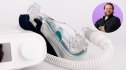
For moderate-to-severe cases of sleep apnea, a CPAP alternative worth considering is Inspire, a surgically implanted device. “It’s a hypoglossal nerve stimulator, like a pacemaker for your tongue, which contracts the tongue to help clear your throat,” Dr. Peters explains.

Other options include nasal septum and soft palate surgeries to help treat obstructive sleep apnea. That said, surgery is very individualized and usually considered a last resort, adds Dr. Petkus.
Your doctor can help you find the best CPAP alternatives
Sometimes, the simplest changes make the biggest difference. “I often see comments on social media from people who say, ‘I was struggling with my CPAP, then I realized I could just try sleeping on my side.’ Something that simple can make a big difference,” says Dr. Petkus reassures. Talk to your doctor about how to make your CPAP work for you and alternatives worth considering—because better sleep shouldn’t feel like a punishment.
Ready for more inspiration? Subscribe to our YouTube channel for video podcasts, health tips and uplifting stories designed for women 40, 50, 60 and beyond.
Conversation
All comments are subject to our Community Guidelines. Woman's World does not endorse the opinions and views shared by our readers in our comment sections. Our comments section is a place where readers can engage in healthy, productive, lively, and respectful discussions. Offensive language, hate speech, personal attacks, and/or defamatory statements are not permitted. Advertising or spam is also prohibited.