What At-Home Microbiome Tests Can (and Can’t) Tell You About Your Gut Health, According to Doctors
It promises better digestion, sharper mood, even weight loss. Here's what gastroenterologists say it actually delivers.

At-home microbiome tests are having a moment. You mail in a stool sample and get back a report on your gut bacteria, along with personalized claims about your diet, weight, mood and even longevity.
The kits run $100 to $500 or more, dozens of companies now compete for your sample, and gastroenterologists are increasingly seeing patients arrive with results in hand.
Here is what an at-home microbiome test can and cannot tell you—and what you should be doing instead, no matter what the results say.
What an at-home microbiome test measures
The process is simple. You collect a small stool sample, usually with a swab or wipe, and mail it to a lab that sequences the microbes inside. The company then compares your mix of gut microbes against a supposed ideal and flags where things look imbalanced.
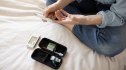
Some kits are eligible for HSA or FSA spending, which can make them feel more medical than they really are.
The marketing is compelling. These tests pitch themselves as a window into a hidden ecosystem, a full inventory of your gut bacteria sorted into good and bad, with a verdict on whether your balance is healthy.
From there, many promise a personalized roadmap of which foods to eat, which to avoid and which supplements will set things right. The broader sell is aspirational: better digestion, more energy, weight management, sharper mood and even a longer life.
Companies are careful to say they are not diagnosing or treating disease. But many pair results with a sales pitch. Roughly 45% also sell the supplements they recommend alongside your report, according to a March 2024 Science policy article calling for tighter regulation.
What gastroenterologists say about at-home microbiome tests
The doctors who study the gut microbiome are strikingly consistent: the science is not ready, and an at-home gut microbiome test cannot deliver what they imply.
There is no agreed definition of a healthy microbiome. Your bacteria shift with diet, geography and even the day. “There’s no one specific pattern that says, ‘This is what a healthy microbiome looks like,’” says Dr. Najwa El-Nachef, a gastroenterologist at Henry Ford Health.
They are not regulated or validated. As Dr. Peter Mannon of Nebraska Medicine notes, each company varies in its methods, analysis and interpretations, and neither the FDA nor NIH oversees these kits.
They also measure the wrong things imperfectly. Most gut microbiome testing sequences which bacteria are present but skip the chemical activity that explains how your gut actually functions, and a stool sample mostly reflects the colon rather than the small intestine.
And there is usually nothing to act on. Even a flagged imbalance has no medically backed fix, since diet and antibiotics are the only proven tools to shift the microbiome. Acting on a bad result can mean needless restrictive diets, unnecessary supplements or even risky at-home fecal transplants.
So is any at-home gut microbiome test kit worth it? “Unfortunately, there aren’t tests that are clinically proven or detailed enough to inform the way we manage an individual’s health,” El-Nachef said.
Her honest verdict to patients, as she told Medscape Medical News: “The test provides interesting insider information, and if you’re interested in the data, you can do it, but it may not change our action plan.”
How to choose the best at-home microbiome test
If you still want to test out of curiosity, go in clear-eyed. A few things separate a more honest at-home gut health test from a pure marketing machine.
Get clear on your goal first. A test can be a fun snapshot, but it will not diagnose real symptoms. “At this time, there does not seem to be enough evidence to recommend these tests for routine health maintenance,” says Dr. Arvind Reddy, a gastroenterologist at Houston Methodist.
Favor tests that do not sell you supplements. About half of these companies sell the very products they recommend, a built-in conflict worth avoiding. “If someone is selling a probiotic, I would worry about that recommendation,” El-Nachef told Medscape.

Look for transparency about methods. Reputable tests disclose how they sequence your sample and what they compare it against. Be wary of proprietary black-box scoring and confident good or bad verdicts built on benchmarks the company will not explain.
Mind cost, privacy and false signals of legitimacy. These run $100 to $500 or more, are not covered by insurance and hand a company your biological data, so it is worth reading the privacy policy. And HSA or FSA eligibility is not a stamp of medical approval.
Know when to skip the test entirely. Red flags like bloody stool, severe pain, unexplained weight loss or persistent changes in bathroom habits call for a gastroenterologist, not a kit.
What actually improves gut health

The proven path to better gut health needs no at-home stool test. “I would not significantly change therapy or take a bunch of expensive supplements based on these results,” Dr. Mark Benson of the University of Wisconsin-Madison told the Associated Press.
Instead, focus on the basics:
- Aim for around 25 grams of fiber a day from a variety of whole foods like vegetables, fruits, legumes, whole grains, nuts and seeds
- Cut back on sugar and ultra-processed foods
- Get probiotics from fermented foods like yogurt, kimchi and kombucha rather than supplements
- Stay hydrated and prioritize good sleep and regular exercise
- See a doctor for serious symptoms like bloody stool, severe pain or persistent diarrhea and constipation
The upside of the trend is real awareness. “It is great that people now have an increased awareness of a part of their body and health that they had no idea about before,” says Mannon. “However, like any other topic, where there’s a lack of, or gap in, information, there will be people taking advantage of it.”
Conversation
All comments are subject to our Community Guidelines. Woman's World does not endorse the opinions and views shared by our readers in our comment sections. Our comments section is a place where readers can engage in healthy, productive, lively, and respectful discussions. Offensive language, hate speech, personal attacks, and/or defamatory statements are not permitted. Advertising or spam is also prohibited.