I Thought It Was Just Me: Why Women Don’t Talk About Low Desire—and the Women Who Are Changing That
For years, women suffered in silence. Now they're speaking up—and reclaiming their intimacy

Key Takeaways
- You're not alone: Millions of women experience low desire—HSDD is a real medical condition.
- It’s no longer taboo. Women are speaking up and getting the treatment and relief they deserve.
- We have resources like easy talking scripts to follow and access to telehealth experts.
Millions of women have kept their low desire a secret, thinking they were alone. A voice in their head kept whispering: Is it just me? Their desire vanished—not overnight, but slowly like the shift of seasons. And by the time they realized it was gone, many of them felt too ashamed or embarrassed to bring it up with a doctor or even a partner. But here’s a message worth hearing loud and clear: No one has to suffer in silence anymore and miss the intimacy they once cherished, and the future health benefits it delivers. Low desire is a true medical condition that has a proven treatment. And speaking up is the first step in feeling like yourself again. Keep reading to hear brave testimonials from women who experienced low desire and how the conversation is changing for the better!
Women have suffered in silence for years
Part of it comes down to shame from an outdated belief that women should be agreeable and never complain, even about low sexual desire. “It’s the sad truth that women often feel they are the problem,” says gynecologist Barbra Hanna, MD, co-founder of MyMenopauseRx. “They spend years wondering, ‘What is wrong with me?’”
Others stay quiet because they assume low desire is something they simply have to accept or a normal part of aging. Dr. Hanna shares that when women learn that hypoactive sexual desire disorder (HSDD) is a “legitimate treatable medical condition with a biological explanation for their symptoms, not a character flaw, relationship failure or an inevitable consequence of aging, they immediately shift from self-blame to relief and hope.”
There’s more to low desire than you might think. Visit our Desire Hub to learn more about HSDD and what can help.
What real women say about HSDD
A healthy level of sexual desire is worth fighting for, worth treating and worth regaining. But many women are only just starting to realize that thanks to hearing their peers talk openly about this once-taboo topic. Here are some of the behind-the-scenes experiences women have had with HSDD. These candid confessions prove that no one is alone with this experience that can affect as many as 40 percent of women in their lifetime.
We assume it’s just aging
When many women feel their desire dry up as they age, they think it is natural and they don’t investigate it. This is evident in the documentary The Pink Pill about women’s struggle with low desire, and the introduction of the first FDA-approved prescription medication for HSDD called Addyi for both pre and postmenopausal women under 65 with HSDD. In it, Sarah Cigna, MD, an ob-gyn and sex-med specialist at George Washington University, shared, “I had a patient come in just the other day who said, ‘I shouldn’t even be having sex anymore, right?’”
Dr. Cigna recalls feeling saddened by this question she hears from postmenopausal women. “Patients within themselves don’t feel like they deserve sex, they don’t deserve intimacy, they don’t deserve pleasure or connection.” She adds, “I don’t understand how this can be so ingrained in everything that we do that even patients feel that they don’t deserve it.” She adds, “What’s so heartbreaking is to see that people don’t even value themselves, because our society has so clearly told them that they are no longer a valued part of society.”
Skip Straight to Answers
Ready to get started?
Book a telehealth appointment today
We don’t know how to name it
Some women don’t know how to explain what they’re experiencing. Sue W. Goldstein, a sex researcher at San Diego Sexual Medicine, knows this confusion firsthand. “If you’ve never experienced HSDD, you don’t understand what it is,” she says. “I know that I was functional before. I know it’s not in my relationship. I know something’s changed.” She recalls filling out a questionnaire and learning she suffered from HSDD.
HSDD can show up differently in different women. Goldstein shared, “It may mean that when your partner walks in the door, you used to want to jump his bones or her bones, and that’s not of interest anymore. It may be that while you’re in bed having sex, you think, I have to put the wash in the dryer, I forgot to buy milk… or it may be that you don’t want your partner to touch you because you’ve developed an aversion.” She reveals, “For me, I was having, essentially, ‘duty sex.’ When I had sex, it was good—[but] I had no reason to want to have sex again.” Now she knows, “Just because you’re menopausal doesn’t mean you don’t have a right to great sex.”
We may fear relationship tension
Sexual health patient Vicky Loftus provided testimony to the FDA about HSDD, explaining, “My marriage has suffered greatly, so much so that the conversation of divorce is on the table, stemming from my low sexual desire.” She added, “My husband has a difficult time understanding my struggle with this disorder. He still takes my avoidance of sex personally, thinking I don’t love him anymore and there is something wrong with him, which is farthest from the truth.”
We experience doctors dismissing our concerns
“Men’s sexual dysfunction is often visible, obvious and measurable in inches or minutes,” explains Dr. Hanna. But women’s sexual desire is a complex mix of factors including brain chemicals and hormones.
“The challenge is that these changes are often invisible. Unlike many other medical conditions, there is no outward sign that a woman’s sexual desire has diminished,” Dr. Hanna says. “As a result, their symptoms have historically been dismissed as stress, relationship problems or simply a normal consequence of aging.” But she assures patients, “The biology is real. It simply presents differently in women than men. The end of fertility does not mean the end of sexuality.”
We worry we’ll be judged
Some women reveal they fear being judged for not working harder to please their partners. Cindy Eckert, who experienced HSDD, described hearing people tell her, “Go along, this is what it is. Relax honey, have a bath, schedule date night, buy some new lingerie, do better.”
Katherine Campbell, another woman who spoke to the FDA about low libido, reported, “If your sexual desire issues can be cured with a good day and a babysitter, then congratulations, you do not have HSDD. But the rest of us would sure appreciate it if you would stop dismissing our concerns and making a complete mockery of the [health] issue.”
We can feel caught off guard
Low desire may come as a surprising side effect to other medical issues like early menopause. One woman named Erica shared her testimony in front of the FDA panel, saying, “HSDD is not a figment of a woman’s imagination. It’s not a fiction invented by the drug companies, and it’s not a disease forced upon women by the medical community.” She added, “HSDD is real, I know, because I had it when I was 24 years old. I was diagnosed with breast cancer. I was clearly informed of many of the potential negative consequences of surgical menopause, but no one ever advised me that I was at an increased risk for HSDD.”
We fear a loss of identity
Other women stay silent, in a state of mourning over the loss of their old, sexual life. Susan Lake, a sexual health patient, shared that she used to have a high libido—one she’d rate an 11 on a scale from one to 10. She added, “Then when menopause hit, I became like a negative three. It was devastating as a woman. We love to feel desirable… I felt like someone had just slayed me. I tell people I lost touch with my inner goddess.”
Brave women changing the conversation about low desire
Now, women are speaking out more than ever about the medical condition HSDD and how they are getting help. It’s all thanks to women like:
Cindy Eckert, pioneering pharmaceutical CEO
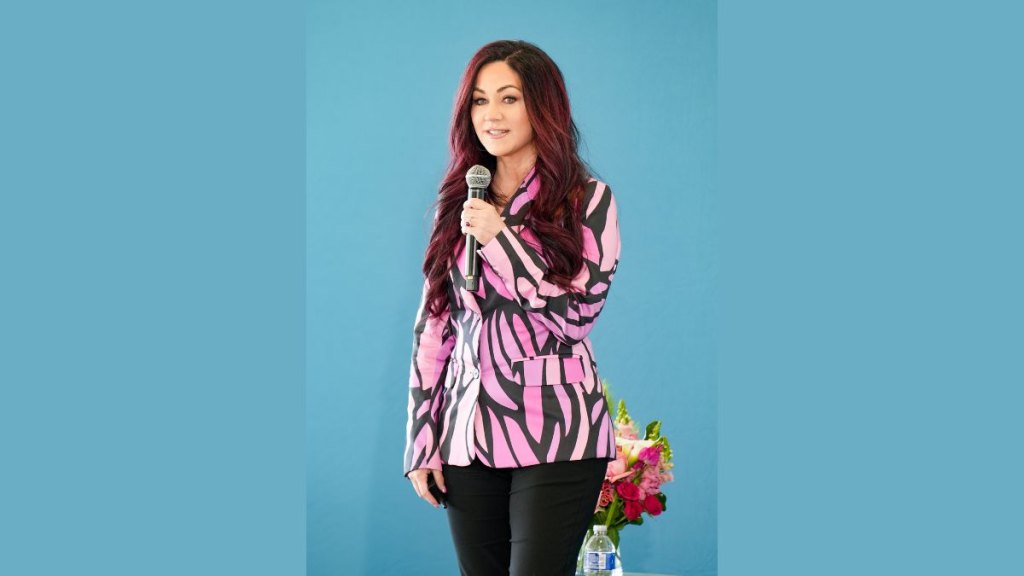
She fought for 10 years to bring the prescription drug Addyi to market. She’s an HSDD patient herself and wants women to have access to proven treatments. “We’ve had biological solutions and treatments for men. I think it’s time for women,” she says. She explains women often sense something is off with their health. “They had a desire before, and they’ve lost that and it’s really causing pretty profound distress, either for them personally or in their relationship dynamic.”
Patients like Barbara Gattuso who speak up
As a nurse, she volunteered as a subject in the Addyi (flibanserin) clinical trial and later testified before the FDA approval panel. She shared, “I did phenomenal on this drug. I feel like a new woman.” She added the prescription medication “can change people’s lives; they can change relationships, they can make a person whole again!”
Informed doctors and health care providers
We’re talking gynecologists, menopause specialists and sexual medicine specialists who are knowledgeable about HSDD and point women to the latest, empowering treatments and tools available. “The magic that happens after someone reclaims their sexuality: They just know who they are and take full ownership of their existence, their bodies, their birthright of pleasure,” shared sexual health expert Maria Uloko, MD, CEO of Vulvai. She witnessed great things happening for women. “They had the audacity and the audaciousness to chase their pleasure, which then opened up doors to chase all their other dreams!”
Sex therapists working to reduce shame around sexual issues
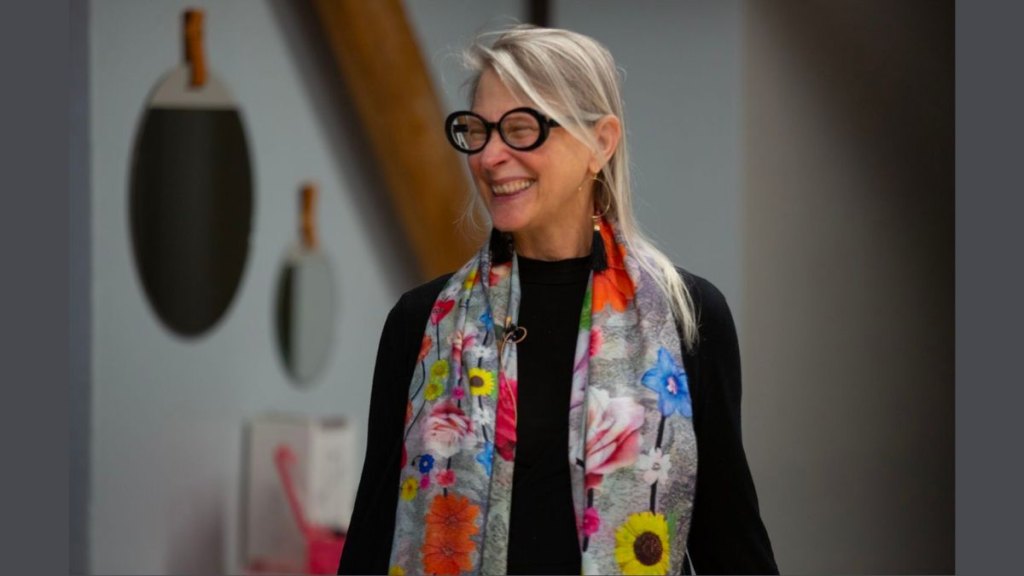
Many agree now is a time to find your voice. “You must use your words at this time of life and in this situation even if you have not in the past,” says Carol Queen, PhD, a sexologist, educator and LGBTQ+ advocate. “Midlife partners need to help each other understand any changes that have occurred. Discussing them takes away some of the fear and discomfort about having a sexual issue.” She adds, “Please try to fight down any shame. This is your body, functioning the way many bodies do. Not a single one of us is truly served by the idea that we should not talk about sexual functioning.”
How to start talking about low desire
To start a conversation about low desire, check out our Pink Scripts here. They are easy conversation starters to use with doctors and other important people in your life.
Real solutions helping women reclaim their intimacy
And to find a health provider who is informed about HSDD and FDA-approved treatments, use this handy telehealth tool here to book your appointment today.
The bottom line about ending the silence around low sexual desire: Your sexual health and satisfaction are important and worthy of discussion and treatment. And now more than ever, help is available. Let’s work together to spread the word to women in need of sexual support!