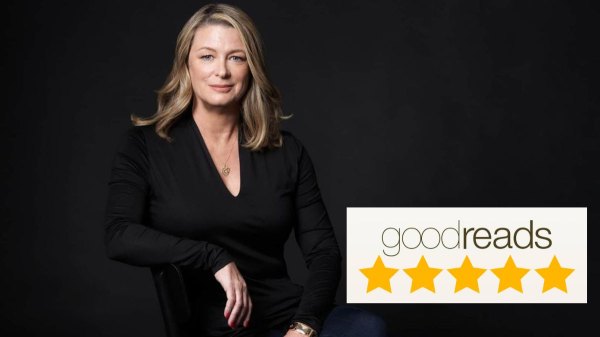
Melinda French Gates, 61, Says It Took Three Doctors To Diagnose Her Perimenopause Symptoms
Get pro tips to advocate for yourself and get the care you need during this life transition

Key Takeaways
- Melinda French Gates told Norah O'Donnell it took three doctors to diagnose her symptoms.
- A leading ob-gyn shares overlooked symptoms that may point to perimenopause.
- French Gates shares tips on how to advocate for your health and better menopause care.
You think you’ve just entered the life stage you’ve heard so much about: perimenopause. Perhaps you’ve been experiencing symptoms like mood changes or difficulty concentrating, and you’re left wondering: Could this be perimenopause? If you’ve struggled to get a clear answer from your doctor, you’re not alone. In an interview on Healthful with Norah O’Donnell, philanthropist and co-founder of the Bill & Melinda Gates Foundation, Melinda French Gates, 61, opened up about her own perimenopause journey, including the challenges she faced getting diagnosed and treated. We have all the details on her experience, plus a top gynecologist’s advice on recognizing and managing perimenopause symptoms.
French Gates says perimenopause started sooner than she expected
French Gates shared that starting perimenopause took her by surprise. “My experience was I started in my early 40s in perimenopause, and I kind of couldn’t believe it because I had just finished having my last child in my late 30s,” French Gates told O’Donnell. “And I thought, are you kidding me?”
While it’s more common for perimenopause to begin in your 40s, for some women, it can start as early as their mid-30s. “Perimenopause, the time leading up to menopause, typically lasts anywhere from four to 10 years, though for some women it may be shorter or longer,” explains Anna Cabeca, DO, FACOG, triple-board certified ob-gyn, regenerative and integrative medicine physician. “During this transition, ovarian hormone production becomes more erratic. Estrogen levels fluctuate before eventually declining, progesterone production decreases as ovulation becomes less consistent.”
One way to stay on top of whether you may be entering perimenopause is to pay attention to your symptoms. Dr. Cabeca says some of the most commonly overlooked signs include:
- Sleep disruption and insomnia
- Brain fog and difficulty concentrating
- Anxiety, irritability and mood changes
- Heart palpitations or a racing heartbeat
- Joint pain and body aches
- Hair thinning and skin changes
- Low libido

Why French Gates’ perimenopause diagnosis wasn’t easy
French Gates also shared on the podcast that it was her friends who helped her identify the signs of perimenopause. Getting a diagnosis and the right treatment from medical professionals, however, was a much more complicated process.
“Thank goodness, I have older friends and we would walk every Monday. And hearing their stories kind of eight or nine years ahead of mine, I knew what to watch for,” French Gates said. “But it was kind of unbelievable to me that even in this, you know, unbelievably privileged situation I’m in, where I feel like I can get some of the best health care, it took me three doctors to really diagnose what I was going through and to get the right treatments for where I was.”
“And it wasn’t because anybody was doing the wrong thing,” continued French Gates. “It’s because of what I now know, which is [that] only a third—one third—of ob-gyns in this country are trained in menopause.”
The glaring education gap in menopause care
“Despite the fact that every woman will go through menopause, menopause education has historically received far too little attention in medical training,” adds Dr. Cabeca. “In my more than 30 years as a triple board-certified ob-gyn, I’ve seen too many women told they’re ‘just stressed,’ ‘just getting older’ or [being] prescribed medication without anyone considering that hormonal changes may be contributing to their symptoms.”
“I’d love to see menopause education become a standard part of medical school, residency programs and continuing education,” continues Dr. Cabeca. “Every healthcare professional who cares for women should understand the hormonal changes that occur during midlife, recognize the symptoms and know how to offer evidence-based treatment options. Women deserve nothing less.”
French Gates on how to advocate for your health
As French Gates’ story shows, advocating for yourself at the doctor’s office is often an important part of getting the perimenopause and menopause care you need. French Gates shared three tips that could help.
Don’t stop looking for answers
“When you go to your doctor, don’t give up. If he or she can’t answer [your questions or concerns], go to somebody else. And if they can’t answer it, go to somebody else. Keep going. You own your own health, so I would say that as number one,” said French Gates.
Lean on your community
“Number two is go to your friends, talk to your friends about your health, have them talk to you about their health,” she added.
Support women’s health research
“The third thing I would say is get involved civically,” said French Gates. “Again, moving money to women’s health research matters, but it means your congressperson or your state legislator—they need to hear from you.”

The bottom line on navigating perimenopause

If you’ve already received a perimenopause diagnosis and are looking for support, know there are plenty of strategies that can help manage your symptoms, including prioritizing a diet rich in whole foods and protein, getting enough sleep, moving your body and managing stress, says Dr. Cabeca. And if you’re experiencing symptoms that seem like perimenopause but have yet to get the diagnosis or treatment you’re looking for (such as menopausal hormone therapy), consider trying one of French Gates’ tips to advocate for your health.
“You deserve to be heard, and you deserve a treatment plan that looks at the whole picture, not just one symptom,” adds Dr. Cabeca.
Ready for more inspiration? Subscribe to our YouTube channel for video podcasts, health tips and uplifting stories designed for women 40, 50, 60 and beyond.
Conversation
All comments are subject to our Community Guidelines. Woman's World does not endorse the opinions and views shared by our readers in our comment sections. Our comments section is a place where readers can engage in healthy, productive, lively, and respectful discussions. Offensive language, hate speech, personal attacks, and/or defamatory statements are not permitted. Advertising or spam is also prohibited.