‘Estrogen Face’ Is Real—a Menopause Expert Reveals How To Feel at Home in Your Skin Again
'It isn’t about ‘fixing’ yourself, it’s about supporting yourself,' says author Tamsen Fadal

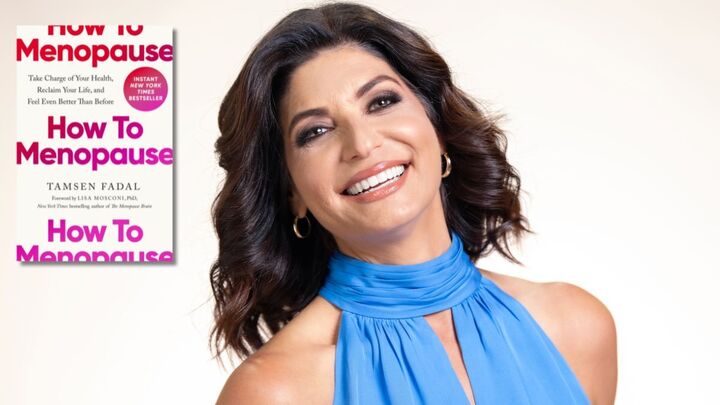
Millions of us have been watching TikTok videos that claim to show what “estrogen face” looks like. Is it even a real thing? “When I first heard the term, I was curious,” says Emmy-winning journalist and women’s health advocate Tamsen Fadal, author of the New York Times bestseller How To Menopause. “And the more I learned, the more I understood why it resonates with so many women. As estrogen declines, our skin starts to visibly change.”
Now change isn’t a bad thing, and we happen to believe many women become even more gorgeous in perimenopause and beyond (looking at you, Jamie Lee Curtis!). But if estrogen-related changes have you feeling like a stranger in your own skin, “you have options,” says Fadal. “I say this over and over again: This isn’t about ‘fixing’ yourself, it’s about supporting yourself. There are medical treatments, skincare routines and lifestyle shifts that can make a real difference. You deserve to feel good in your body.” Keep reading to learn more.
What exactly is ‘estrogen face?’
We tend to think of estrogen strictly as a fertility hormone, but it does so much more, working with other body systems to help keep us in the best shape possible. That includes ensuring our skin is a strong, supple barrier to keep good stuff in and bad stuff out. “Estrogen boosts collagen production, maintains moisture levels and supports skin thickness. It even improves blood flow, which gives that healthy glow we often associate with youth,” says Fadal, 54, host of the award-winning podcast The Tamsen Show. So when levels of estrogen drop, “changes in our skin often become one of the first visible signs we’re entering this new phase.”
Signs of lower estrogen include:
- Thinner or more fragile skin
- Deepening fine lines
- Sagging around the jawline and eyes
“Dryness is a big one, too,” adds Fadal. “Some women tell me they’ve never had dry skin in their life until perimenopause. There’s also a dullness that can creep in, and in some cases, even more noticeable hollowness in the cheeks or under the eyes.”
For many menopausal women, looking in the mirror and noticing the changes in your skin health can be emotional. “It can feel like your reflection suddenly doesn’t match how you feel inside.” The good news: “When we understand what’s happening in our bodies,” she says, “we can take better care of ourselves instead of feeling like something’s wrong.”
How to reverse ‘estrogen face’ and improve your skin after menopause
Giving mature skin TLC is about so much more than your appearance, says Fadal. Healthy skin helps us retain moisture, natural oils and electrolytes while buffering us from allergens, chemical irritants, pathogens and dangerous pollution particles. Anything you do to bolster your body’s outer barrier will immensely benefit your overall wellbeing. And, in the process, you can soften the appearance of signs of aging such as fine lines and wrinkles that may be bothering you.
With that in mind, Fadal is sharing her best tips for rejuvenating skin as estrogen levels decline.
Hydrate, hydrate and then hydrate some more
“Inside and out. Your skin needs more moisture now, not less,” says Fadal. “Drink water, eat healthy fats like avocado and salmon and use moisturizers with ceramides or hyaluronic acid to lock in moisture.”
Looking for an easy and free way to start? Aim to sip about two liters of water a day for 30 days. A study in the journal Clinical, Cosmetic and Investigational Dermatology found that was enough to help women significantly increase skin hydration.
Wear sun protection year round
“Sunscreen every single day,” urges Fadal, at least SPF 30 or higher. Turns out, UV-related aging is actually different from the natural aging caused by falling estrogen levels. Protecting skin from ultraviolet rays in the sun and certain forms of artificial light (like tanning beds, fluorescent and halogen lights) is fully in your control—and it can prevent or reduce wrinkles, fine lines, loss of elasticity, pigmentation changes, the appearance of small visible blood vessels and increased fragility of skin.
Fadal adds that getting plenty of vitamin C can help provide additional protection against UV damage, and skincare products like a gentle retinol can help brighten the appearance of UV-damaged skin.

Talk to your doctor about hormone therapy
“Topical or systemic estrogen therapy can help restore collagen and hydration if it’s right for you,” says Fadal. Lots of research has been done, with one International Journal of Dermatology study on topical estrogen cream showing that with six months of treatment, skin elasticity and firmness markedly improved, skin moisture increased and wrinkle depth and pore sizes decreased between 61 and 100 percent. And a recent Journal of Menopausal Medicine analysis of hormone replacement therapy delivered via methods like pills and patches found significant increases in skin elasticity, skin thickness and collagen content.
Prescription options “are not for everyone, but they can make a visible difference,” adds Fadal. Worth noting: Some women are even putting vaginal estrogen cream on their faces and report good results, though experts recommend versions formulated specifically for the face.
Eat for resilient skin
Our bodies use amino acids from protein we eat to bolster and repair skin, and older adults have a harder time extracting these amino acids from our food. So Fadal recommends aiming to increase your protein intake. The amount of protein you need by age varies, but most of us will want to shoot for 90 grams or so per day.
For bonus benefits, consider getting some of that protein from a collagen peptide powder supplement. Dietary collagen seems to spur our bodies to make more of their own collagen, and a study in the journal Skin Pharmacology and Physiology found 2.5 gram supplement daily for eight weeks has been linked to up to an 18 percent increase in compounds that keep skin elastic, a 20 percent reduction in wrinkle volume and significantly improved capacity to heal.
Also key: Go for lots of colorful, antioxidant-rich produce. The compounds help prevent damage to skin cells and reduce inflammation that can cause skin to age more rapidly. A 15-year Australian study found that middle-aged and older adults who consumed lots of antioxidants experienced significantly less skin aging related to UV exposure than those who had a low antioxidant intake.

Be kind to yourself
Good sleep and stress management “show up on your face,” says Fadal. A landmark study on skin aging in the journal Clinical Dermatology found that middle-aged women with good sleep habits have skin that holds in significantly more moisture, recovers better and faster from UV exposure and is 30 percent more resilient compared to women with poor sleep habits.

Meanwhile, separate research in the Journal of Cosmetic Dermatology shows lowering stress allows antioxidants from food to protect our skin better, which can reduce the appearance of fine lines and wrinkles by about 33 percent. Rutgers University findings even suggest yoga and deep breathing exercises can reverse the mechanisms of skin aging.
How big of a difference can these strategies make?
“A big one, both in how you look and how you feel,” says Fadal. “I’ve seen it in myself and I’ve heard it from so many women. When you feel more at home in your body, everything shifts. And sometimes, it’s not even about reversing the changes, it’s about feeling in control of your own process.
Your skin is not the enemy. It’s changing, yes, but so are you. And that doesn’t have to be something we dread. In fact, I’ve found that taking care of my skin in this phase has become an act of self-respect more than vanity. It’s not about looking 25, it’s about showing up for yourself, fully, now.”
Conversation
All comments are subject to our Community Guidelines. Woman's World does not endorse the opinions and views shared by our readers in our comment sections. Our comments section is a place where readers can engage in healthy, productive, lively, and respectful discussions. Offensive language, hate speech, personal attacks, and/or defamatory statements are not permitted. Advertising or spam is also prohibited.