‘An Amazing Life Is on the Other Side’: Caroline Beidler’s Journey From Drinking at Age 9 to Her Recovery Advice Today
A recovery expert who's lived it shares hope, boundaries and strength for women loving someone in addiction

Key Takeaways
AI-generated summary reviewed by our editorial team.- Recovery is not just about stopping a habit, but about becoming a new person.
- Setting limits isn't about control; it's about protecting your own heart and mind.
- Asking 'What happened?' instead of 'What's wrong with you?' changes the healing dynamic.
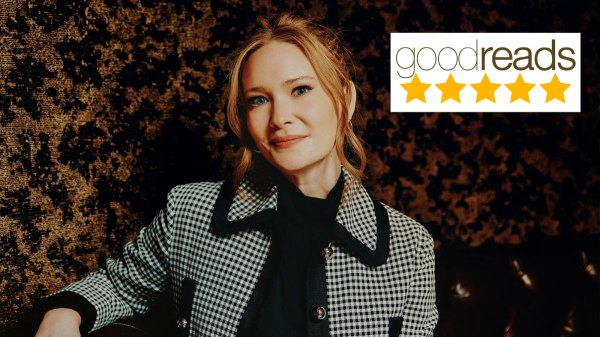
For years, Caroline Beidler has been on both sides of addiction — first as someone struggling to survive it, and now as a licensed clinical social worker and recovery expert helping others find their way through. In her powerful new book, When You Love Someone in Recovery, she speaks directly to the women who carry the quiet weight of loving someone in addiction, offering the tools, perspective, and hope that she has learned to help her keep going.
At the heart of her message is a truth she’s lived firsthand: “I wish everyone knew that while in recovery, we get to show up honest, we get to show up purposeful, we get to show up in a way that is helpful to our communities and our families. It’s not always easy, but it is 100% always worth it. So I wish everyone understood that if your loved one is struggling, on the other side of that struggle is an amazing life. Hold on and hang on to hope and your loved one will get there.”
Caroline’s path to recovery
Childhood trauma and a search for comfort devastatingly led Caroline to alcohol at just 9-years-old. “My journey started off like so many of us in addiction recovery — with a lot of struggle and hardship as a child,” she shares. She affirms that addiction and substance use disorder are symptoms of something greater going on.
Growing up in a broken home, she experienced alcoholism in the home, neglect and sexual abuse that propelled her to seek peace from dark places. After sneaking beer from her grandpa’s fridge and taking a drink when she was 9, she then went on a horrible roller coaster ride that lasted nearly two decades. But everything changed in her late 20s when she discovered recovery.
“What I discovered is that recovery is a much fuller experience, and it’s not just about stopping something, it’s about becoming someone,” she says. Today, now in her mid-40s, she’s grateful that she gets to not just live her own recovery story out, but help other people who are in those dark places too. “I am just super passionate about sharing not just what recovery is all about, but what we can find when we live in this new kind of transformed life,” she says.
And for Caroline, this is how she stayed hopeful throughout her own 15-year recovery journey. Here, she opens up to Woman’s World about her own personal journey and ways to help family members in recovery, while also staying strong and hopeful.

Show up for them
Caroline believes many families have been weighed down by misunderstood ideas about addiction. “Concepts like ‘enabling’ and ‘tough love,’ even ‘codependence,’ I feel like are terms that have really been distorted,” she explains, noting they often create guilt and unnecessary burden on families. She encourages asking loved ones a question: “How do we love well and show up for our loved ones in a way that is healthy?”
For Caroline, the answer is personal. She recalls a moment that stayed with her for decades, when her father came to pick her up during a difficult time. “He gave me a hug, and he pulled me into him, and I could just feel the sense of compassion,” she says. “He wasn’t trying to control me. It was just like a showing up and extending this love and concern.”
What mattered most wasn’t fixing everything; it was his presence and a conversation that began with compassion and understanding. “Instead of Caroline, What? What’s wrong with you? Why are you doing this to us? They started asking, What happened that you felt the need to start drinking at 9 years old?”
Find a community
For families in the thick of it, isolation can feel overwhelming, but Caroline wants women to know they’re far from alone. “We feel like we have the weight of the world on our shoulders and we have to carry it alone. But the truth is, we don’t,” she says. “Addiction recovery touches almost every single family. There are 24 million Americans in recovery alone.”
That reality, she explains, should replace shame with connection. “We don’t have to feel like we’re alone in our struggle anymore,” she says, encouraging loved ones to seek out others who understand. “You don’t have to walk through those experiences alone.”
Set loving boundaries
While compassion and understanding are essential to the healing and recovery process, Caroline is clear that healthy boundaries also matter. “A lot of times we think boundaries are for the other person, but boundaries are actually about us. They’re about protecting our hearts and our minds,” she explains. She points again to her father’s actions: “He said, ‘I’m not giving you cash, but I’m going to show up in a way that is healthy.’”
In her book, she builds on principles from Boundaries by Dr. Henry Cloud and Dr. John Townsend that offer practical ways to apply those ideas in real-life situations and create places of safety for yourself, too.
Preparing for a relapse
Relapse is one of the biggest fears families face, and Caroline doesn’t shy away from that reality. “Relapse is such a legitimate fear,” she says. Instead of living in constant anxiety, she encourages preparation. “The best thing you can do is be prepared,” she explains, pointing to tools like her free downloadable Family Recovery Planning Guide. Visit her website and type in your email address to download her free guide.
“Sometimes we look at recurrence of use as some type of failure or a disappointment. It can really just be a part of the journey,” she says as she encourages readers to reframe setbacks.

Take time for yourself

Amid the chaos addiction can bring, Caroline emphasizes that when caring for others, we are often overlooked in the process. She encourages the need for self-care and for women to reflect on their own needs. Ask yourself: “Am I caring and showing up for myself as much as everyone else in my life?” she says. “Otherwise, I’m trying to pour from an empty cup.” Even small things can restore balance and strength in the midst of uncertainty.
Remember that rebuilding trust is a process
When trust has been broken, healing doesn’t happen overnight, and Caroline encourages patience on both sides. “It took a long time for me to regain that trust,” she shares. “Healing takes time.” In a world that expects quick fixes, recovery requires consistency and grace. “We love instant everything,” she says, but real change is going to take time and practice. But with compassion and patience, she believes trust can be rebuilt, no matter how deep the pain.
Caroline brings expertise, wisdom, and lived experience to her work, offering a rare depth of understanding for families navigating addiction. Her new book, When You Love Someone in Recovery, is available now — providing hope, guidance, and practical tools for anyone walking this difficult, but impactful path.
Conversation
All comments are subject to our Community Guidelines. Woman's World does not endorse the opinions and views shared by our readers in our comment sections. Our comments section is a place where readers can engage in healthy, productive, lively, and respectful discussions. Offensive language, hate speech, personal attacks, and/or defamatory statements are not permitted. Advertising or spam is also prohibited.