‘Doctor Who’ Had a Time War Before the TV Series—and It Happened in the Novels
Years before the TV Time War, ‘Doctor Who’ novels destroyed Gallifrey and changed the Doctor

Key Takeaways
- 'Doctor Who' novels introduced the War in Heaven, a Time War involving the 8th Doctor and Gall.
- The Eighth Doctor ultimately erased Gallifrey from history to prevent the coming war.
- When Doctor Who returned in 2005, its Last Great Time War was officially a different conflict,
Prior to Christopher Eccleston’s Ninth Doctor returning Doctor Who to television in 2005 as the traumatized survivor of a conflict that had wiped out both the Daleks and the Time Lords, the franchise had already explored something remarkably similar in print.
It wasn’t the same war, at least not officially, but during the Wilderness Years (generally considered to span from 1989 to 2005), the BBC’s Eighth Doctor novels developed a sprawling storyline usually referred to as “The War in Heaven,” a temporal conflict involving Gallifrey, the Time Lords and a war whose effects could reach backward through history.
For Doctor Who historian Richard D. Carrier, who experienced those novels as the ongoing continuation of the series, the similarities became impossible to miss when the show finally returned to television.
RICHARD D. CARRIER: “When the new series started and Christopher Eccleston’s going on about a Time War, and he’s going on about Gallifrey not being there, I thought, ‘Oh, this is linking in with the books.’ But then Russell T Davies wrote a column in Doctor Who Magazine saying, ‘It’s not the same war.’ We thought, ‘Well, what? That’s a bit weird.’ But clearly he had taken a lot of influence from the books. He obviously had read them and followed them and had taken bits, so the reason I mentioned all these arcs is that although the books were written for fans and they were very much a niche thing, their influence on the program is still quite seminal.”
‘Doctor Who’ continues on the printed page
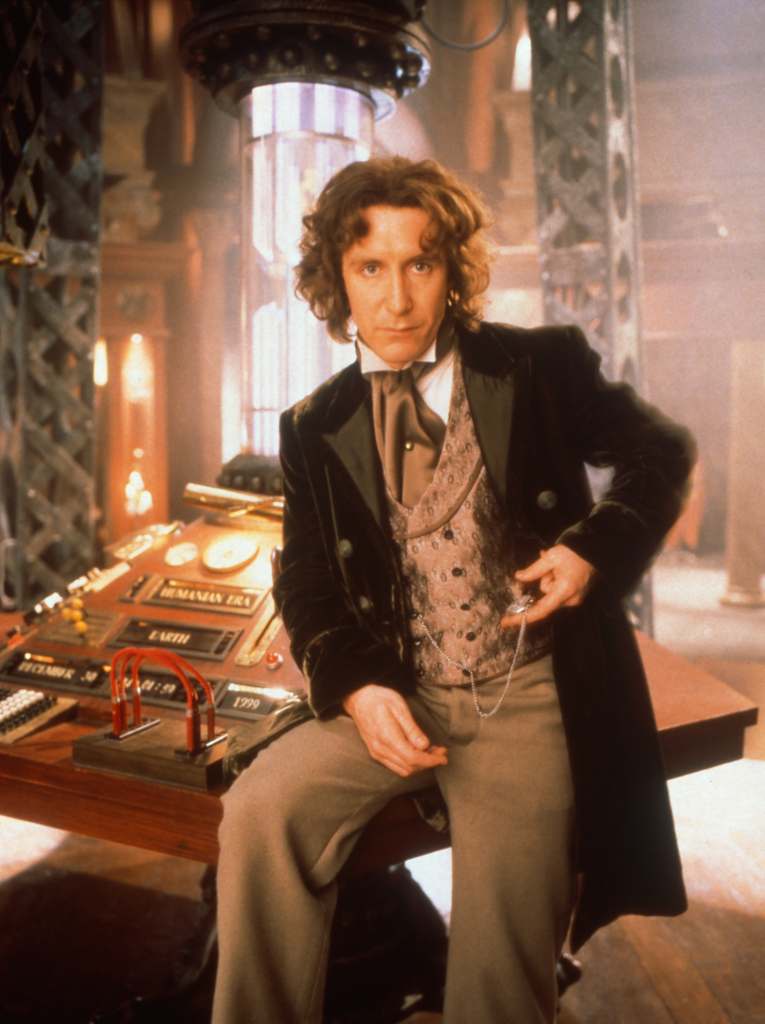
When the original television series ended in 1989, Doctor Who didn’t simply disappear. During the years that followed—in a history that mirrored Star Trek to some degree during that franchise’s “lost years” of the 1970s—original novels became one of the primary places where its mythology continued to develop.
After Paul McGann debuted as the Eighth Doctor in the 1996 television movie, BBC Books launched an ongoing series of original adventures featuring his incarnation. Those books became particularly important to fans who had no continuing television series to follow. Carrier was one of them.
RICHARD D. CARRIER: “When I was growing up and new Doctor Who wasn’t on TV, I was watching the classic series on TV and recording it, and the continuation of Doctor Who for me very much was the books until Big Finish came along. But even then Big Finish did stories with earlier Doctors, so they couldn’t really advance the storyline until they got Paul McGann involved. So for me, Doctor Who was the Eighth Doctor books, and that was the continuation of it.”
Those novels gradually developed their own mythology, and one of the major turning points came with Lawrence Miles’ 1997 novel Alien Bodies.
‘Alien Bodies’ introduces a war from the future
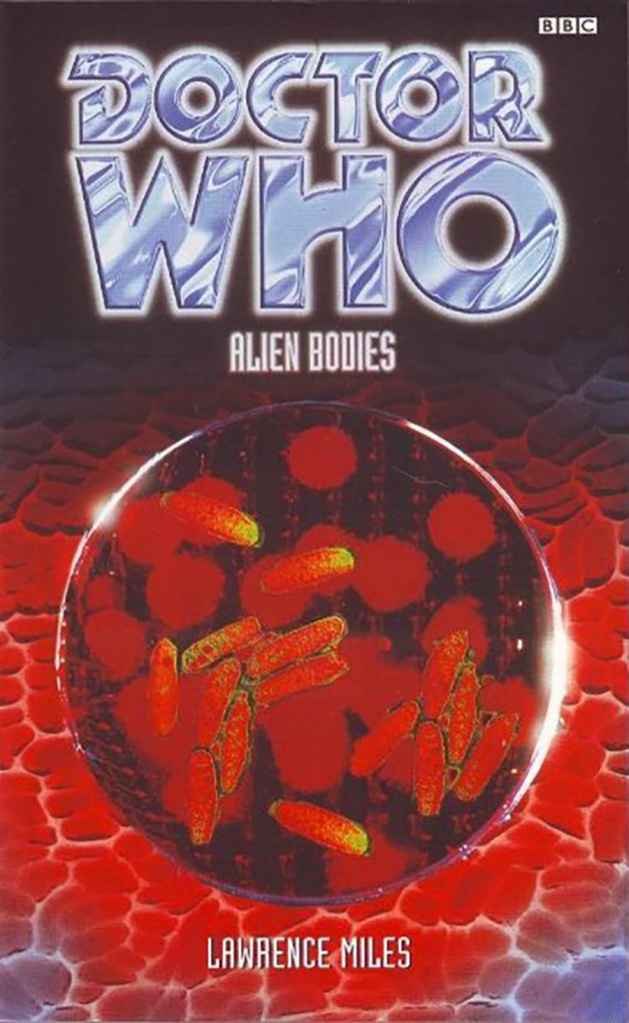
The premise of Alien Bodies is suitably strange. The Doctor and his companion arrive at an auction, only to discover that the object being sold is the Doctor’s own corpse from the future. And that corpse carries evidence of a war that has yet to happen.
RICHARD D. CARRIER: “And the idea is that he died fighting in a war, and there’s a future Time Lord there who has a TARDIS, which is so advanced that it’s like a living being, and it opens up and you can go inside and there’s a TARDIS inside, but it’s a person walking around. So he introduced this idea that there’s this future war that’s coming that’s going to engulf Gallifrey and the Time Lords, and it’s going to be fought temporally. It’s going to be a Time War, and you can see where this is going.
“So it started off an arc, which isn’t in all the books subsequent to this, but it comes in and out and some books deal with it more than others. And then it all comes together as this big sort of showdown where the Doctor is trying to prevent this war that’s going to happen in his future, in Gallifrey’s future.”
The war wasn’t something the Doctor simply traveled into and fought like a conventional military campaign. Because the conflict involved time travelers, its participants could attempt to change events before the war itself ever began and the resulting storyline operated through consequences, altered histories and people trying to manipulate the past.
‘The War in Heaven’
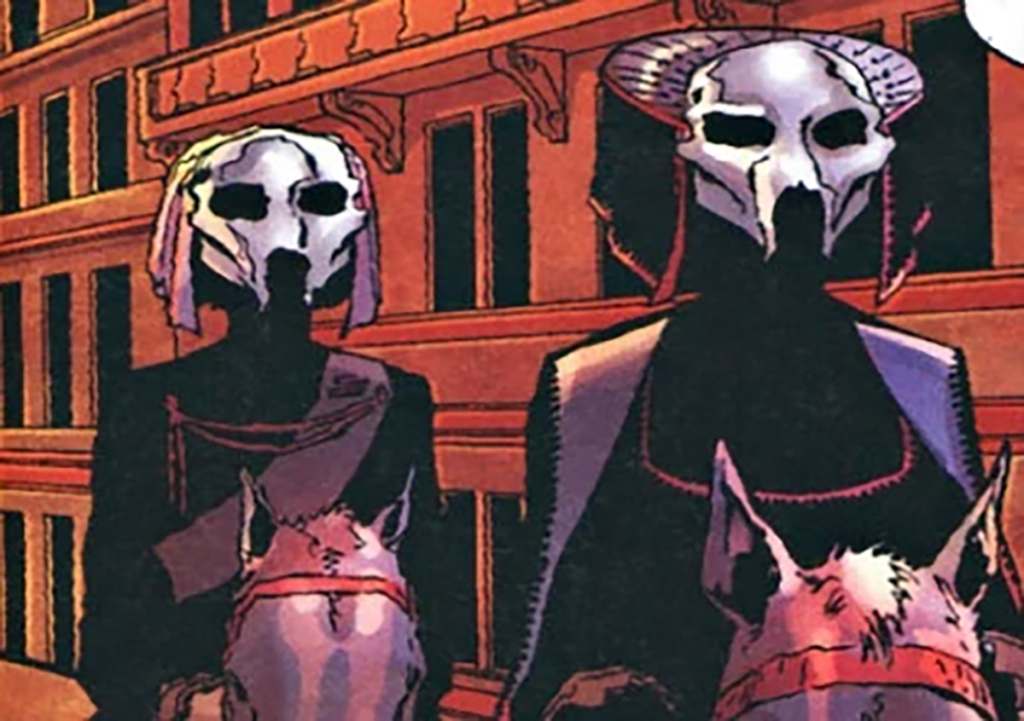
The storyline eventually became known as the “War in Heaven,” and it expanded well beyond a single novel. It also introduced Faction Paradox, one of the stranger creations to emerge from the Eighth Doctor era.
RICHARD D. CARRIER: “I think having that angle on the idea is something that the new show owes a debt to that period in the ’90s in several ways. There was a whole group introduced in it called Faction Paradox, which are this sort of voodoo time-traveling cult who muck about in the timelines, and that was created by the author. Then he went off and did a load of spinoff media involving them, so it expanded beyond the Doctor Who stuff.”
Eventually, the BBC Books line moved away from Miles’ version of the storyline. He then took Faction Paradox and its surrounding concepts and developed them as an independent fictional universe, stripped of the explicit Doctor Who terminology. The spin-off encompassed novels, short fiction, comics and audio dramas. The 2002 The Book of the War was an important early cornerstone of the independent version. But for Carrier, Alien Bodies was especially important because it signaled that these books were willing to push Doctor Who somewhere new.
RICHARD D. CARRIER: “With the Eighth Doctor books and the Past Doctor books the BBC started publishing, there was a bit of bad blood because it was this idea that they’ve taken it off Virgin [publishing] and we don’t really support this. It’s not quite the same. But that book came out and really kicked off a kind of a fascination because it was, like, ‘Oh, they’re doing something different. They’re doing something a bit weird.’”
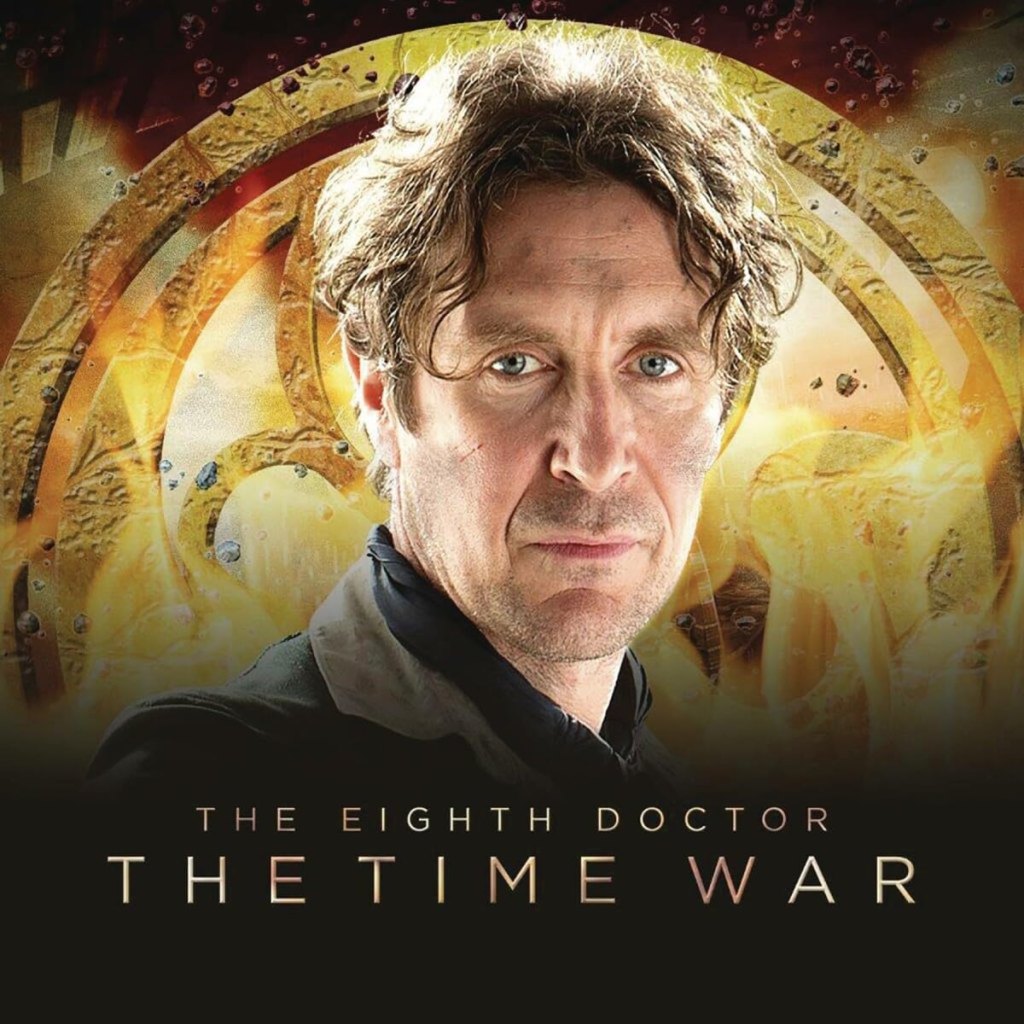
That willingness to experiment, Carrier believes, helped point toward the kind of storytelling Doctor Who would eventually embrace after its return to television.
RICHARD D. CARRIER: “It was willing to play around a little bit and break the mold that had been set by the classic series. And it pointed the way forward for the modern series a little bit, albeit they couldn’t go too far in the TV version, but they could play around with some of these ideas that had been thrown into the sandbox.”
The War in Heaven mythology continued to expand, with Lawrence Miles’ two-volume Interference serving as a major midpoint in the storyline. By then the temporal nature of the conflict had become central.
RICHARD D. CARRIER: “That’s kind of the midpoint of the whole War in Heaven thing where it gets very convoluted and complicated. But the Third Doctor gets killed in a different way to how he really died, and that causes a paradox where things start falling apart. And because it’s this future war, the interested parties are going back in time to try and win the war before it starts by getting their hands on different technologies and trying to alter events. In a similar way in the series, the Time War was something that had happened offscreen, but we still saw the effects of it and the different alien races who’d been affected by it. This is similar to where the Doctor would run into situations where characters and things had either been affected by something that has yet to happen or have come back in time to try and change things.”
When the Time Lords lose their way
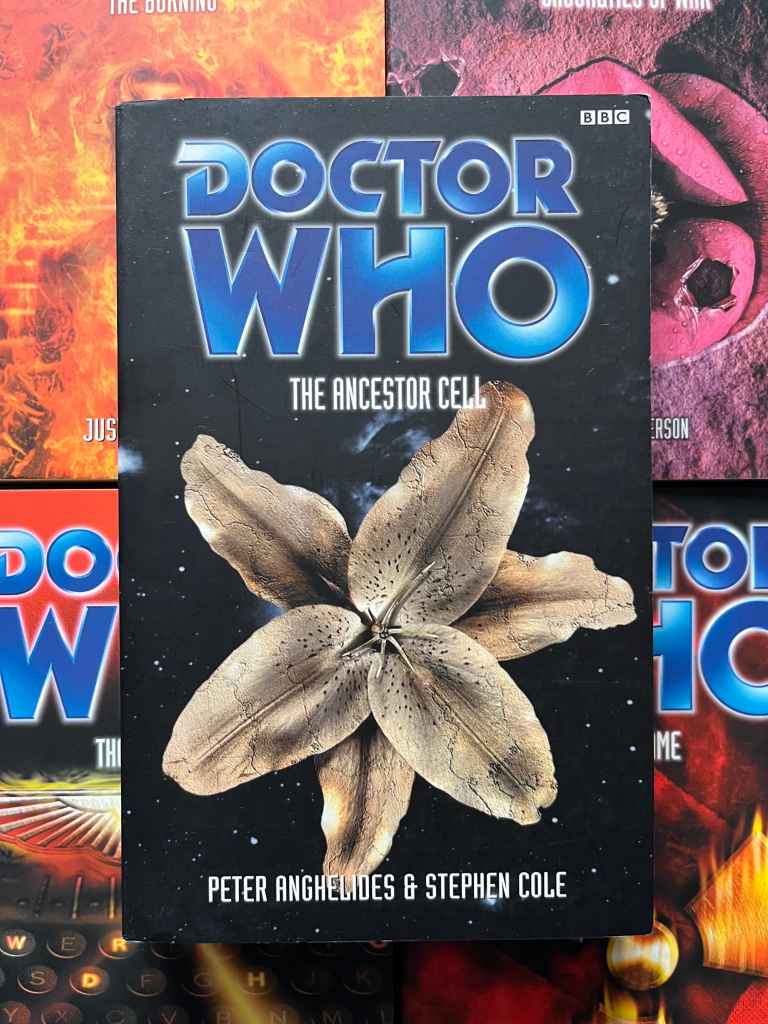
The storyline eventually moved toward The Ancestor Cell novel written by Peter Anghelides and Stephen Cole, which Carrier identifies as the culmination of the main War in Heaven arc. By that point, the Time Lords themselves were beginning to change under the pressure of the conflict.
RICHARD D. CARRIER: “The idea is that the Time Lords, because they’re so desperate not to lose this war, are losing their way. And that’s something that Russell T Davies very much took on board when he introduced it in David Tennant’s last story. The Time Lords have gone crazy.”
That particular resemblance becomes especially striking when viewed alongside “The End of Time,” where the returning Time Lords have become so extreme that the Doctor considers their return a threat in itself. But the novels take things even further as the Eighth Doctor ultimately decides that the only way to prevent the coming catastrophe is to remove Gallifrey itself.

RICHARD D. CARRIER: “The Eighth Doctor is a little bit more personable and a little less in control of things. But in the face of his own people becoming this sort of tyrannical group, he makes the decision to essentially stop Gallifrey from ever existing to prevent this war from happening. So in that act, it’s very much like what the Doctor has to do, although it’s in the series. And you do eventually see that in the 50th anniversary special. They go back to the Time War and you see what actually happened that’s only been alluded to so far, but you get this idea that he used this weapon that wiped out all the Daleks and all the Time Lords in the same instant. It’s not quite as stereotypical as that in the books. It’s a little bit more out there, but essentially by preventing the war from happening, he saves the universe because this war is going to overtake everything.”
“Anyway, this all culminated where they had to reboot the whole franchise, and the Doctor ends up destroying Gallifrey to prevent the war from happening. But in the process, he doesn’t just destroy Gallifrey; he wipes it from history. So now he’s a paradox—he loses all his memories and doesn’t know who he is.”
Years later, the Ninth Doctor would arrive on television carrying the burden of another destroyed Gallifrey.
Was the TV Time War influenced by the books?
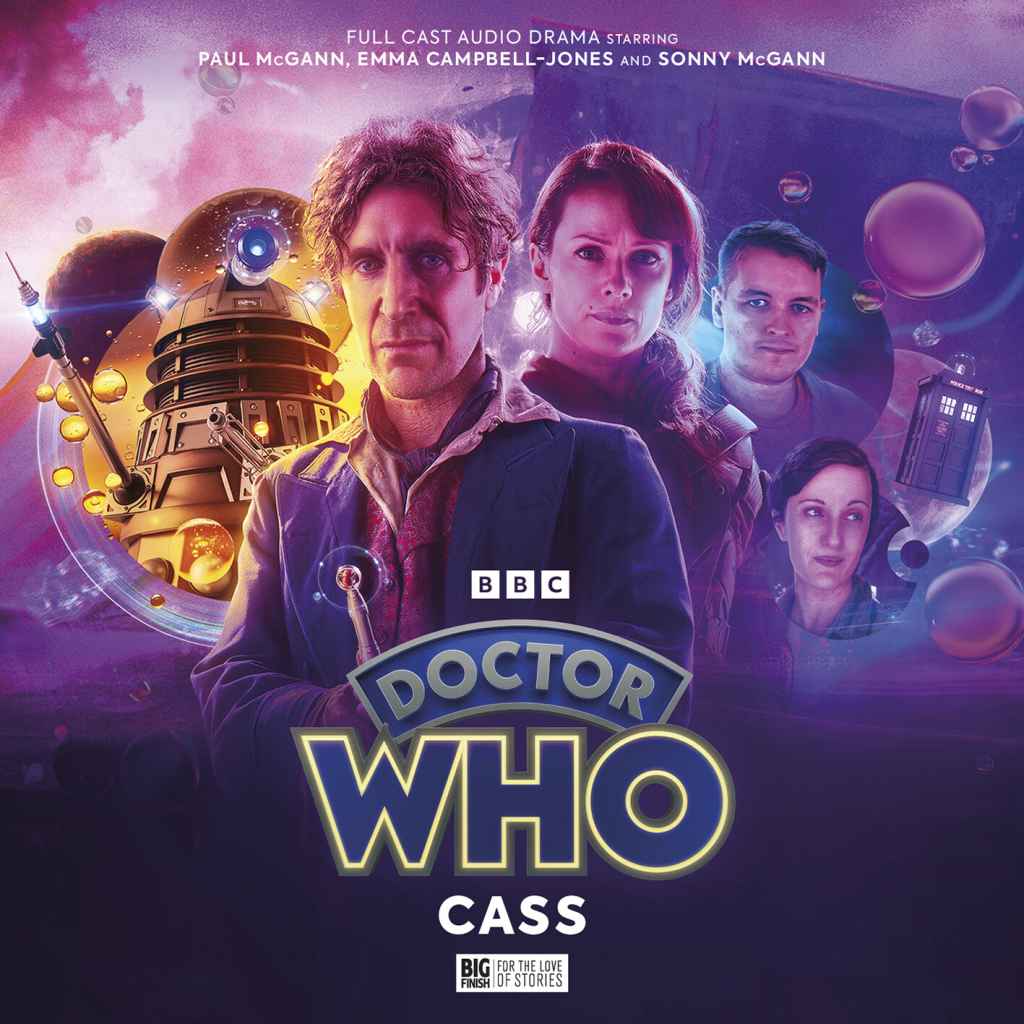
Davies made it clear that the War in Heaven and the Last Great Time War were not literally the same event, but that doesn’t necessarily settle the question of influence. Carrier sees enough similarities that he believes the books played a role in shaping the ideas that eventually reached television.
RICHARD D. CARRIER: “I don’t think Russell T Davies has talked at length about the influence from those books on him and his writing, but it’s definitely there. It’s too much of a coincidence, especially when you deal with the time aspect. But again, it’s not something that the books really go into. You don’t see him fighting in the Time War; it’s this idea of it’s going to happen and we need to prevent it. He’s getting caught up in these ramifications and ripple effects of different things that have happened.”
That point may actually be one of the most interesting aspects of the comparison. Neither version originally depended on showing the war itself, both making the conflict enormous by showing how time, civilizations and the Doctor had been changed by it. And both eventually placed the Doctor in the position of believing that Gallifrey itself had to be sacrificed.
The circle finally closed after the revived television series began revealing more about its own Time War. The 2013 50th anniversary special, “The Day of the Doctor,” introduced John Hurt as the previously unknown War Doctor and finally allowed viewers to glimpse the conflict that had haunted the revived series since 2005. Then that Time War moved back into prose, with George Mann’s 2014 novel Engines of War sending Hurt’s Doctor directly into the conflict.
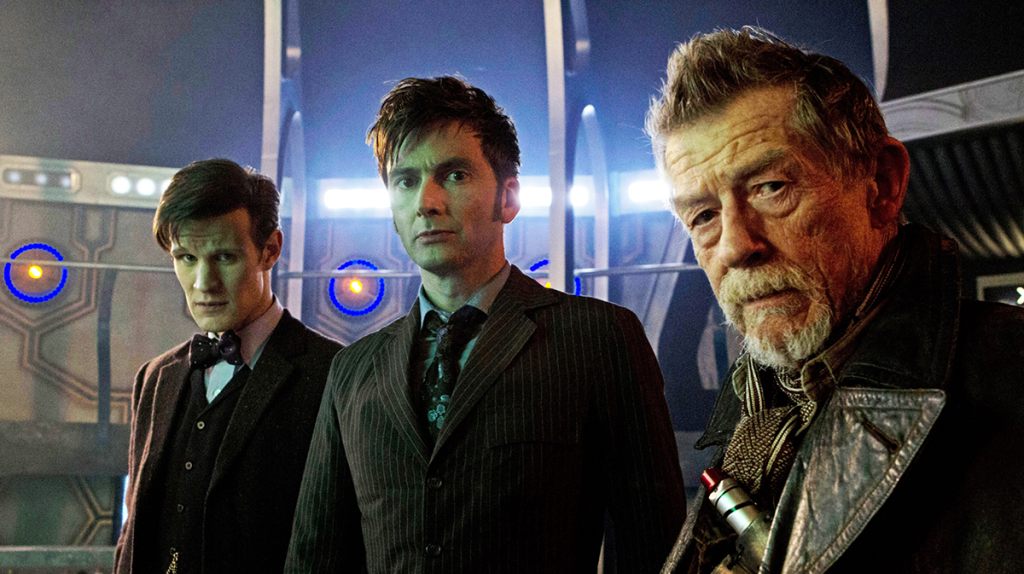

RICHARD D. CARRIER: “That was the only War Doctor novel, but you really need to have seen the 50th anniversary special before you read that one. That was a one-off special.”
During the years when the Doctor had largely disappeared from television, the novels imagined a temporal war that threatened Gallifrey and forced the Doctor to make an impossible choice. Television returned with a Doctor haunted by another Time War and another lost Gallifrey. And once television finally introduced the Doctor who had fought that war, the novels were there to tell more of his story.
Even the history of Doctor Who‘s Time War, it seems, depends on where in the timeline you start reading.
Conversation
All comments are subject to our Community Guidelines. Woman's World does not endorse the opinions and views shared by our readers in our comment sections. Our comments section is a place where readers can engage in healthy, productive, lively, and respectful discussions. Offensive language, hate speech, personal attacks, and/or defamatory statements are not permitted. Advertising or spam is also prohibited.