Roshumba Williams Reflects on ’90s Supermodel Fame and Her ‘Sports Illustrated’ Comeback at 56 (EXCLUSIVE)
Over 35 years into her career, the model and TV personality feels more confident and joyful than ever

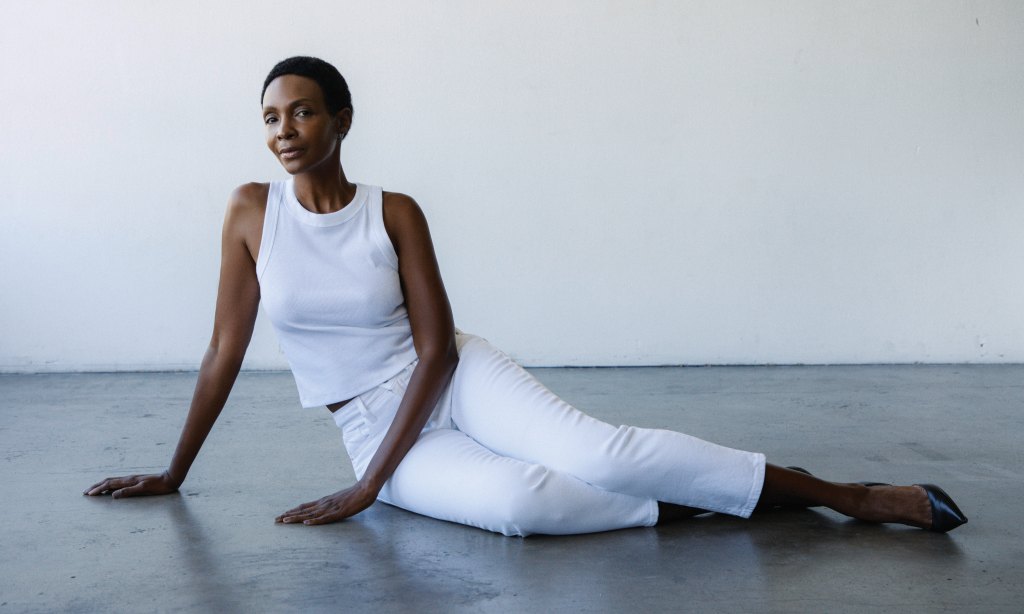
Roshumba Williams was one of the supermodels who helped define ’90s glamour. Equally adept at walking couture runways and winning over a broad fanbase as one of the first regularly featured Black Sports Illustrated swimsuit models, the trailblazing beauty proved she could truly do it all.
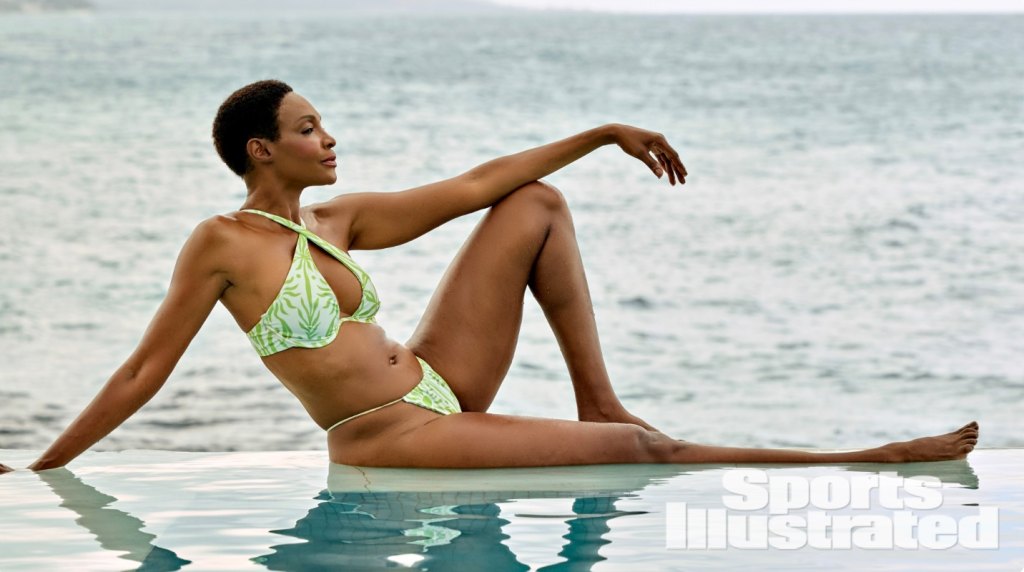
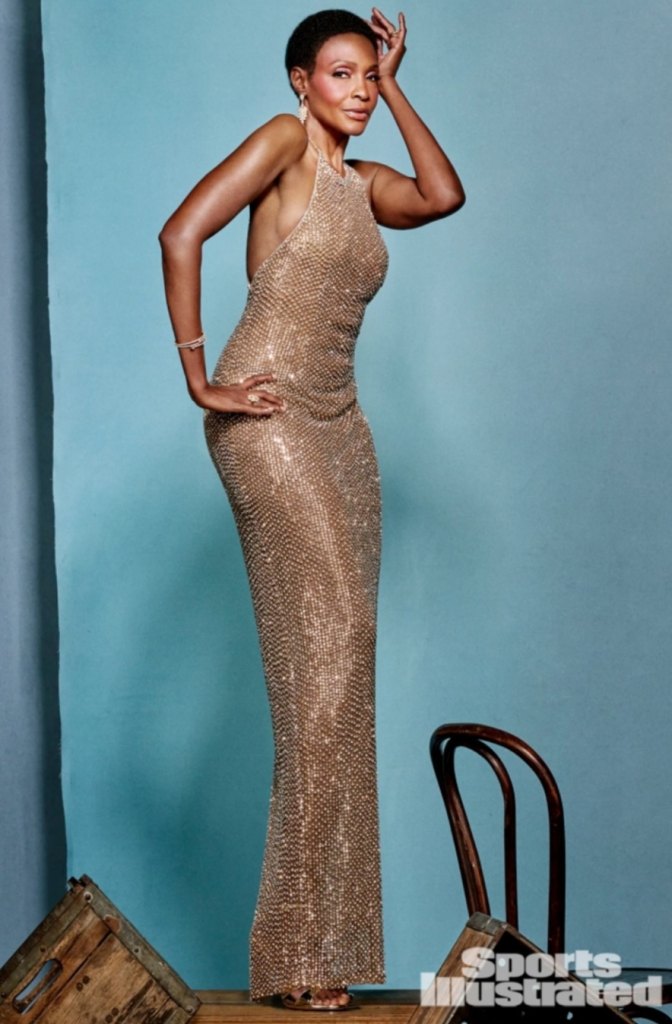
Modeling isn’t exactly known for cultivating longevity, but at 56, Williams is still going strong as a fashion expert and lifestyle correspondent for ABC, and along the way she literally wrote the book on her field (having authored The Complete Idiot’s Guide to Being a Model in 1999) and served as a TV host and judge for various reality shows, all while continuing to keep her primary career afloat. This month, she’ll be making a triumphant return to the pages of the Sports Illustrated Swimsuit Issue and looking as fabulous as ever.
Williams sat down with Woman’s World to discuss her long career in front of the camera and how she stays healthy and grounded.
Woman’s World: How did you get your start as a model?
Roshumba Williams: It was 1987 and I was 19. I had a dream of being a model and went to Paris on my own. I had a small amount of money and only two weeks, because my mom said that if something didn’t happen in that time, I should consider it a vacation and come home.
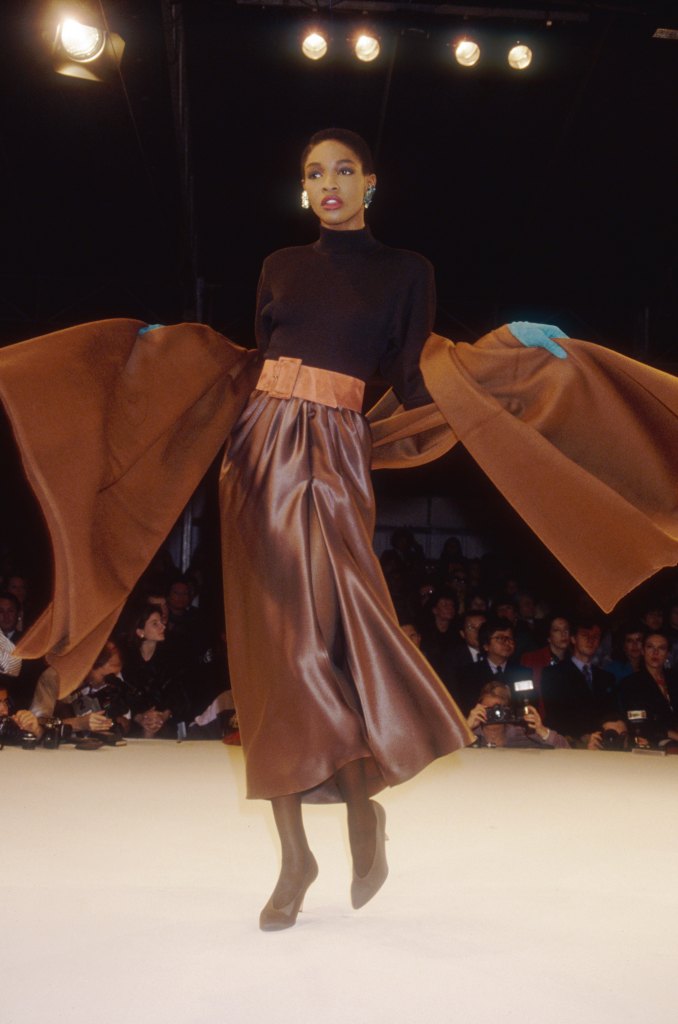
I went to see several agents in Paris, based on a list from a library book, and I found one who liked me on my second day there. They sent me the next day to see several clients, and one of them was Yves Saint Laurent.
Being eye-to-eye with a designer I’d seen in magazines at this iconic atelier in Paris and knowing that I was welcome there is a memory that I’ll cherish forever. I just wanted to faint with joy. He asked in French if I could walk, and I didn’t understand, because I didn’t speak French at the time. I didn’t know what happened, and then the next day I got a message from my agent that they hired me to be their fit model.

I learned a ton from Yves Saint Laurent about how to present garments and walk on a runway and exude a certain level of confidence. That led to me doing more print work, and once I started it snowballed and really took off.
I walked in there as this gangly little small-town girl. I was coming from the Midwest, between Peoria and Chicago, and as a Midwestern 19-year-old, I would say according to world savviness that might have been more like being 16 or 17 mentally. I wasn’t afraid because I didn’t know any better. Now I look back, and I’m like, “Holy moly! How on earth did I do that?” And it worked out.
WW: How did you stay grounded after getting such a dramatic introduction to the fashion world?
RW: This can be a very cut-throat industry, and you learn as you go. I am by nature a confident person, and I had a very strong family connection. My mom was behind the scenes with me every step of the way. I remember when I arrived in Paris she wanted me to call when I got there, and of course, back in 1987 there were no cell phones. So the first thing I did was get a phone card to call her and let her know I was there, and she told me, “If you need me, I’m there for you.” I knew that no matter what happened, I could always go home, and that gave me a lot of stability.
I also avoided a lot of pitfalls like getting caught up with drugs and playboys because I was working all the time. I hit the ground running, and I worked pretty much every day for 11 years. I didn’t have a lot of idle time, but my manager taught me not to waste my experience, so when I wasn’t working, I’d try to go to museums and restaurants and see the country and experience the culture. I didn’t have time to get caught up in the nightlife and the darker side of the fashion world.
WW: You were a regular in the ‘Sports Illustrated’ Swimsuit Issue in the ’90s, and you’ve just come back to the magazine. How did you first become involved with the magazine and what has it been like to return to it?
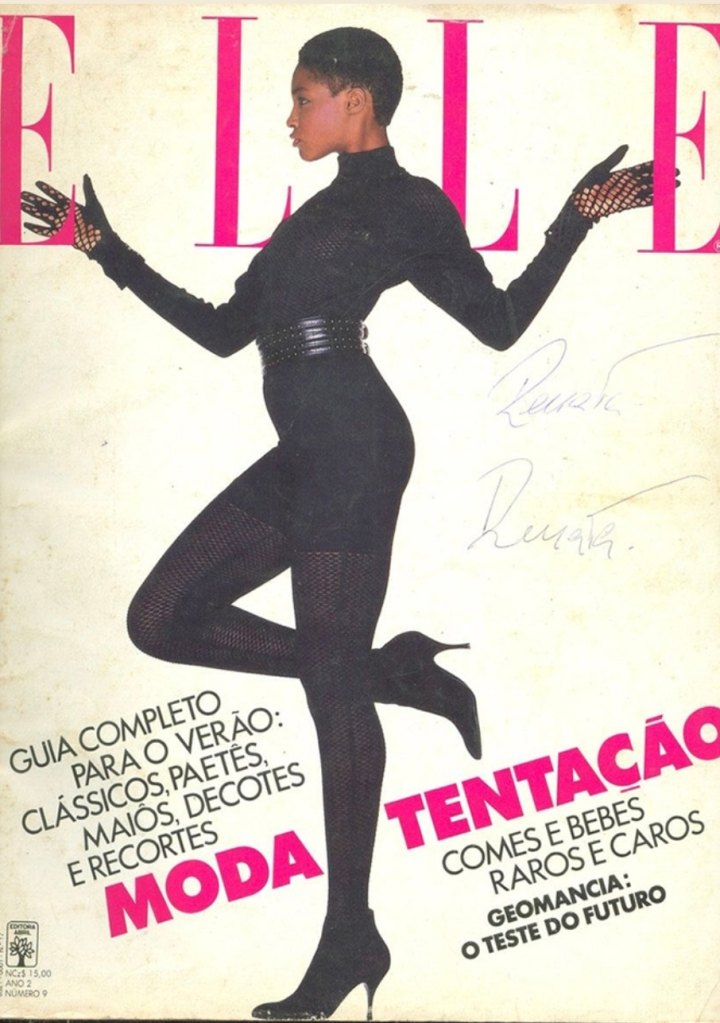
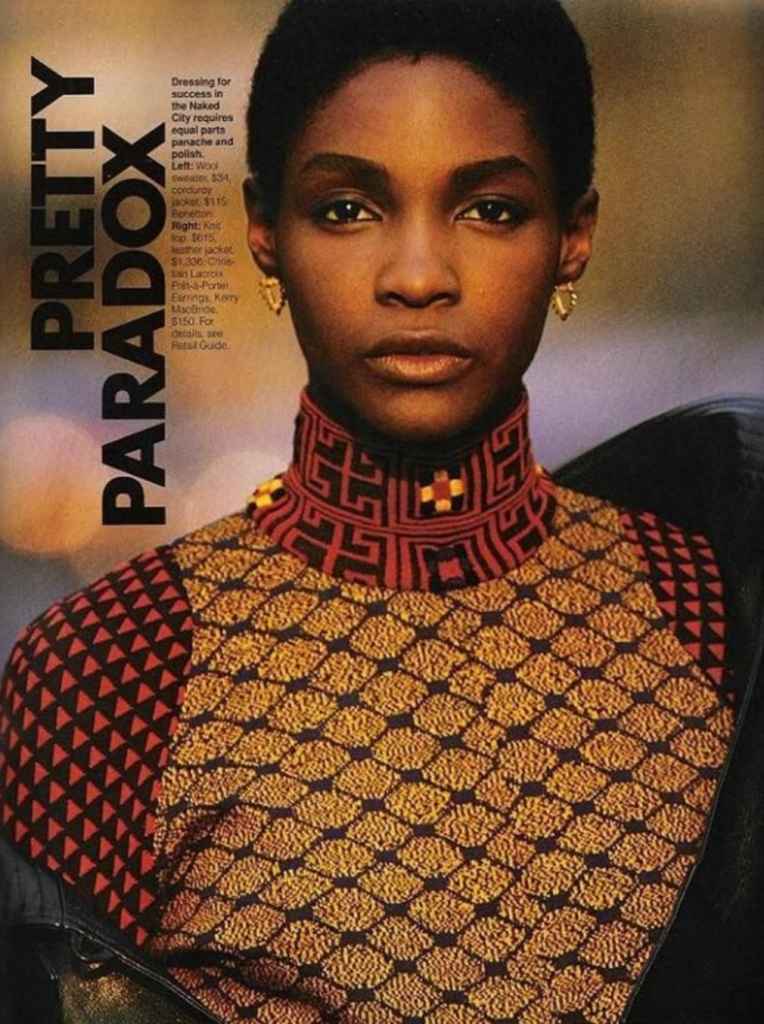
RW: Jule Campbell, the editor of the Swimsuit Issue, had seen me in an issue of Elle. She wanted wholesome girls who moved well and seemed like they had a charming personality, and she felt that way about me. Growing up in Middle America, I knew how huge the Sports Illustrated Swimsuit Issue was and how it represented the standard of beauty at that time.

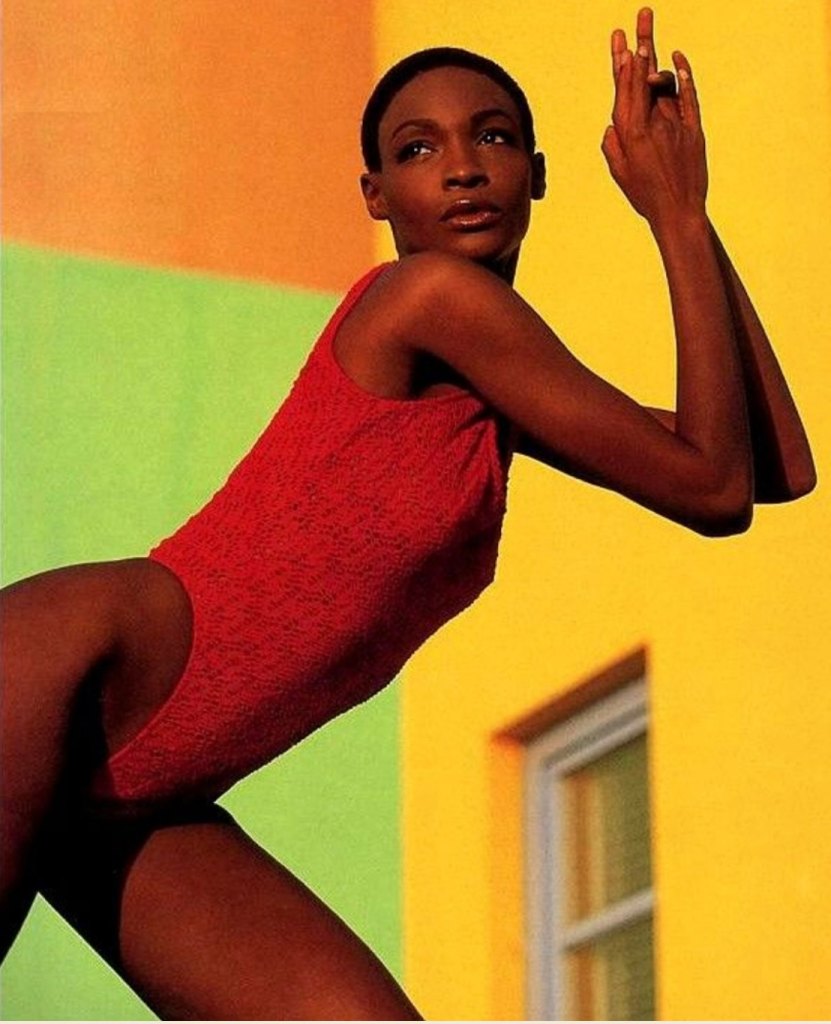
Jule had used women of color here and there, but for her to choose me to be the first featured African-American model to really represent the brand and be part of the franchise, I was shocked. When she called I was immediately on board, and it went from me being a print and runway model to being a household name and an American standard of beauty.
I have so much gratitude. I feel like the stars must have aligned and I must have been the right girl at the right place at the right time to have that opportunity. The first time I saw myself in Sports Illustrated, I snuggled up with the issue and went to sleep with it because I was so excited! I’ll never forget it.
I think there’s been a rebirth of the supermodel recently. There was the Apple TV+ docuseries The Super Models and there was the book Supreme Models, which was all about Black models and their influence in the industry. The Sports Illustrated Swimsuit Issue had its 60th anniversary last year, and working on that was incredible. They brought all of the supermodels back together.
When I got the message that Sports Illustrated wanted me to shoot for the 2025 issue, I have to say I cried. I still wanted to be involved and still wanted to be considered an American beauty in that regard. It was an honor to come back.
WW: ’90s style has made such a comeback in recent years. Do you feel nostalgia for that era?
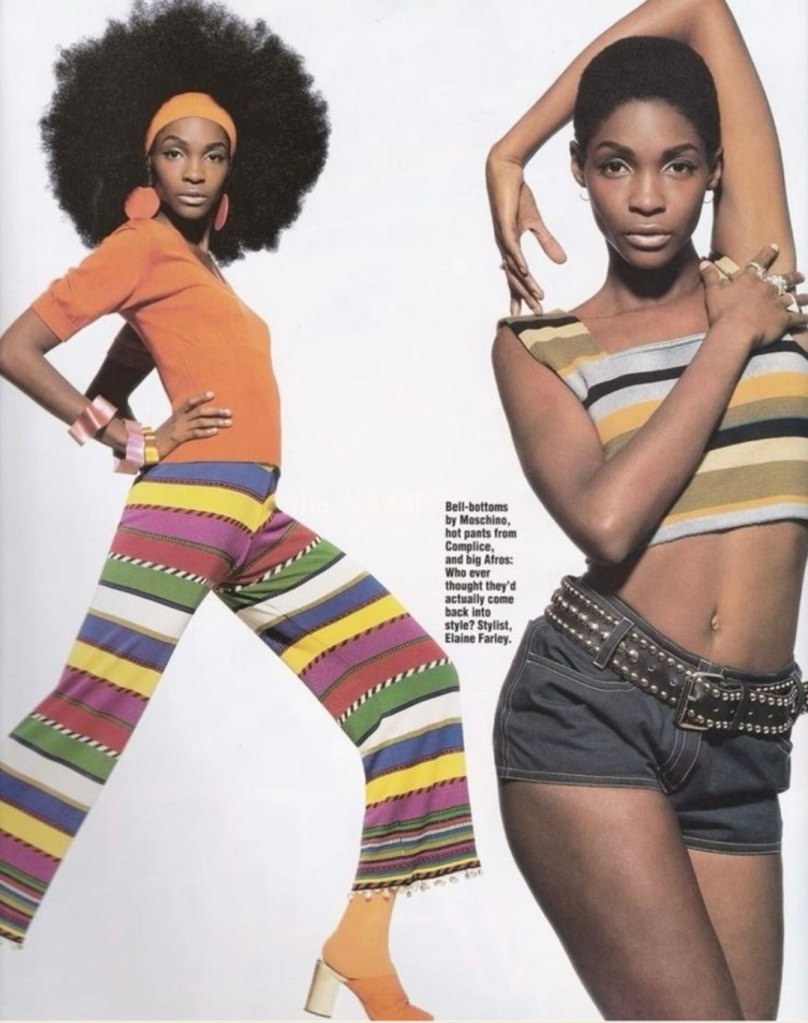
RW: What I most love about that era was that women of color had big, successful platforms, with models like me, Naomi Campbell, Tyra Banks, Veronica Webb and Gail O’Neill. We were everywhere, and it was a huge era for us.
Since that time, the namesakes of most of the fashion houses have all passed away—people like Yves Saint Laurent, Gianni Versace, Emanuel Ungaro, Jean-Louis Scherrer, Hubert de Givenchy and Azzedine Alaïa. I worked with these people, and I think when we were coming up and working, this magic was being created in the fashion industry, and for a lot of people who are now in positions of power, it was their dream to work for these houses. The people who were the students of fashion are now at the top, and there’s nostalgia with all the models that they grew up watching, so they’ve brought us all back.
I kept so many things from that time. I kept some Alaïa dresses. I have this beautiful brown suit from the Yves Saint Laurent atelier. I even kept my gold palette of eyeshadows and lipstick and blush from YSL Rive Gauche.
WW: What do you do to stay healthy?
RW: The best thing is keeping it simple. I’m pretty loyal and when I find something that works for me, I stick with it. Keeping your raw material healthy is important. I’m a believer in detoxing, and I like to do a basic workout. I don’t overdo it. I speed-walk and use light weights and do some cardio to keep toned. I also like steaming and saunas, and make sure that I keep my skin clean.

We live in a society where we work so hard, and we have to take our relaxation time as seriously as our work time. I set a lot of “me time” and don’t sweat the small stuff. If there’s something that I can do that works for me that makes me feel, mentally, spiritually and physically nourished, I do that, but if I’m overwhelmed or tired or don’t feel like I can give my best, I’m big on saying no.
WW: Having worked so long in an industry that prioritizes youth, what is your philosophy on aging?

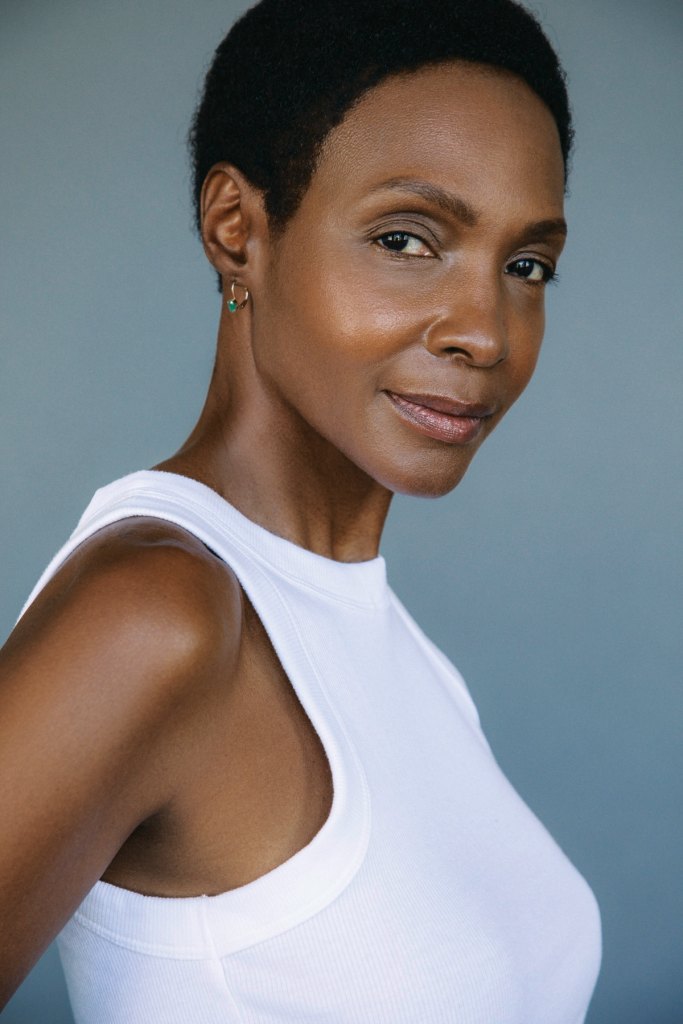
RW: Being in my 50s now is great, because it’s all about inclusivity and diversity. Aging is a cool thing right now, and I think a lot of the reason for that is because the decision-makers behind the scenes—people like Anna Wintour and other magazine and ad executives—they’re all aging, but not in the way that their mother or grandmother might have. They’re still working and still vibrant and youthful, so there’s a marketplace for that type of woman.
Women in their 50s, 60s and 70s are the ones with disposable income. We’ve made our money, we’ve raised our children, and now we’re spending. The marketplace has opened up a great deal, because Madison Avenue has realized that women are going to be spending on big-ticket items as well as taking care of themselves.
In the interim, back when I was in my 40s, and this was all being figured out, it was tough. It was like, “Where do I fit in? Where do I go from here?” I was the new kid, then I was the hot thing in my 20s and in my 30s I was being celebrated because I had broken through. In my 40s, it got a little weird. I was breaking into television and the modeling was dying down. I was in this transitional period, where I wasn’t quite “older,” but I wasn’t younger either, so that was a bumpy road in my mid to late 40s.
Then my 50s came along, and I was still figuring it out, but the industry had shifted and changed by then. It’s a wonderful time, and I’m in a good space right now with aging. I don’t want to be 21 forever. I want to live my life to the fullest at every age, because we don’t really live that long in the grand scheme of things. A tree can live for hundreds of years, and we only live to our 80s or 90s. It’s not that long, so I want to enjoy it.
Conversation
All comments are subject to our Community Guidelines. Woman's World does not endorse the opinions and views shared by our readers in our comment sections. Our comments section is a place where readers can engage in healthy, productive, lively, and respectful discussions. Offensive language, hate speech, personal attacks, and/or defamatory statements are not permitted. Advertising or spam is also prohibited.